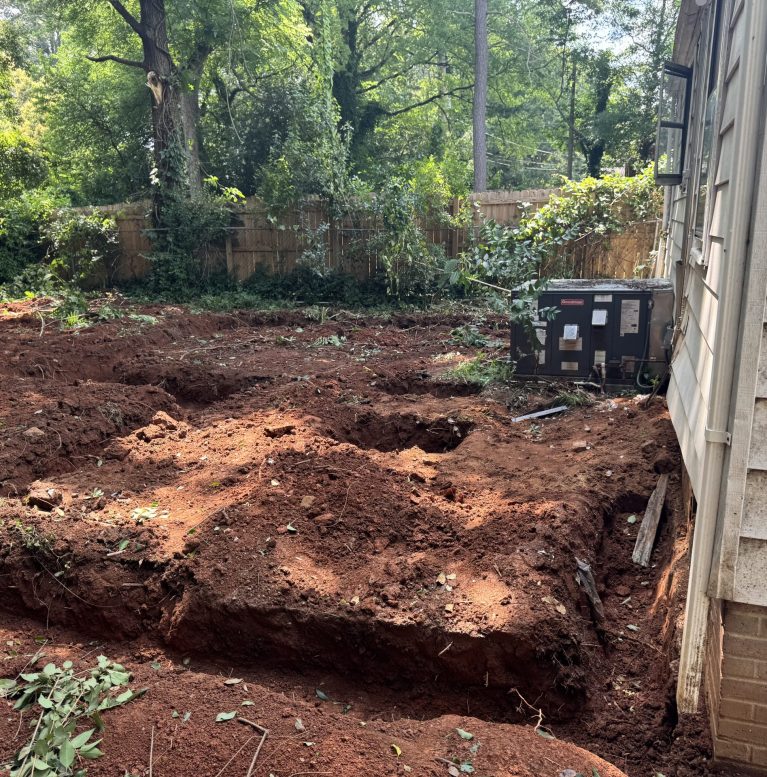
Stallings sits on dense Piedmont red clay. That clay holds water instead of draining it. When hurricane remnants or a sudden microburst rolls through, the ground saturates fast, and saturated clay can’t hold a root plate in place. That’s when mature Willow Oaks and Loblolly Pines let go — sometimes all at once, straight into a roofline or a power line.
We built our tree service around that exact problem. This isn’t generic tree trimming. It’s storm-risk management for a town where the soil itself works against you every hurricane season.
If you’re searching for emergency tree removal in Stallings, NC, you’re probably already looking at a leaning tree or storm damage on the ground. We move fast, and we move safely. Our crews know which species fail first in wet clay, which root systems are already compromised, and how to get heavy equipment into tight residential lots without tearing up your yard in the process. Your home, your family, and your power lines are the priority — every time.
From residential projects to commercial developments, we provide end-to-end solutions for every stage of construction.
Every neighborhood in Stallings has its own risk profile, and we plan around it. Homes in Stevens Mill, Fairfield, and Chestnut Round often sit on older lots with large, established Loblolly Pines and Willow Oaks — trees that were healthy for decades until a few consecutive years of heavy clay saturation weakened their root plates. We inspect for that kind of hidden risk before storm season, not after.
Properties closer to the US-74 corridor and the I-485 outer loop interchange face a different challenge: tight setbacks, close power infrastructure, and heavy traffic nearby. That means every removal near these corridors gets planned with rigging and drop-zone control in mind, not just cutting.
We don’t run a one-size-fits-all crew. We assess your specific soil condition, tree species, and lot layout, then build a removal plan around it. That’s the difference between a clean job and a damaged fence, driveway, or neighbor’s property.
Stevens Mill Storm Response: After a tropical storm saturated the clay beneath a 70-foot Willow Oak, the root plate sheared and the tree leaned hard toward the roofline. Our crew arrived within hours, secured the site, and used crane-assisted rigging to remove it in sections — no damage to the home or the driveway below.
US-74 Corridor Removal: A homeowner near the Monroe Road corridor had a dying Loblolly Pine within feet of overhead power lines. Our fully insured crew coordinated with utility clearance requirements and used precision rigging to bring the tree down piece by piece, protecting the lines and the neighboring fence line.
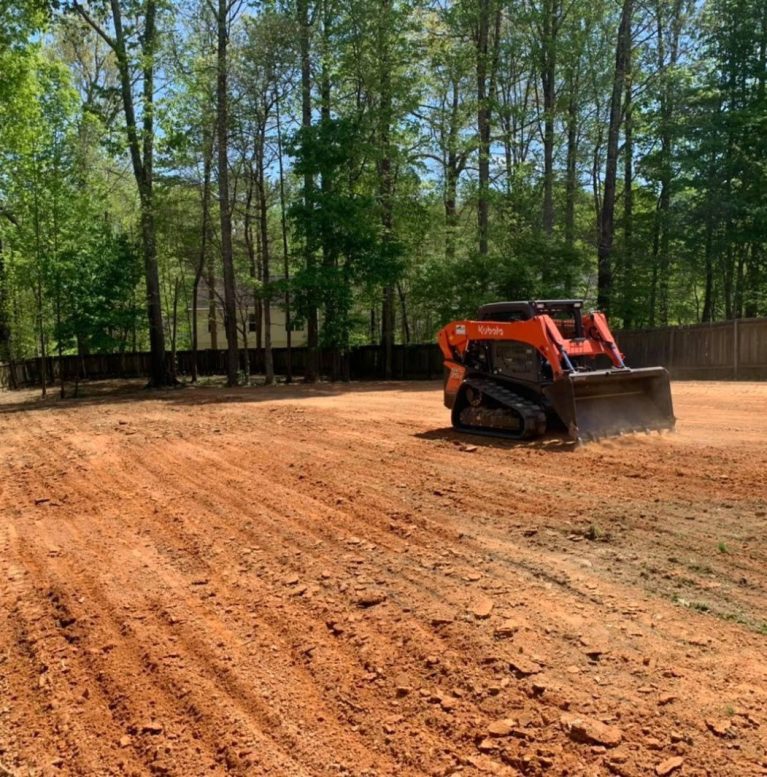
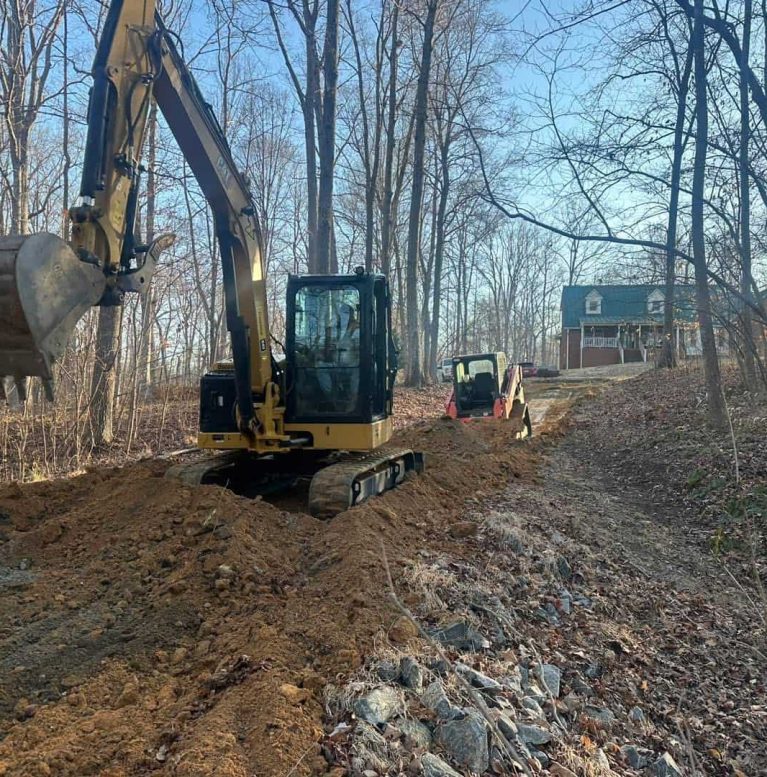
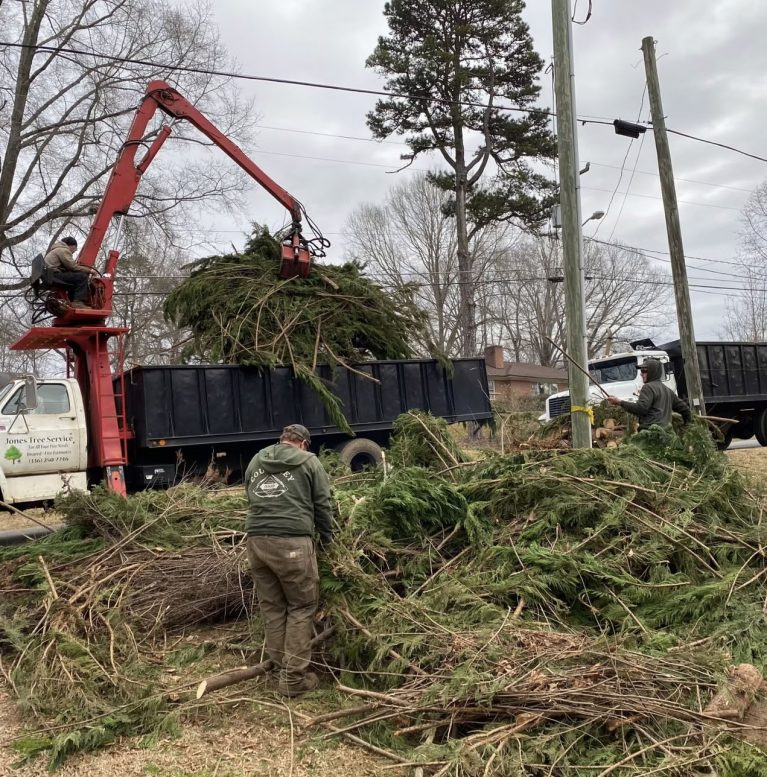
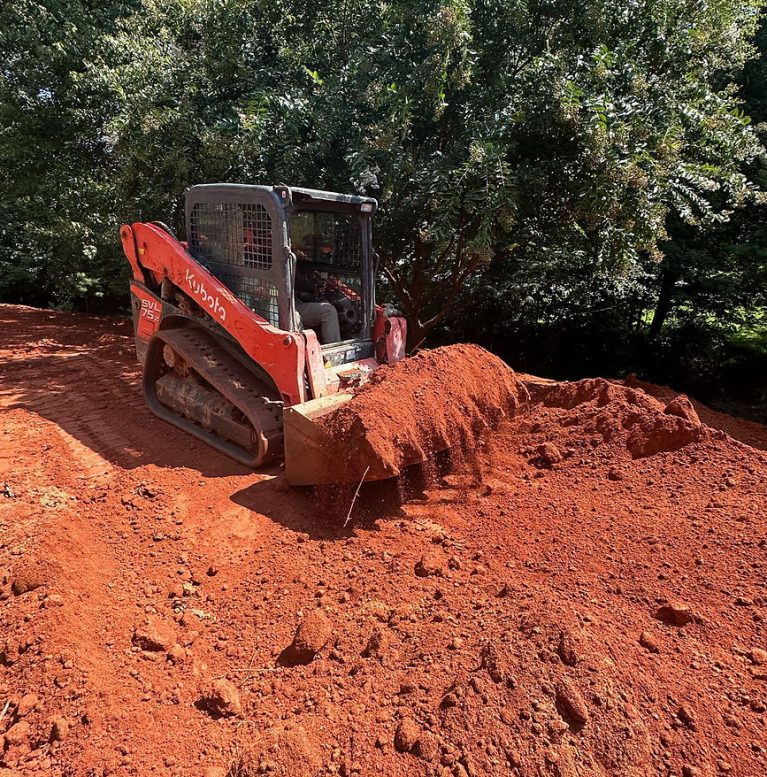
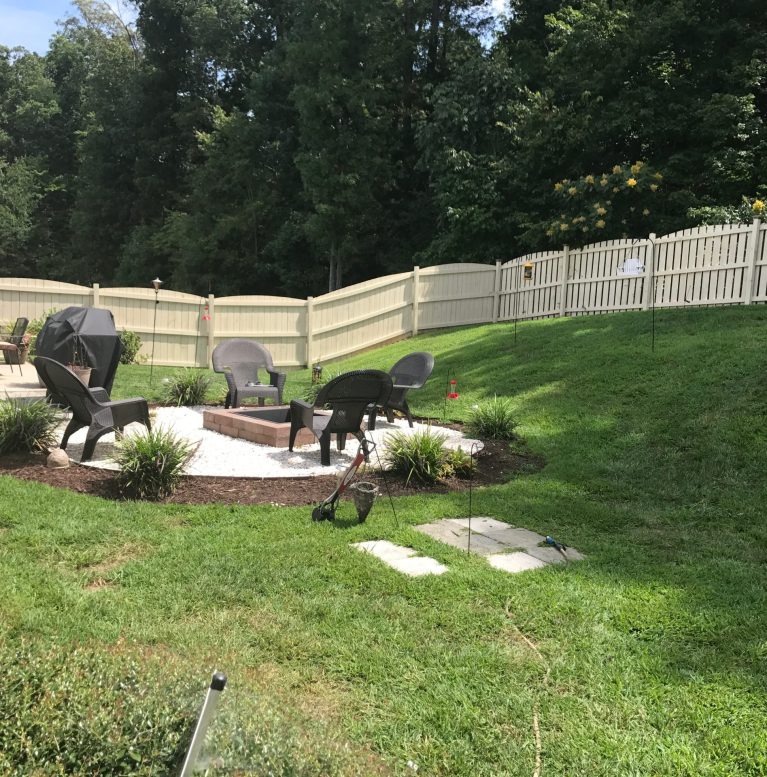
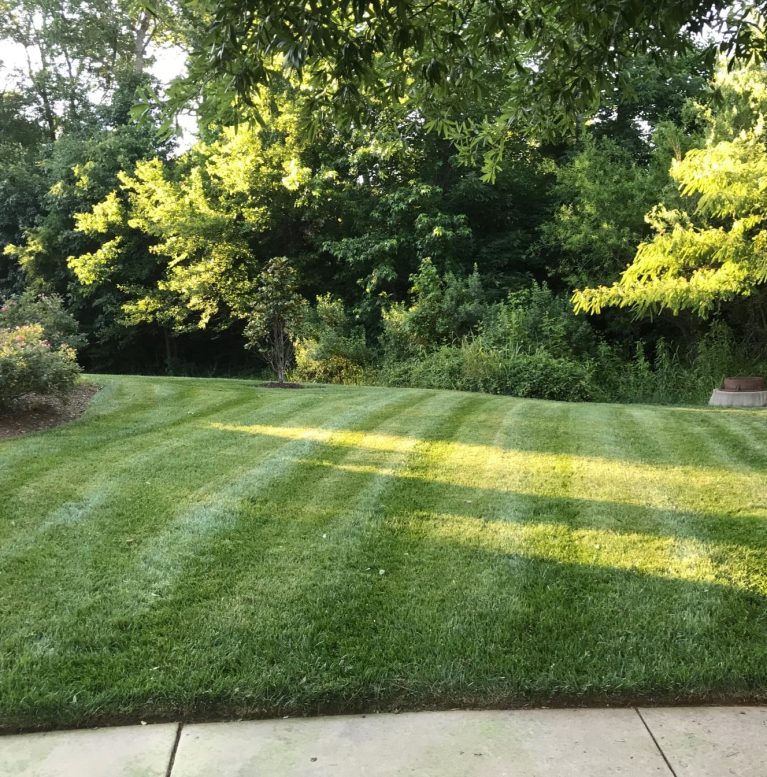
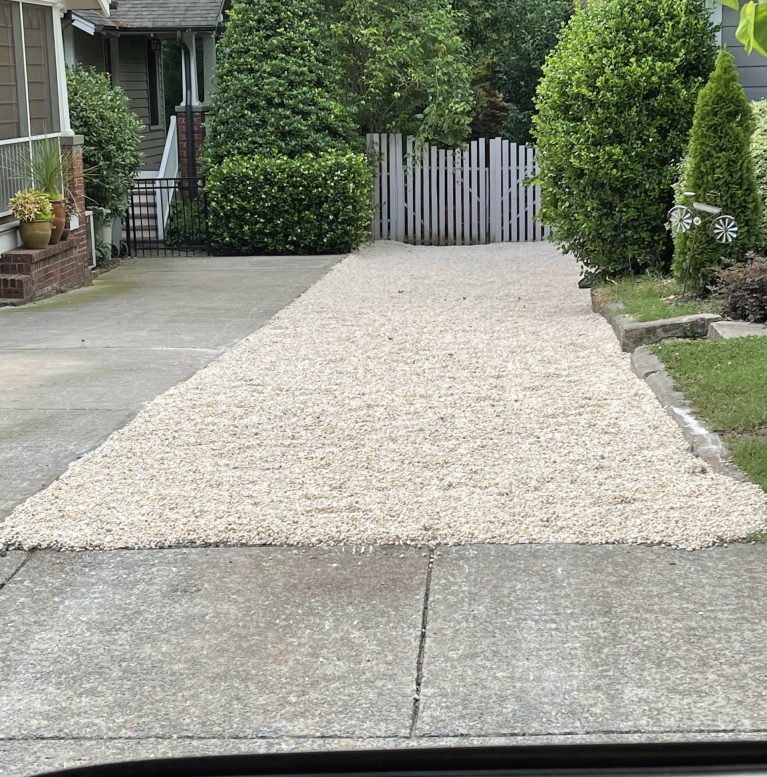
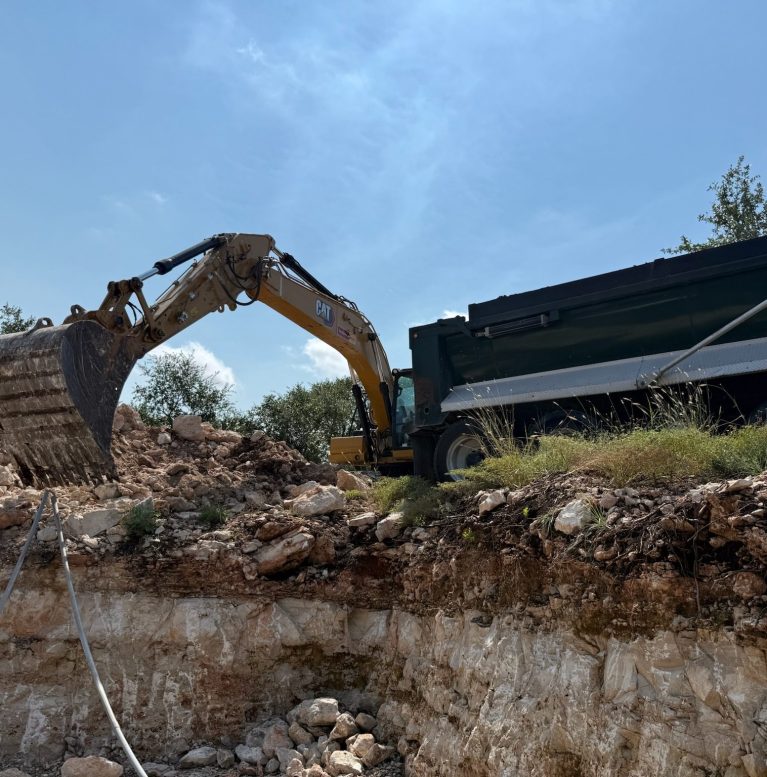
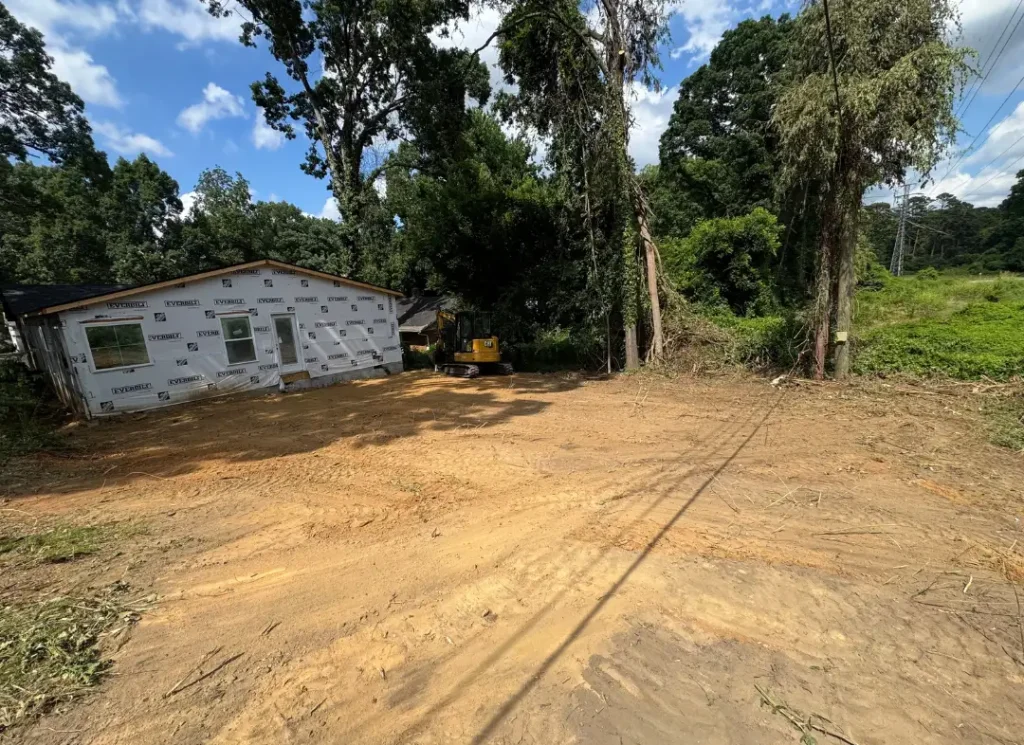
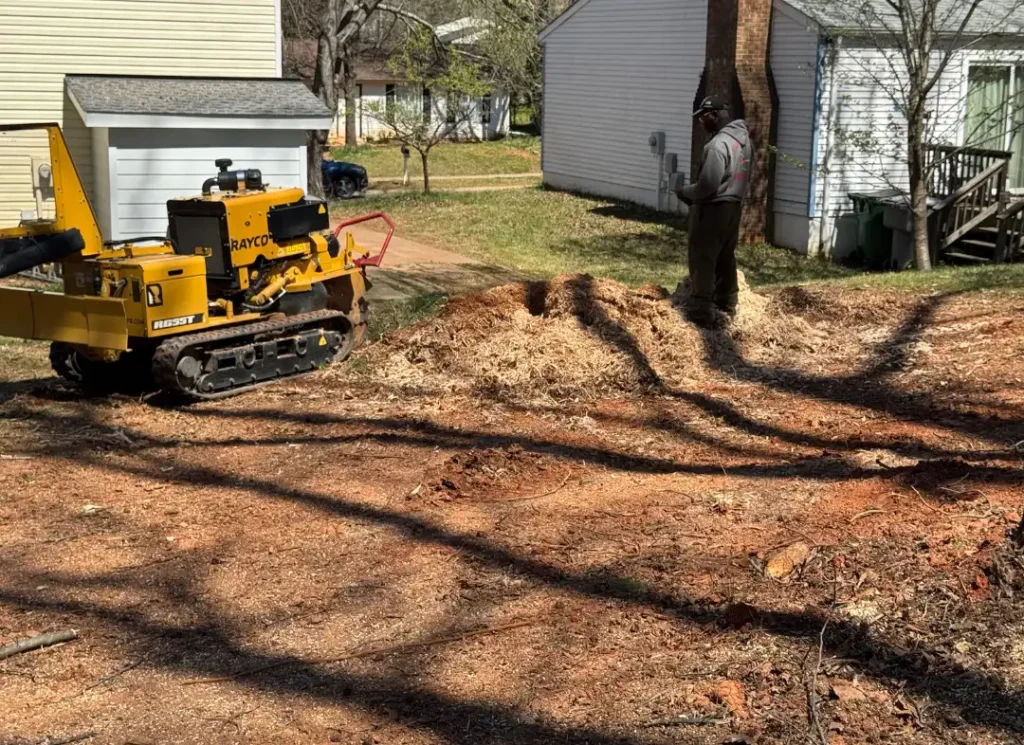
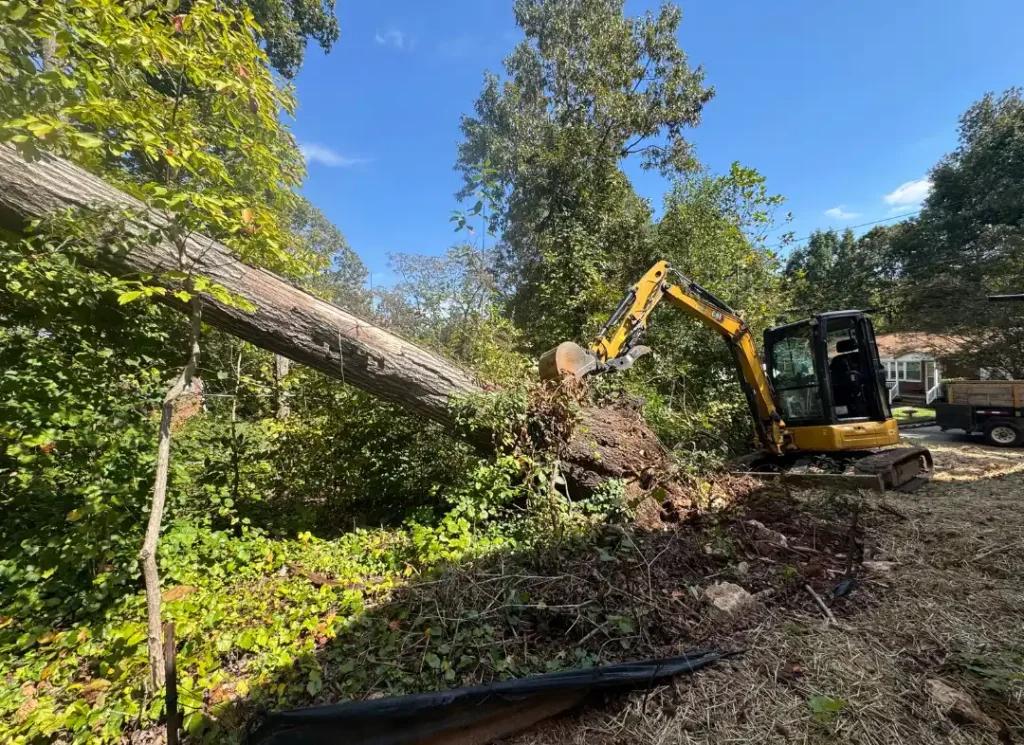
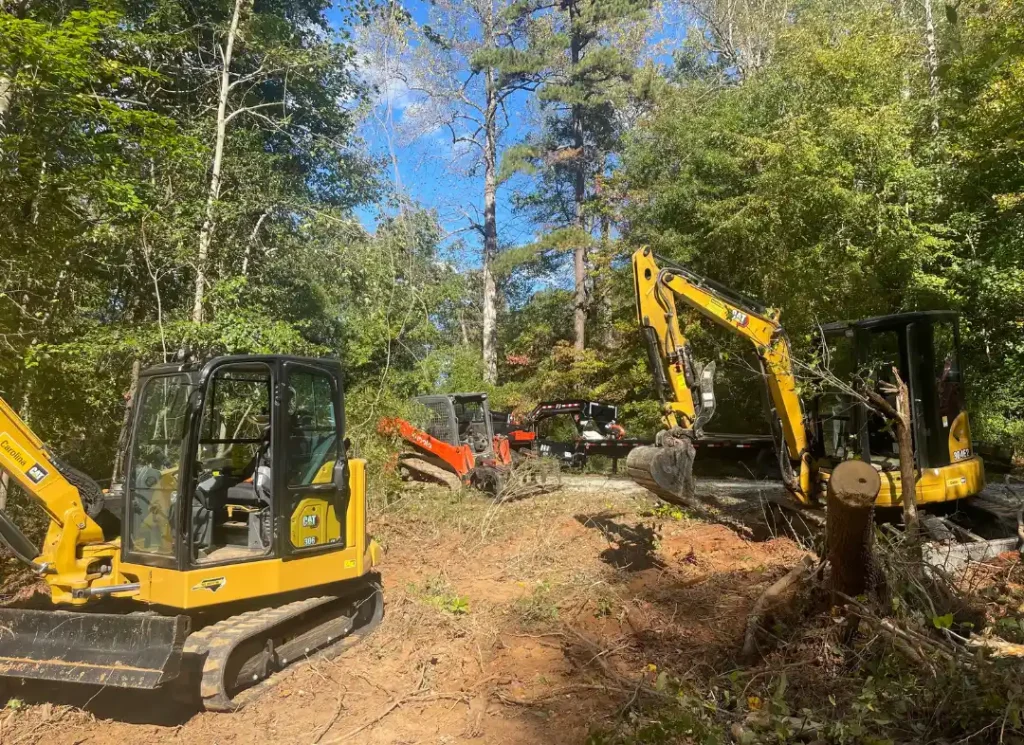
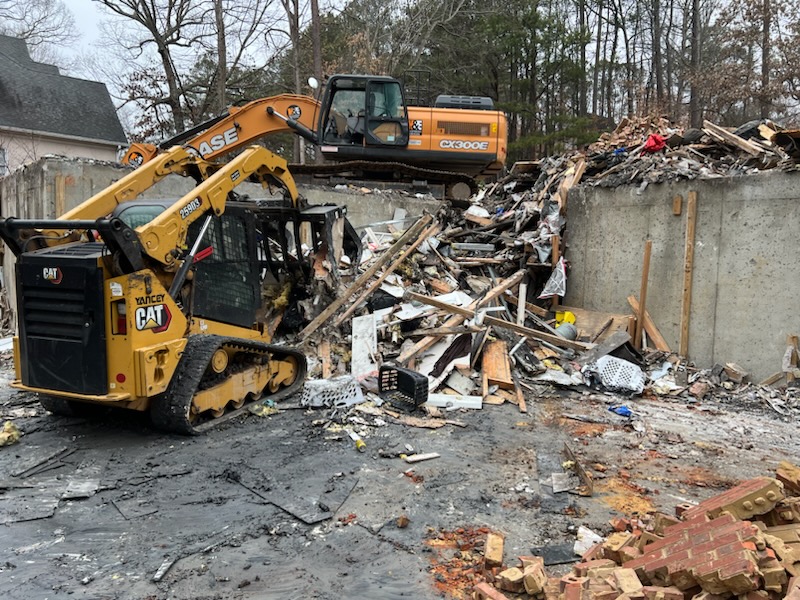
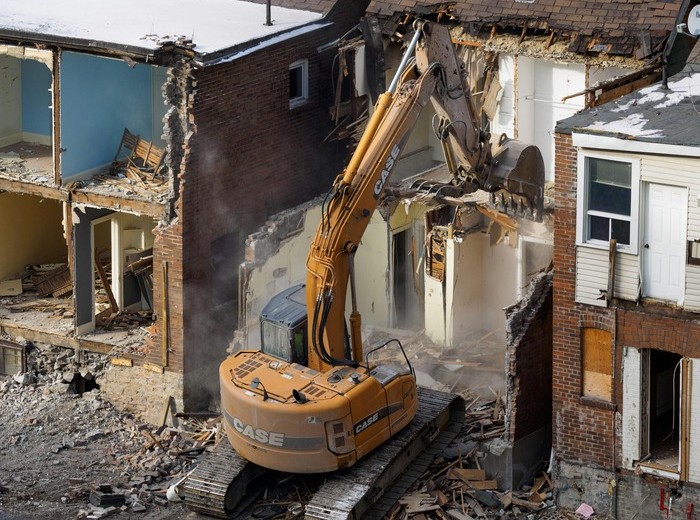
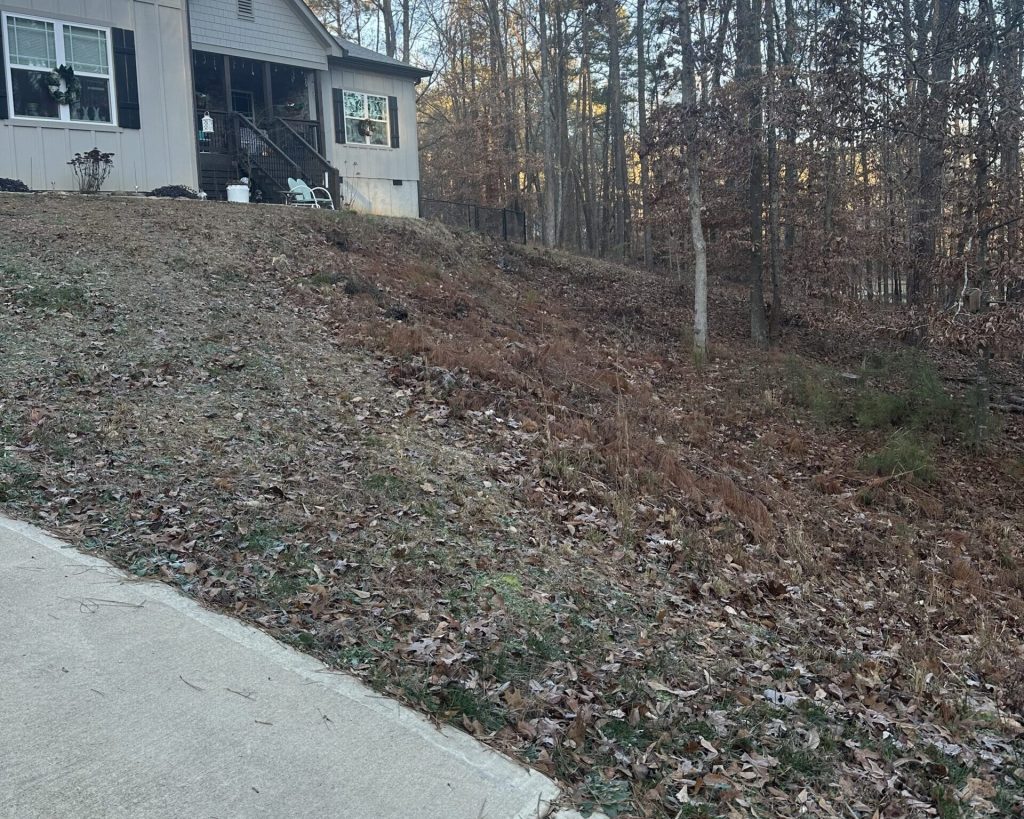
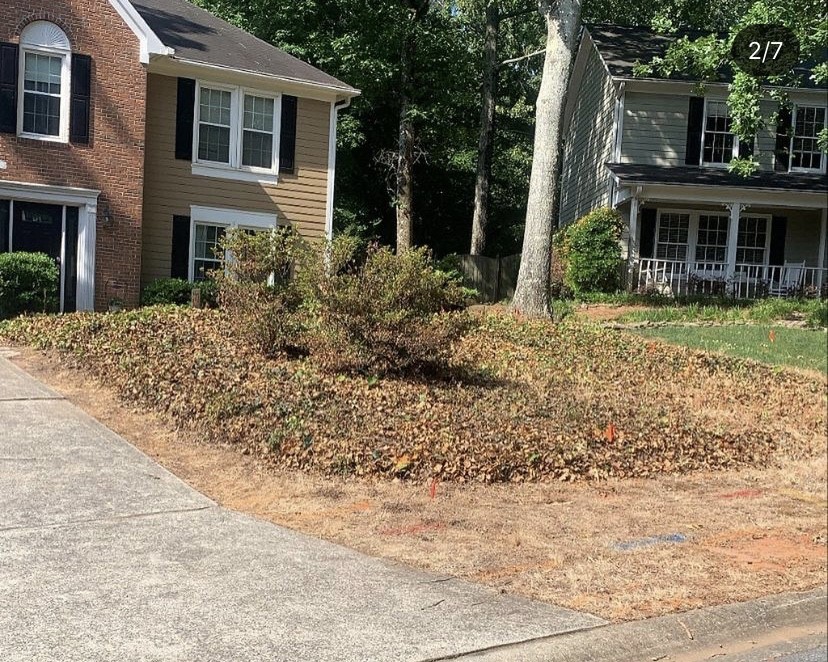
Take a look at some of our latest work. Scroll through the photos below to see our team in action and the results we deliver.
Healthy trees over a certain size typically need a permit. Hazardous or storm-damaged trees are usually exempt. We verify your specific situation before starting work.
Our emergency crews typically respond same-day. Timing depends on storm volume townwide, but leaning-tree calls are always our top priority.
Yes. Every crane operator and rigging crew member is fully insured for work near main transit corridors and power infrastructure.
Yes. We use compact crane setups and precision rigging specifically for narrow driveways and close-set fence lines common in these neighborhoods.
Piedmont red clay saturates quickly and holds water, weakening root plates. That’s why large trees uproot suddenly here, even in moderate wind.