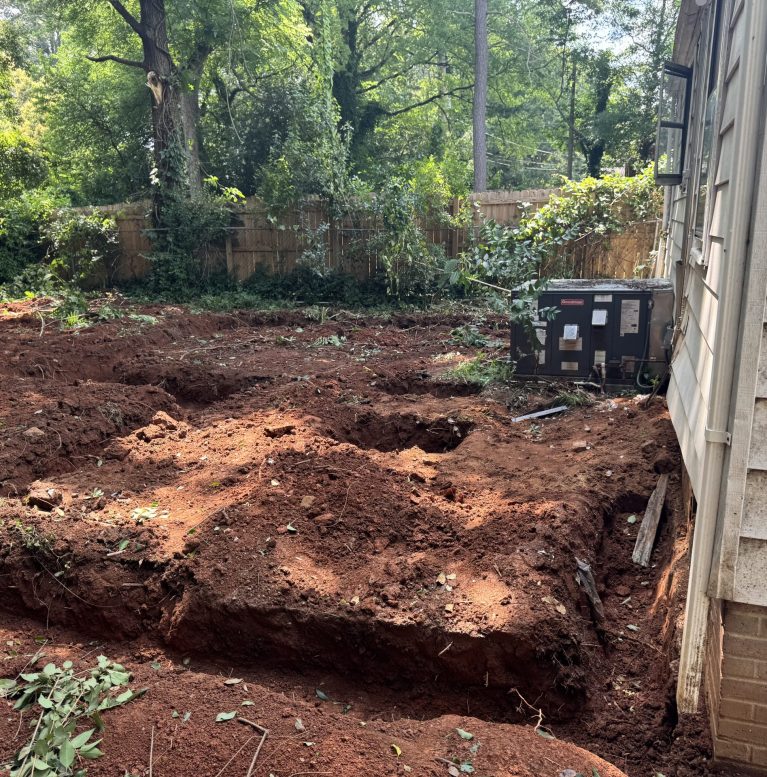
If you’ve dug into a yard in Matthews, you already know the problem. Carolina red clay grabs onto water and won’t let go. It swells when it’s wet, then bakes into hard, cracked chunks when it dries out. That shrink-swell cycle is exactly what causes foundations to shift, driveways to crack, and yards near US-74 and NC-51 to hold standing water long after a storm passes.
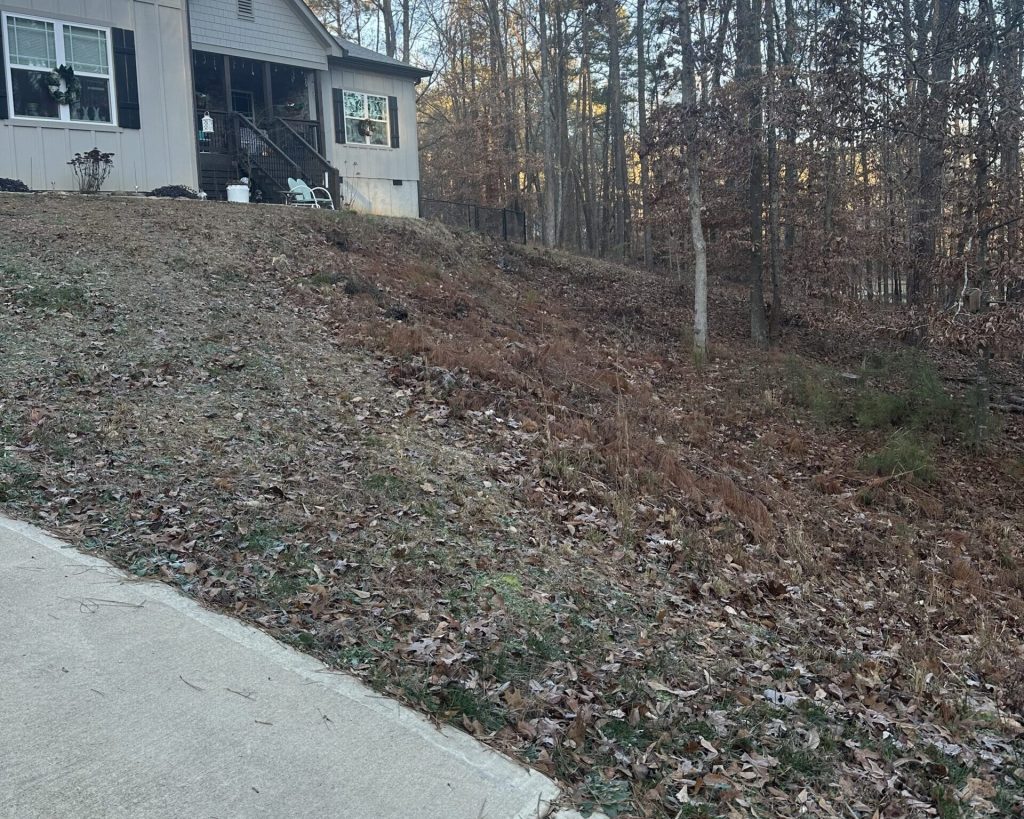
Shallow rock sublayers make it worse. Water can’t drain down, so it runs off instead, pooling in low spots across Crestdale, Deerfield Creek, and Matthews Park. Standard grading doesn’t fix this. It just moves the problem somewhere else on the lot.
We treat Mecklenburg County clay as its own animal. Every job starts with reading how the soil on your specific lot behaves, not a generic excavation playbook. That means proper compaction, correct subgrade stabilization, and grading that accounts for how this ground actually holds and sheds water. Get that wrong at the start, and you’re paying for it in settling and drainage repairs for years.
From residential projects to commercial developments, we provide end-to-end solutions for every stage of construction.
Every excavation job in Matthews follows the same disciplined sequence, because red clay doesn’t forgive shortcuts.
Site assessment:
We evaluate soil composition, drainage patterns, and grade before equipment ever touches the property. This tells us how the clay will behave under load and water.
Utility clearance:
Trenching and underground utility clearing come next. We locate and protect existing lines before any cut-and-fill work begins.
Cut-and-fill grading:
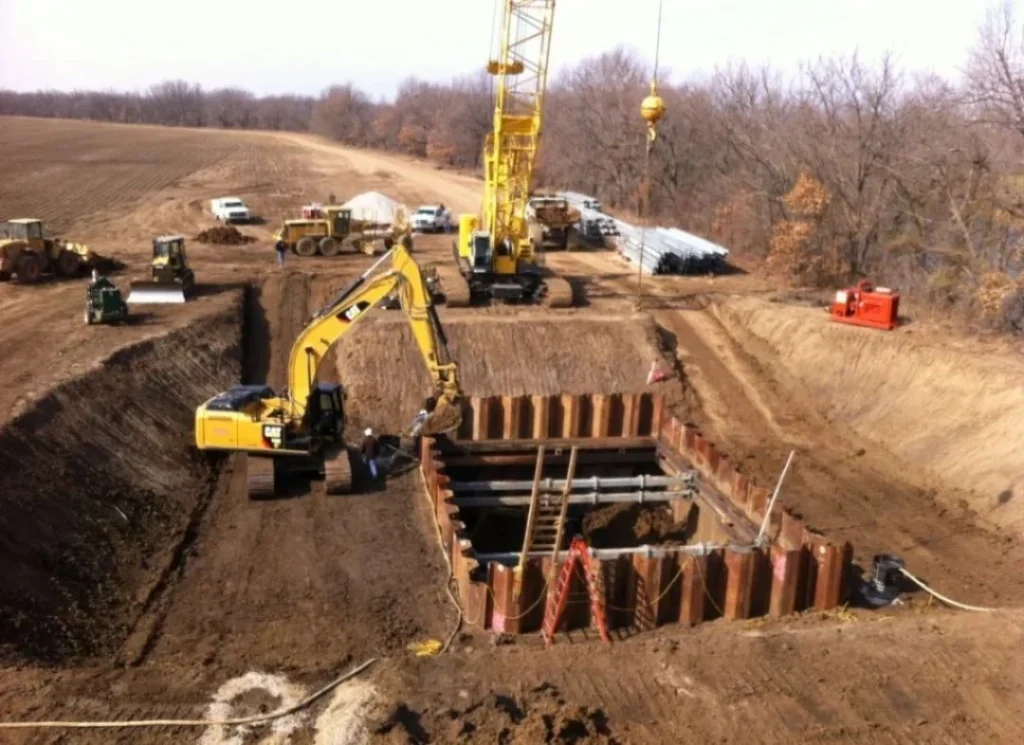
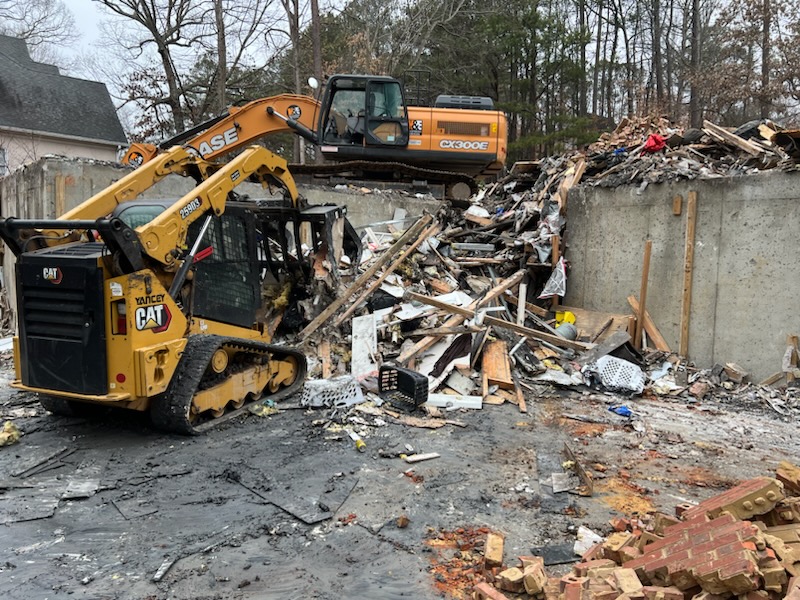
Heavy machinery reshapes the lot to the engineered grade, moving material to correct low spots and establish proper slope away from structures.
Red clay compaction:
This is where most excavation crews cut corners. We compact in controlled lifts, specifically calibrated for Carolina red clay’s density and shrink-swell tendencies, to prevent post-build settling.
Laser-leveling:
Final grading is checked with laser equipment for precision, not eyeballed.
Throughout the process, we hold to Mecklenburg County sedimentation and erosion control standards. That’s not optional paperwork to us. It’s what keeps runoff off your neighbor’s property and keeps your job compliant from day one.
A homeowner near Matthews Park was dealing with water pooling against the foundation after every storm. We regraded the lot, corrected the slope, and installed a French drain system tied into a rear culvert. Standing water near the home is gone, and the yard now sheds runoff away from the structure instead of toward it.
Before a new build broke ground in Crestdale, our crew handled full site assessment, utility clearance, and cut-and-fill grading on a lot with dense red clay and a shallow rock layer. Proper subgrade stabilization and compaction gave the builder a stable, level pad ready for foundation work without settling concerns.
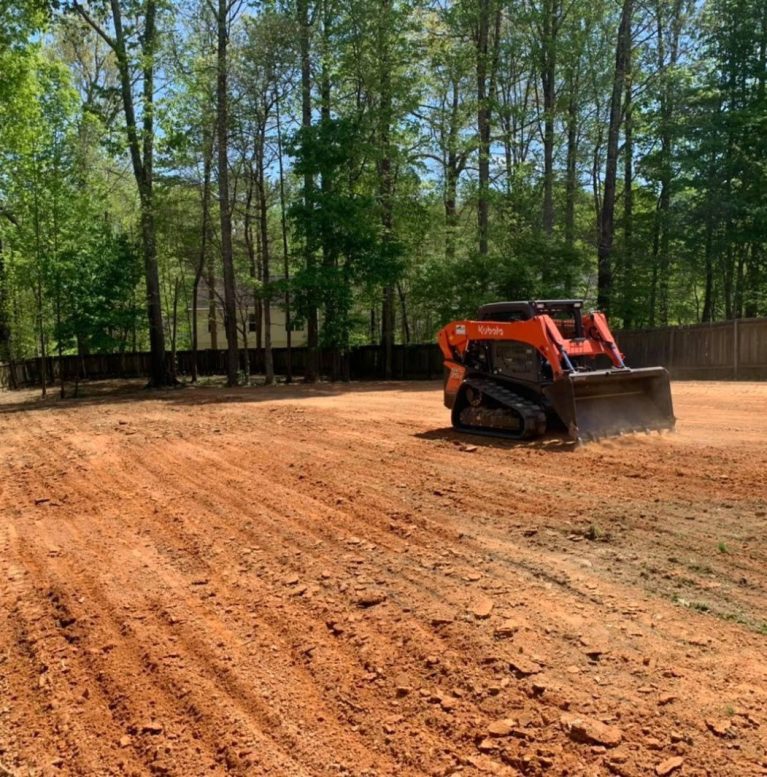
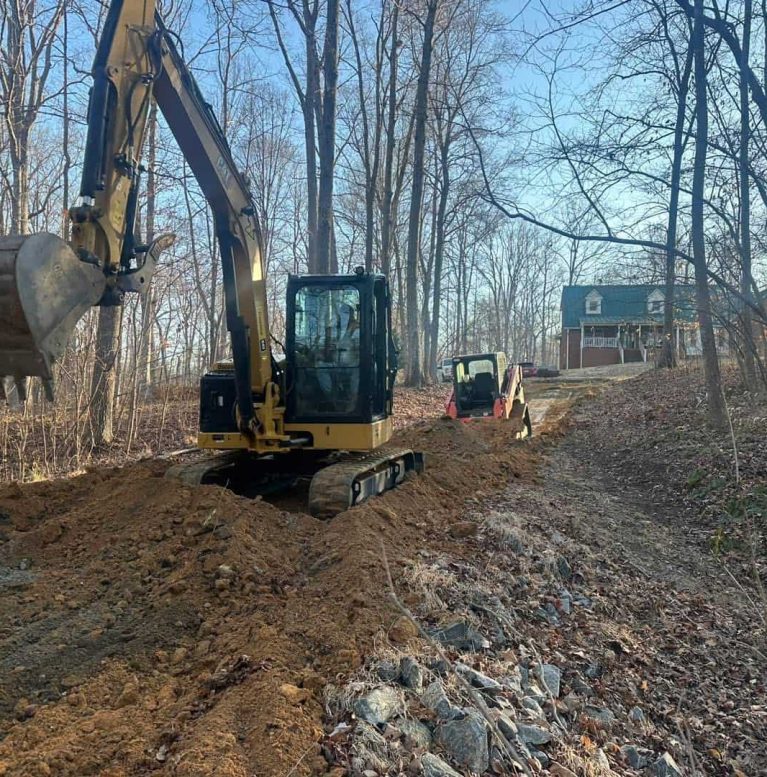
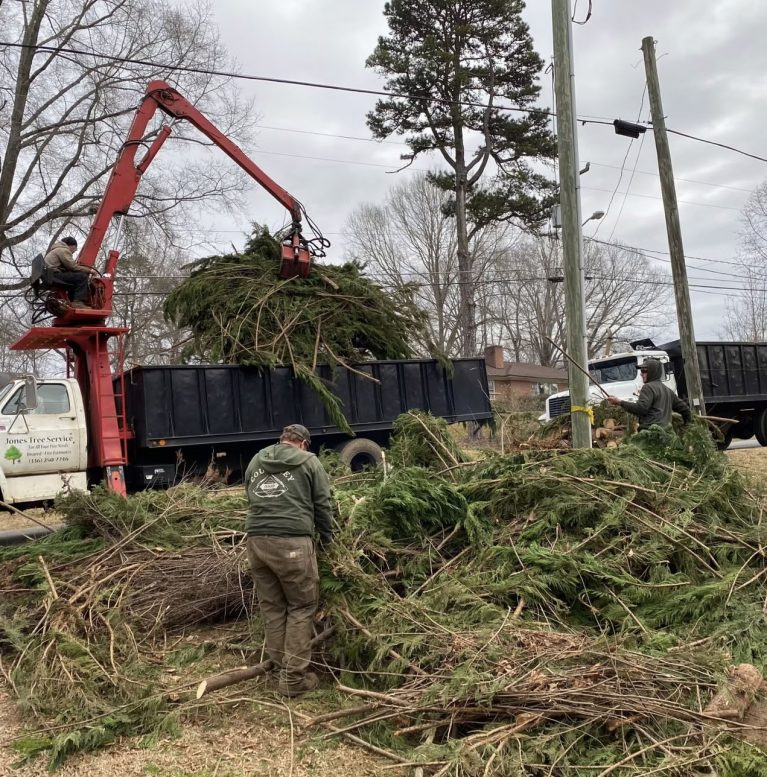
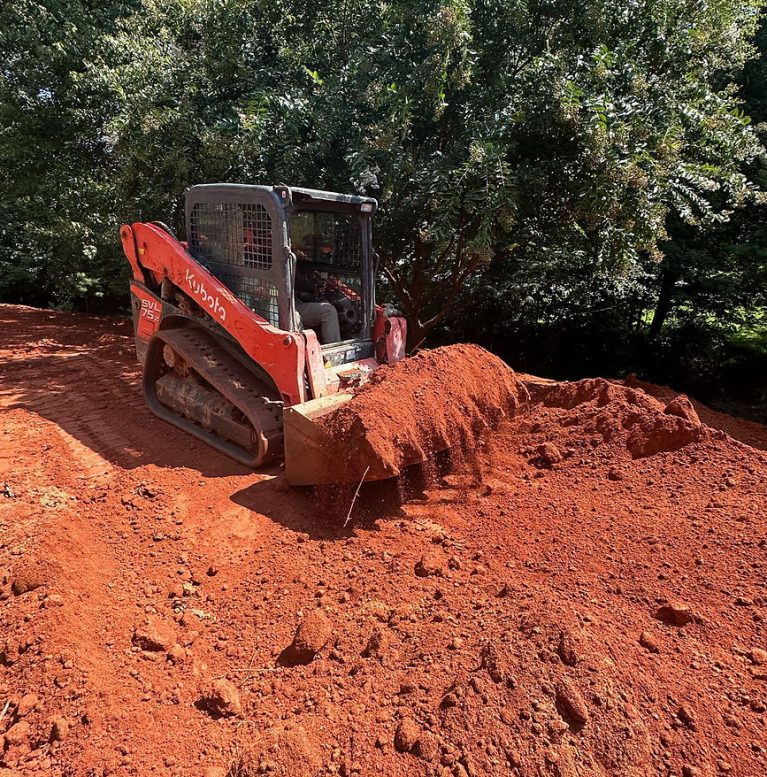
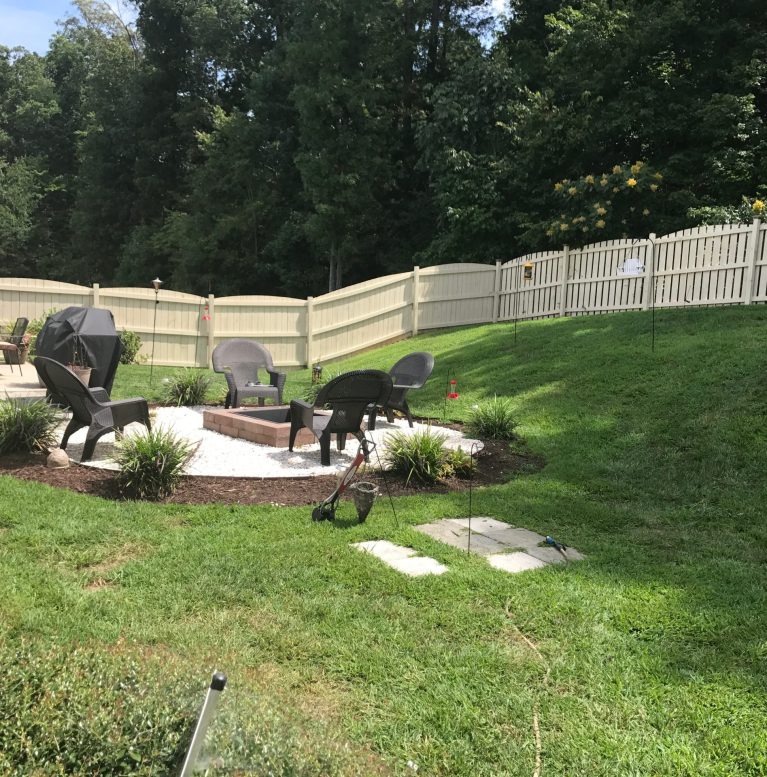
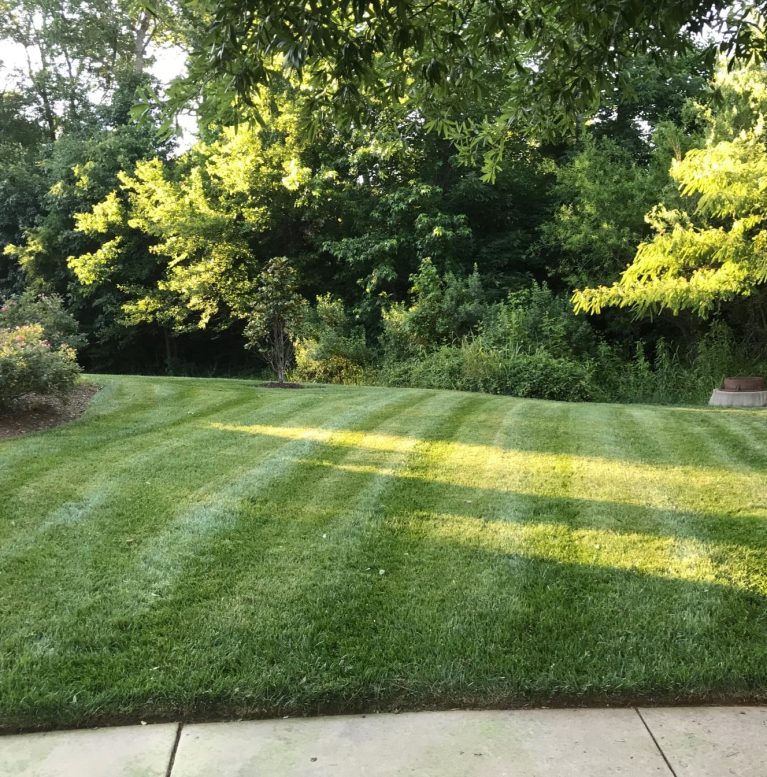
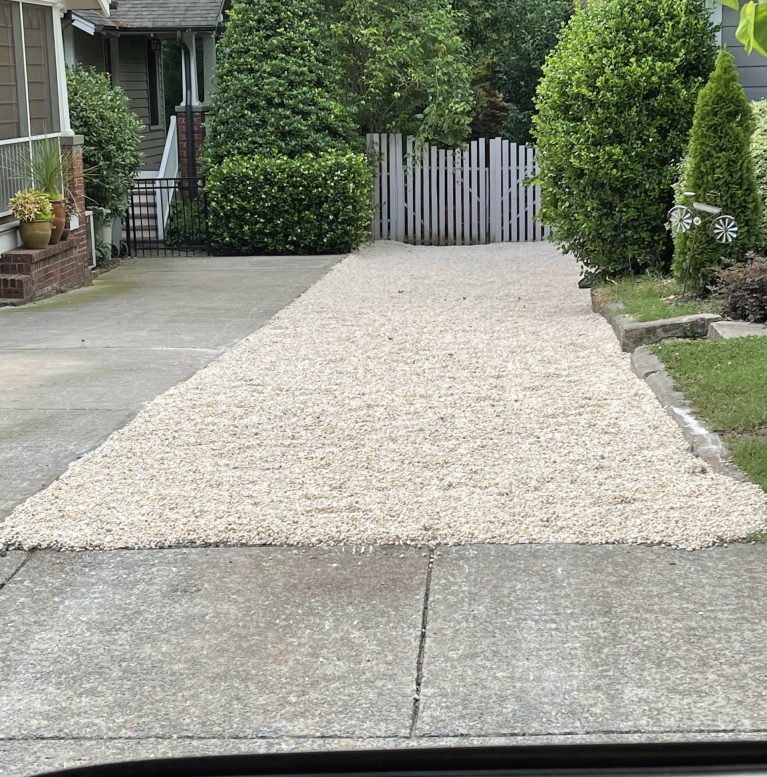
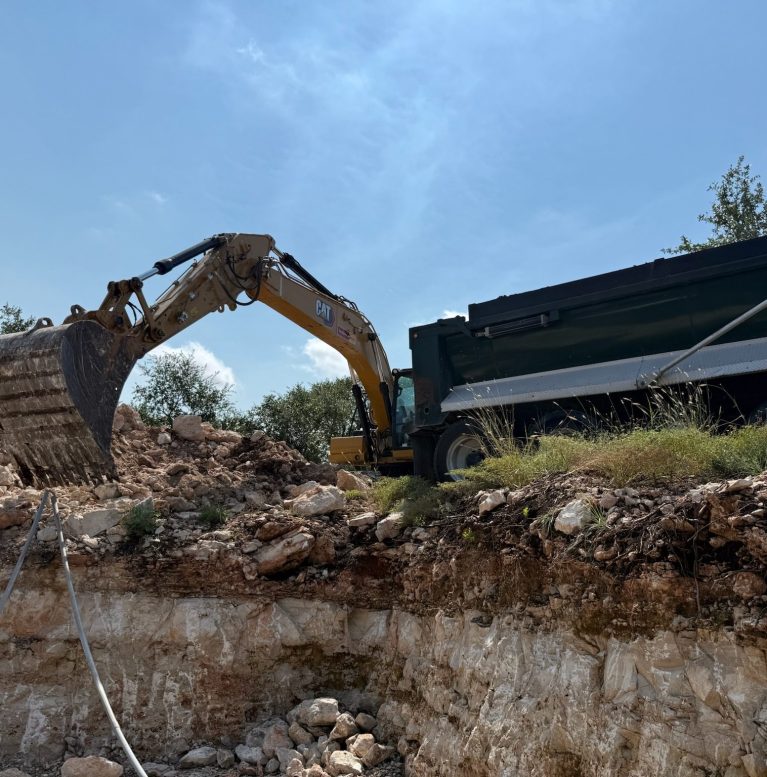
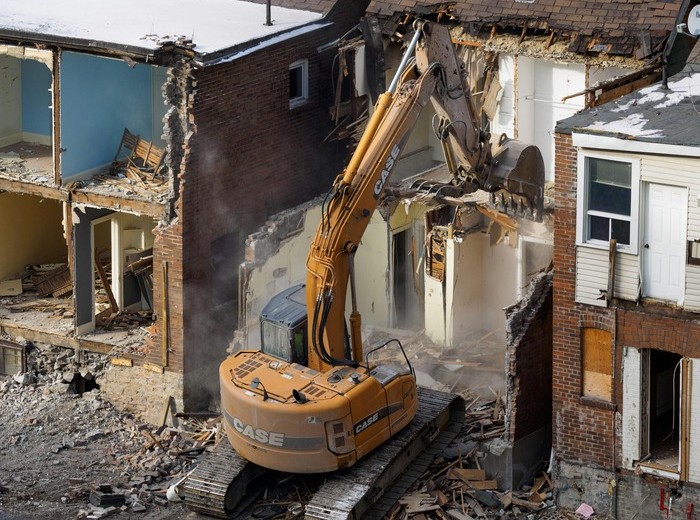
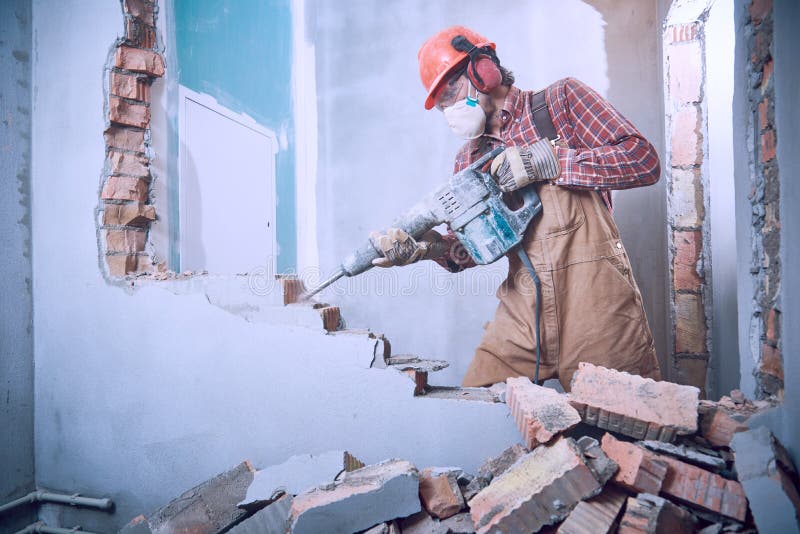
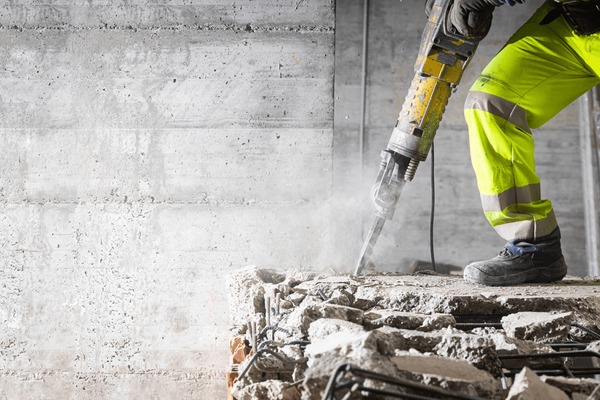
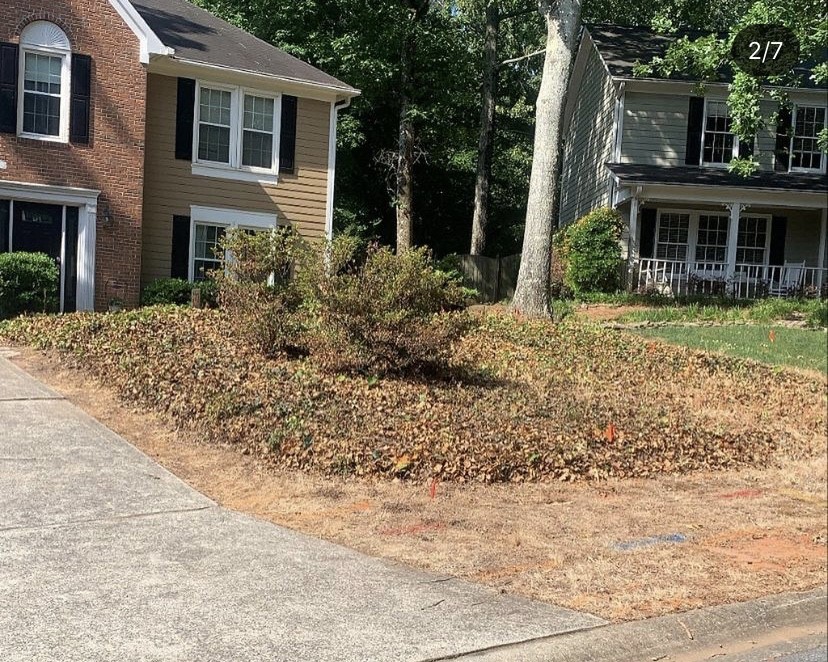
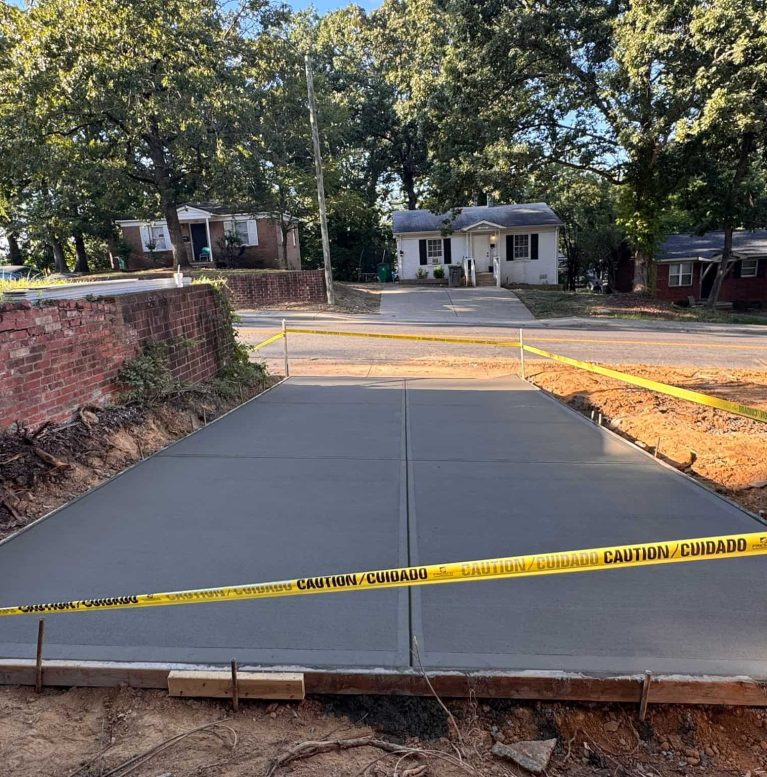
Take a look at some of our latest work. Scroll through the photos below to see our team in action and the results we deliver.
We grade for slope, compact in controlled lifts, and install drainage systems like French drains and culverts to move water away from foundations before clay’s shrink-swell cycle causes shifting.
Most site work requires a grading permit and compliance with Mecklenburg County sedimentation and erosion control standards. We handle permitting and inspections as part of every project.
Cost depends on lot size, soil conditions, and drainage needs. Clay-heavy lots near US-74 or NC-51 often need more compaction work, which we scope during the initial site assessment.
Possibly. Existing grading doesn’t always account for red clay’s low permeability. If water pools near your foundation or driveway, a drainage evaluation is worth doing.
Yes, with added care. We follow stricter erosion control measures near watershed zones to keep runoff and sediment from affecting adjacent properties and waterways.