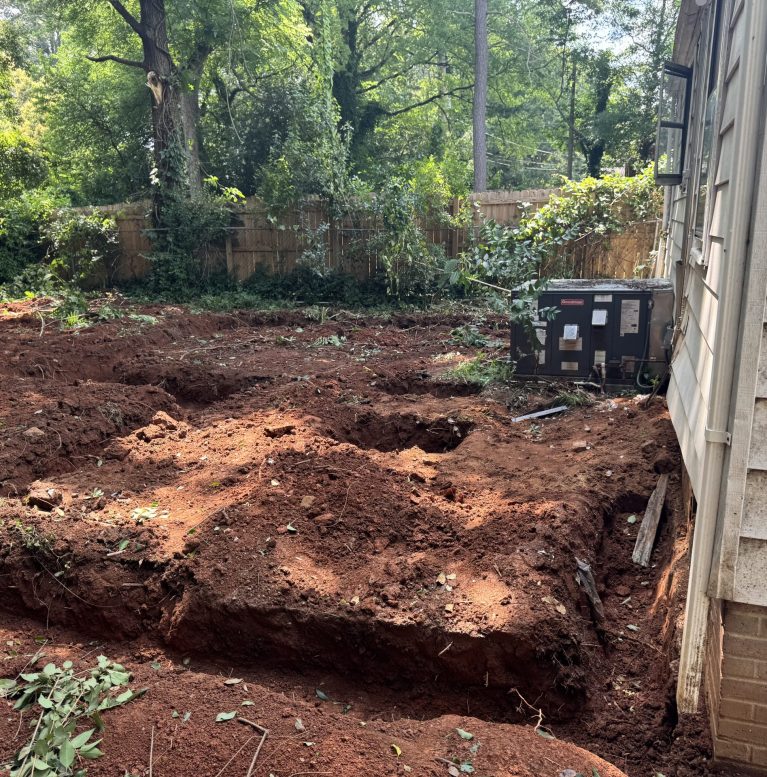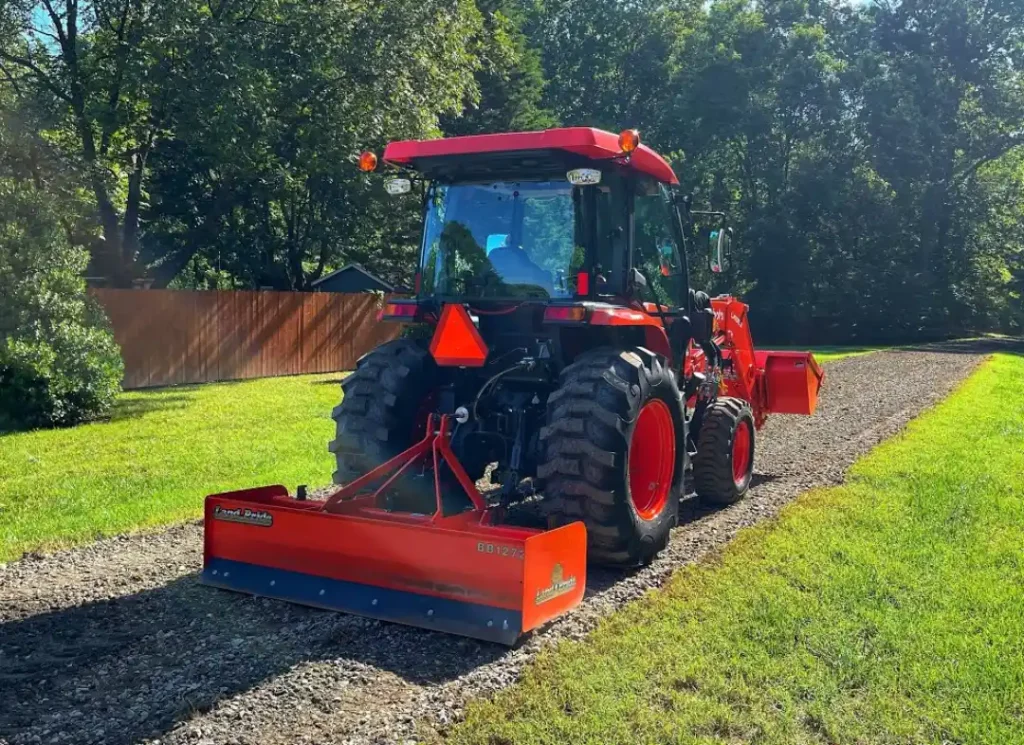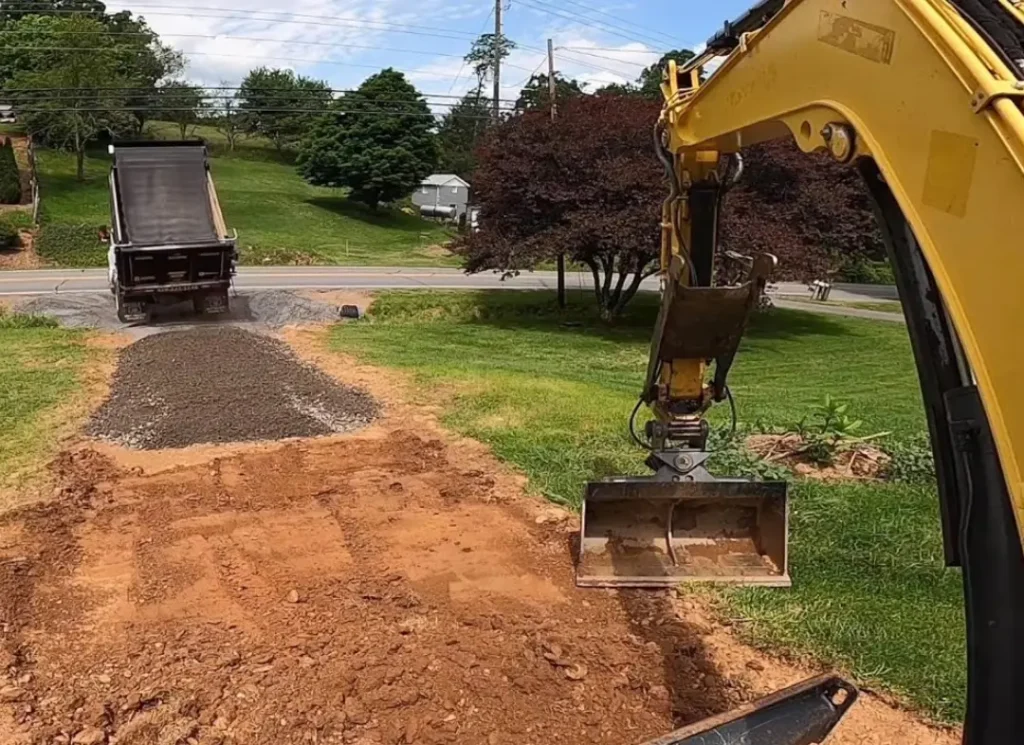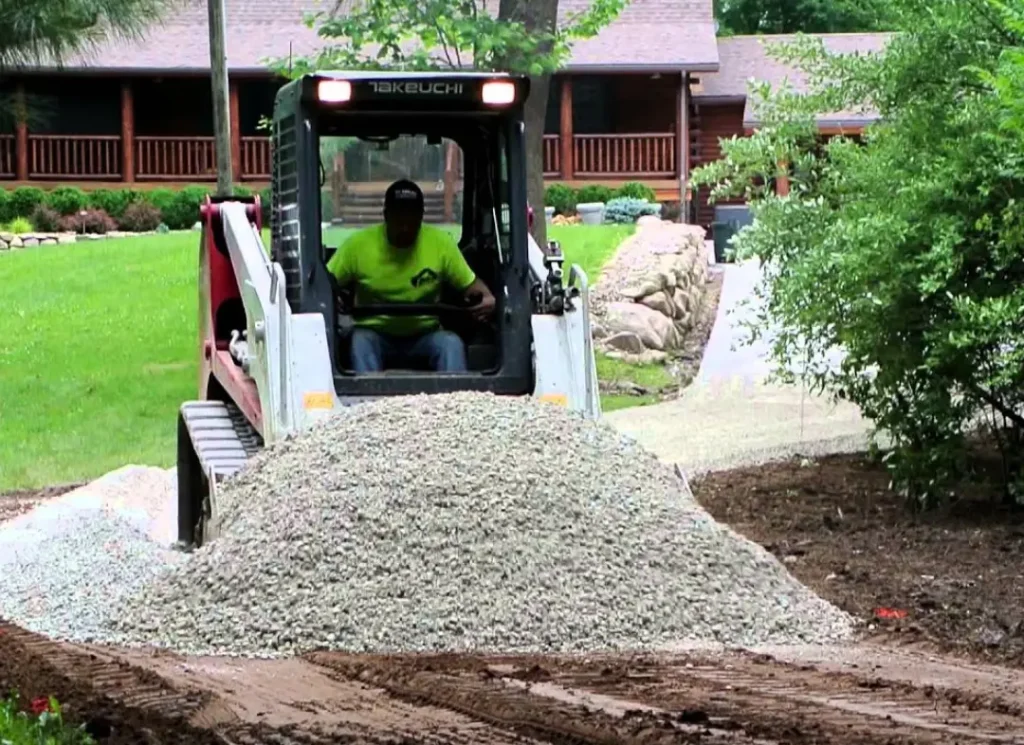
Mint Hill sits on dense Carolina red clay. That clay holds water instead of draining it. Add in roughly 44 inches of rain a year, much of it in hard summer downpours, and you’ve got a recipe for trouble. Dump loose gravel straight onto soft clay subsoil and it won’t stay put. It sinks. It shifts. It turns into ruts and standing puddles after the first real storm.
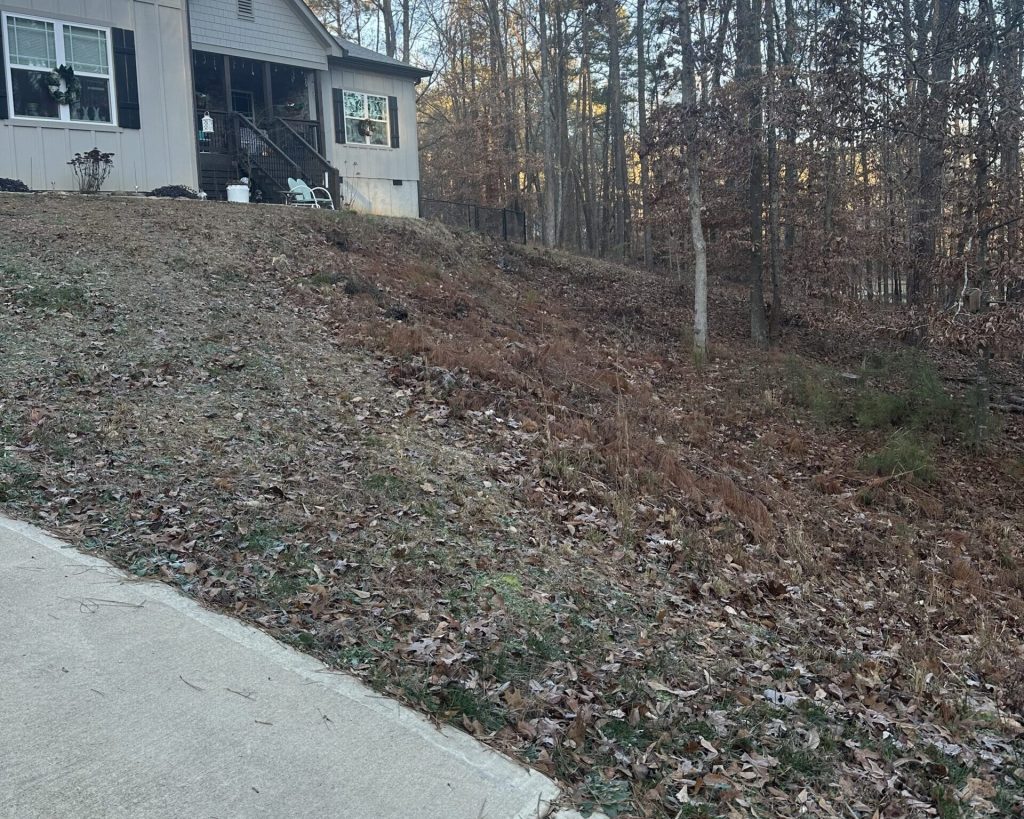
This is especially true on the sloped and larger acreage lots common around Lawyers Road and the Matthews-Mint Hill Rd corridor. Water moves fast downhill, and it takes unstable gravel with it. A driveway that looks fine in October can be a muddy mess by January.
Here’s what that means for you: a simple top-dressing of stone is not a driveway. It’s a temporary patch. Without proper excavation, a compacted base, and real drainage planning underneath, you’ll be re-graveling every year and fighting the same washouts every summer. A driveway built for Mecklenburg County clay has to be engineered for it, not just poured on top of it.
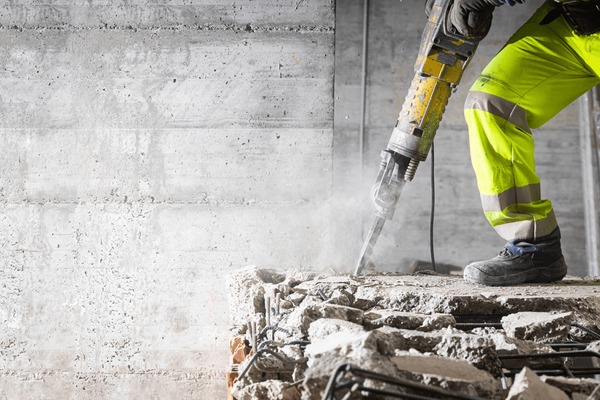
From residential projects to commercial developments, we provide end-to-end solutions for every stage of construction.
We don’t skip steps, because skipped steps are exactly what fails first in eastern Mecklenburg County clay. Every driveway we install or repair follows the same four-stage process.
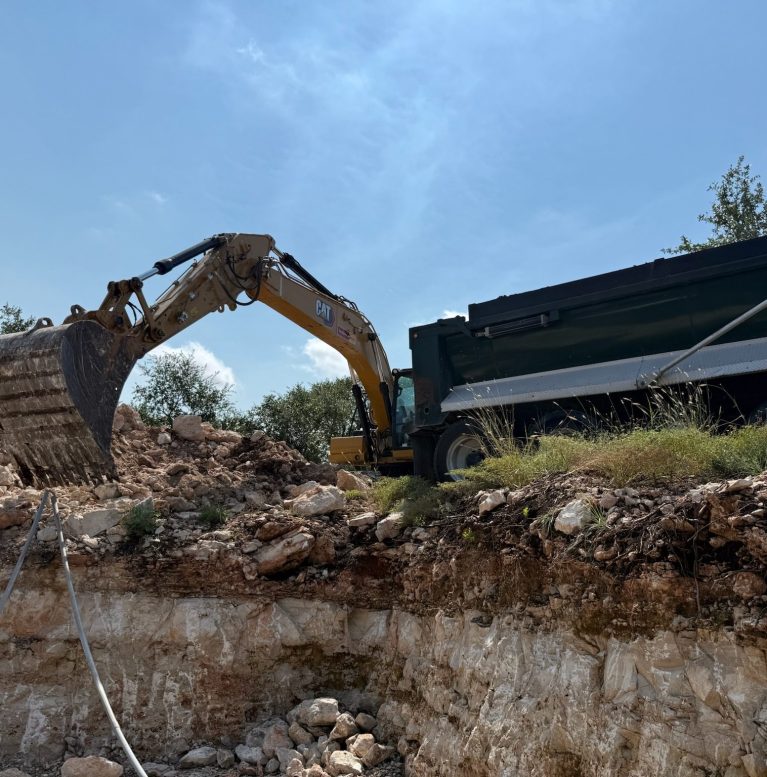
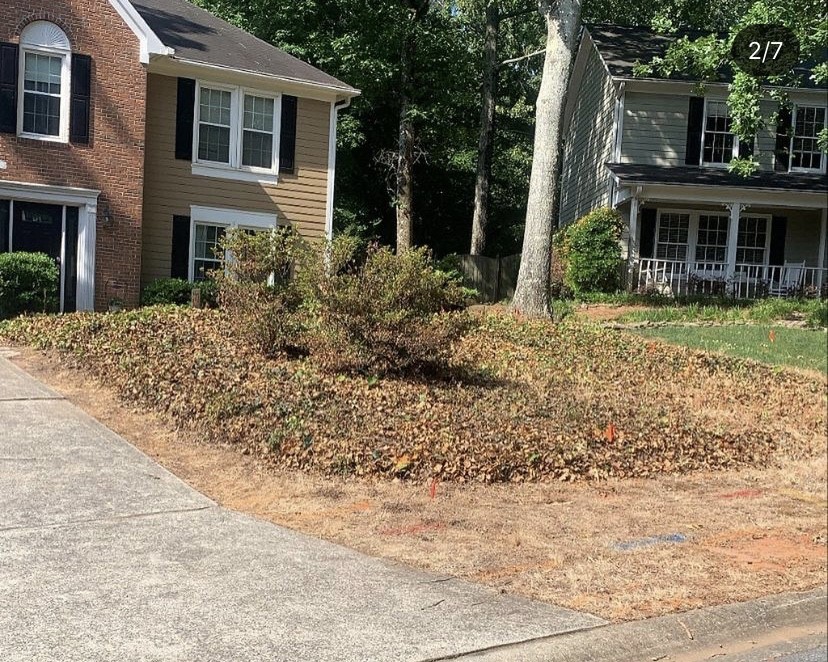
First, excavation and subgrade prep. We scrape away soft, saturated clay and shape a proper crown so water sheds off the surface instead of pooling in the middle.
Second, geotextile underlayment. Commercial-grade fabric goes down before any stone does. This is what keeps your gravel from slowly sinking into the clay beneath it over time.
Third, a compacted base layer. We install and pack #610 limestone or ABC stone. This dense foundation is what actually carries the weight of your vehicles and resists rutting.
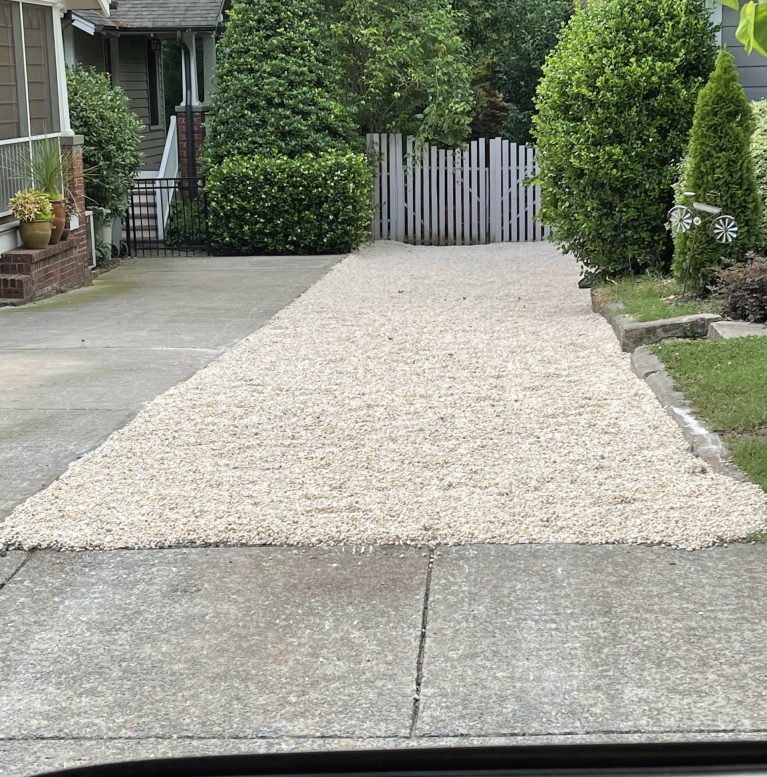
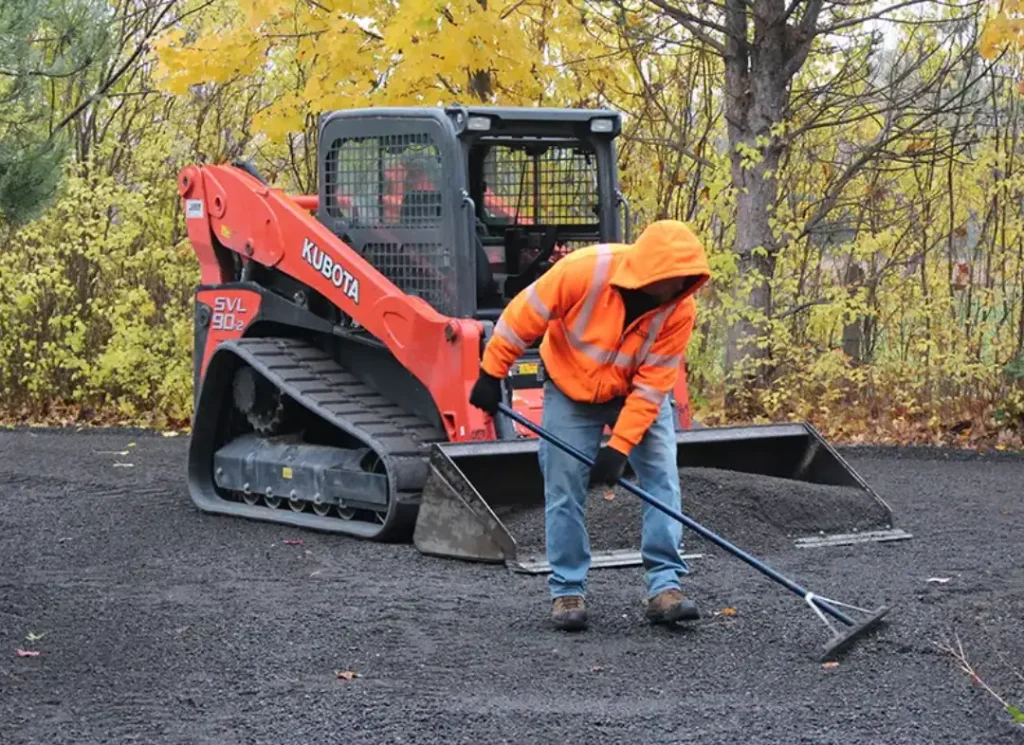
Fourth, surface dressing. Clean #57 gravel or washed stone goes on top for traction, drainage, and curb appeal.
What’s in it for you: a driveway that handles heavy loads, sheds stormwater instead of trapping it, and doesn’t need to be redone every rainy season. This is the difference between a driveway that lasts and one that washes away.
A homeowner off Lawyers Road came to us with washboard ruts and gravel migration after repeated summer storms. We regraded the surface, rebuilt the crown, and added edge retention to hold the base in place. No more standing water, no more ruts after heavy rain.
A property near Stevens Creek needed a full driveway install on a sloped lot with heavy clay subsoil. We excavated to grade, laid geotextile fabric and a compacted ABC stone base, then finished with #57 crushed stone for drainage and traction on the incline.
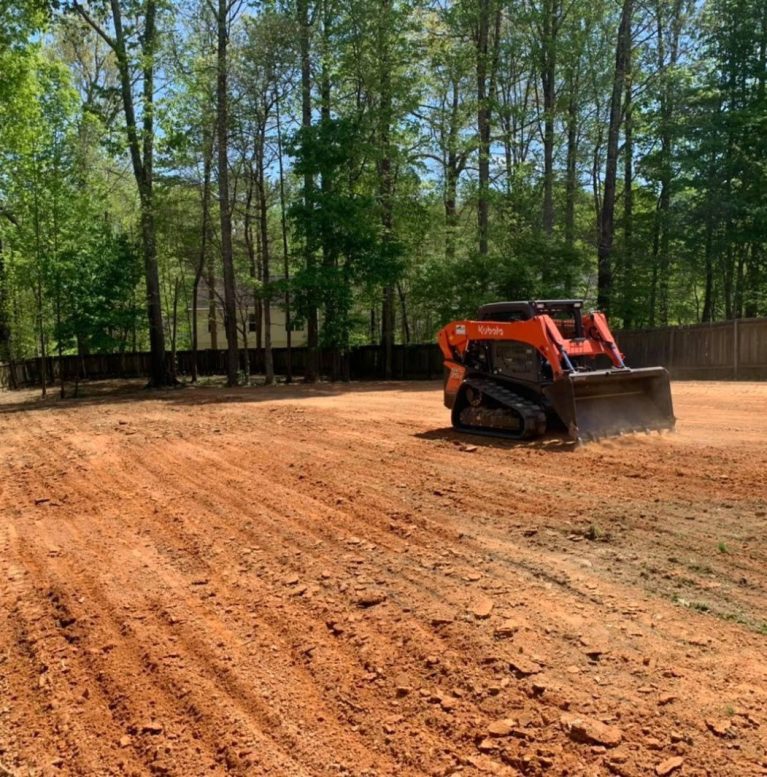
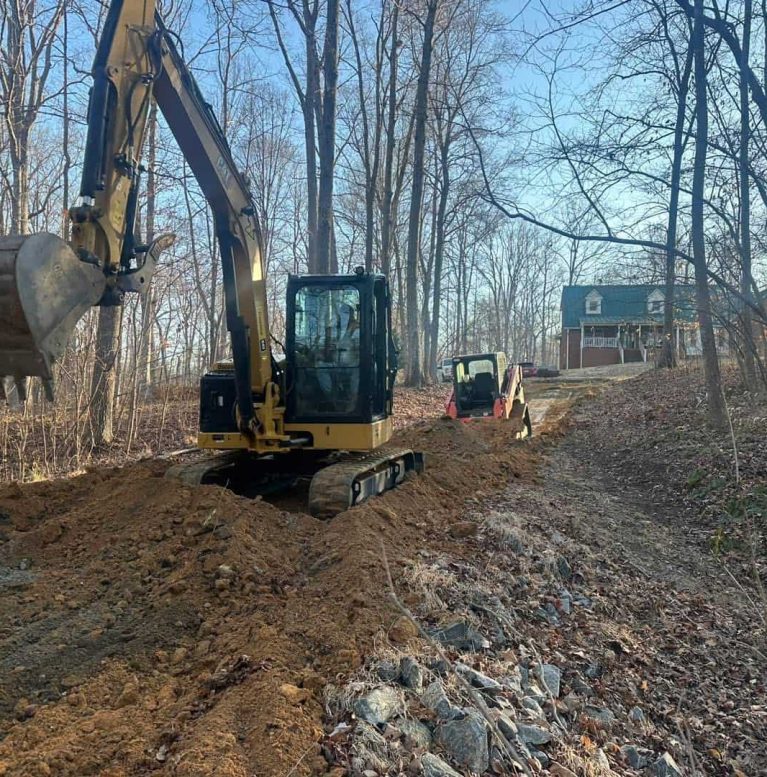
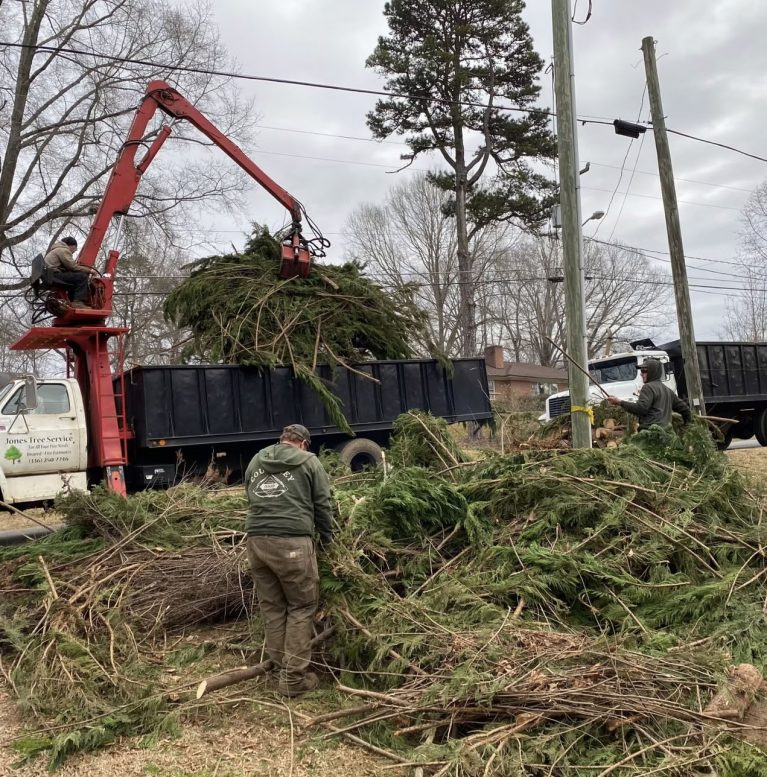
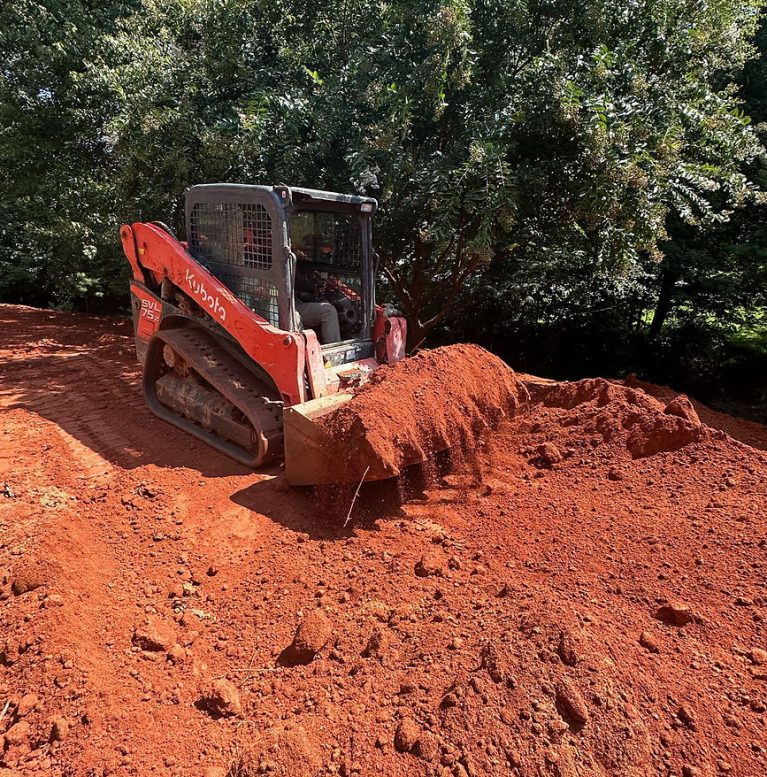
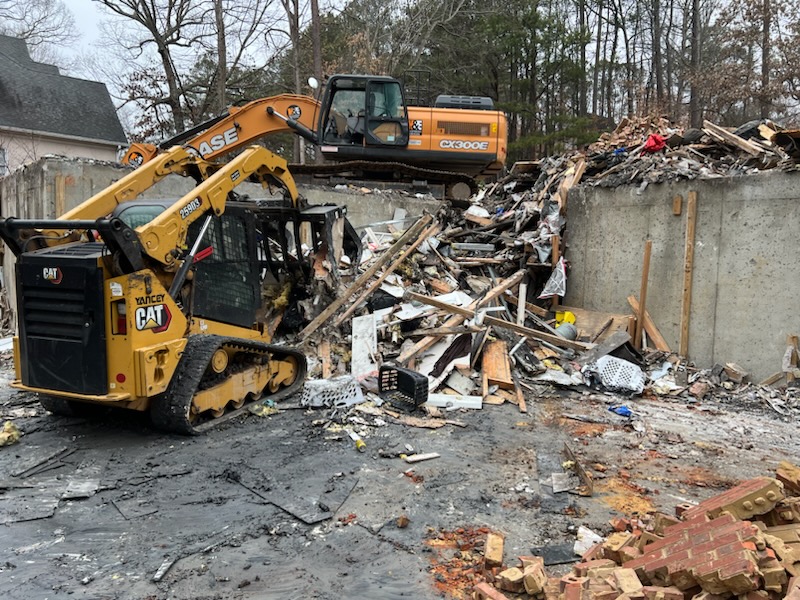
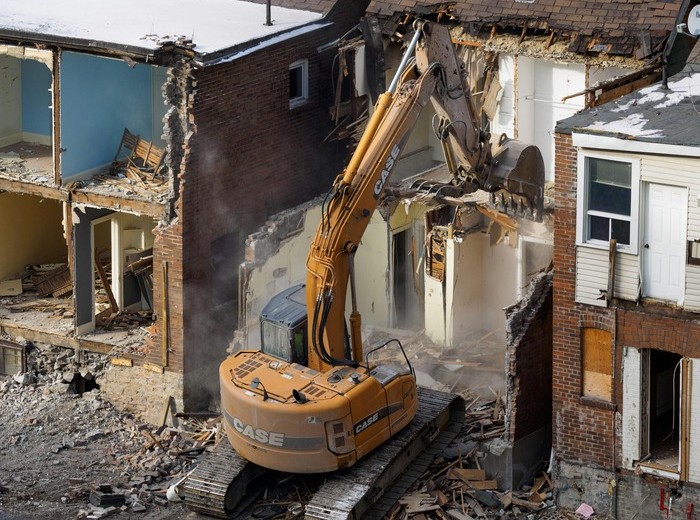
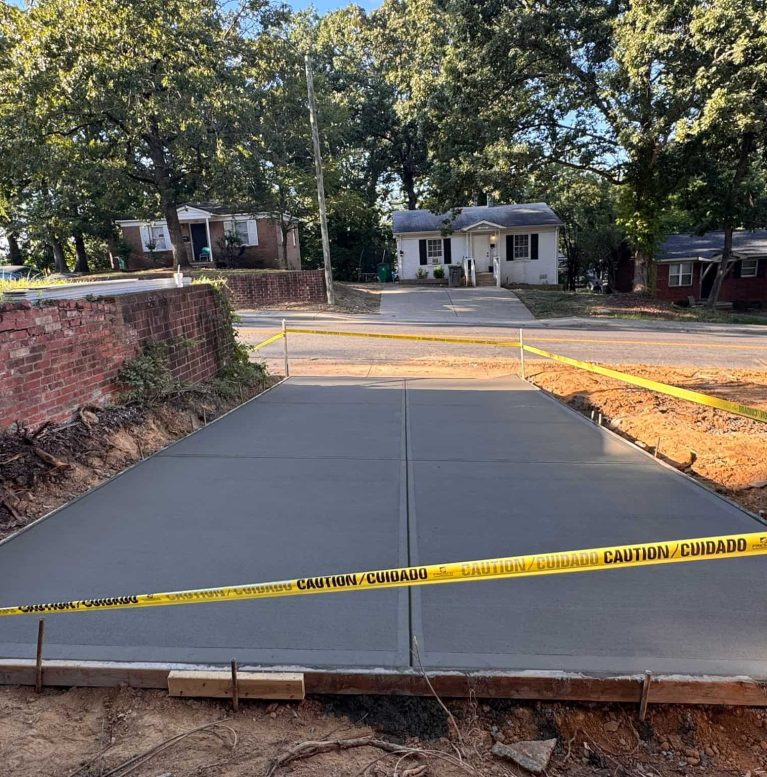
Take a look at some of our latest work. Scroll through the photos below to see our team in action and the results we deliver.
Proper grading, geotextile fabric, and a compacted #610 or ABC stone base stop washouts. Without that structure underneath, surface gravel has nothing holding it in place during heavy runoff.
Most Mint Hill driveways need a compacted #610 limestone or ABC stone base, then a #57 crushed stone or washed stone surface layer for drainage and traction.
Cost depends on driveway length, slope, and current condition. Regrading an existing driveway typically costs less than a full new installation with excavation and fresh base material.
Sloped lots near the I-485 corridor often need swale or culvert integration alongside a permeable base to manage runoff and prevent erosion down the driveway.
Often yes. Regrading, adding fabric under high-wear areas, and topping with fresh #57 stone can restore many driveways without a complete rebuild, depending on how far the base has degraded.