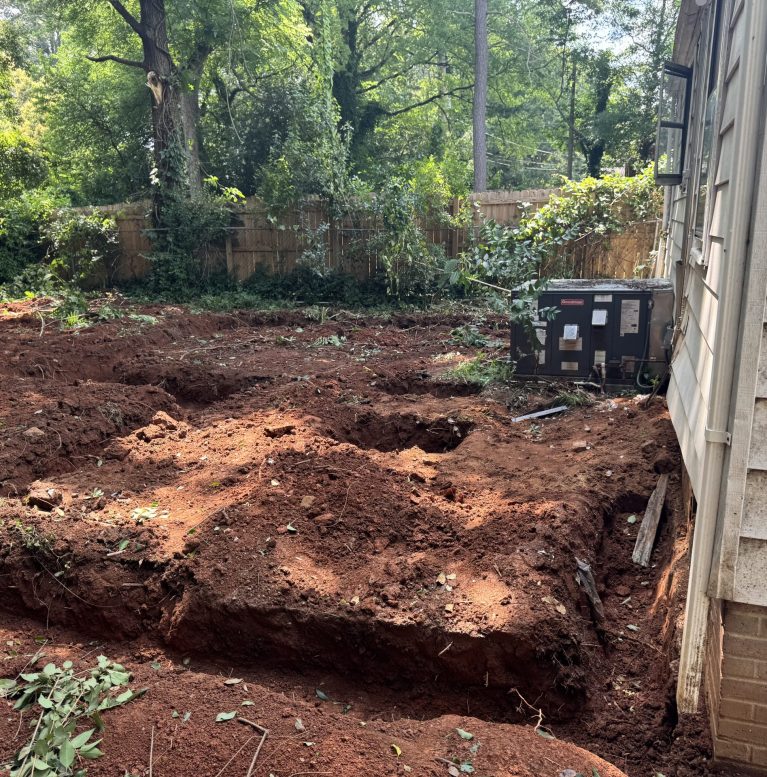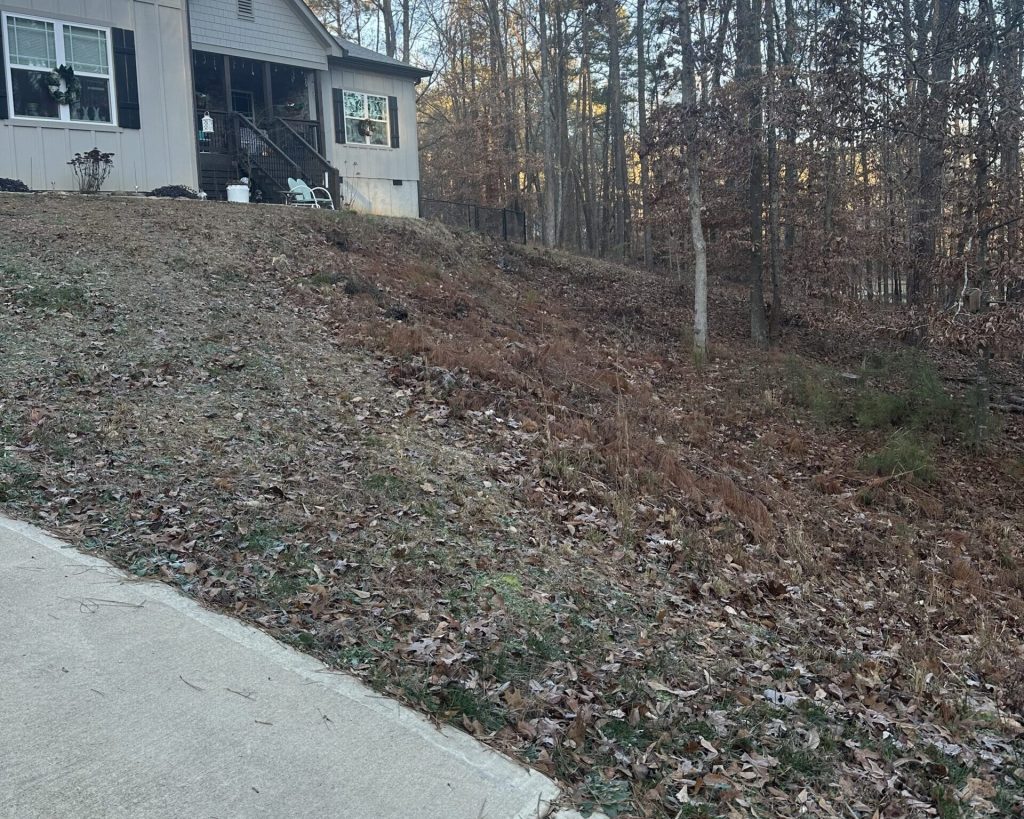
If your lawn looks tired every August, it’s not your fault. It’s the ground under it. Piedmont red clay dominates soil here, and it’s dense by nature. Fine clay particles pack together tightly, leaving almost no room for air or water to move. Add in the humidity that rolls off Lake Norman all summer, and you get a surface that stays soggy on top while starving roots just a few inches down.
Tall Fescue needs oxygen at the root zone to grow deep and stay green through heat stress. Compacted clay won’t allow it. Instead, roots stay shallow, grass thins out, and standing water pools in low spots — a problem we see constantly in yards along the I-77 corridor and in established neighborhoods like Birkdale Village and Vermillion, where original builder-grade soil was never amended.
This isn’t a watering problem or a fertilizer problem. It’s a structural soil problem. Piedmont clay soil compaction relief starts with physically opening up that ground, which is exactly what core aeration is built to do.
From residential projects to commercial developments, we provide end-to-end solutions for every stage of construction.
We don’t run a one-size-fits-all aeration pass. Huntersville clay needs a specific process, and we follow it every time.
Step 1: Soil Moisture Check:
Clay pulls plugs cleanest at the right moisture level. Too dry and the tines can’t penetrate. Too wet and you get smearing instead of clean extraction. We test before we ever start the machine.
Step 2: Mechanical Core Extraction:
We use hollow-tine core aerators to physically pull plugs of soil from the lawn, not spike it. This is core aeration vs liquid aeration NC homeowners often ask about — mechanical coring creates real channels for air, water, and roots. Liquid products don’t move dense clay the way steel tines do.
Step 3: High-Traffic Overseeding:
We overseed immediately after aeration using Turf-Type Tall Fescue bred for North Carolina transition-zone conditions. Seed drops directly into the aeration holes, where it makes real soil contact instead of sitting on compacted surface.
Step 4: Starter Fertilizer & Lime:
Piedmont clay runs acidic. We apply lime to correct soil pH and a starter fertilizer to fuel early root development, giving new seed the best possible start.
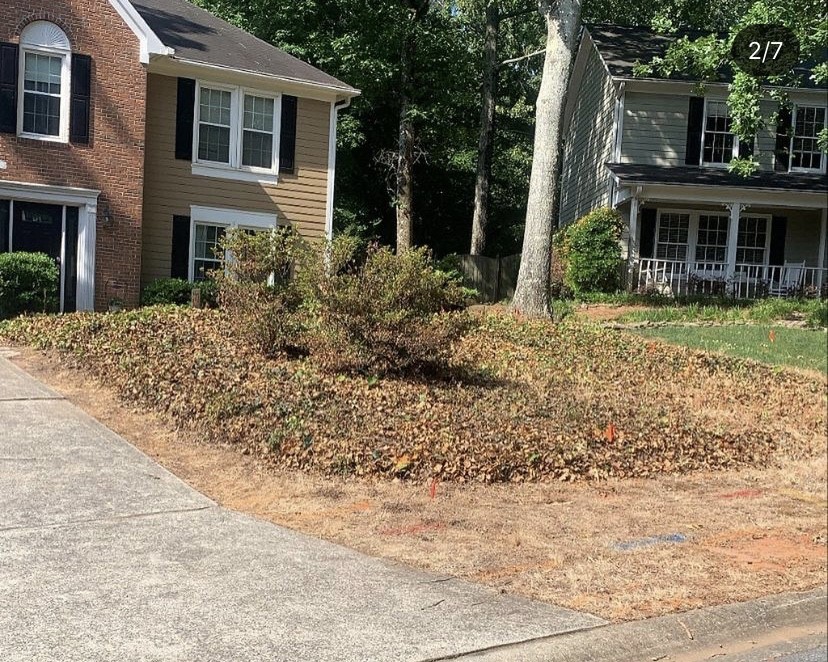
A Vermillion homeowner near NC-115 came to us with a thin, patchy fescue lawn and standing water after every storm. We ran core aeration, overseeded with Tall Fescue, and applied lime to correct pH. Six weeks later, the lawn had filled in with thick, even coverage and no more pooling.
This Birkdale Village property had classic red clay compaction — hard, cracked soil and bare patches under trees. A full aeration and overseeding treatment, timed for the fall seeding window, took root fast in the still-warm soil. By late October, the lawn had recovered its color and density heading into winter.
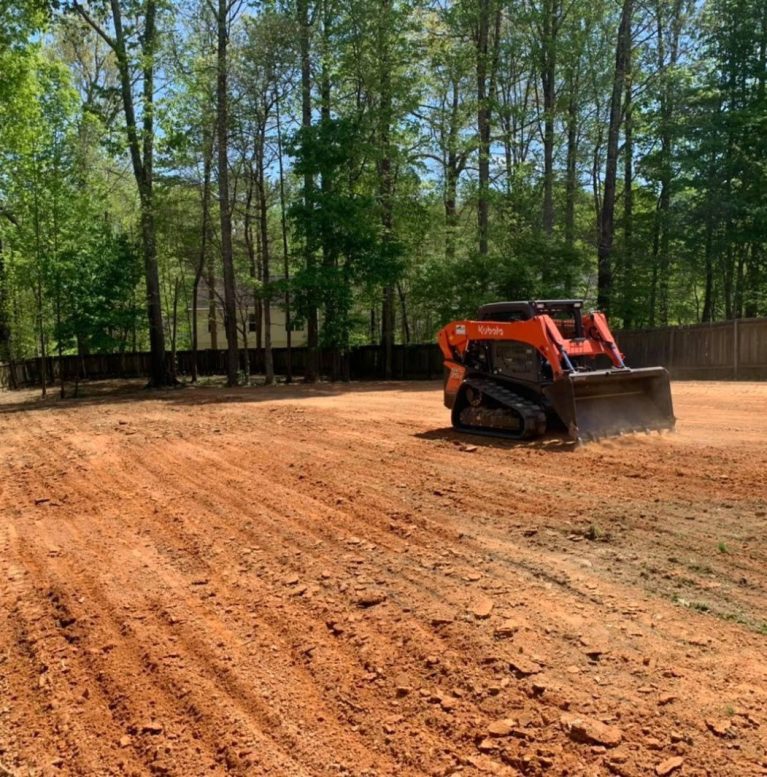
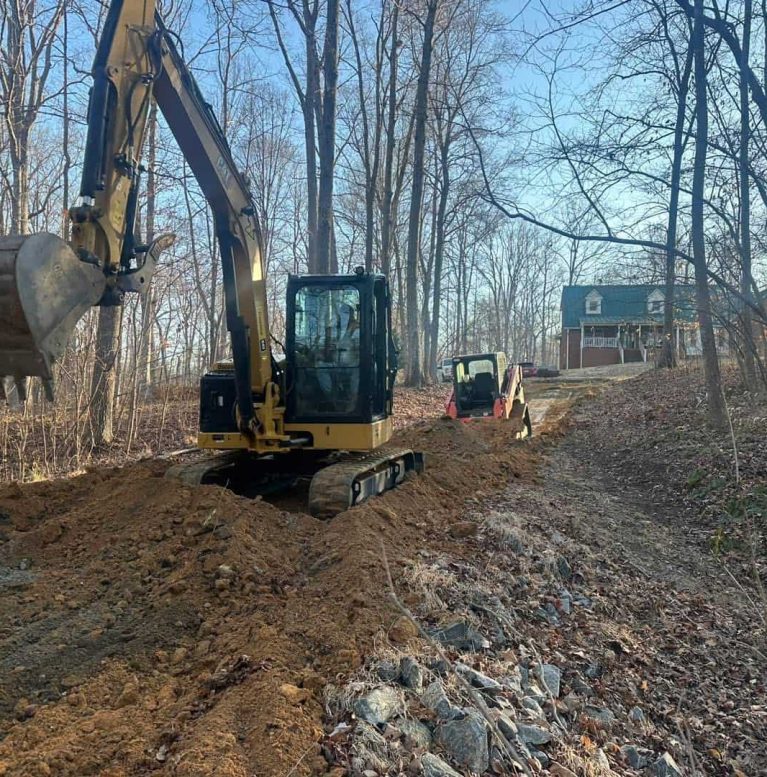
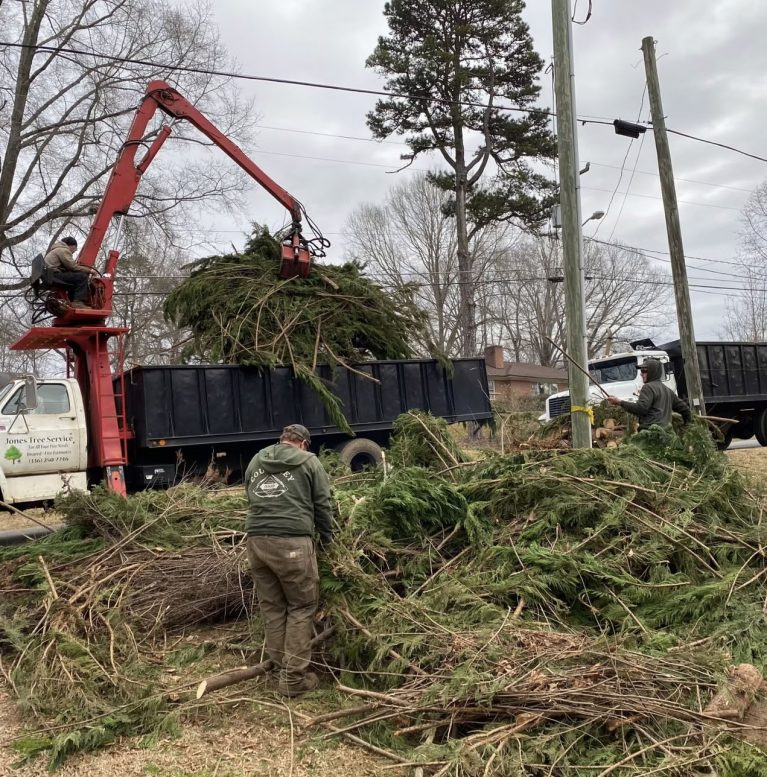
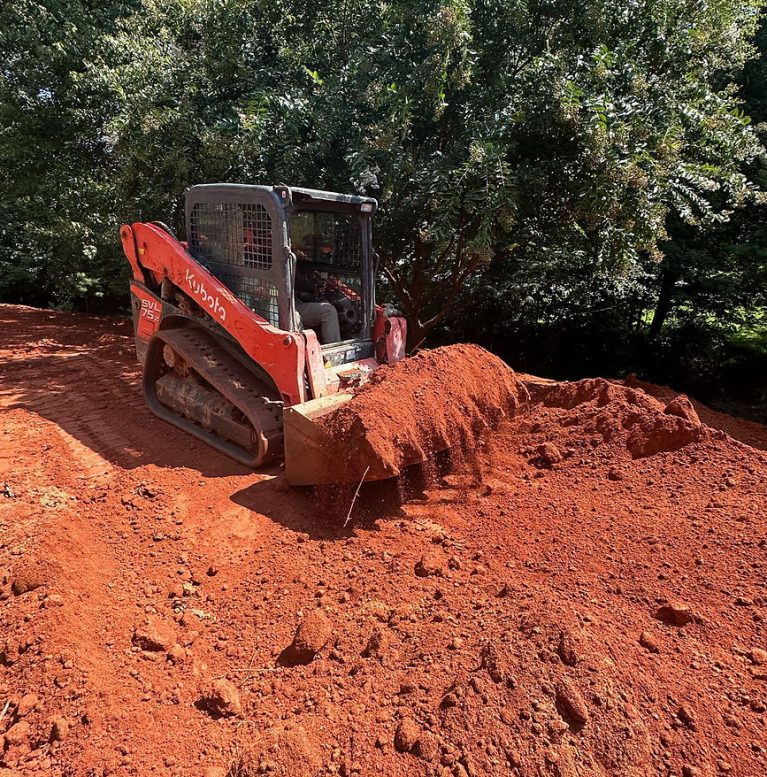
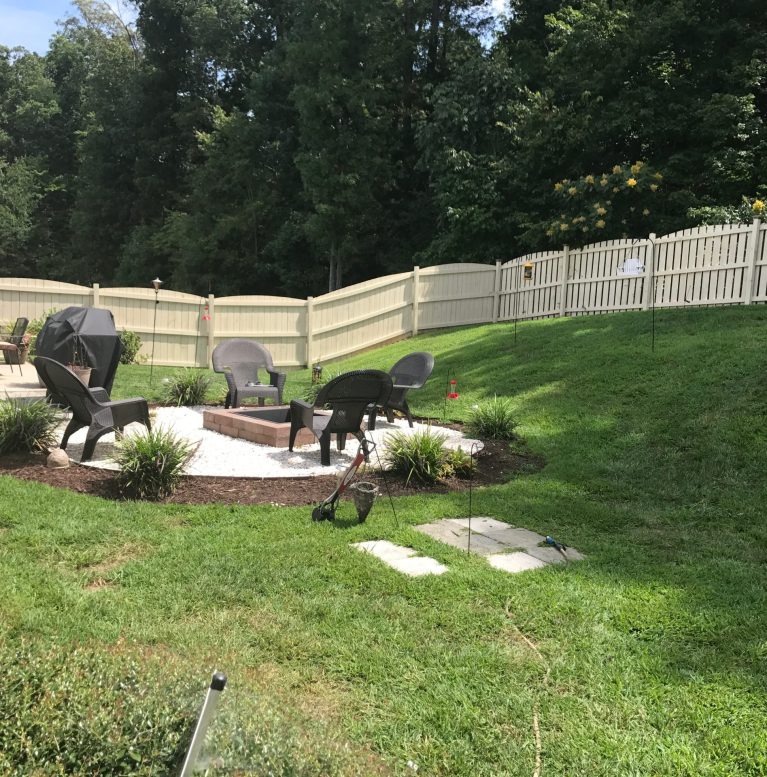
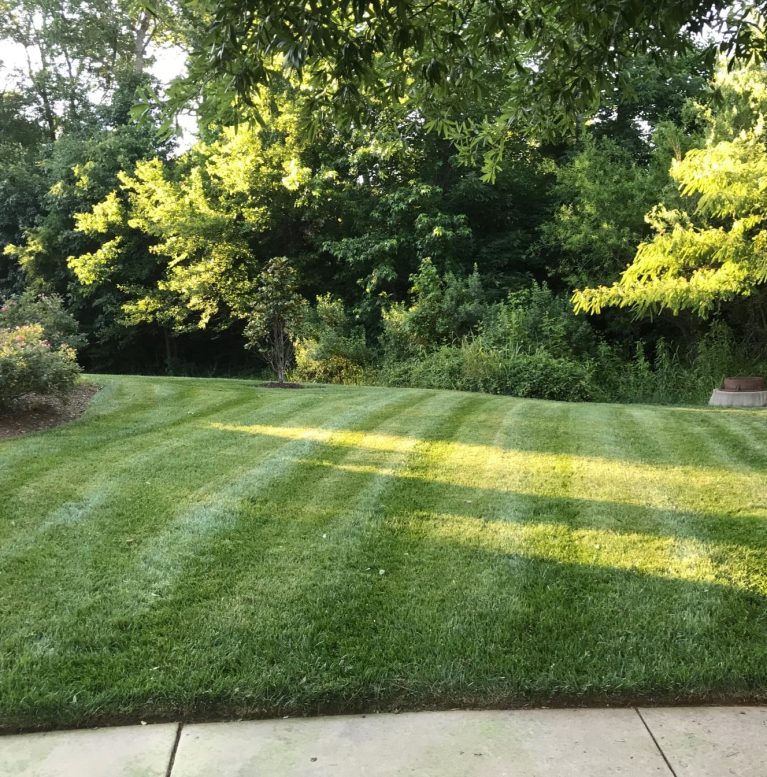
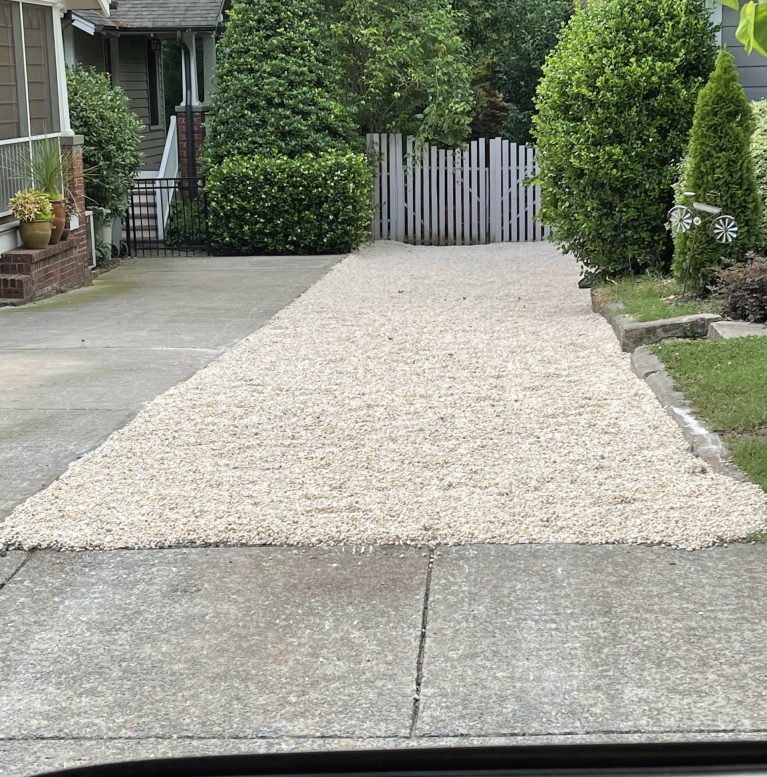
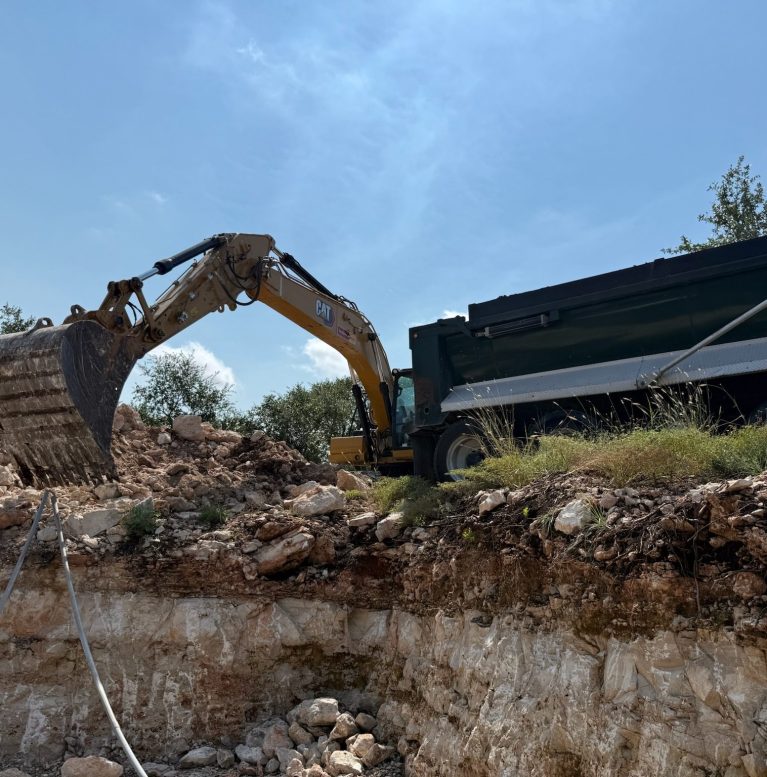
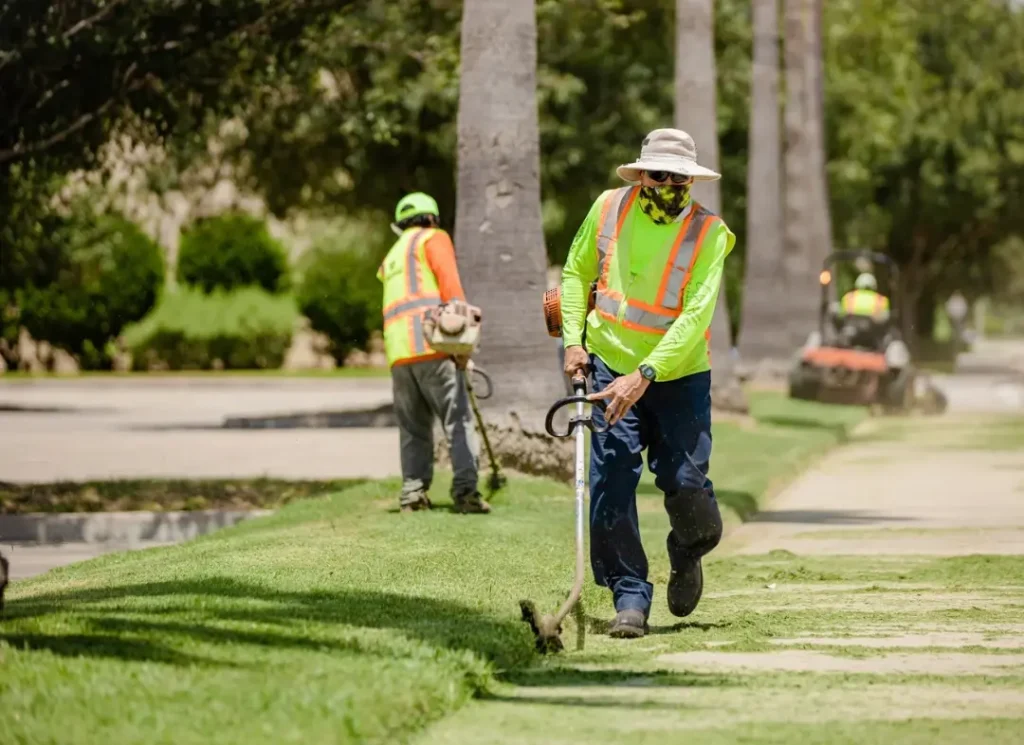
Take a look at some of our latest work. Scroll through the photos below to see our team in action and the results we deliver.
Late summer through mid-October is best. Soil is still warm, which speeds germination, and cooler fall temperatures ahead give young grass time to establish before winter.
Core aeration is the key. Pulling plugs creates open channels where seed can reach soil directly, instead of sitting on a compacted surface it can’t penetrate.
Give it 24 hours minimum. Longer if the ground is still soft from watering. This lets soil plugs break down and newly seeded areas start settling undisturbed.
For severe, long-neglected clay, yes. A thin compost topdressing layer after aeration adds organic matter that improves soil structure over time, beyond what aeration alone achieves.
No single treatment fully resolves clay compaction. Most Lake Norman lawns need annual fall aeration to maintain healthy root depth and prevent compaction from returning.