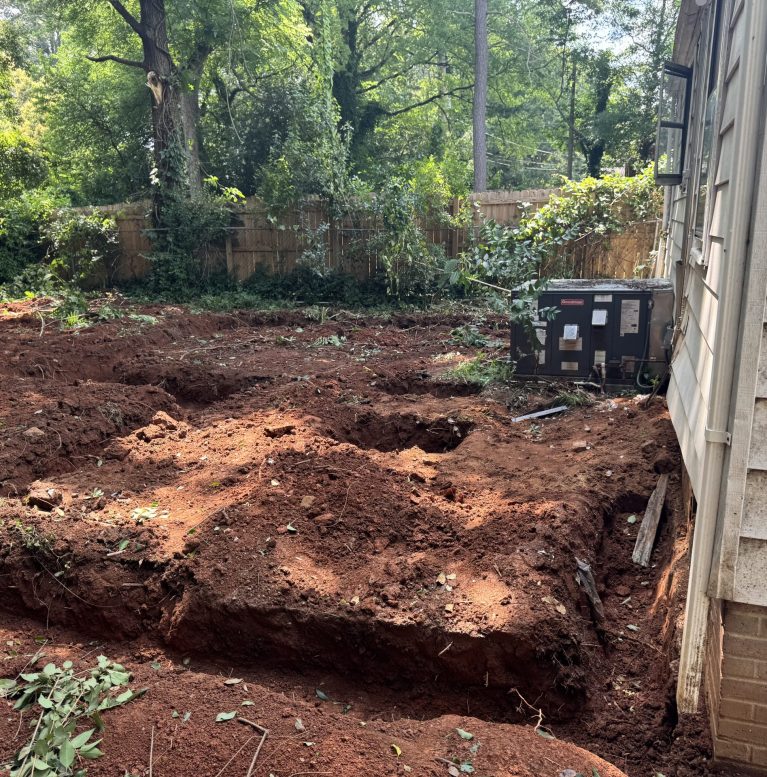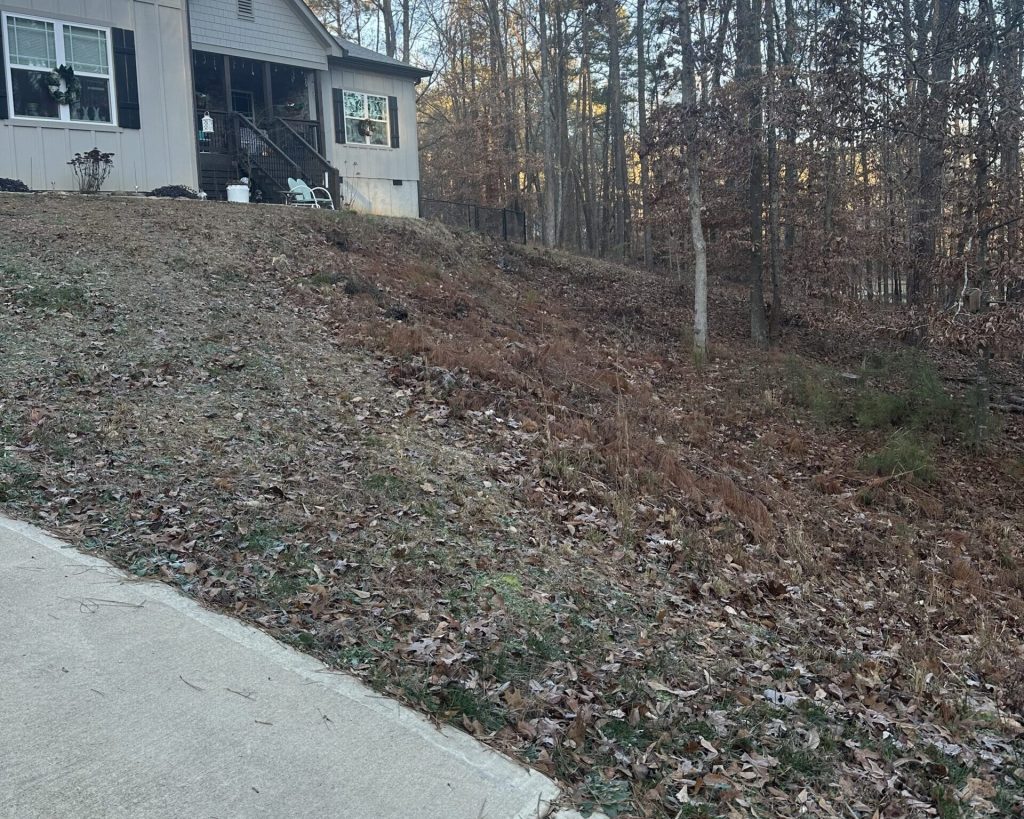
You’ve seen it. After a heavy rain, water pools in the low corner of the lot. The ground stays soft for days. That isn’t just a nuisance — it’s a warning sign.
Dirt work in Charlotte isn’t the same as moving earth in other parts of the country. The Piedmont’s heavy red clay has high plasticity and poor natural drainage. When it gets saturated, it shifts. When it dries out, it contracts. Without proper grading from the start, the next round of North Carolina thunderstorms won’t just muddy your construction site — they’ll compromise the structural foundation of whatever you’re building on top of it.
At L & G Landscaping, we’ve spent years working in Mecklenburg County’s specific conditions. We understand how the clay behaves across different neighborhoods, different lot grades, and different seasons. That local knowledge is what separates a site that holds up over time from one that causes expensive problems down the road. When you hire us, you’re not getting a crew that just runs equipment. You’re getting people who know this ground.
From residential projects to commercial developments, we provide end-to-end solutions for every stage of construction.
Every project starts with a real site assessment — not a glance from the driveway. We evaluate the existing slope, measure soil moisture levels, and identify where water currently moves across the lot. That information drives every decision that follows.
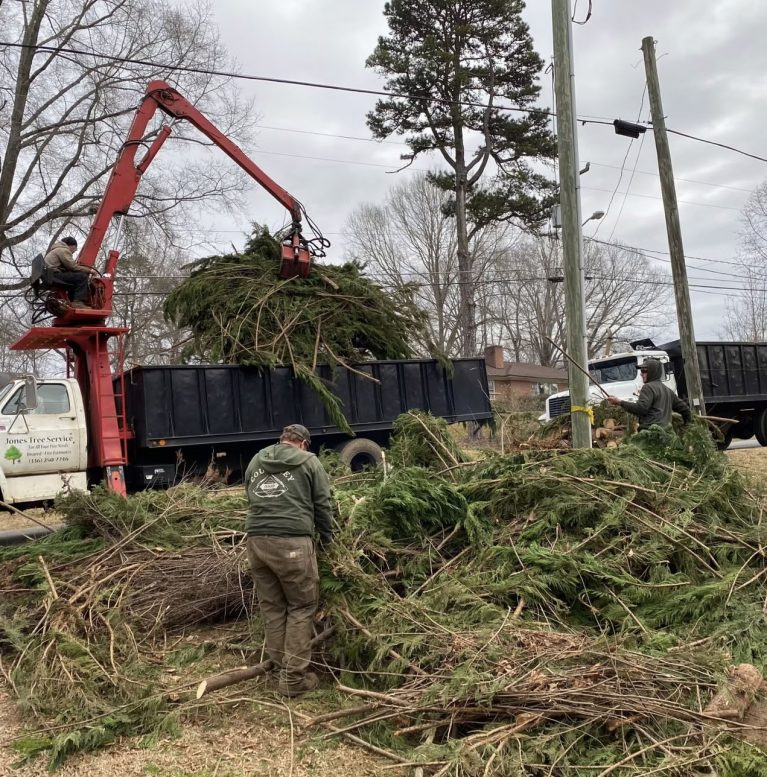
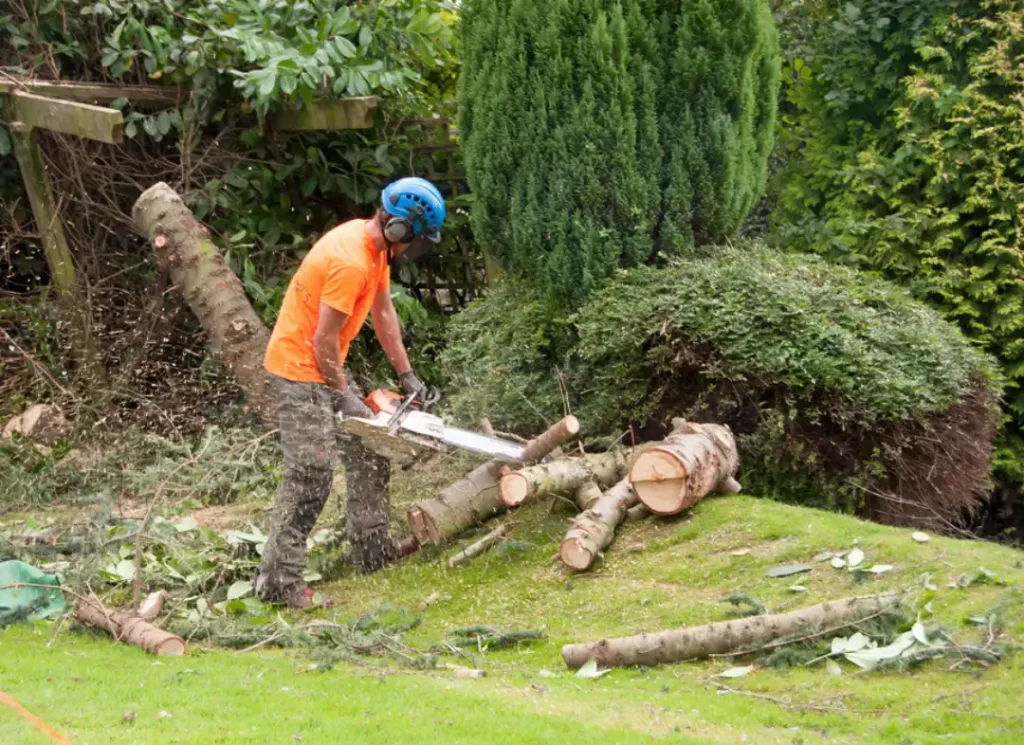
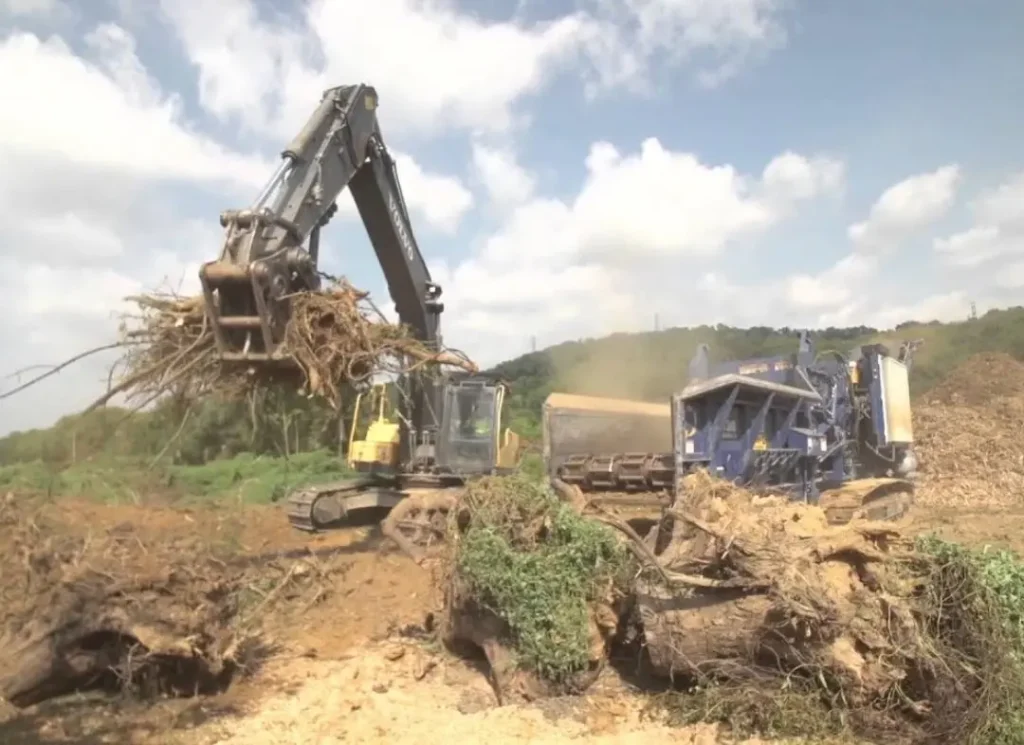
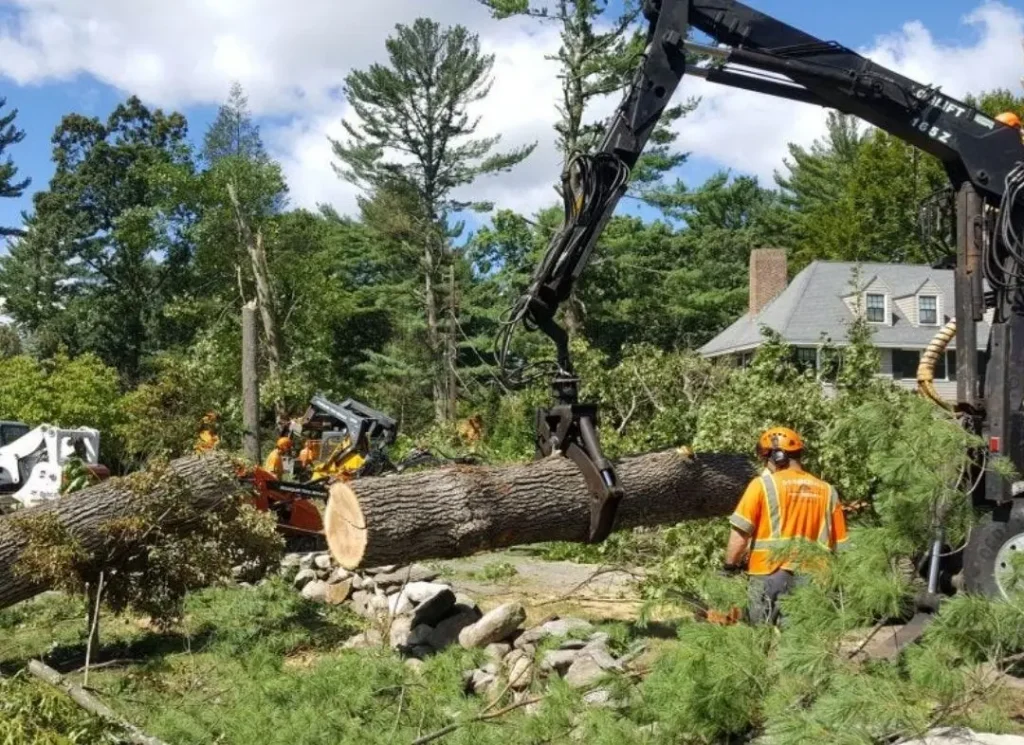
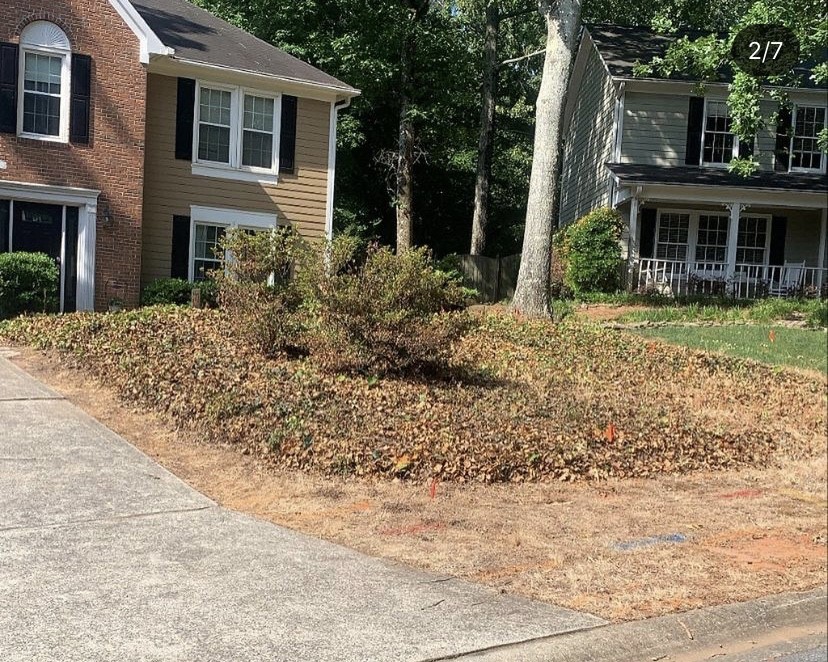
Once we understand the terrain, lot clearing and grubbing begins. We remove vegetation, root systems, and debris cleanly — especially critical in established areas like Myers Park and South Park, where mature trees and tight property lines require a careful hand. Nothing gets cut or pulled that doesn’t need to be.
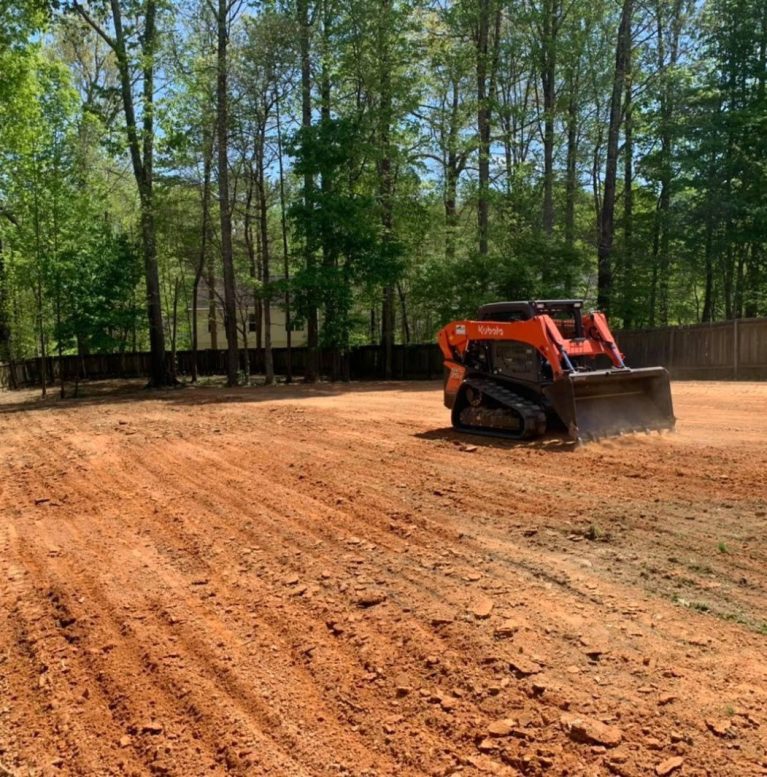
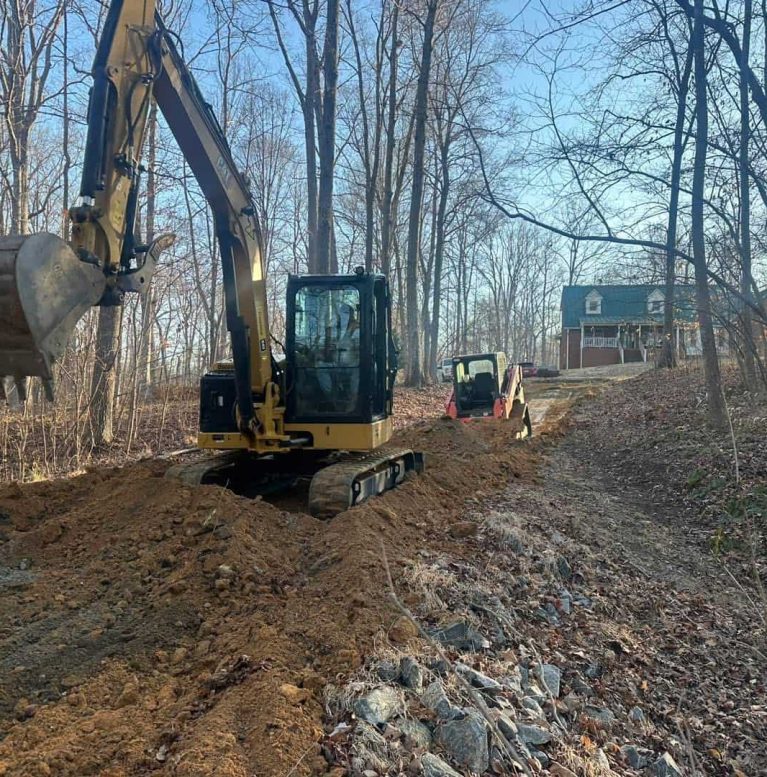
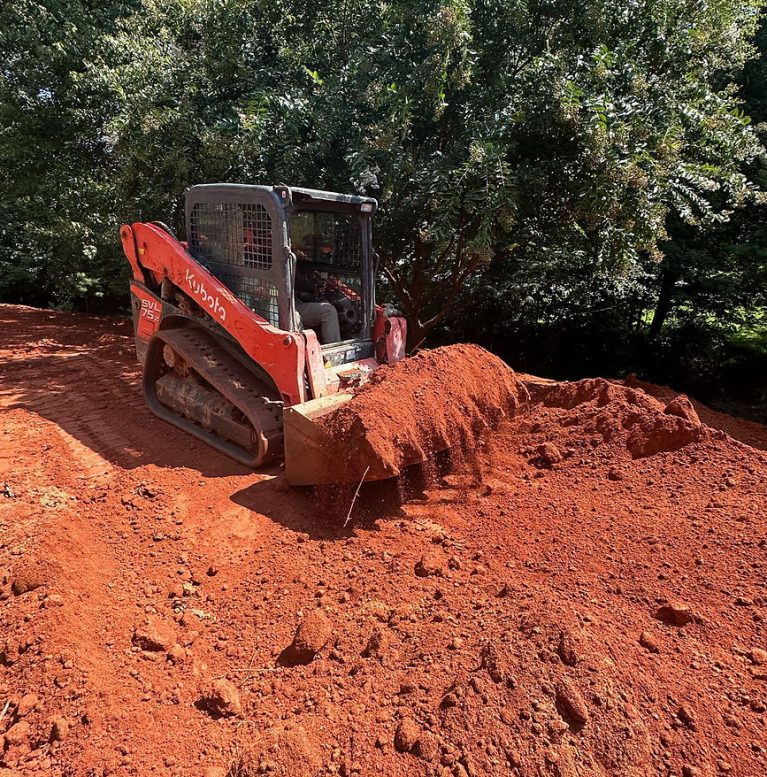
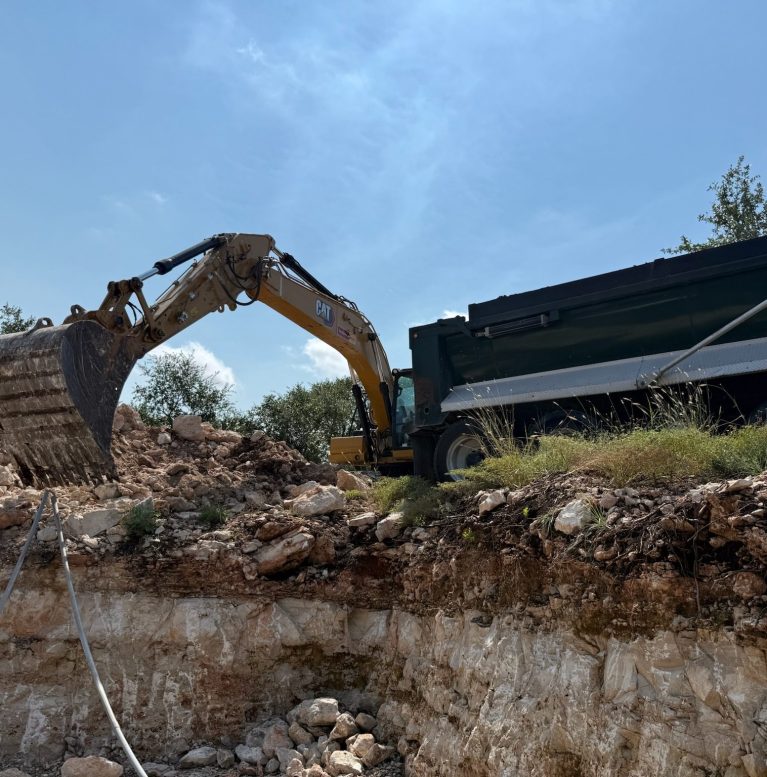
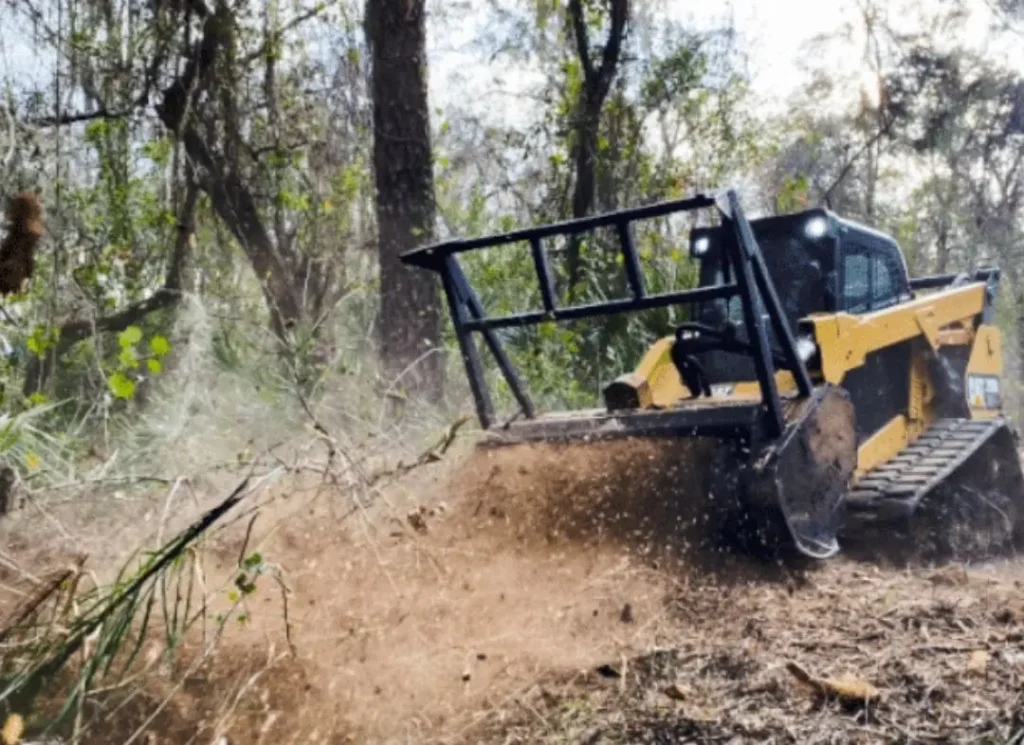
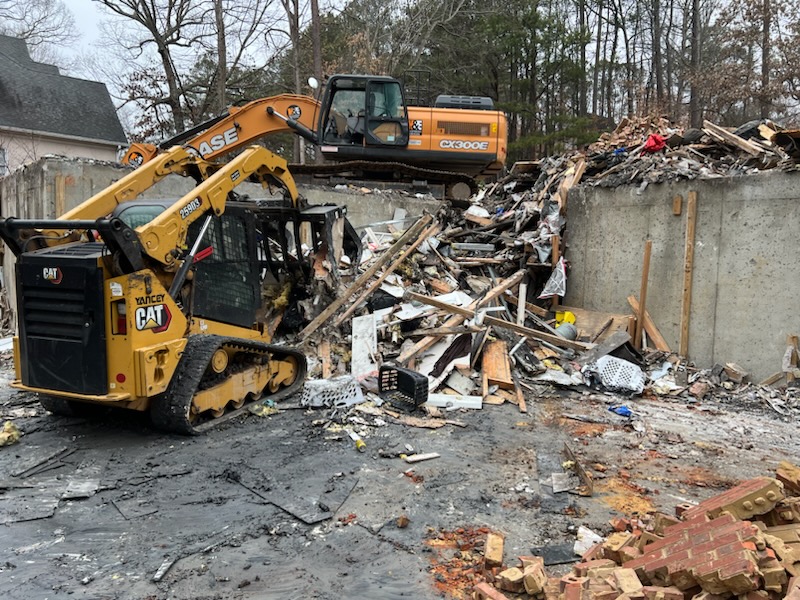
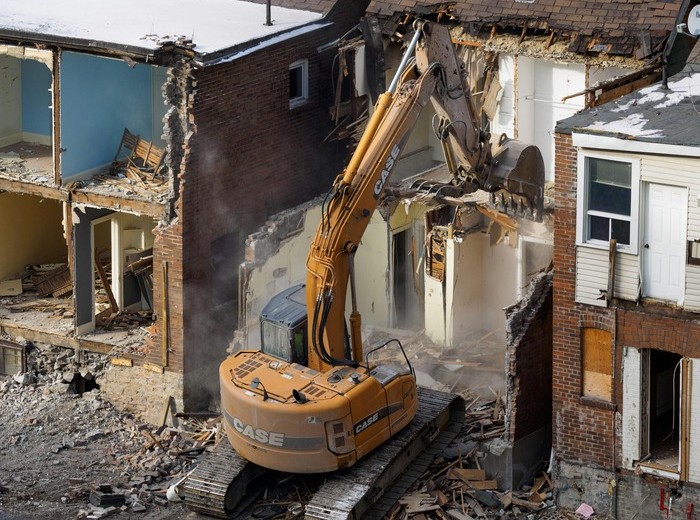
From there, we move into strategic excavation. We select the right equipment for the job — excavators for deep cuts and heavy material, skid steers where ground pressure and maneuverability matter most. Running the wrong machine on Charlotte clay causes compaction problems that haunt a project for years. We don’t take that shortcut.
Before the site is finished, compaction testing confirms your building pad meets local code requirements and won’t settle or shift during the next flash flood season. Silt fencing, erosion barriers, and grading and drainage solutions are installed to NC DEQ standards throughout. If your project in Mecklenburg County requires a land-disturbing permit, we handle the site conditions those inspections require — documented and done right the first time.
A homeowner near Myers Park was dealing with chronic runoff pooling against the foundation after every significant rain. We assessed the lot’s existing slope, excavated and re-graded the rear yard, installed a French drain system tied to a proper outlet, and restored final grade. Standing water hasn’t returned. The project was completed without disturbing two mature hardwoods on the property line.
A builder breaking ground on a new residential build inside the I-485 loop needed a certified building pad on a lot with heavy clay subsoil and an uneven natural grade. We completed full lot clearing and grubbing, brought in a compaction testing crew, and delivered a finished pad that passed the structural inspection on the first visit. Silt fencing and erosion controls were maintained throughout to satisfy Mecklenburg County requirements.
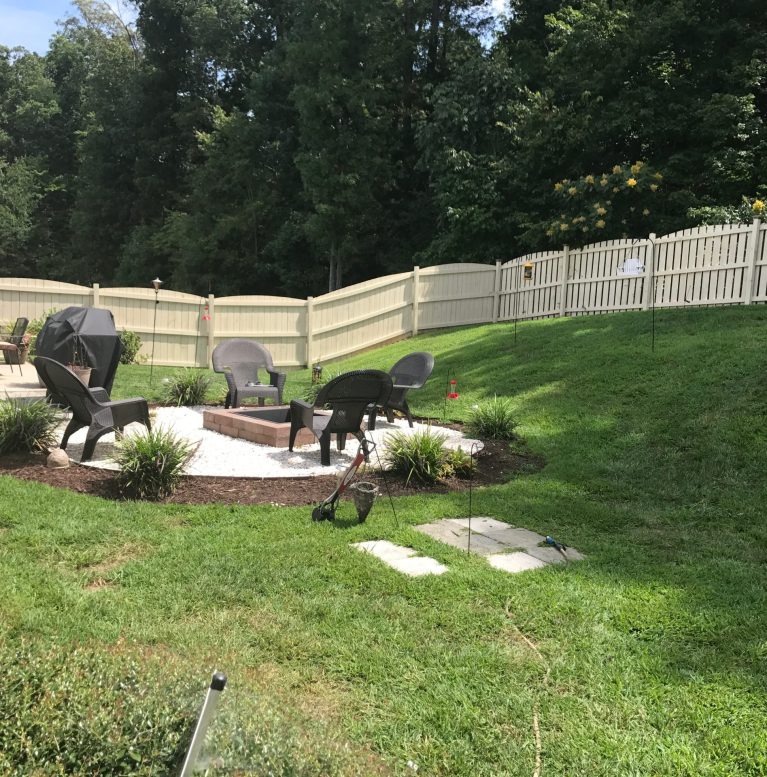
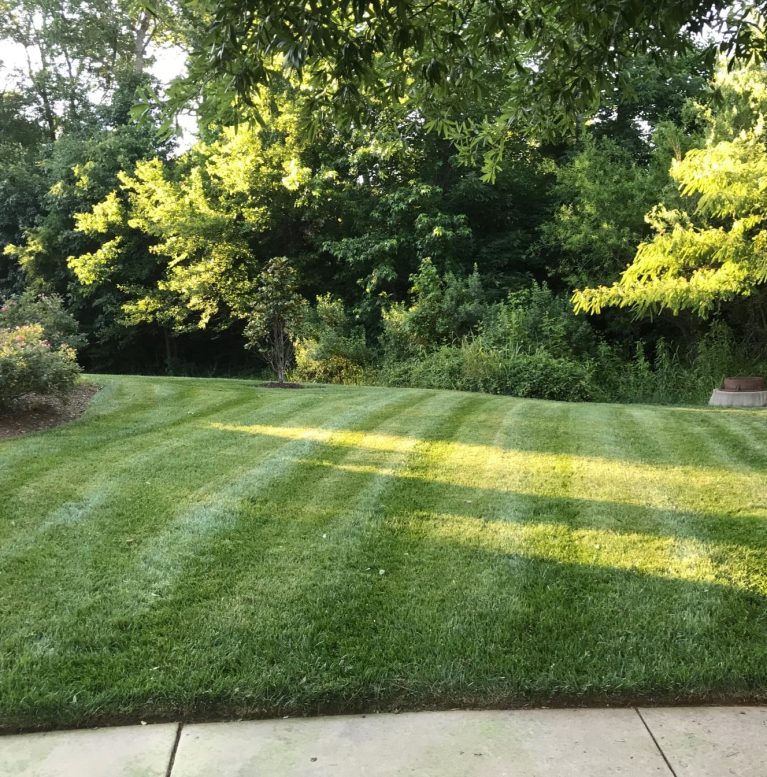
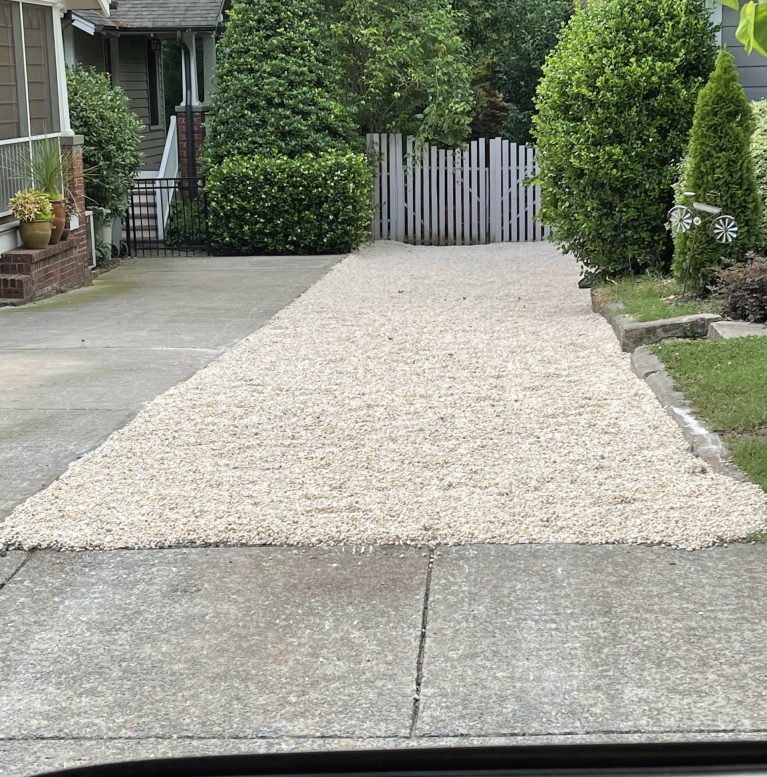
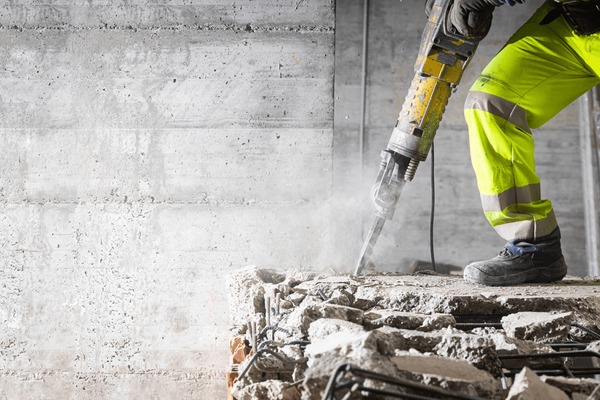
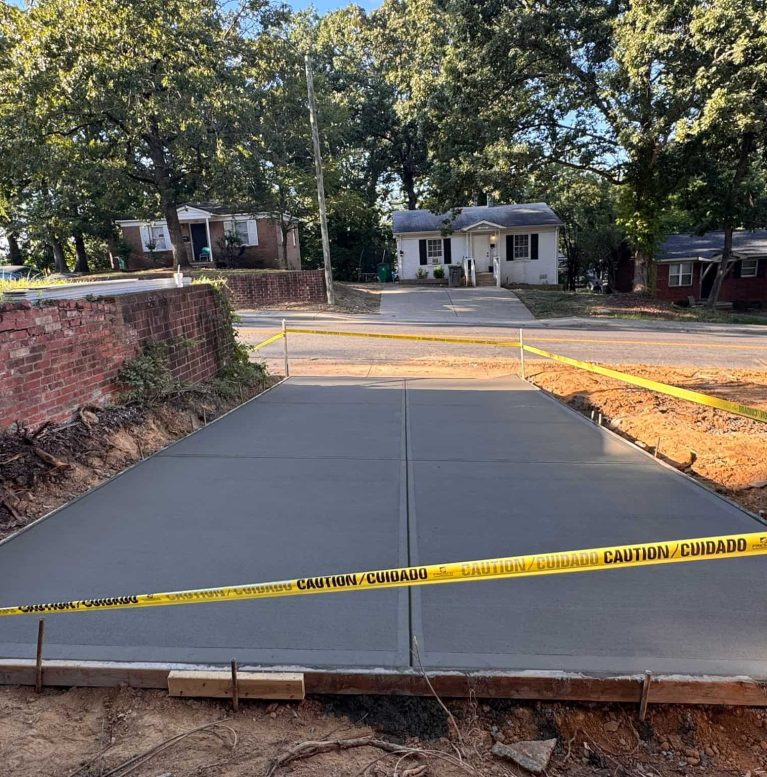
Take a look at some of our latest work. Scroll through the photos below to see our team in action and the results we deliver.
Clay doesn’t drain on its own — it has to be managed through grading, slope direction, and drainage infrastructure. We assess how water currently moves across your lot, re-grade to direct flow away from structures, and install French drains or surface outlets where needed. The goal is a finished site where water has a clear path off the property.
In most cases, yes. Mecklenburg County and the NC DEQ require a land-disturbing activity permit for projects that disturb more than a threshold amount of soil. We’re familiar with local requirements and can advise you on what your specific project triggers. Proper silt fencing and erosion controls are part of every job we do.
We establish a root protection zone before any equipment moves. Skid steers are used instead of heavier excavators near trees to reduce ground pressure. In mature neighborhoods like South Park and Myers Park, we treat existing hardwoods as fixed constraints and design the work around them — not through them.
Compaction testing measures soil density after a building pad has been graded and compacted. It confirms the ground can support a structural load without settling. Most Charlotte-area builders and county inspectors require documented compaction results before framing begins. We coordinate testing as part of the site prep process.
The I-485 outer belt is our primary mobilization corridor. Projects inside or directly adjacent to the loop get faster equipment staging and response times. We work throughout Mecklenburg County, and proximity to the belt helps us keep scheduling tight and reduce mobilization costs — especially for time-sensitive projects.