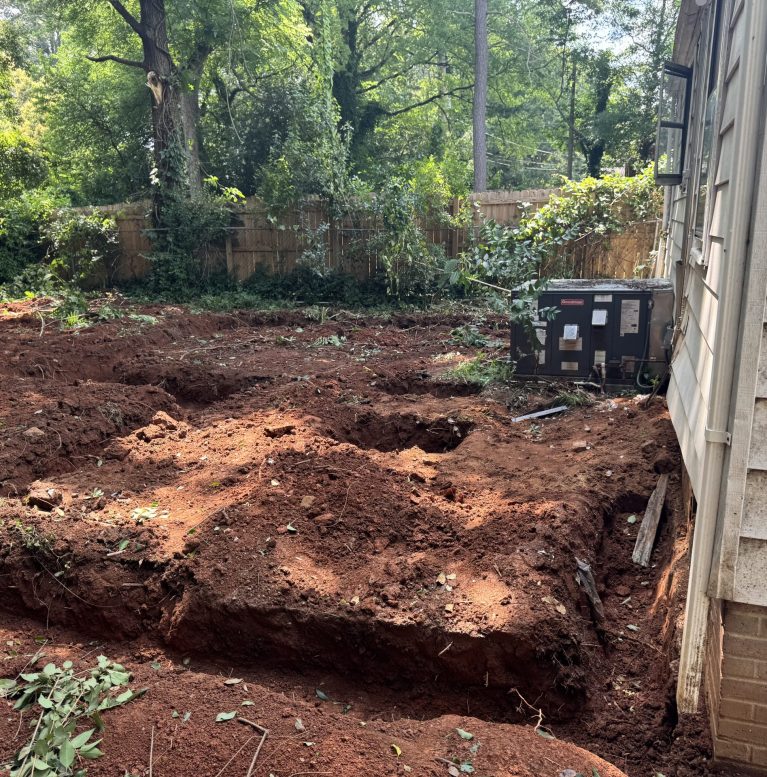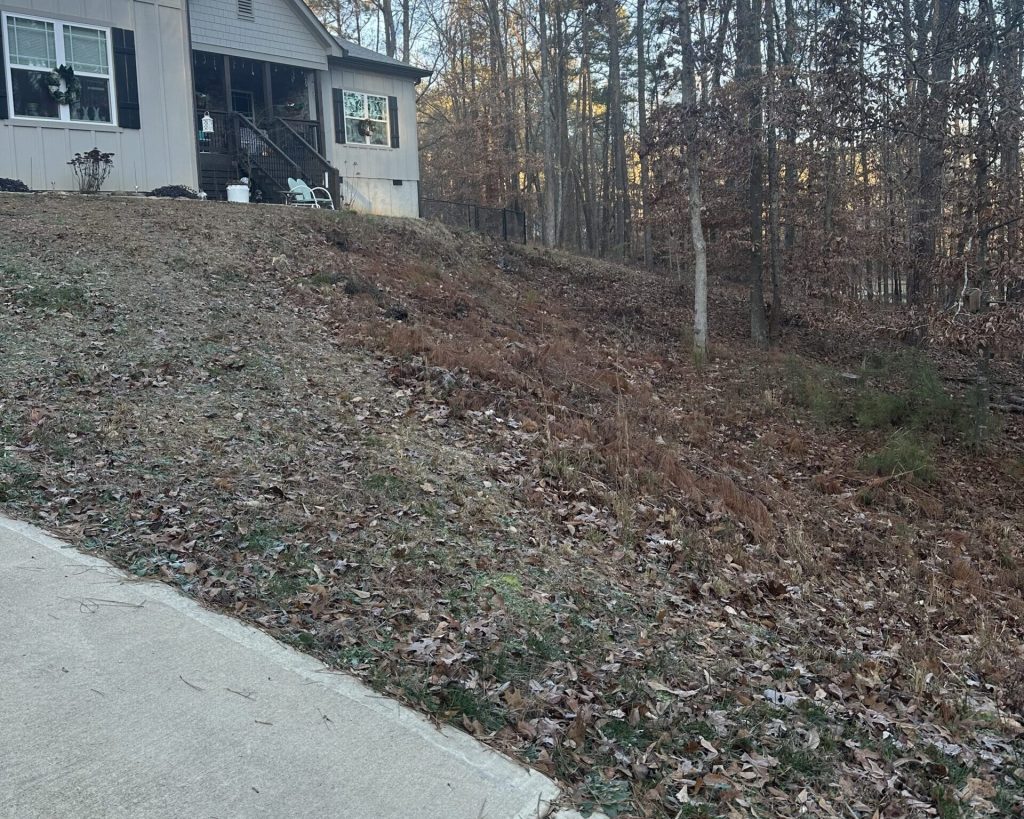
If you’ve watched a brand-new gravel driveway turn into a red mud pit within a single season, you already understand the problem. Charlotte’s native soil is Cecil clay — a dense, highly plastic subgrade that swells when wet and bakes into concrete during a drought. Every summer, the same cycle plays out across Waxhaw, Weddington, and Mint Hill: an intense subtropical thunderstorm hammers a poorly installed driveway, and weeks of baking sun follow. The result is deep tire ruts, pooling water, and gravel that has vanished into the clay below.
The culprit is almost always the same. A contractor dumped fresh stone directly over raw subgrade without addressing the Piedmont red clay drainage problem underneath. When a heavy truck rolls over saturated clay, the clay pumps upward, displacing the gravel and destroying the surface. Filling the potholes with more loose stone is a temporary patch that repeats the same failure in six months.
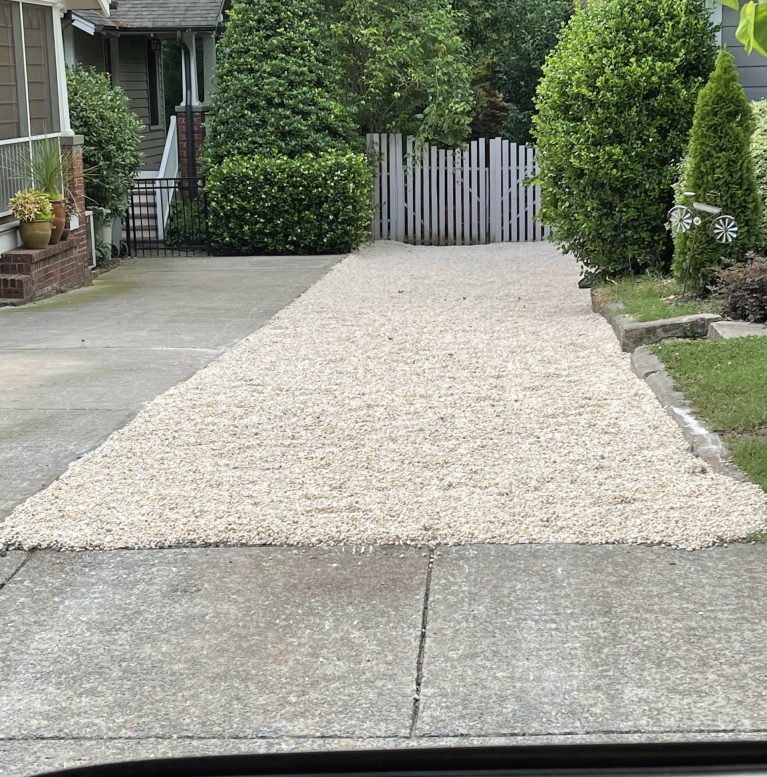
A long-lasting driveway on Charlotte-area soil requires geotextile fabric separation, a compacted Crusher Run base, and a properly crowned surface. That is exactly how we build.
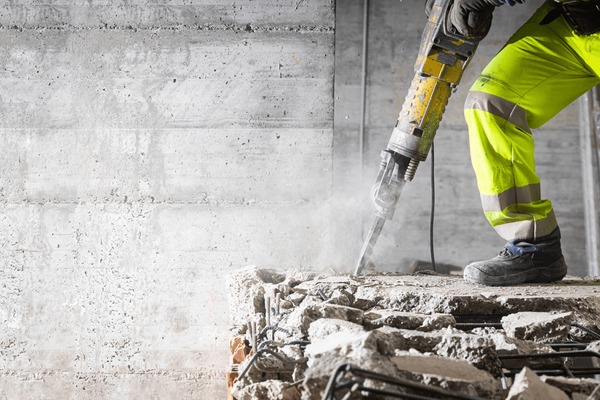
From residential projects to commercial developments, we provide end-to-end solutions for every stage of construction.
Most driveway repair bids you will receive are not real repairs. Shoveling loose gravel into a pothole fills the void temporarily, but the bowl-shaped depression beneath it still holds water after every rain. The clay below stays saturated, the new stone sinks, and you are back to square one before the next spring thaw.
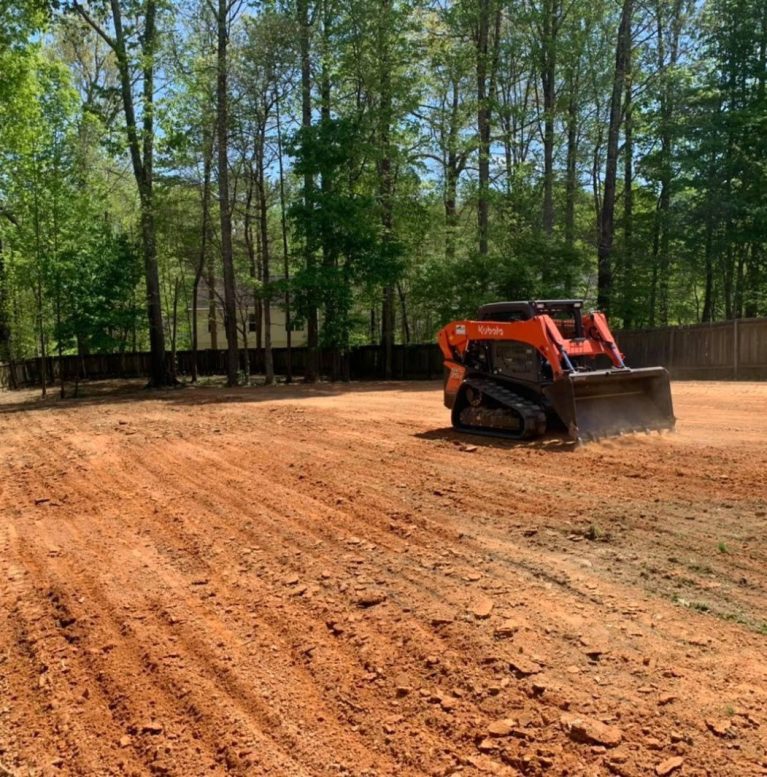
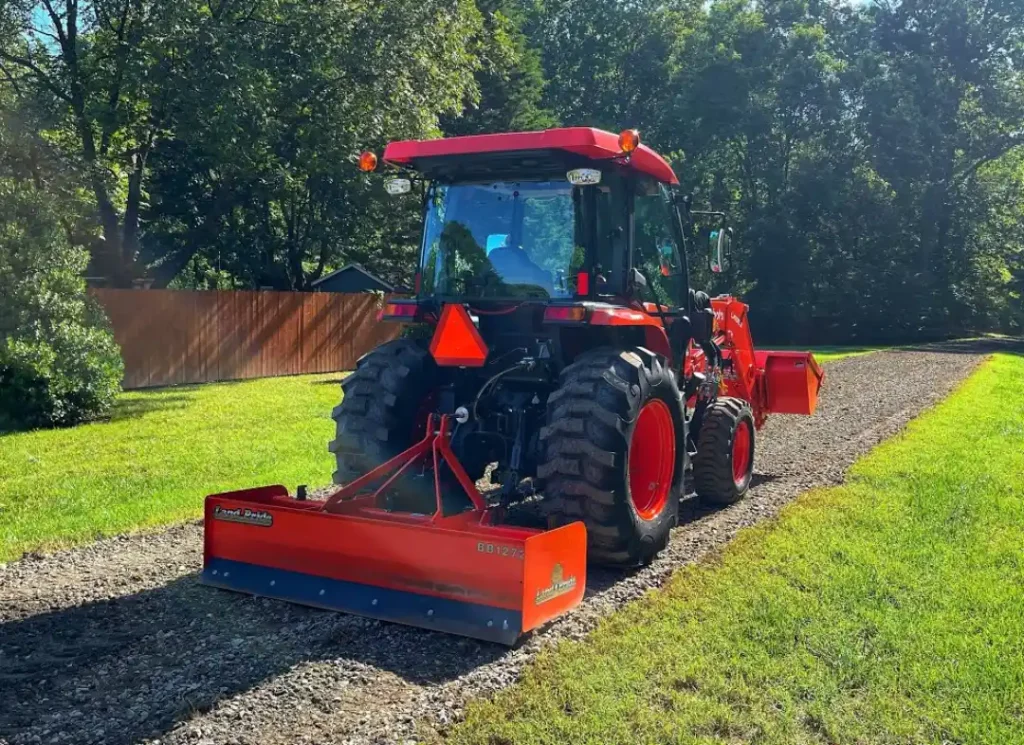
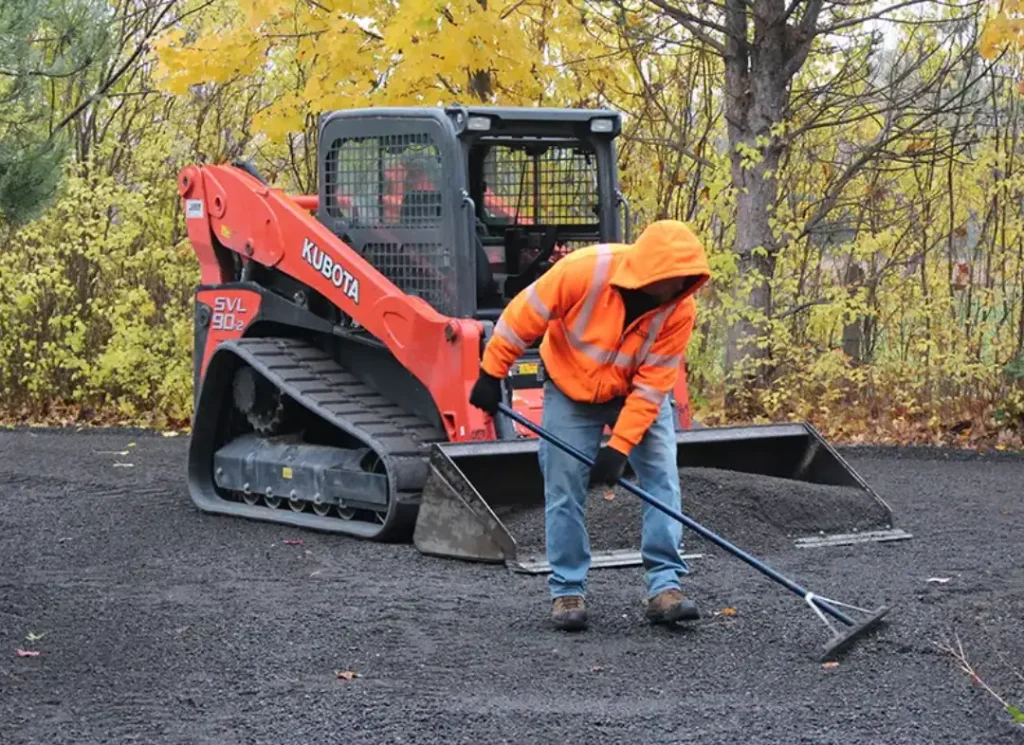
Our repair process is different. We use a tractor-mounted box blade fitted with scarifier teeth to rip up the old, hardened surface layer. That breaks the compacted crust, blends the existing material, and exposes the failed subgrade beneath. From there, we reshape the entire driveway to re-establish the crown angle and restore proper watershed geometry — redirecting runoff toward the side swales where it belongs. A commercial roller then packs everything flat for a firm, durable result.
This process is significantly more cost-effective than full reconstruction and far more durable than a patch job. If your driveway in Huntersville, Mint Hill, or anywhere along the lower-density corridors outside Charlotte has lost its shape, developed chronic potholes, or turned into a muddy red clay pit every season, this is the service that actually fixes the underlying problem.
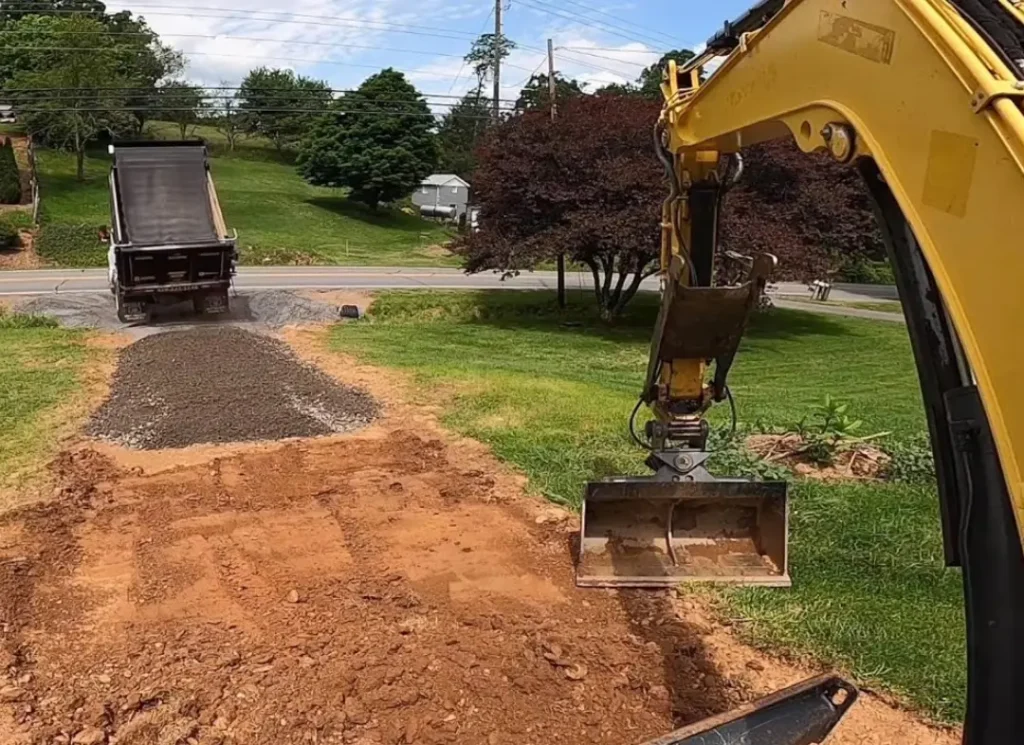
A five-acre equestrian property on the south side of Waxhaw had a 400-foot driveway that turned into a red mud channel every spring. We excavated the full length, laid geotextile separation fabric, compacted a four-inch Crusher Run base, and finished with a crowned #57 granite surface. Three seasons later, the owner has not added a single load of stone.
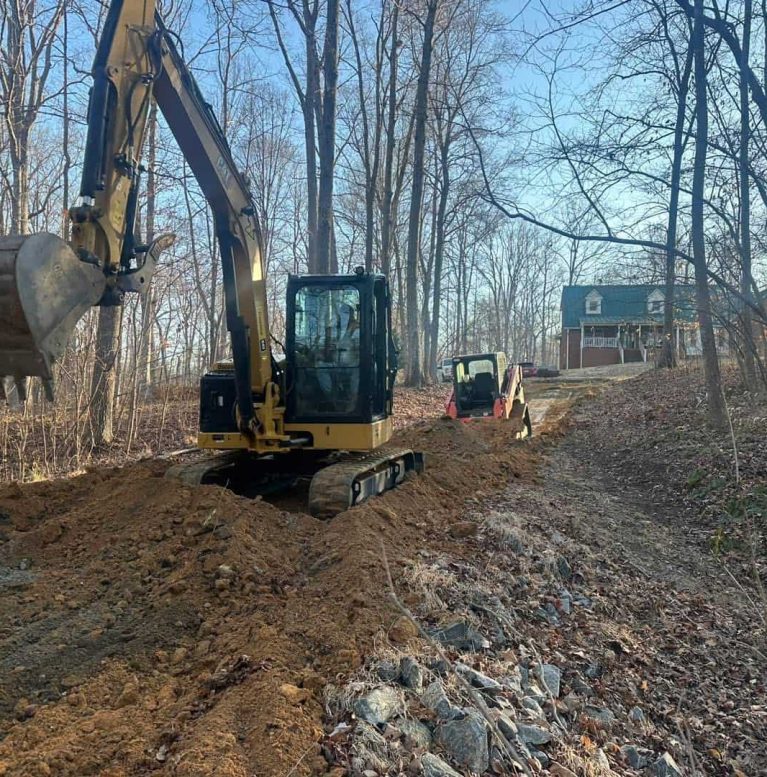
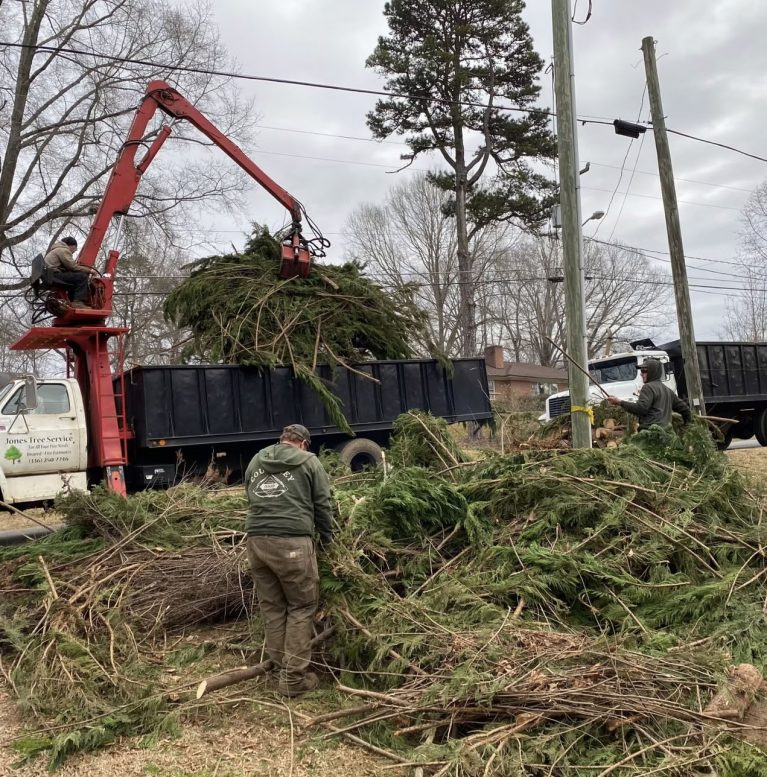
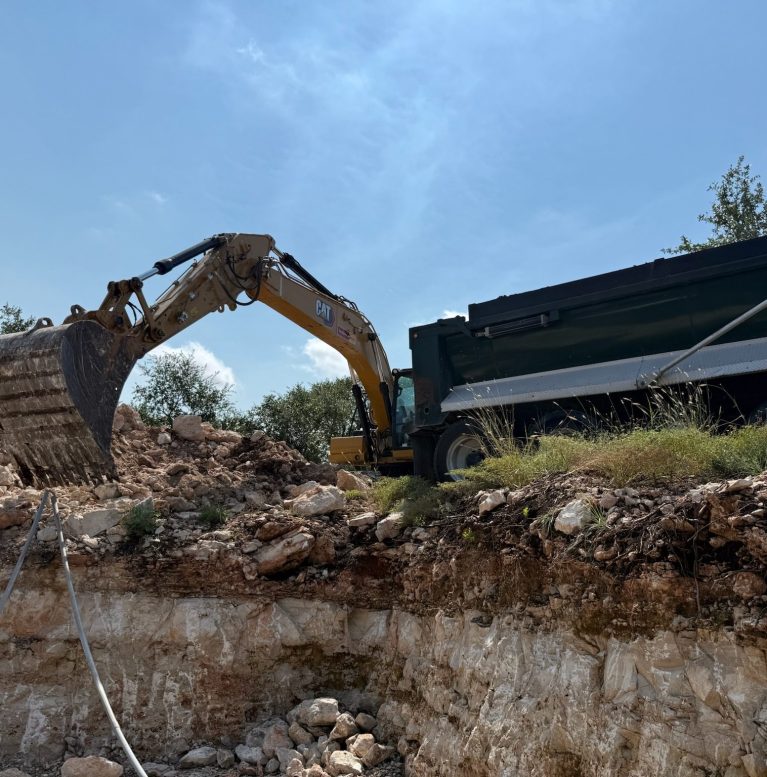
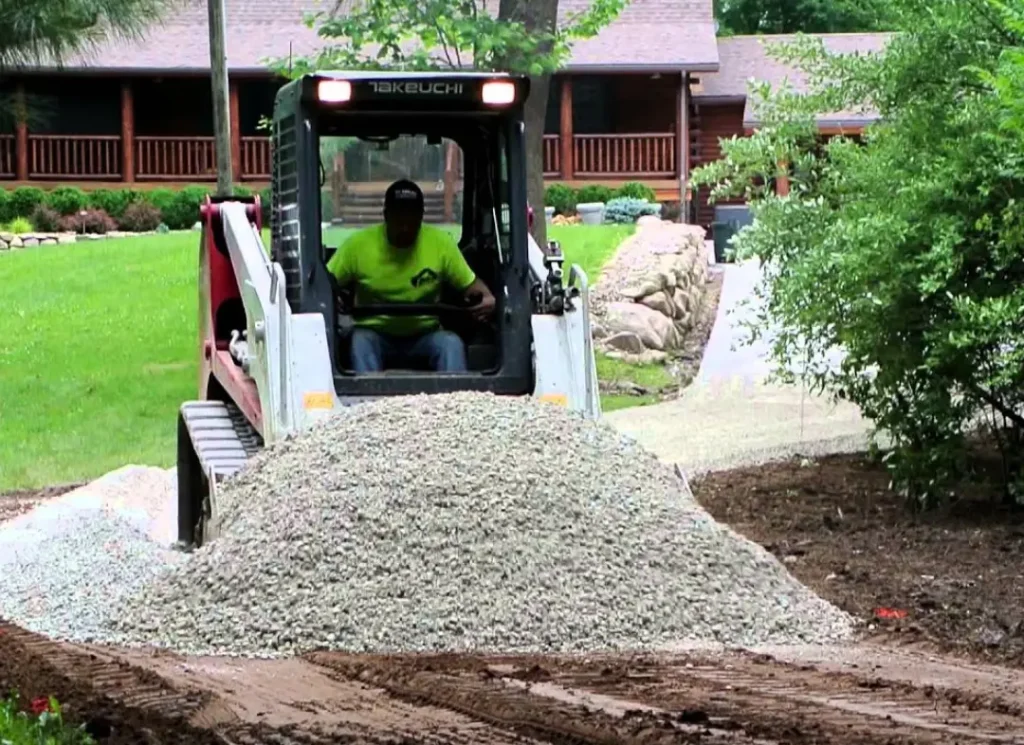
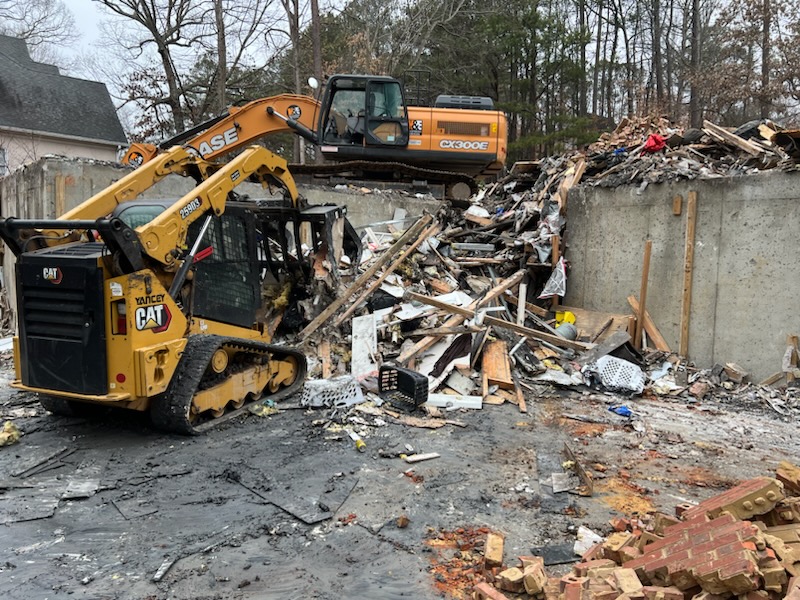
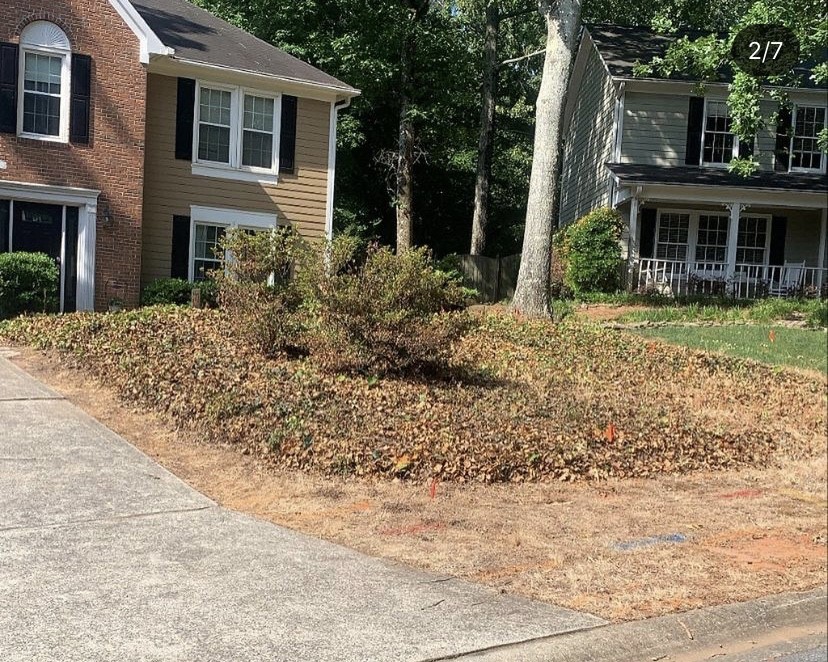
A new residential lot off Albemarle Road needed clearing, rough grading, and a 220-foot access drive before construction could begin. We handled tree clearing, subgrade stripping, culvert installation at the road entrance, and a compacted Crusher Run base — delivering a ready-to-build site in under two weeks using aggregate hauled directly from quarries on the I-77 South corridor.
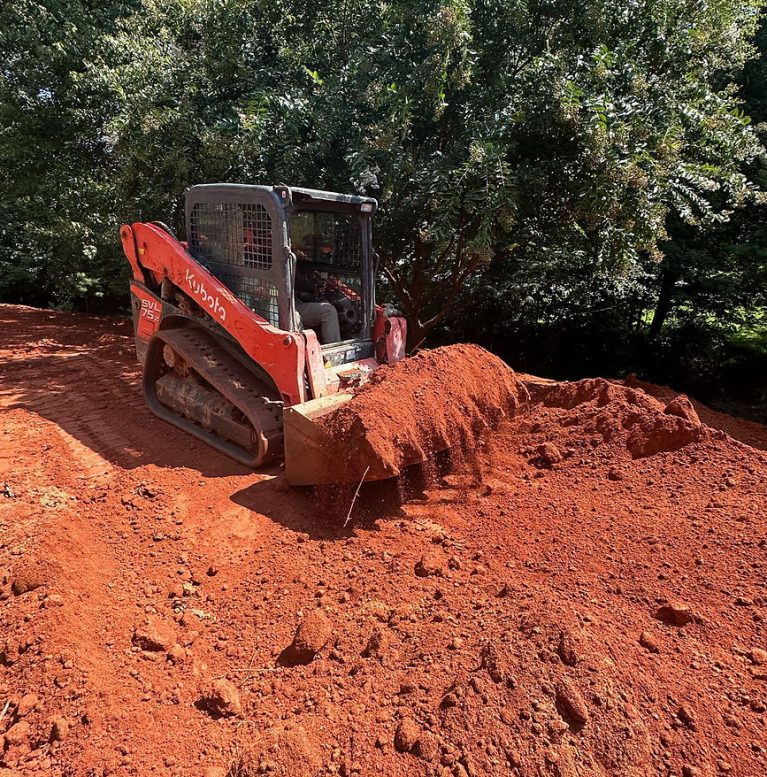
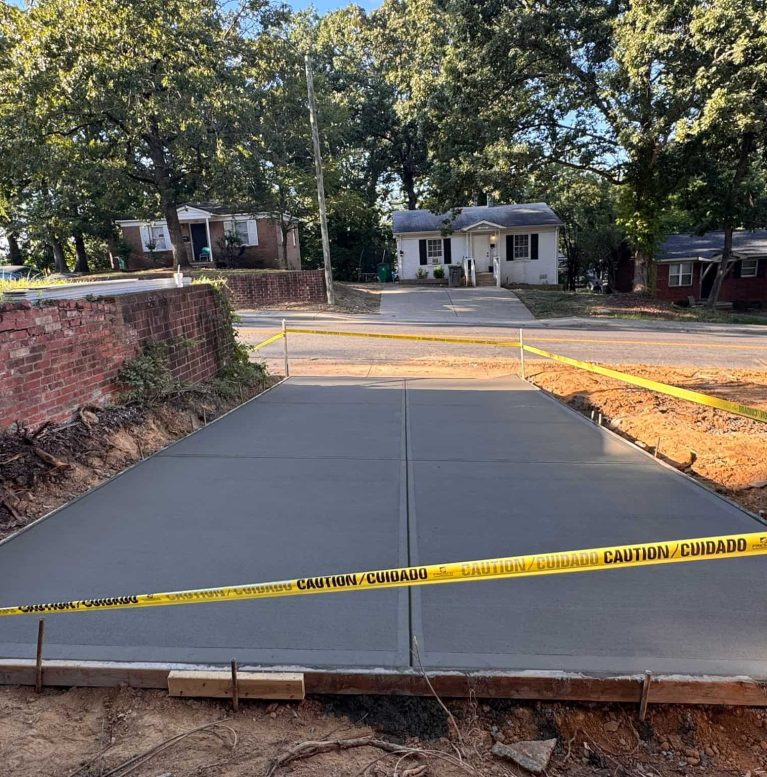
Take a look at some of our latest work. Scroll through the photos below to see our team in action and the results we deliver.
Stone was likely placed directly over Cecil clay with no geotextile separation fabric. Saturated clay pumps upward under vehicle loads, swallowing the gravel. The fix is excavation, fabric installation, and a proper Crusher Run sub-base — not more stone on top.
Angular, interlocking crushed granite — either Crusher Run for the base or #57 granite stone for the surface. Both lock together under load. Smooth river rock rolls freely under tires and washes downhill in the first heavy rain. Never use it on a sloped Charlotte-area driveway.
Yes. We provide full-service site preparation — clearing, rough grading, drainage mapping, culvert installation, and driveway construction. We are not a gravel-only delivery service. We manage the entire process from raw land to finished, drivable surface.
A minimum of four inches, compacted with a vibratory roller. Piedmont red clay subgrade requires a dense-graded aggregate base of that depth to distribute vehicle loads evenly. Anything thinner on Cecil clay will fail under repeated heavy truck traffic.
In most cases, yes. Our box blade scarifier rips and blends the existing hardened material, lets us re-establish the crown grade and drainage angles, and a roller compacts it back solid. Full reconstruction is only necessary when the subgrade fabric is absent or the base has failed completely.