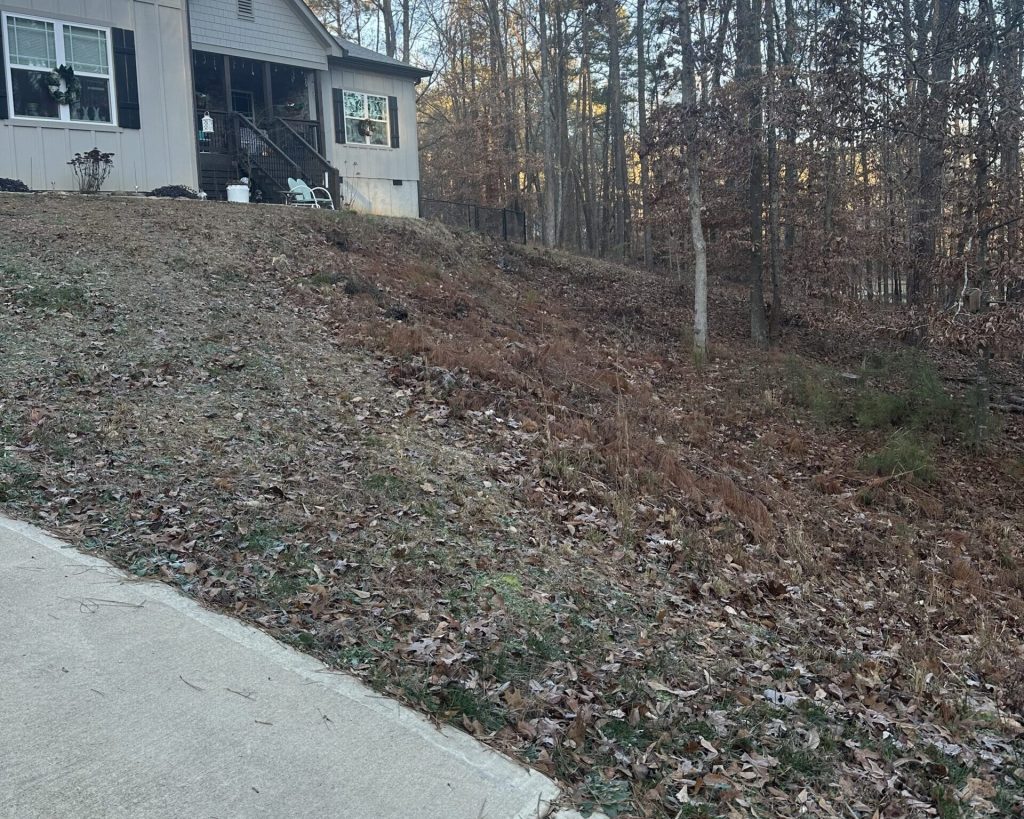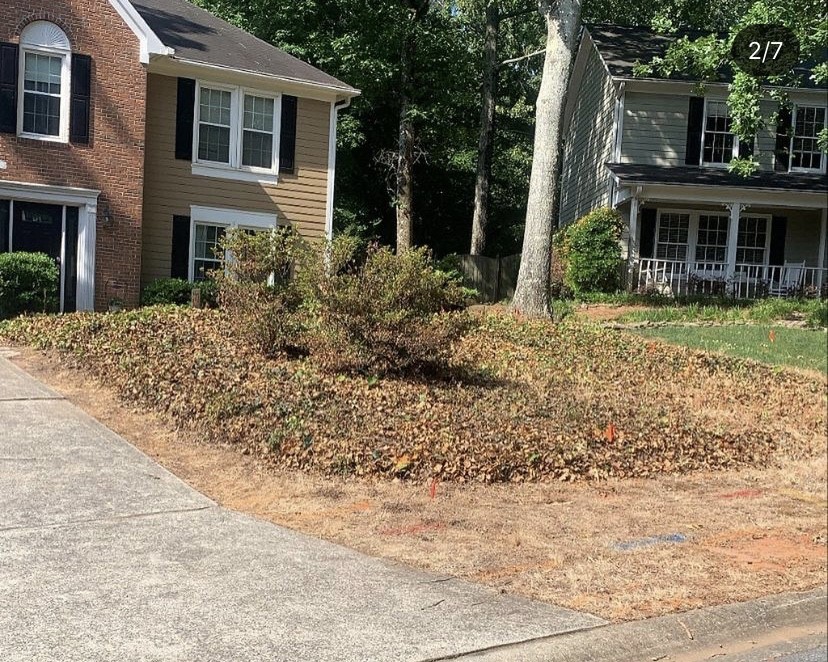
If you’ve watched a driveway crack within a year or two of being poured, you’re not alone. Matthews sits on thick, expansive Piedmont red clay. Hot, humid North Carolina summers dry that clay out and shrink it. Heavy rainstorms swell it right back up. That constant movement is the real reason concrete slabs crack, settle, and shift across Mecklenburg County — from Downtown Matthews to Crestdale, Forestbrook, and Matthews Reserve.
Most crews pour concrete the same way no matter where they’re working. We don’t. Every driveway, patio, and walkway we install starts with Piedmont clay slab prep built for this specific soil profile — not a generic national spec. That means proper sub-base compaction, correct reinforcement, and drainage planning before a single yard of concrete ever gets poured.
You get a driveway that isn’t fighting the ground underneath it. Whether you’re off Independence Blvd, near I-485, or tucked into a neighborhood off Matthews-Mint Hill Rd, we build for the soil you actually have — not the soil a standard spec assumes you have.
From residential projects to commercial developments, we provide end-to-end solutions for every stage of construction.
Concrete failure almost always starts before the pour. Here’s our process, step by step.
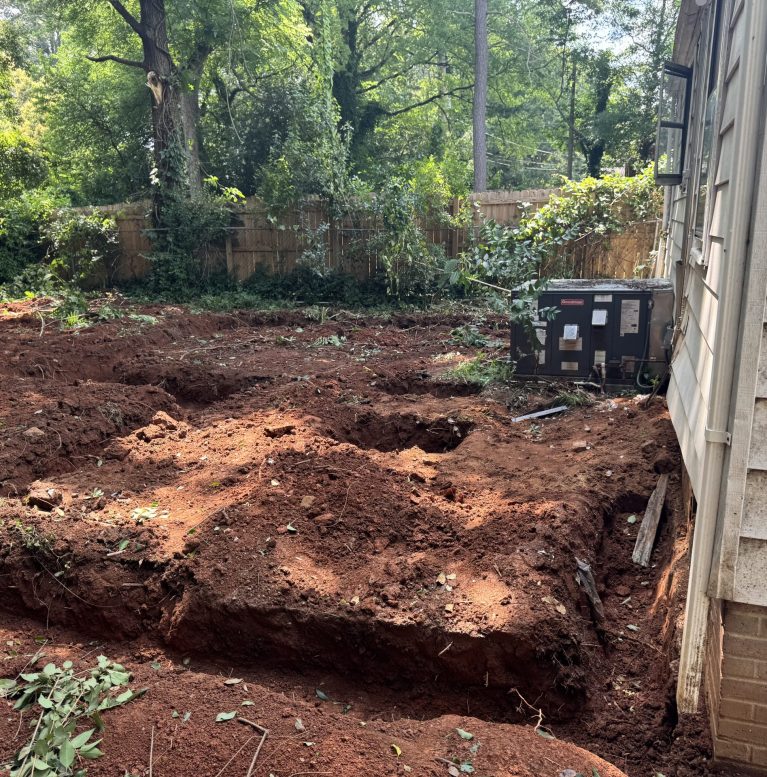
1. Excavation:
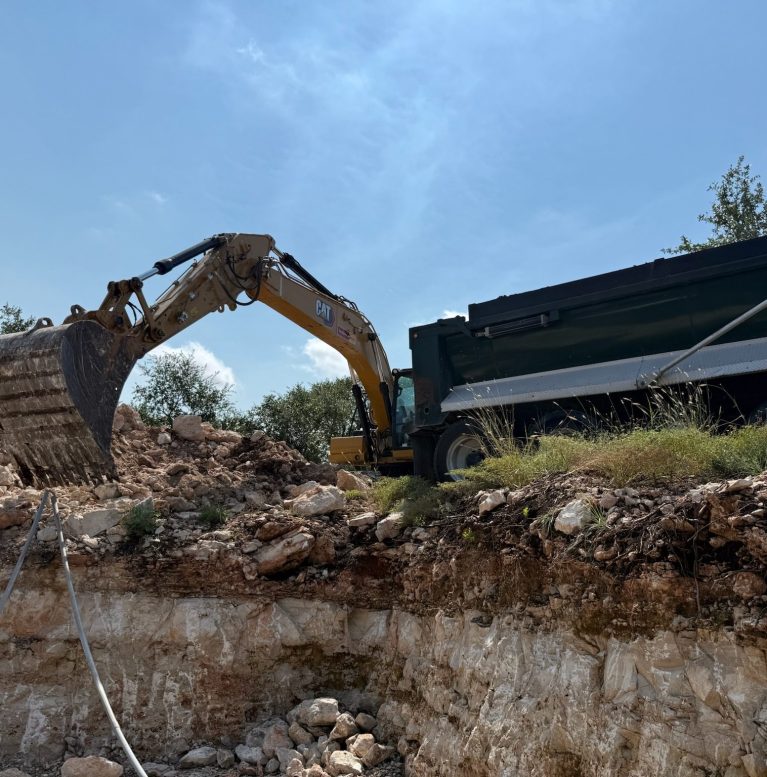
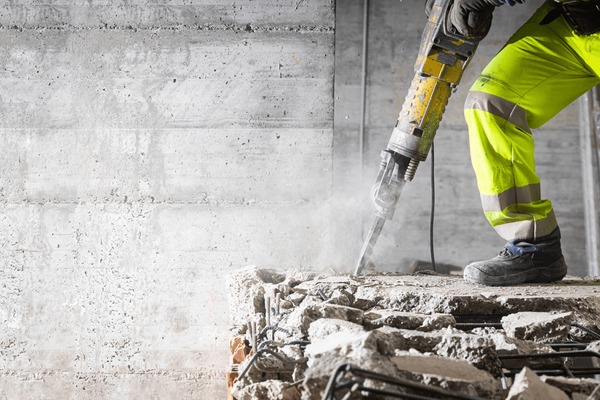
We remove soft, unstable topsoil down to solid ground. Skipping this step is the #1 cause of slab settling in this area.
2. Aggregate base:
A compacted stone base isolates your new slab from the shifting red clay underneath, giving it a stable, uniform surface to rest on.
3. Reinforcement:
Structural rebar or wire mesh gets installed to hold the slab together as the ground shifts seasonally — critical for any residential concrete driveway replacement in Piedmont soil.
4. Pour and finish:
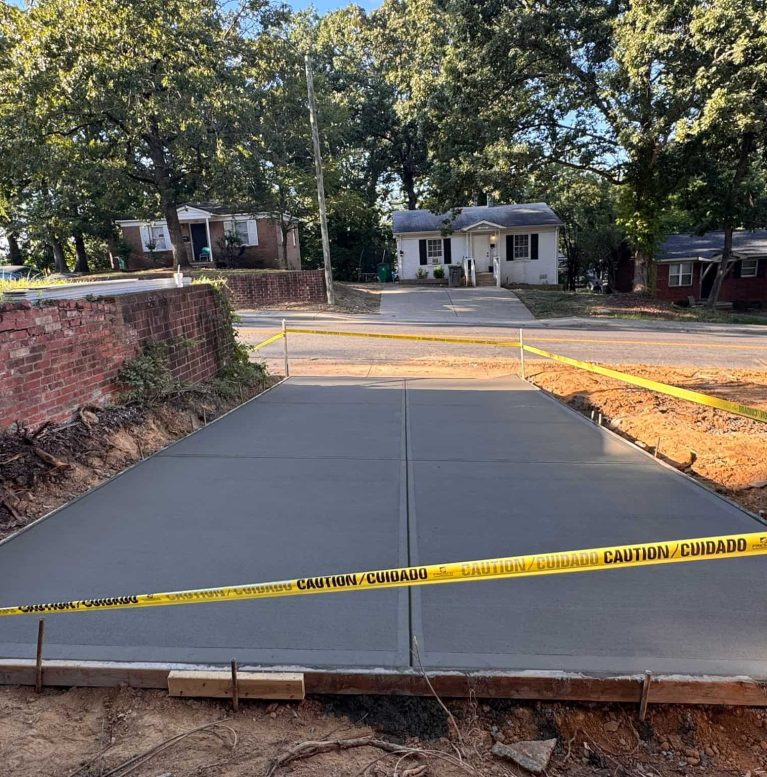
We pour to proper thickness and place expansion joints where they actually need to go, not just where they’re easy to cut, so pressure has somewhere to release.
5. Cure:
We apply curing compounds suited to North Carolina’s humidity, so the surface strengthens evenly instead of drying too fast on top and staying soft underneath.
Every step protects the same thing: your investment.
A homeowner near Independence Blvd came to us with a driveway that had cracked and settled within three years of a big-box install. We tore it out, corrected the sub-base compaction, added proper reinforcement, and repoured. Two years later, it’s still flat and crack-free.
A Matthews Reserve family wanted a stamped concrete patio that could handle Carolina summers without heaving. We graded for drainage first, then built the slab with reinforced expansion joint placement throughout. The patio has held through two full wet-dry cycles with zero shifting.
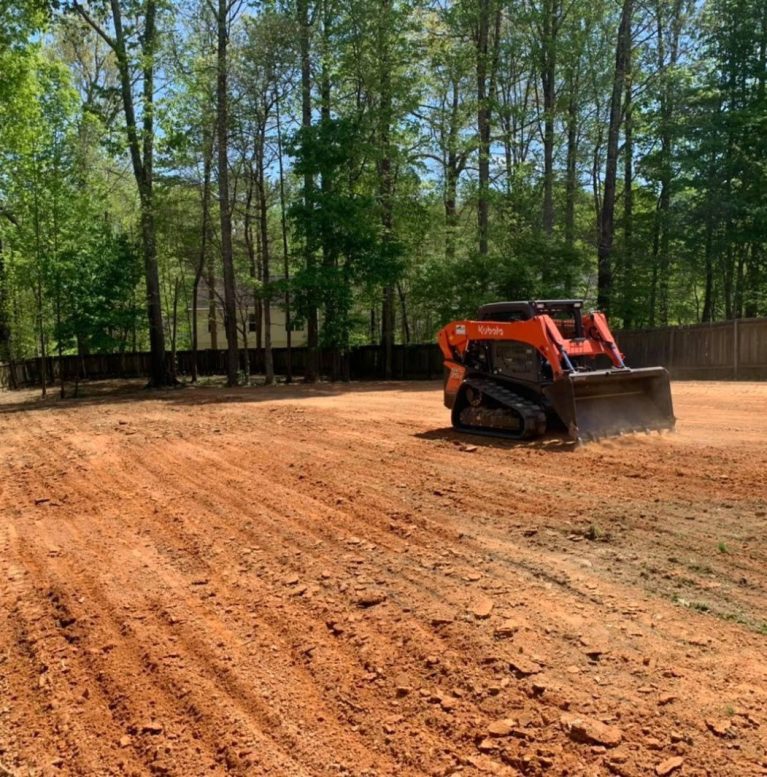
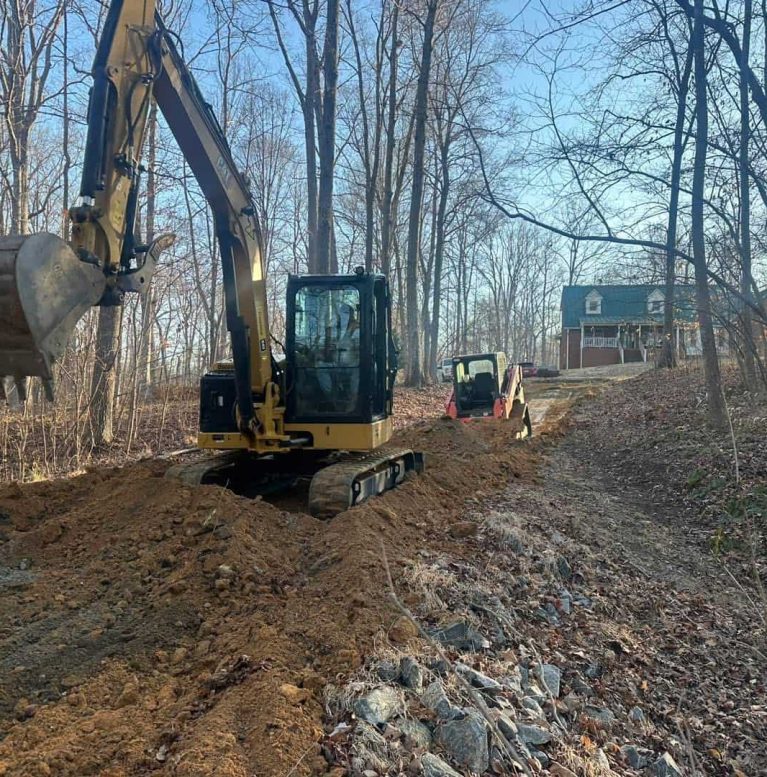
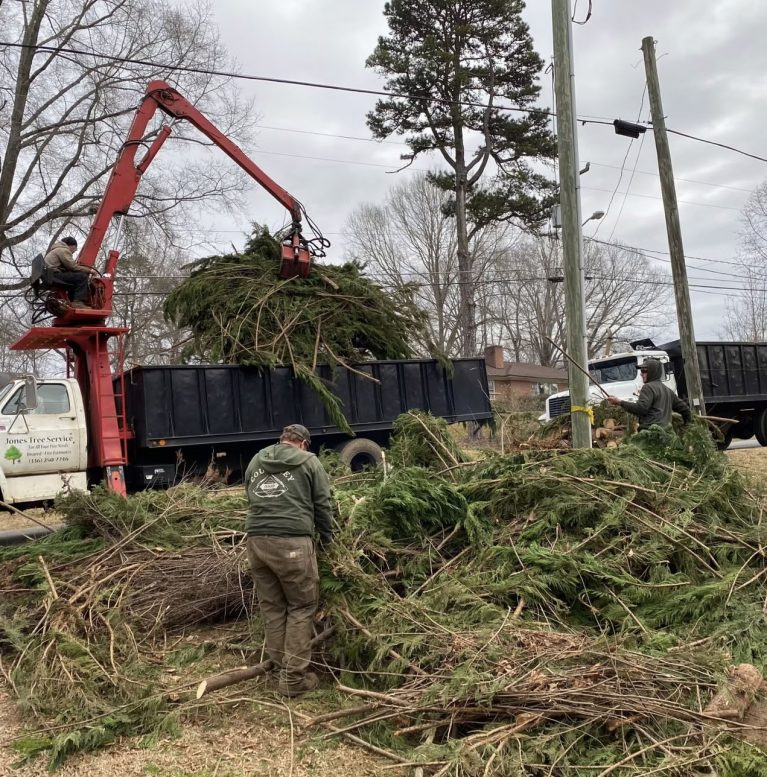
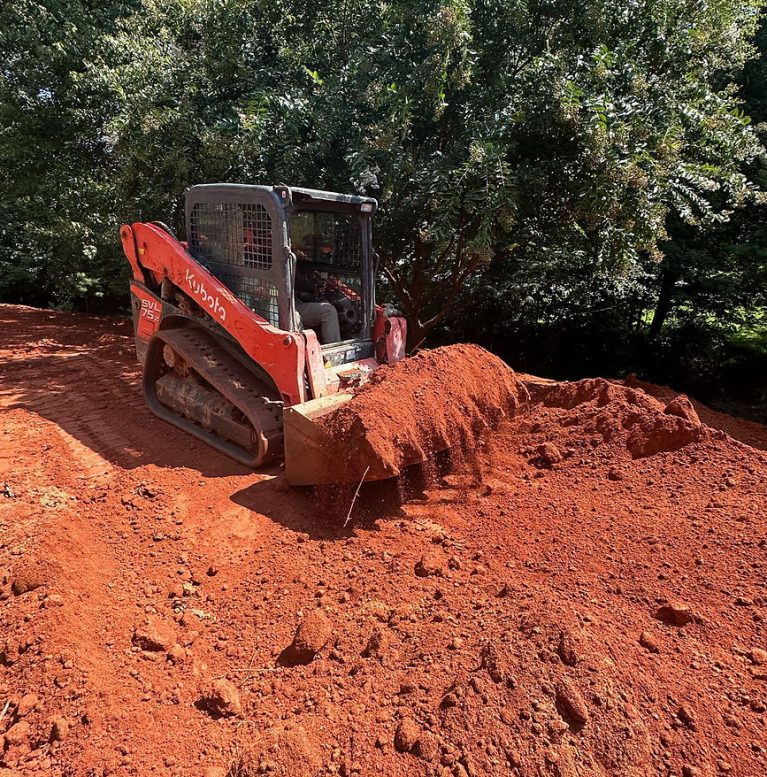
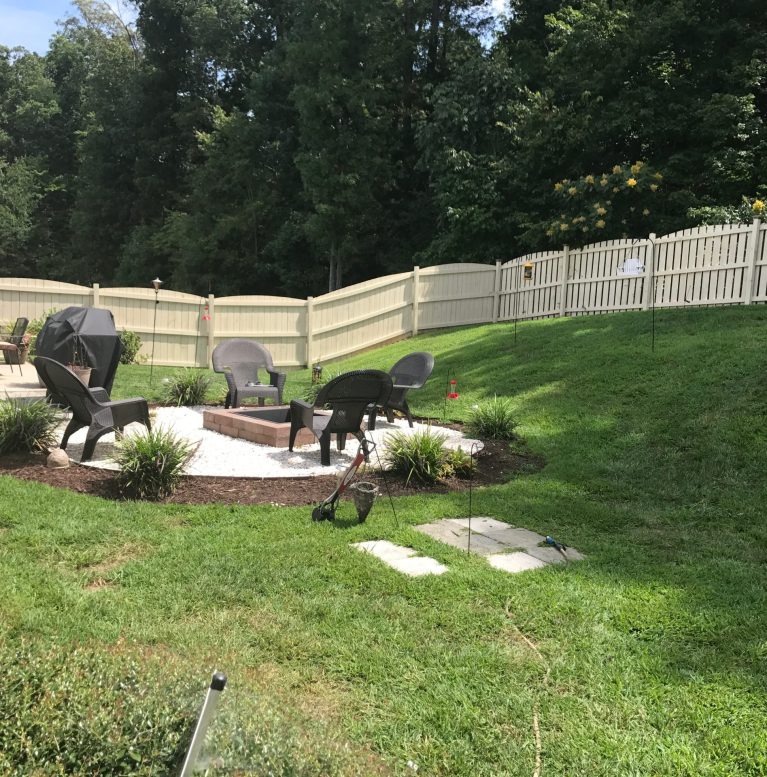
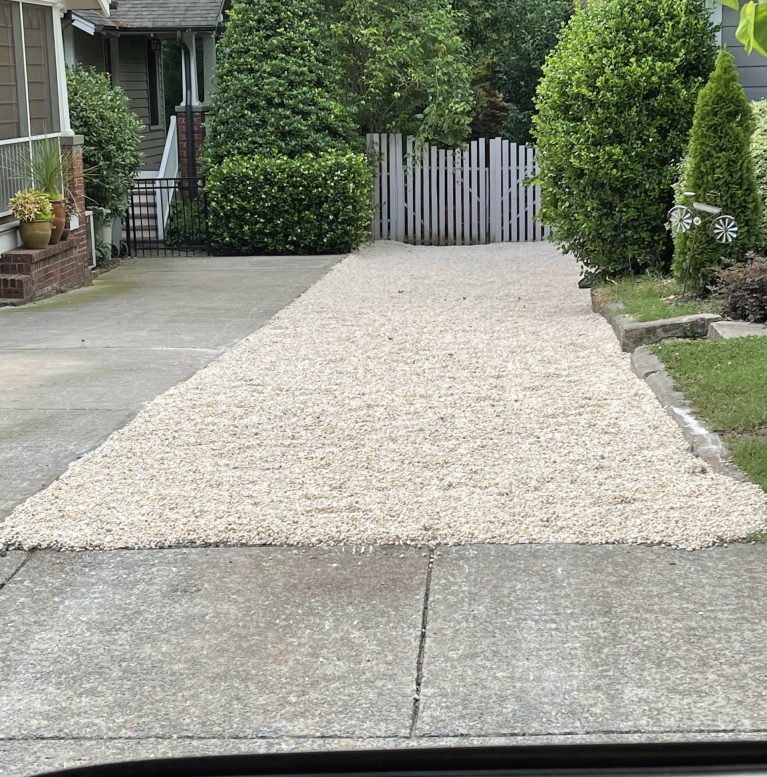
Take a look at some of our latest work. Scroll through the photos below to see our team in action and the results we deliver.
Proper excavation, a compacted aggregate base, and correct reinforcement isolate the slab from clay movement. Skipping any of these steps is what causes most local cracking.
It depends on the project’s size and location. We check local requirements before starting so your installation stays fully compliant.
Plan on about 7 days before regular vehicle traffic, even though the surface may look ready sooner. Humidity slows the cure below the surface.
Often yes. Runoff along these corridors can pool under slabs if grading isn’t handled correctly, so we assess drainage on every site visit.
Yes. We offer stamped and finish options that complement older Downtown Matthews properties while still meeting today’s structural standards.