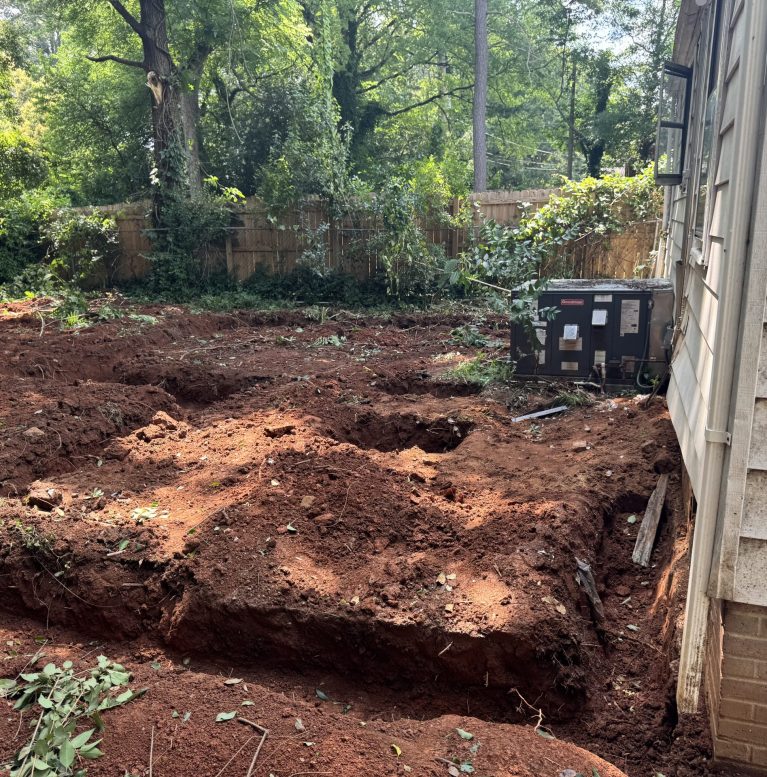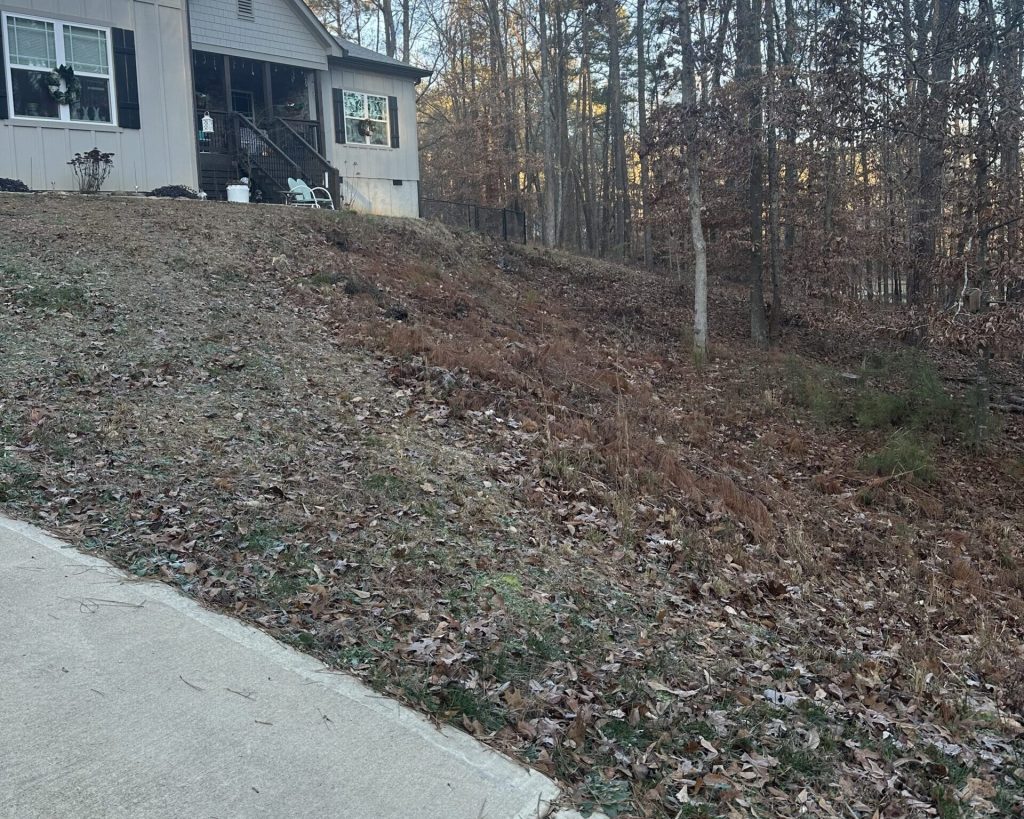
Matthews sits on Cecil and Madison red clay, and that clay does not cooperate with a plain gravel driveway. When it rains, and Mecklenburg County averages over 43 inches a year, that clay swells and turns soft. Gravel dumped straight onto raw Piedmont clay has nothing to hold it up. It sinks. It pumps through into mud. Ruts form fast, especially where trucks and trailers turn in and out.
Homeowners off Independence Boulevard and along the I-485 Outer Loop corridor see this every summer. A driveway looks fine in spring, then a few hard storms later it is rutted, muddy, and losing stone into the yard. That is not bad luck. That is a driveway installed without a real base.
We build gravel driveways for Southeastern Mecklenburg County the way this soil actually demands: proper excavation, a stabilized sub-base, and layered aggregate that keeps clay and stone separated. Neighborhoods like Sardis Forest, Matthews Plantation, and Weddington Trace do not need a quick fix. They need a driveway engineered to handle this ground.
From residential projects to commercial developments, we provide end-to-end solutions for every stage of construction.
A driveway that lasts starts below the surface, not on top of it. Here is how we build them for 28105 and the surrounding Matthews area.
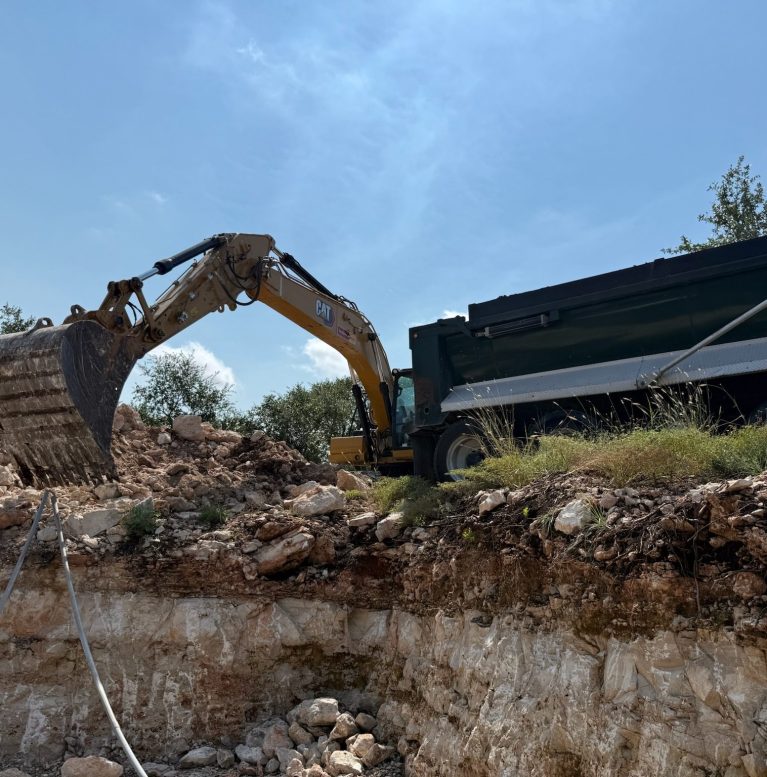
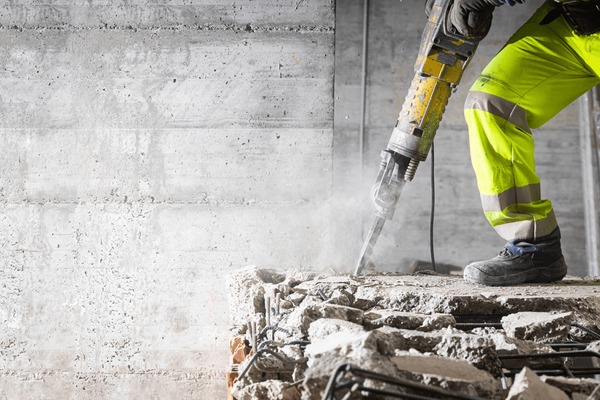
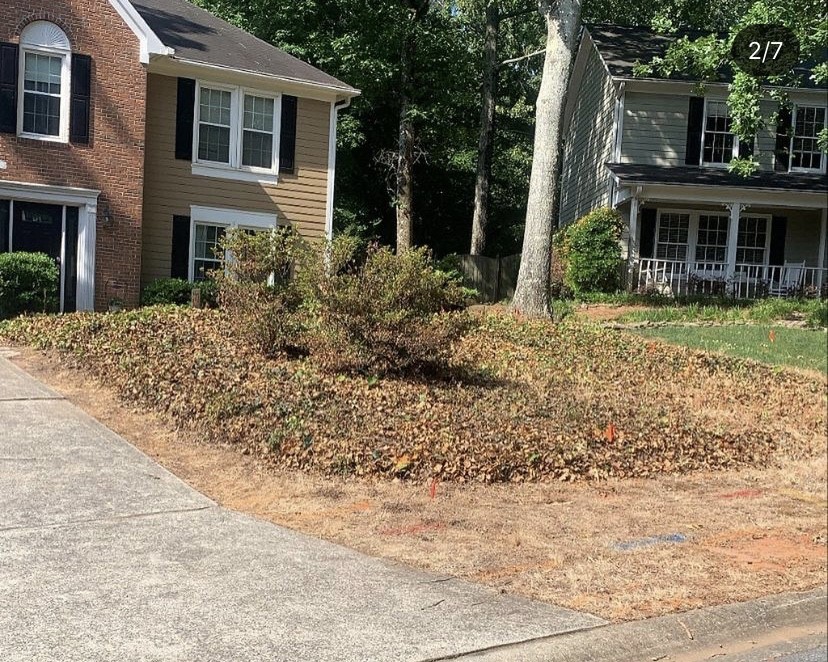
We start with earthwork and subgrade stabilization. Roots, topsoil, and soft material get cleared out, and we cut down to the proper depth so the base has room to work. Skipping this step is the number one reason gravel driveways fail in this soil.
Next comes the geotextile membrane. This fabric layer separates the gravel from the native clay below it, so the two never mix. Without it, red clay works its way up into the stone over time and turns your driveway back into mud.
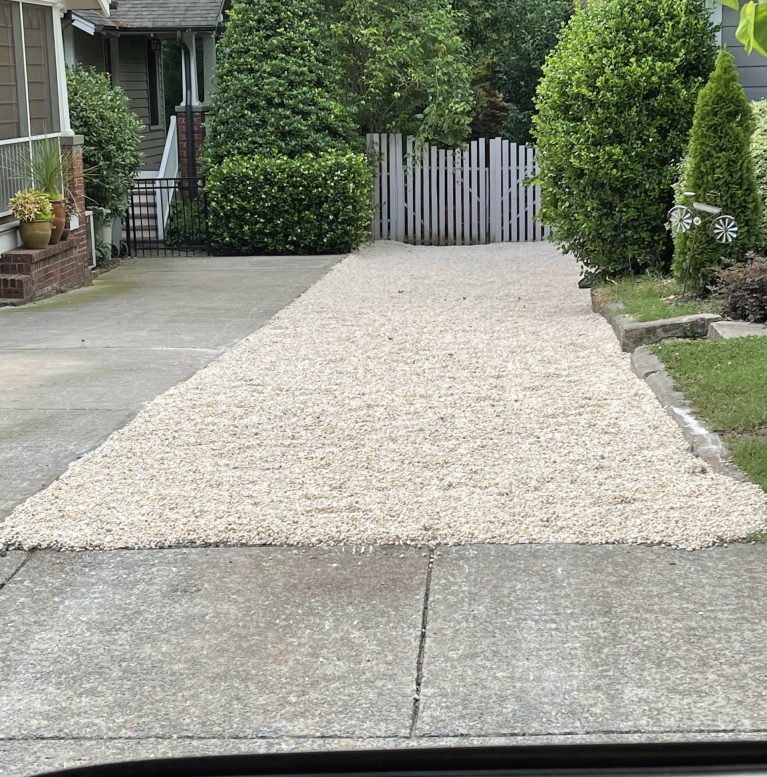
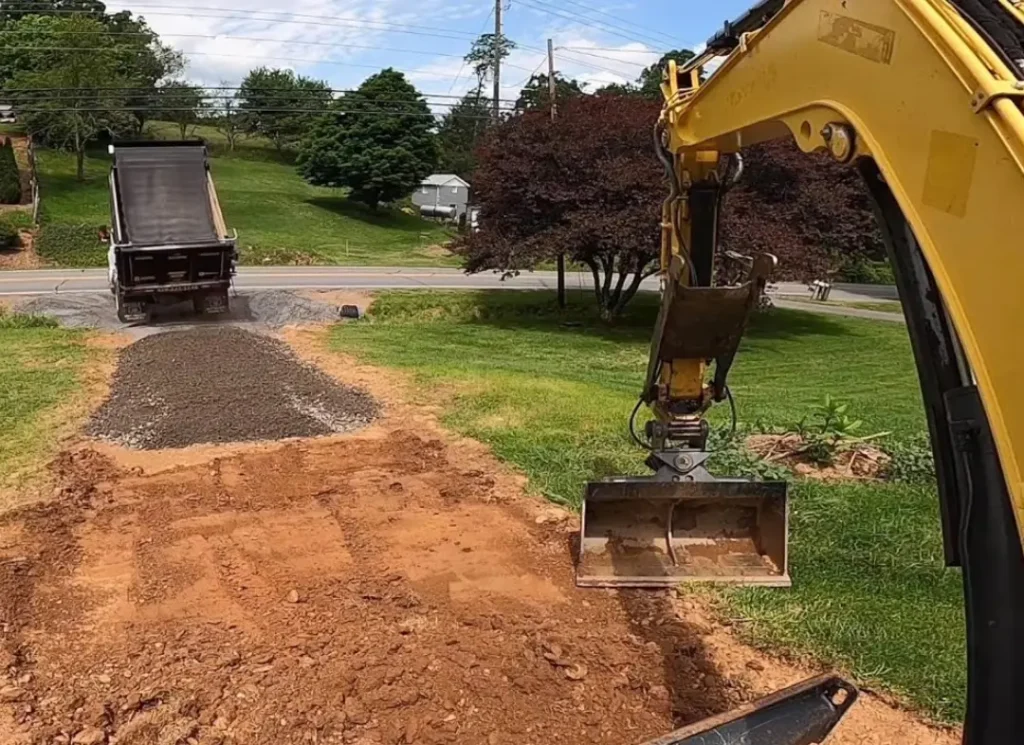
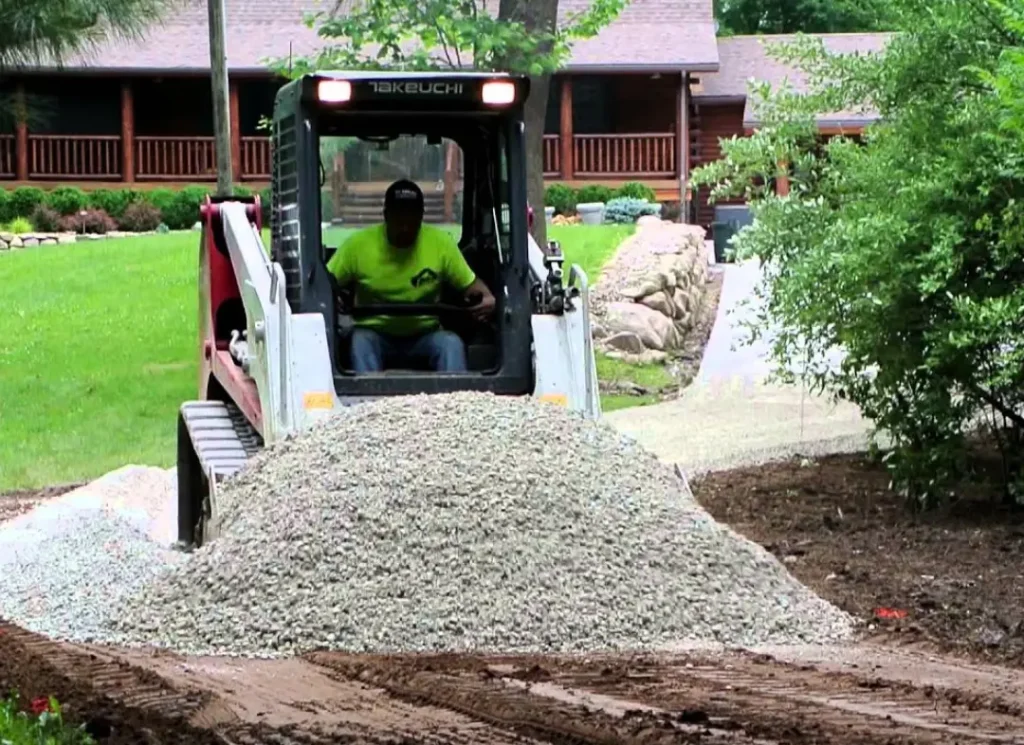
From there we build a multi-layer aggregate base. Heavy #4 or #3 ballast stone goes down first for structure, followed by a dense crusher run layer for compaction, then a top course of clean #57 washed stone for a finished, drivable surface.
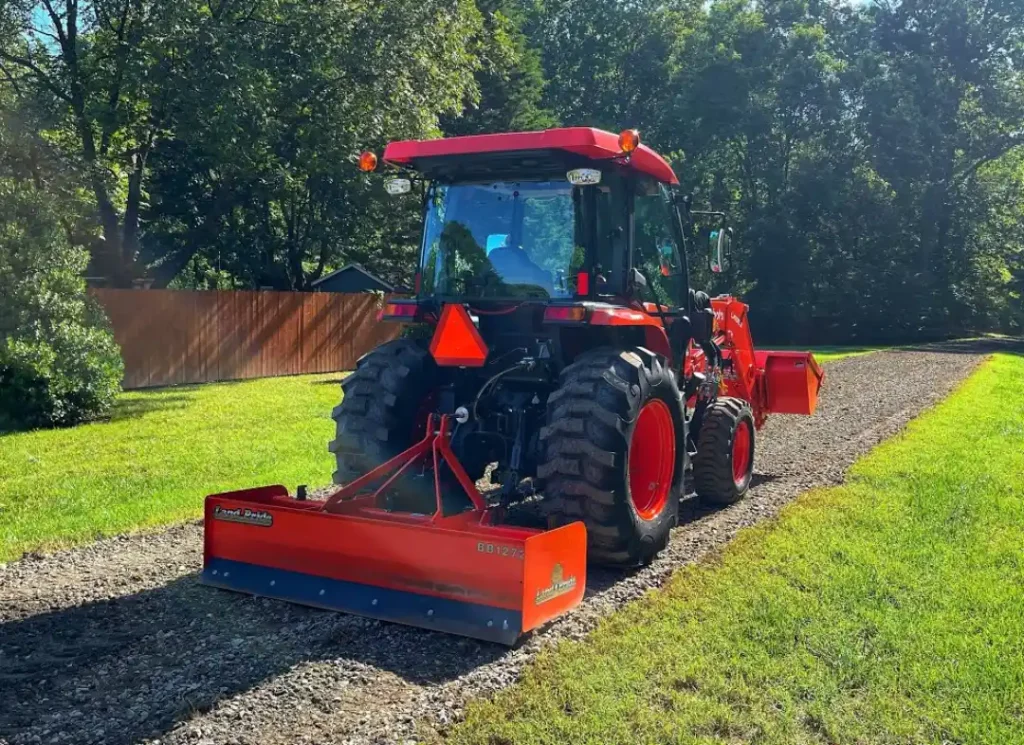
Last is the crown and drainage grading. We pitch the surface so water sheds off to the sides instead of pooling and softening the base, routing it into swales or French drains where needed.
Sardis Forest Driveway Rebuild: A homeowner near Sardis Forest was regrading and re-topping gravel every few months after summer storms. We excavated down to stable subgrade, installed woven geotextile fabric, and rebuilt with a crusher run base and #57 stone top. No sinking or rutting through the following rainy season.
Weddington Trace New Install: New construction off the I-485 Outer Loop corridor needed a driveway that could handle delivery trucks during buildout. We installed a full compacted base with proper crown grading from day one, avoiding the mud pump-through common on unstabilized Piedmont clay lots.
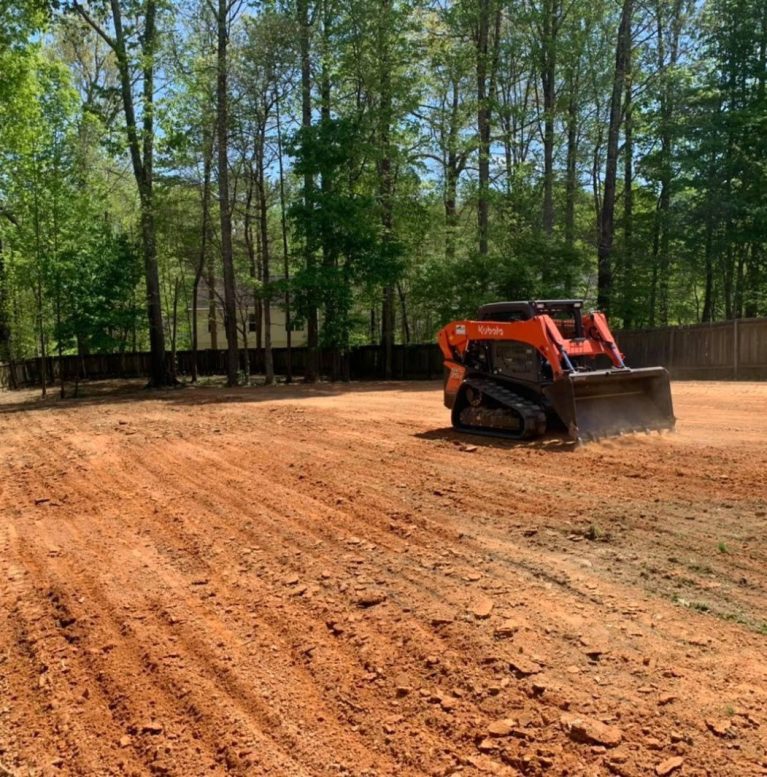
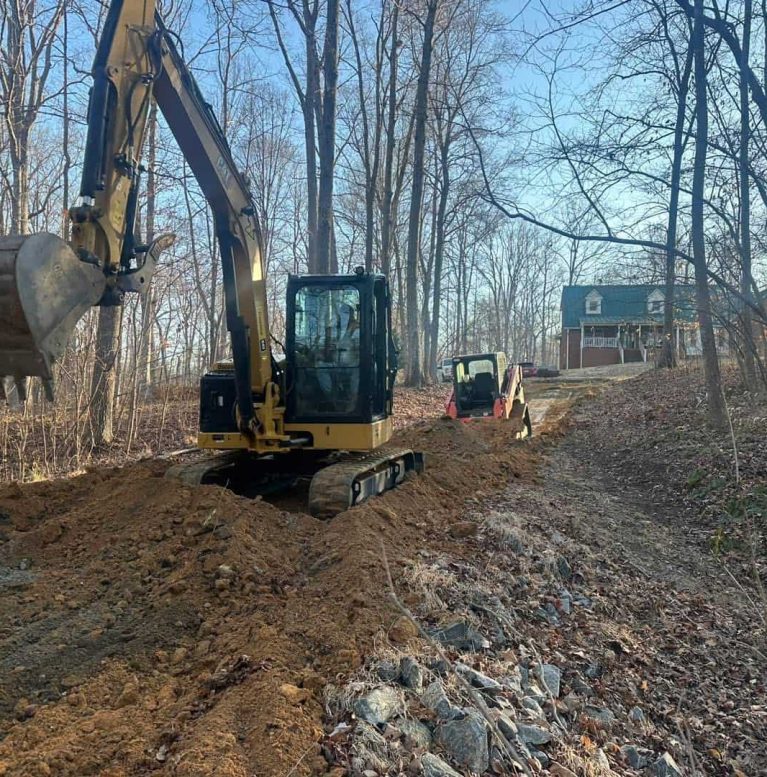
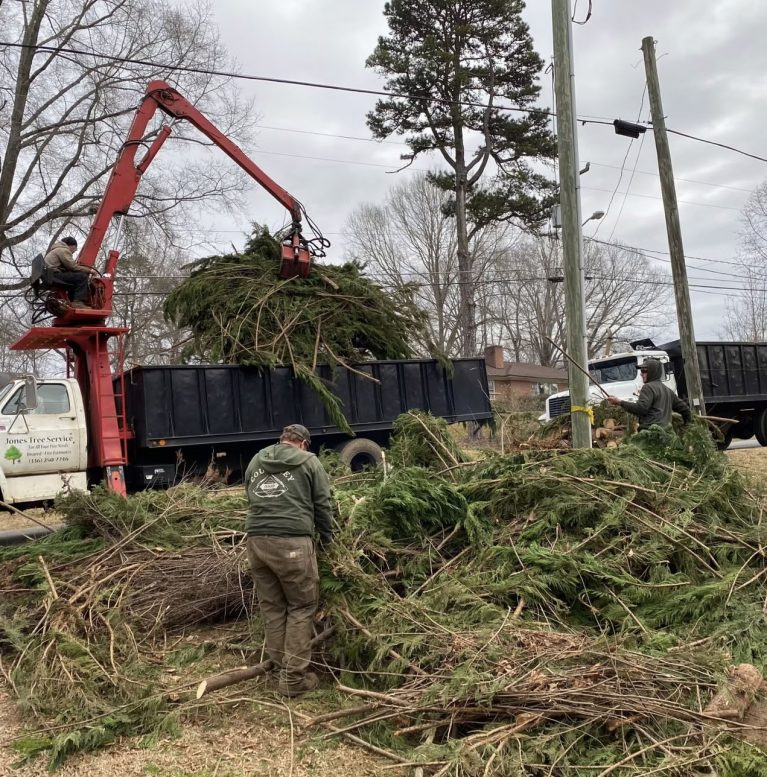
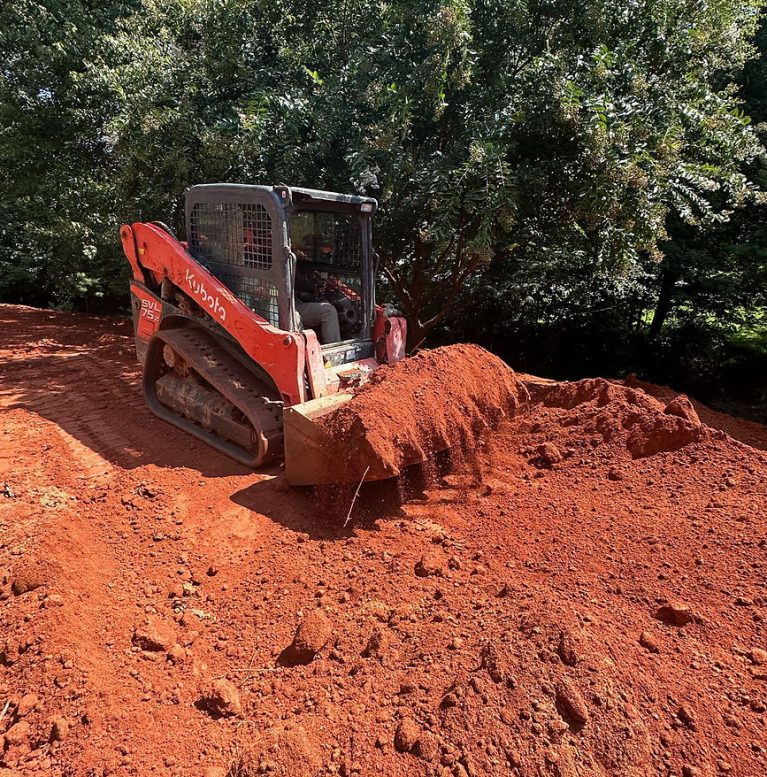
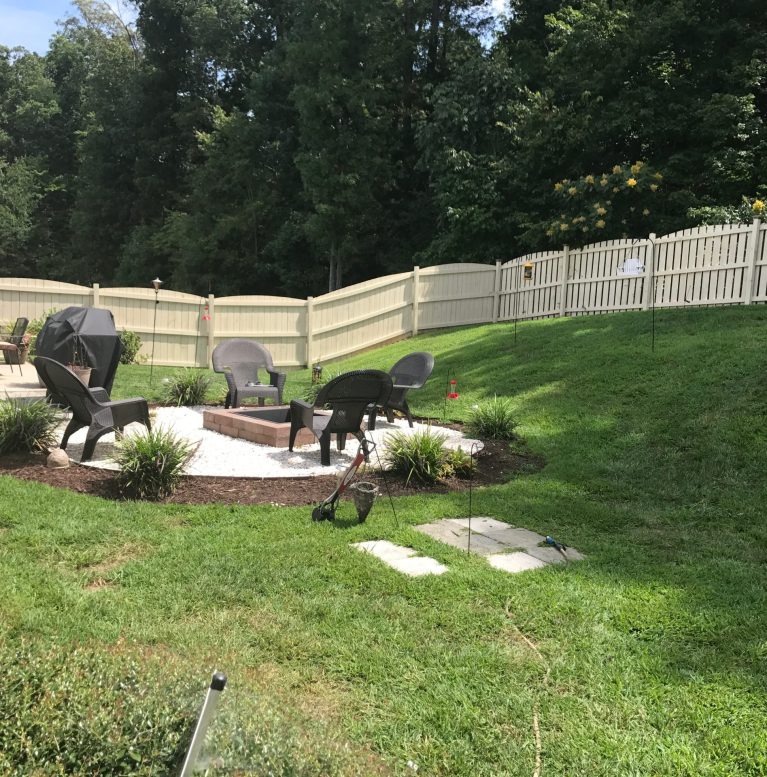
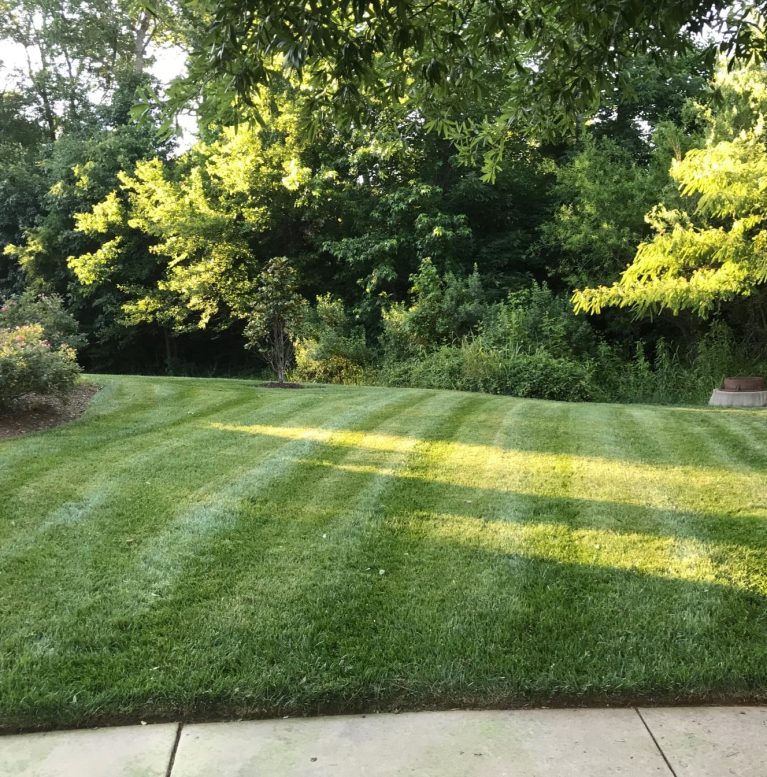
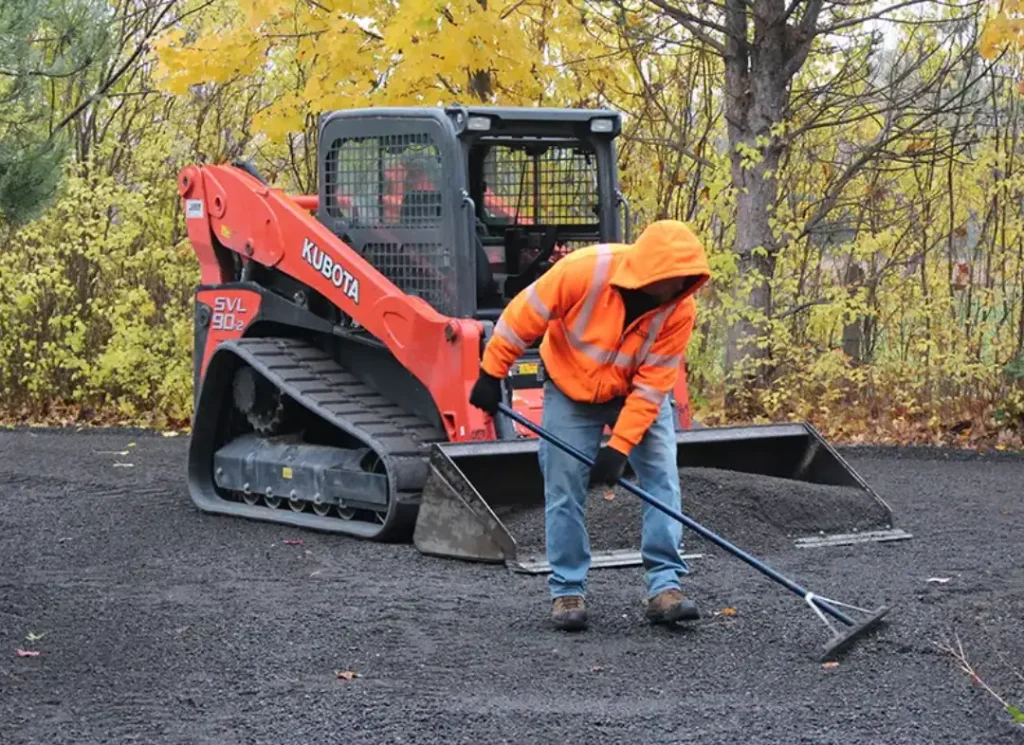
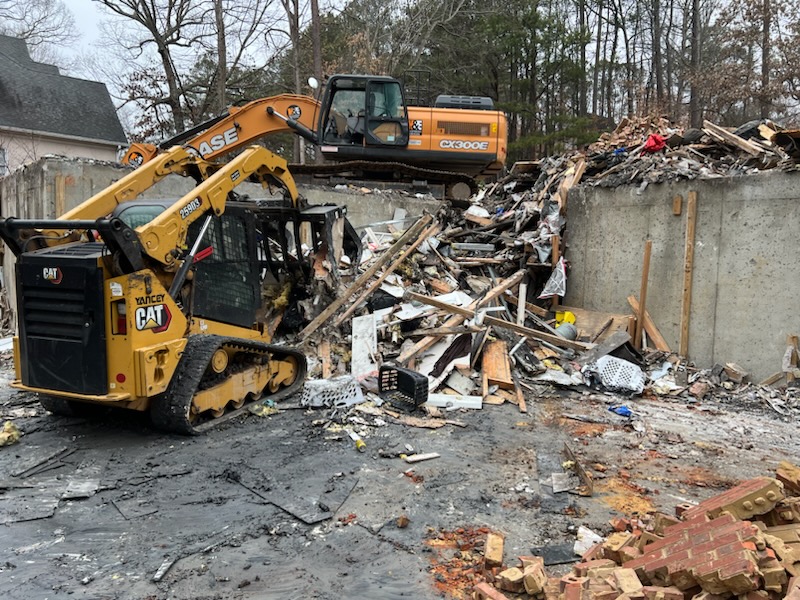
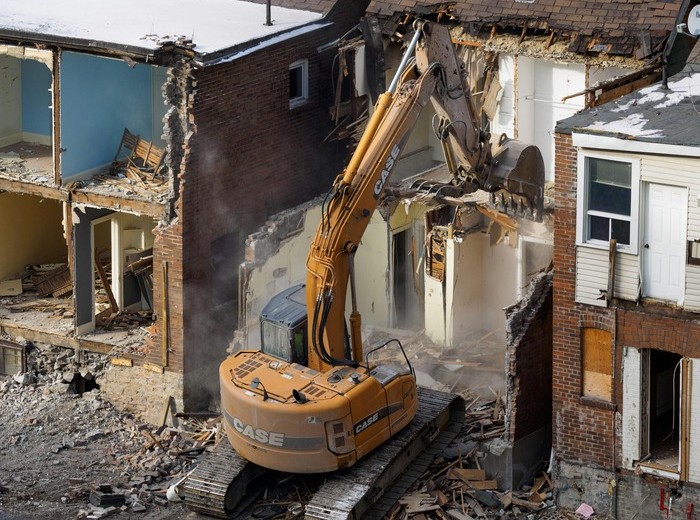
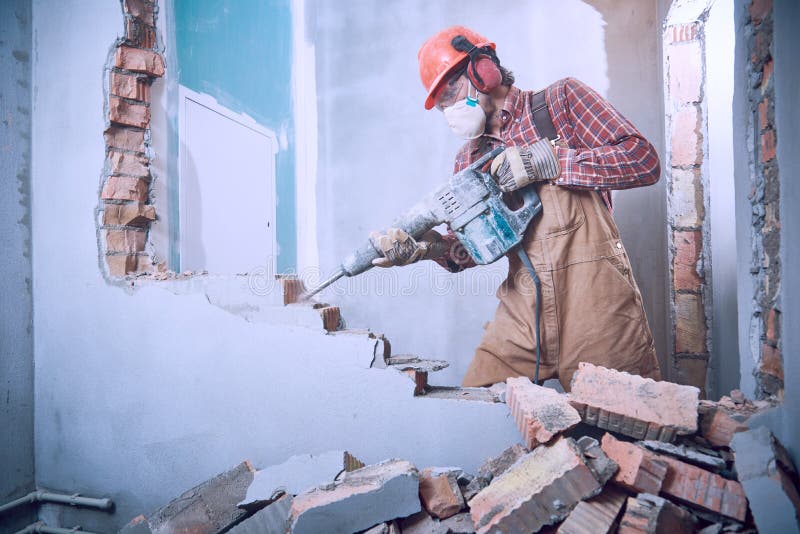
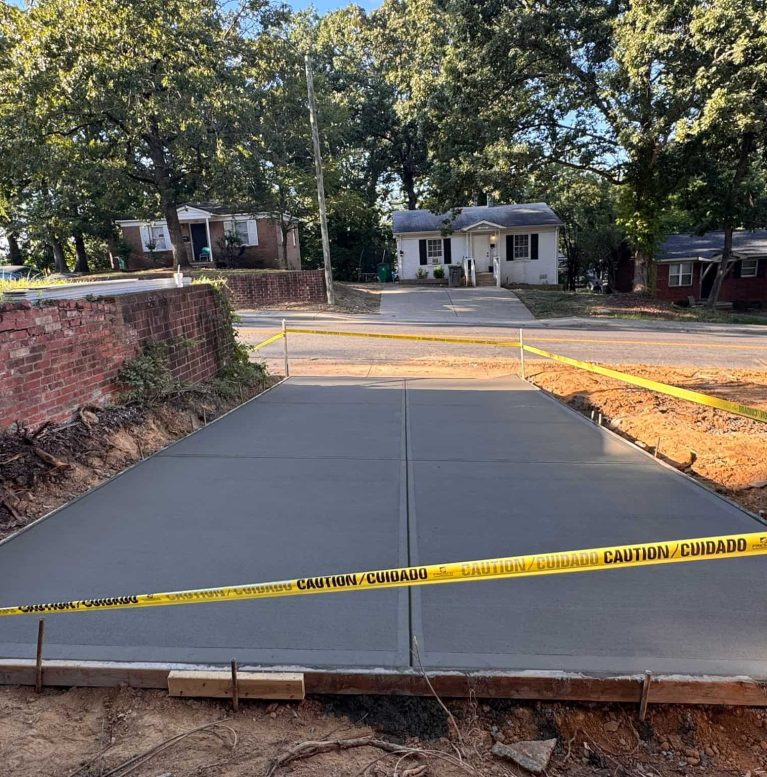
Take a look at some of our latest work. Scroll through the photos below to see our team in action and the results we deliver.
We excavate to stable subgrade and install a geotextile fabric layer before adding stone. That separation is what stops the clay from swallowing your gravel.
Topping with crusher run alone costs less upfront but needs frequent redoing. A stabilized base costs more initially but eliminates repeat regrading and stone loss.
Without a stabilized base, expect regrading every few months. With proper subgrade prep and geotextile separation, most driveways only need light topping once a year.
Cecil and Madison series clay behave similarly across Southeastern Mecklenburg County. The same excavation, fabric, and layered aggregate approach works reliably in both areas.
Yes. The #4/#3 ballast layer and compacted crusher run base are built to carry heavy vehicle weight without rutting, even on higher-traffic properties near US-74.