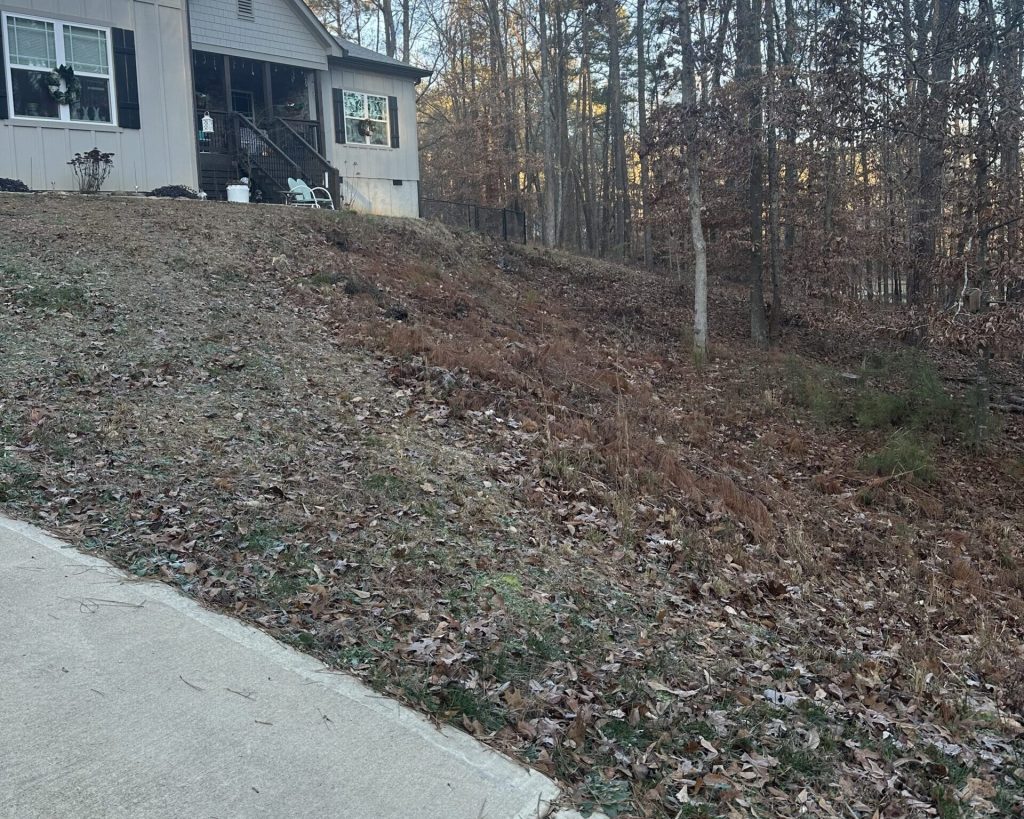
Matthews sits on dense, iron-rich Piedmont Cecil clay. It looks solid, but it isn’t. When spring microbursts, summer thunderstorms, or the outer bands of a coastal hurricane roll through, that clay saturates fast and loses its grip. Add in the shallow root systems common to mature Willow Oaks and Water Oaks throughout local neighborhoods, and you have a recipe for sudden uprooting.
You’ve probably seen it. A tree that looked healthy for decades goes over in one bad storm, taking a fence, a roof line, or a power connection with it. It’s not always about disease. Sometimes it’s just soil physics working against a tall canopy in high wind.
We know this ground. Our crews handle emergency storm damage tree cleanup across Matthews with equipment and rigging built for wet, unstable clay conditions — not textbook dry-soil removals. If a storm has left a tree leaning, cracked, or already down, we assess the risk fast and get it handled before it becomes a bigger problem for your home or your neighbors’.
From residential projects to commercial developments, we provide end-to-end solutions for every stage of construction.
Every job starts with a certified arborist tree risk assessment. We look at lean angle, root plate condition, canopy weight distribution, and how the Cecil clay around the base is holding up. That tells us exactly how the tree needs to come down.
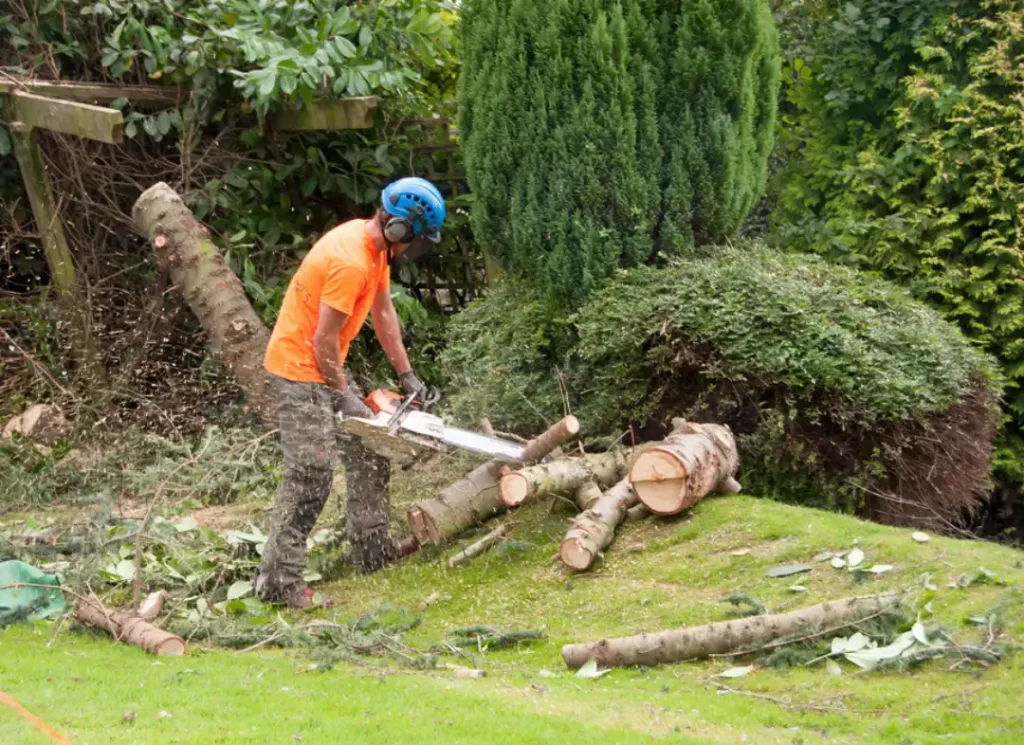
From there, it’s controlled work. Hazardous branch trimming and crown reduction happen first if the canopy is unstable or overhanging a structure. On tight residential lots common throughout Matthews, we rig and lower sections instead of dropping full trees, protecting fences, sheds, and neighboring yards.
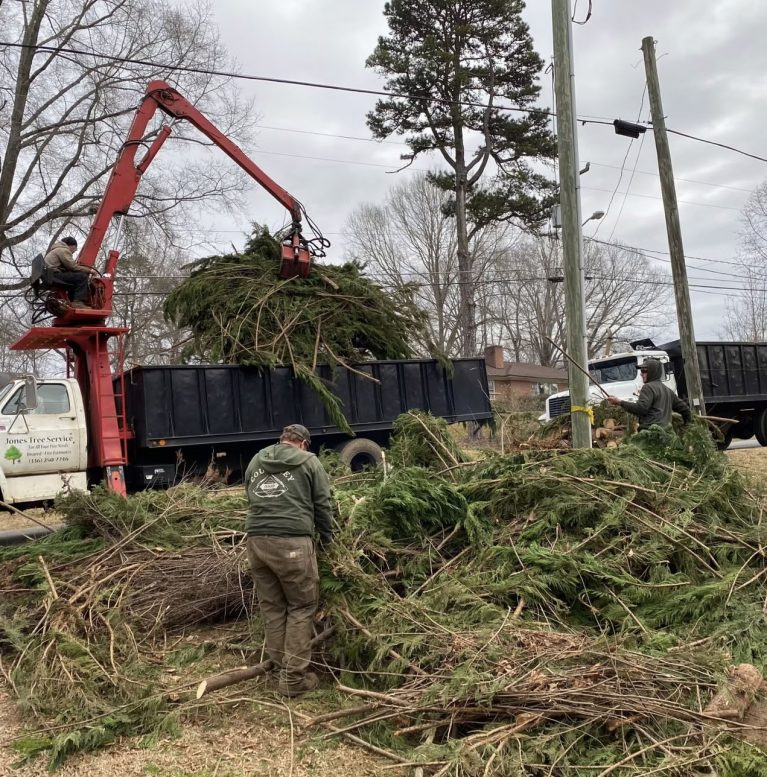
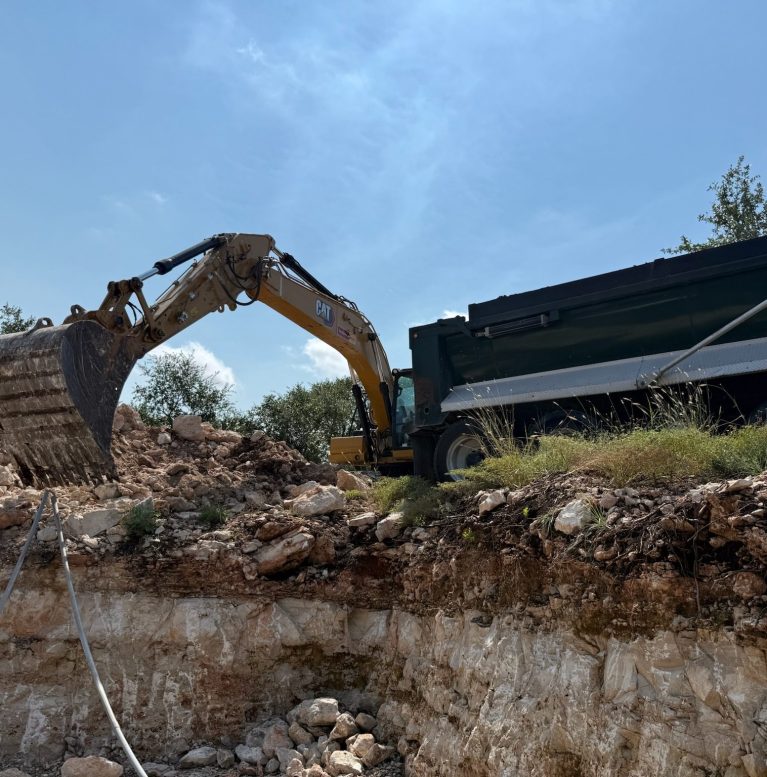
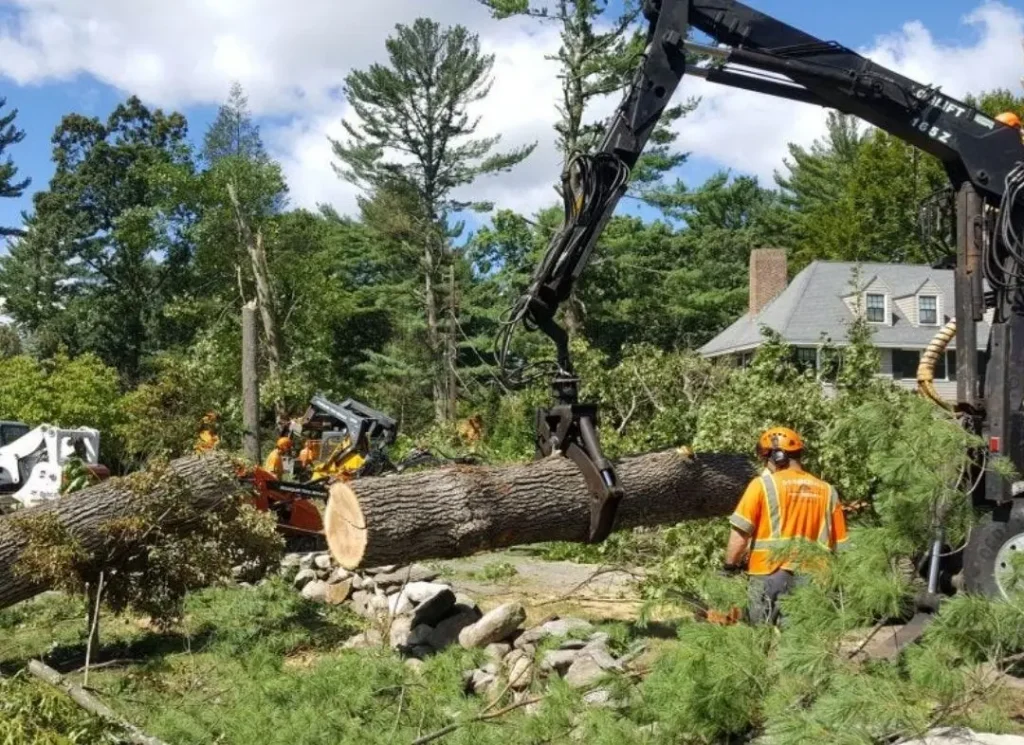
For backyards boxed in by structures or with no clear drop zone, we bring in backyard crane-assisted tree removal — lifting sections straight up and out instead of forcing a path through your landscaping.
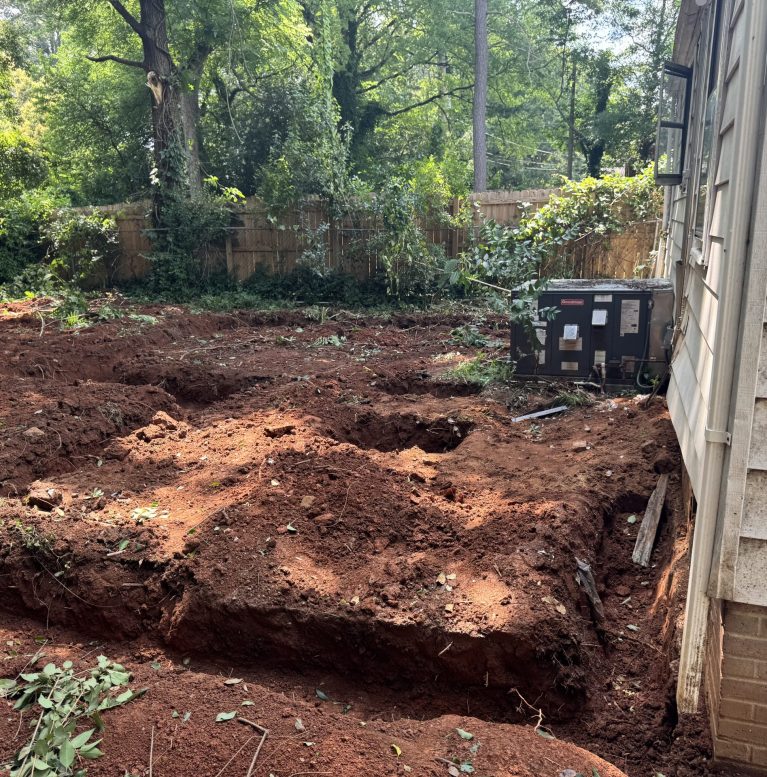
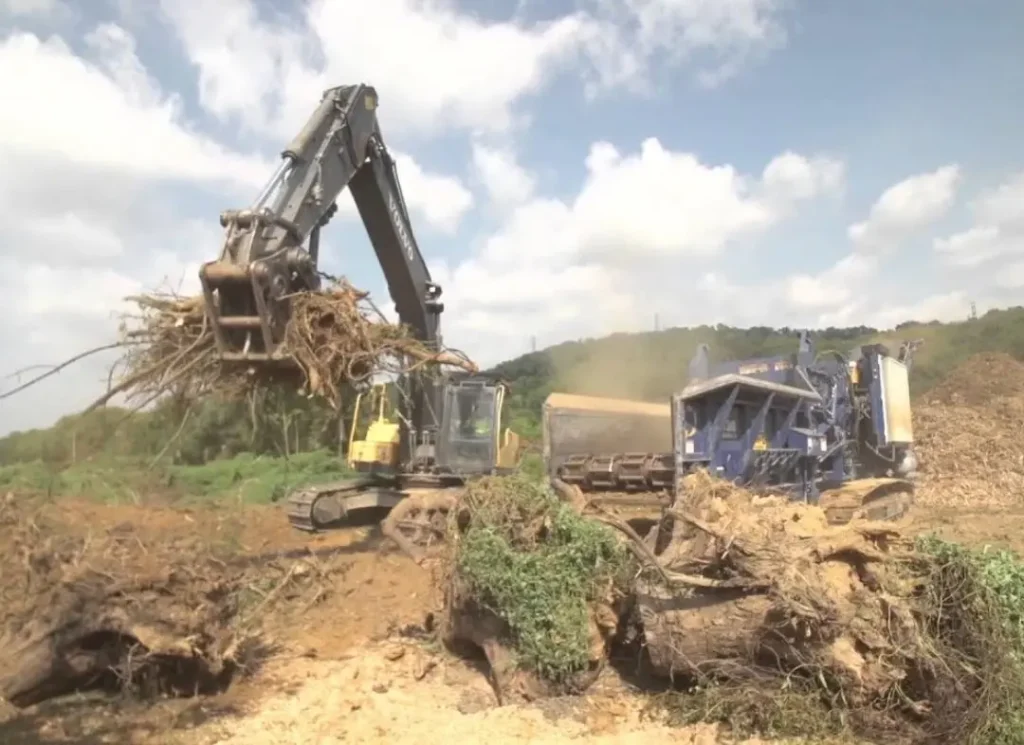
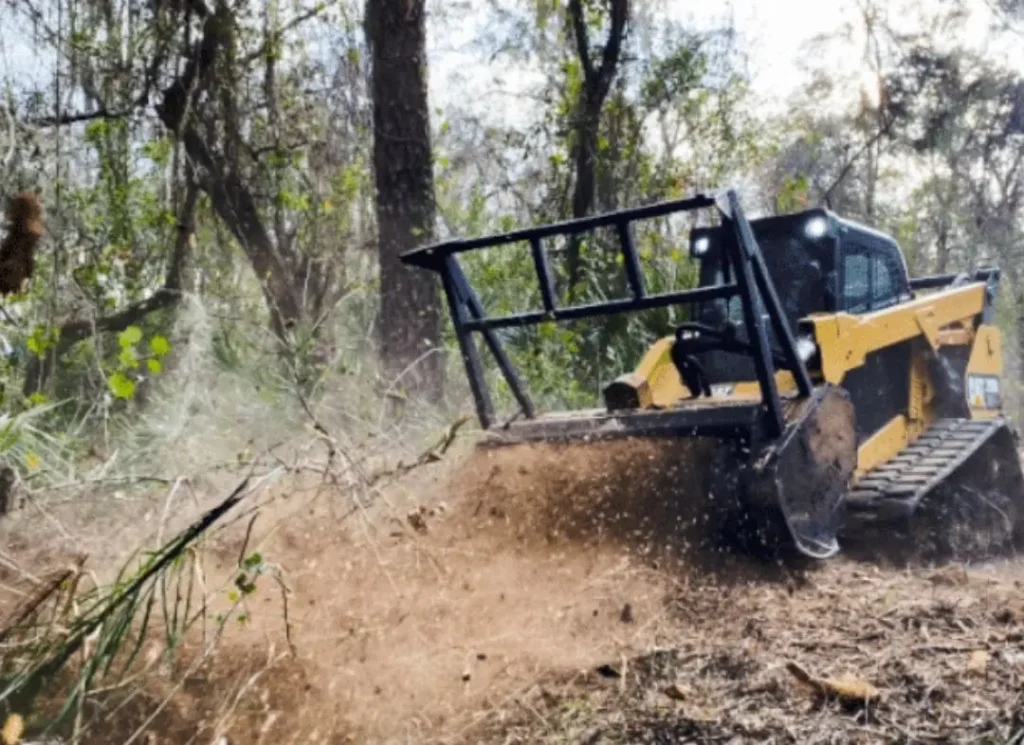
Once the tree is down, we finish with heavy clay soil tree root removal and stump grinding. Wet Cecil clay makes root removal harder than sandy soil, so we use equipment matched to the ground, not generic gear that tears up your yard in the process.
Chestnut Oaks Storm Response: A mature Water Oak uprooted onto a fence line during a summer thunderstorm near Chestnut Oaks. Saturated Cecil clay had already loosened the root plate. Our crew removed the tree in sections, cleared debris, and ground the stump within 48 hours, avoiding further yard damage.
Plantation Estates Crane Removal:
A leaning Loblolly Pine threatened a home in Plantation Estates with no safe drop zone. We used backyard crane-assisted tree removal to lift and lower each section over the roofline, protecting hardscaping and landscaping throughout the tight residential lot.
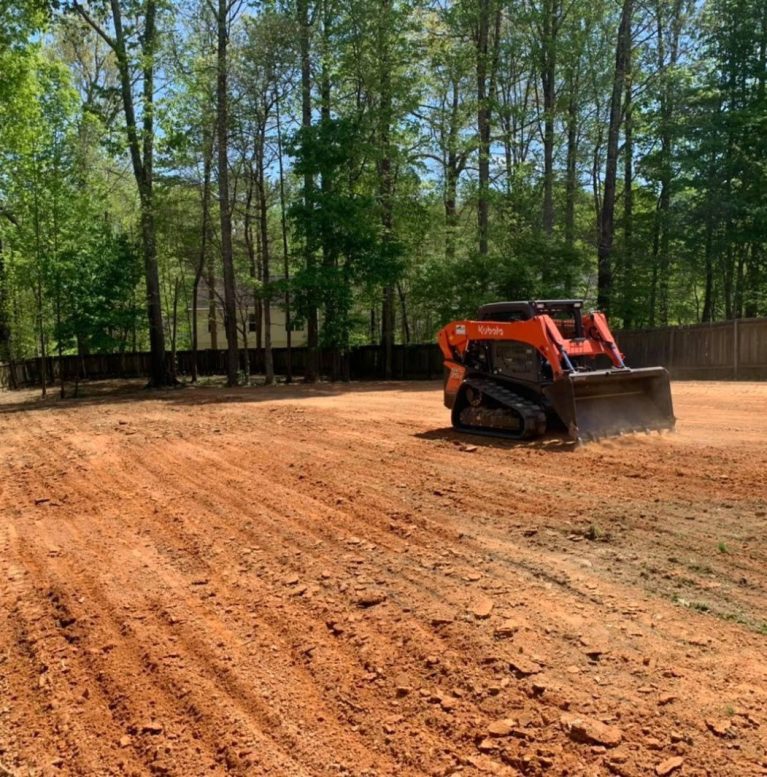
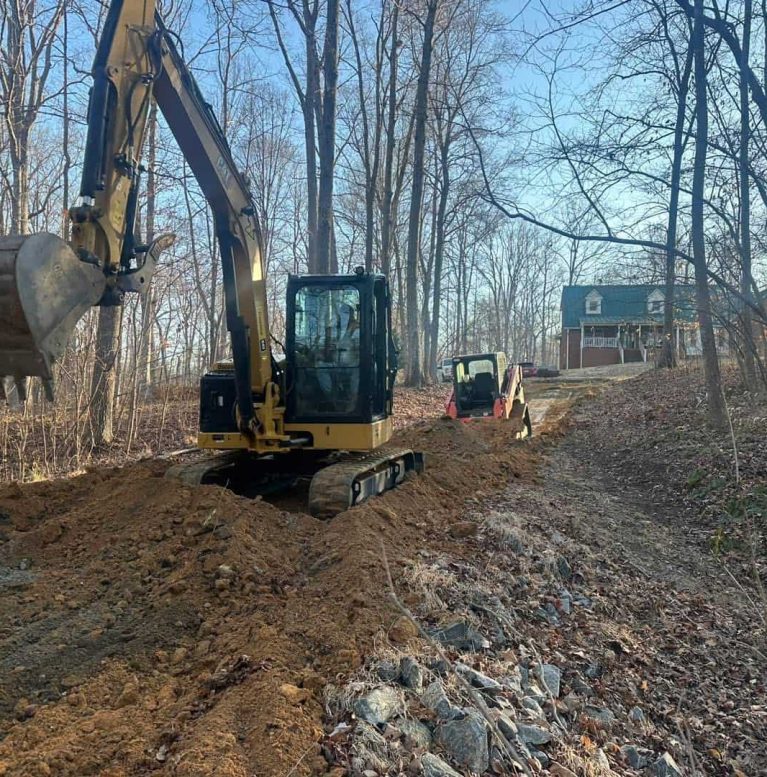
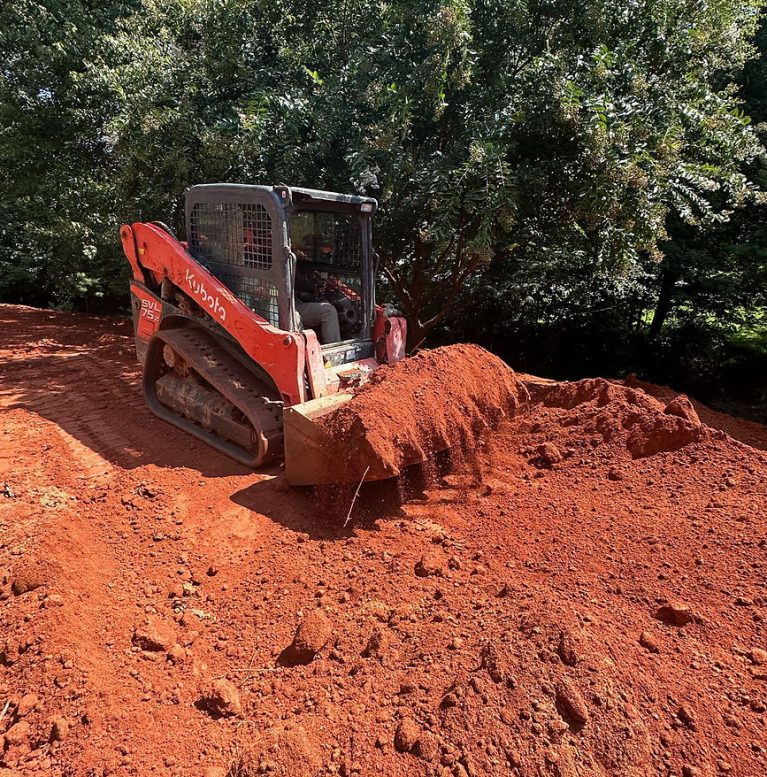
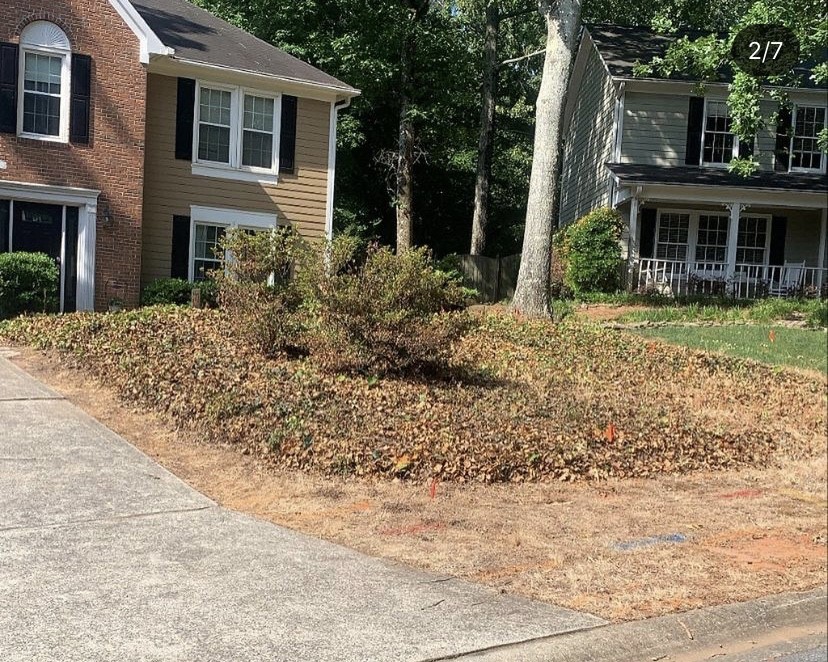
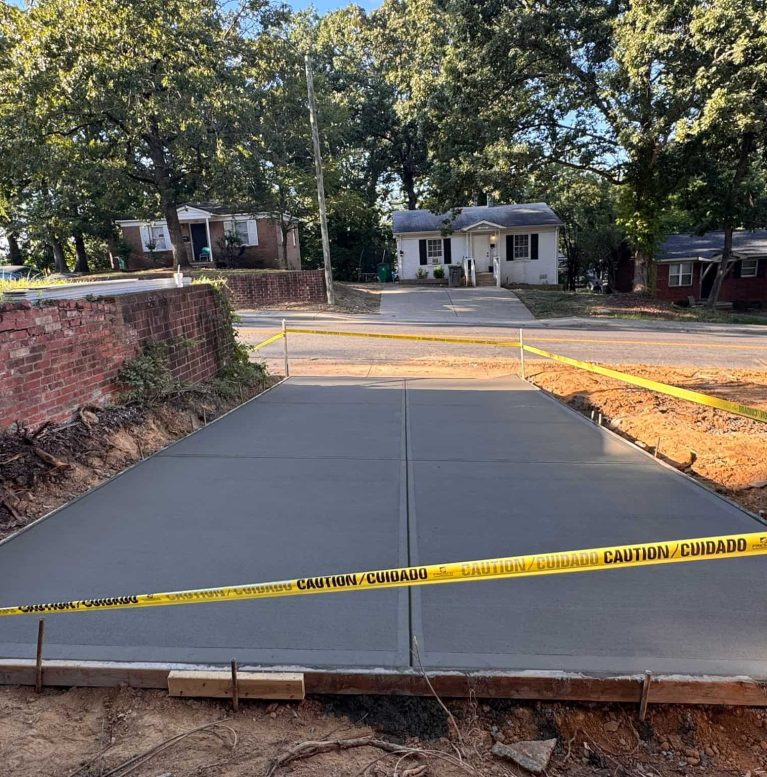
Take a look at some of our latest work. Scroll through the photos below to see our team in action and the results we deliver.
Requirements vary by tree size, species, and HOA rules near NC-51 communities. We check local code before starting so your removal stays fully compliant.
Cost depends on tree size, access, and utility proximity. We coordinate with utility protocols and give you a clear quote after an on-site risk assessment.
We use matting and route planning to protect turf and hardscaping. Saturated Cecil clay ruts easily, so we adjust equipment access on every wet-soil job.
Not always. A certified arborist assessment tells us if it’s a hazard needing immediate removal or a tree that can be stabilized and monitored.
Root rot and pine bark beetle infestation are common locally. We diagnose before recommending removal, so healthy trees aren’t cut unnecessarily.