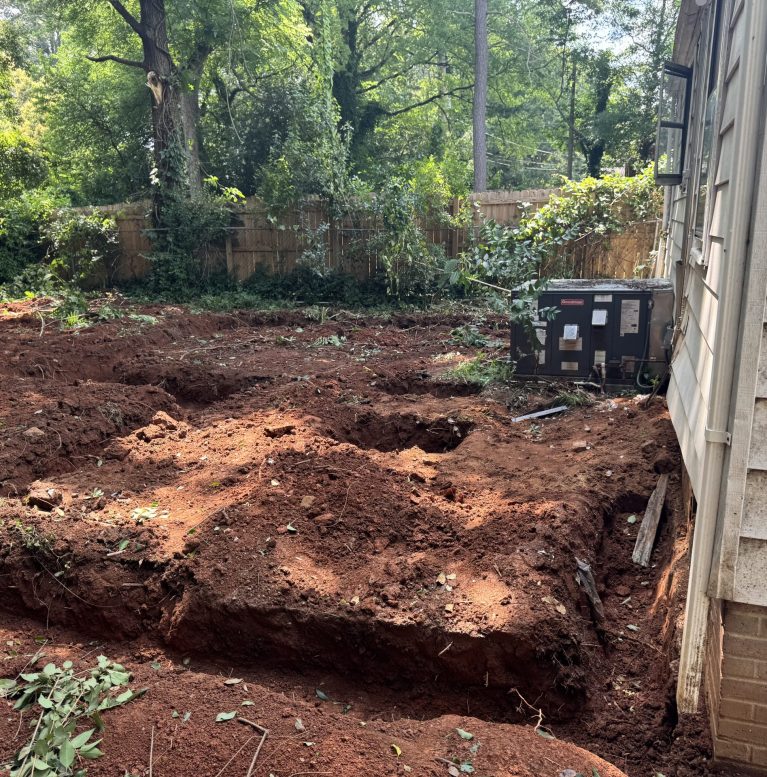
If your lawn looks tired by August, the soil is the problem, not your watering schedule. Matthews sits on heavy Piedmont red clay, and that clay compacts hard under foot traffic, mowers, and North Carolina’s own weight of summer humidity. Compacted clay locks out oxygen and water can’t drain, so it pools on the surface instead of reaching the roots. Tall Fescue, the go-to cool-season grass for lawns from Sardis Forest to Matthews Plantation, can’t survive that. Roots stay shallow, thatch builds up, and by the time the heat stress of a transition-zone summer hits, you’re left with brown patches and bare dirt. This isn’t a one-time problem. Red clay recompacts every year, especially along the busy corridors near Independence Boulevard and Matthews Township Parkway where soil gets compacted fast. Core aeration physically breaks that cycle. It opens channels for air, water, and nutrients to reach the root zone, giving your Fescue room to grow deep, strong roots that can actually handle a Carolina summer.
From residential projects to commercial developments, we provide end-to-end solutions for every stage of construction.
Our process starts with mechanical core aeration, not spikes or shortcuts. We run core aerators across your lawn and pull real plugs of clay and thatch out of the ground, typically 2 to 3 inches deep, enough to actually reach past the compacted layer that’s choking your root system. Those holes stay open, giving oxygen, water, and fertilizer a direct path down to the roots instead of running off the surface. We follow immediately with broadcast overseeding, using premium, drought-tolerant Fescue blends selected for Mecklenburg County’s climate and soil conditions. Timing this step right after aeration matters. The holes we just pulled create direct seed-to-soil contact, which is what actually gets germination rates up instead of seed sitting on top of compacted ground going to waste. Whether your property is off McKee Farm, in Providence Hills, or anywhere along the US-74 corridor, the process stays the same: decompact first, then seed, so new grass has a real shot at rooting deep before next summer’s heat arrives.
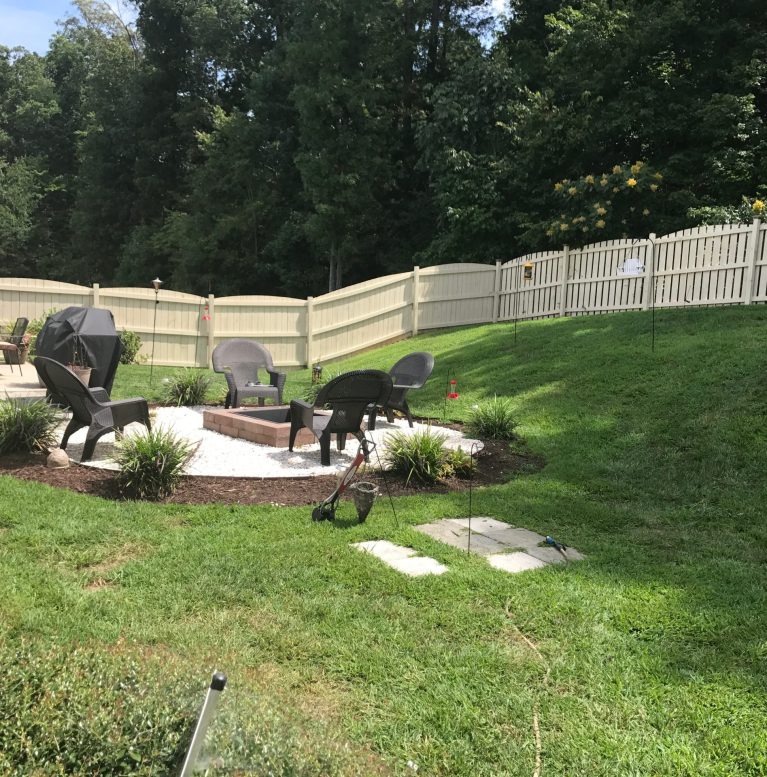
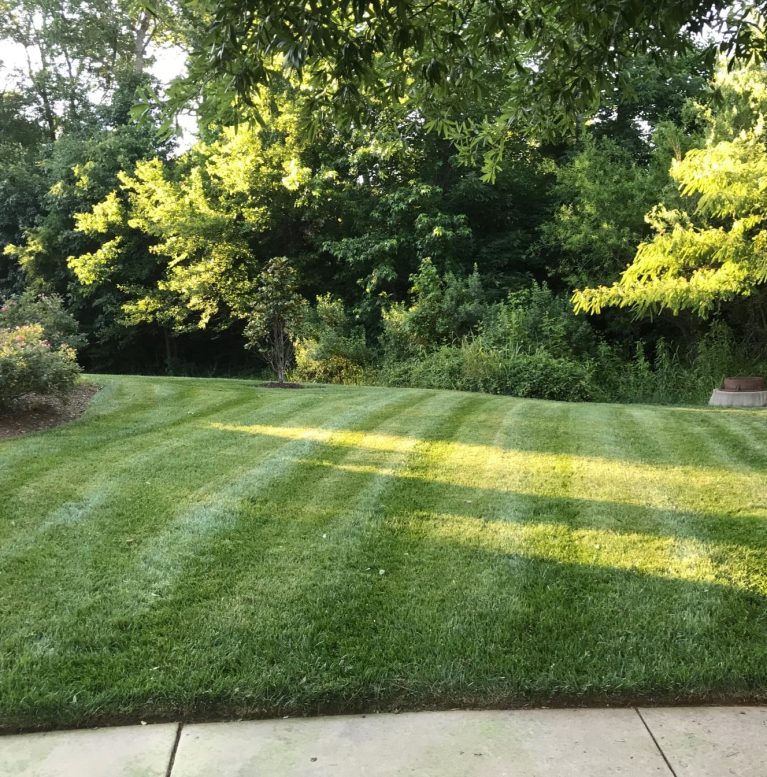
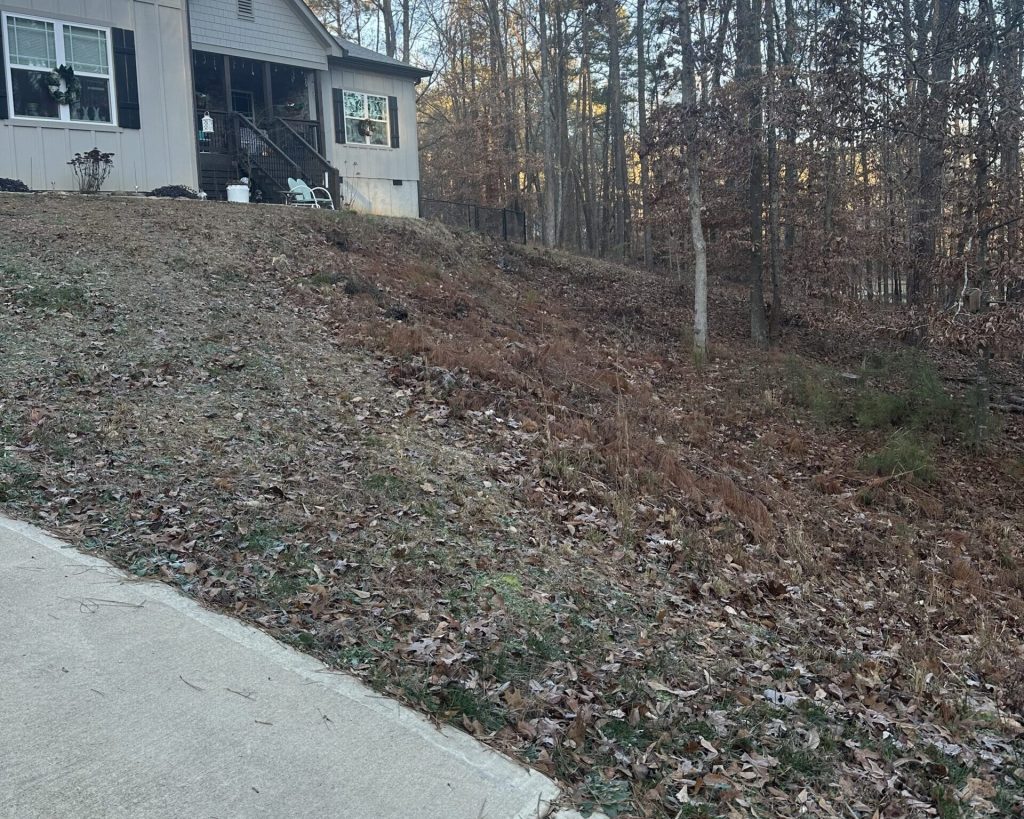
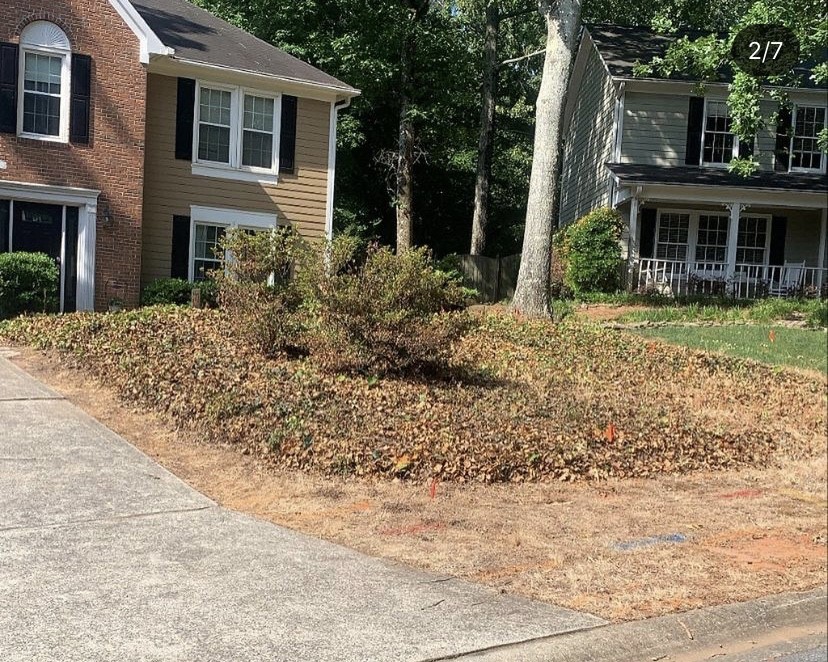
Sardis Forest, Matthews, NC: A homeowner near Sardis Forest had standing water after every storm and a Fescue lawn thinning out in patches. Core aeration opened up the compacted red clay, and fall overseeding filled the bare spots. By spring, drainage improved and the lawn came back thick.
McKee Farm / Providence Hills, Matthews, NC: This property along the McKee Farm corridor had classic clay compaction from summer heat and shallow-rooted Fescue. We pulled 3-inch plugs across the whole yard and overseeded with a drought-tolerant blend. The lawn held up through the following dry spell.
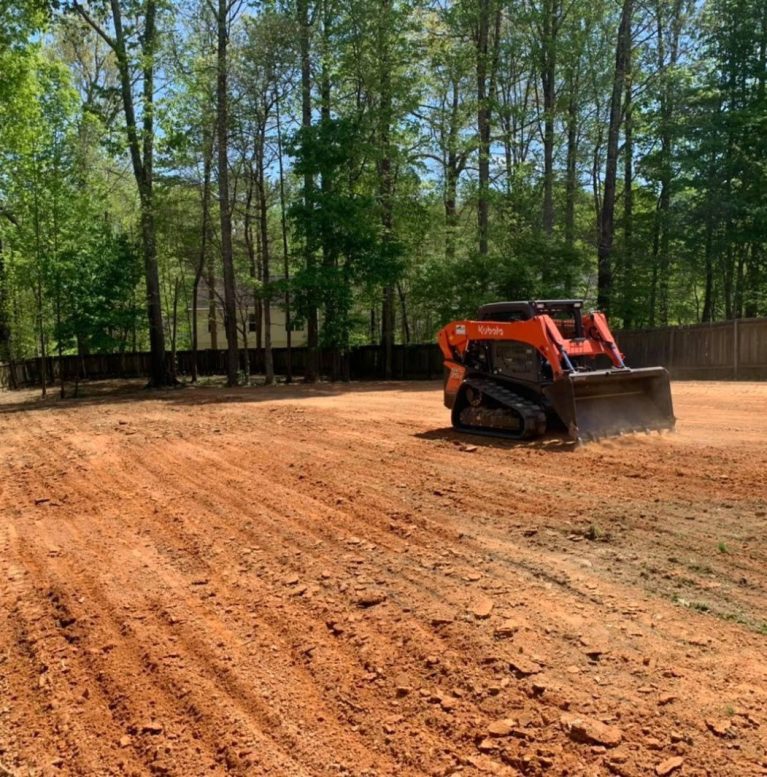
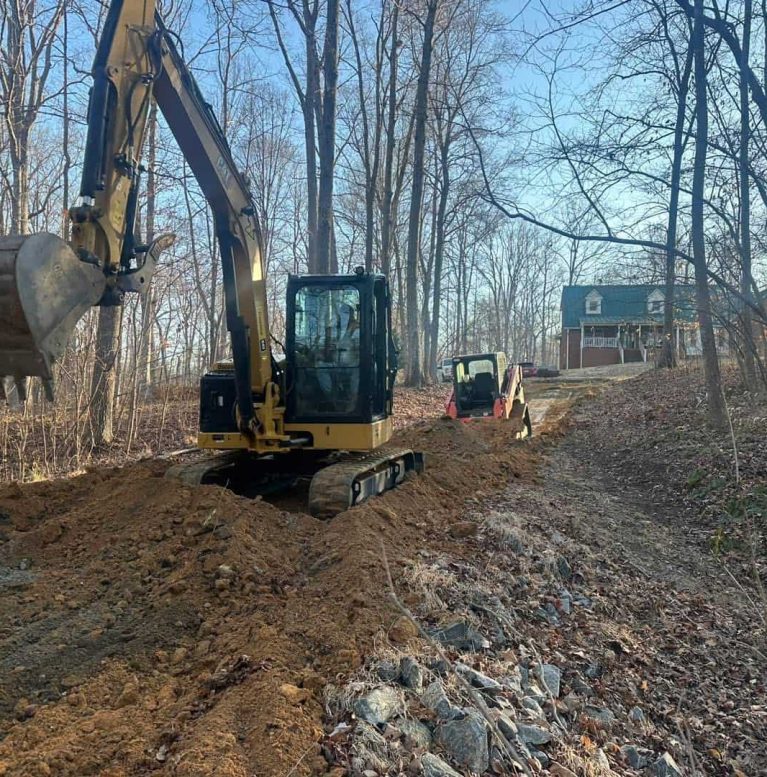
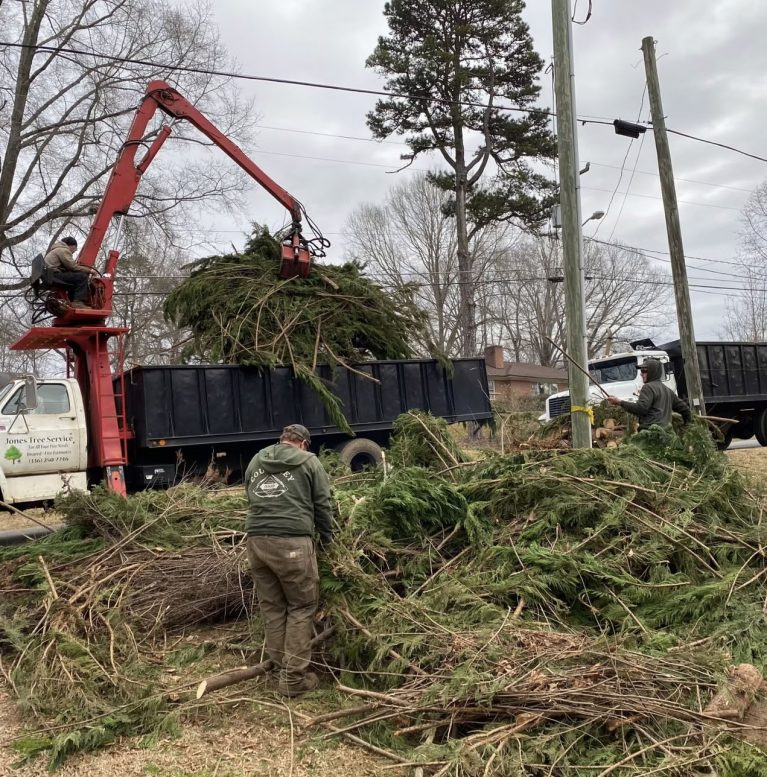
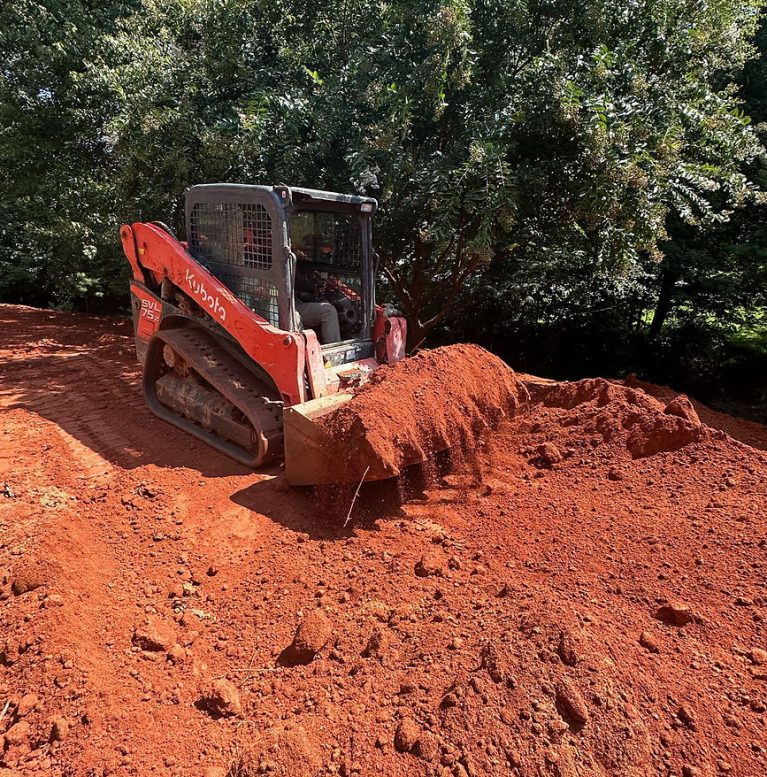
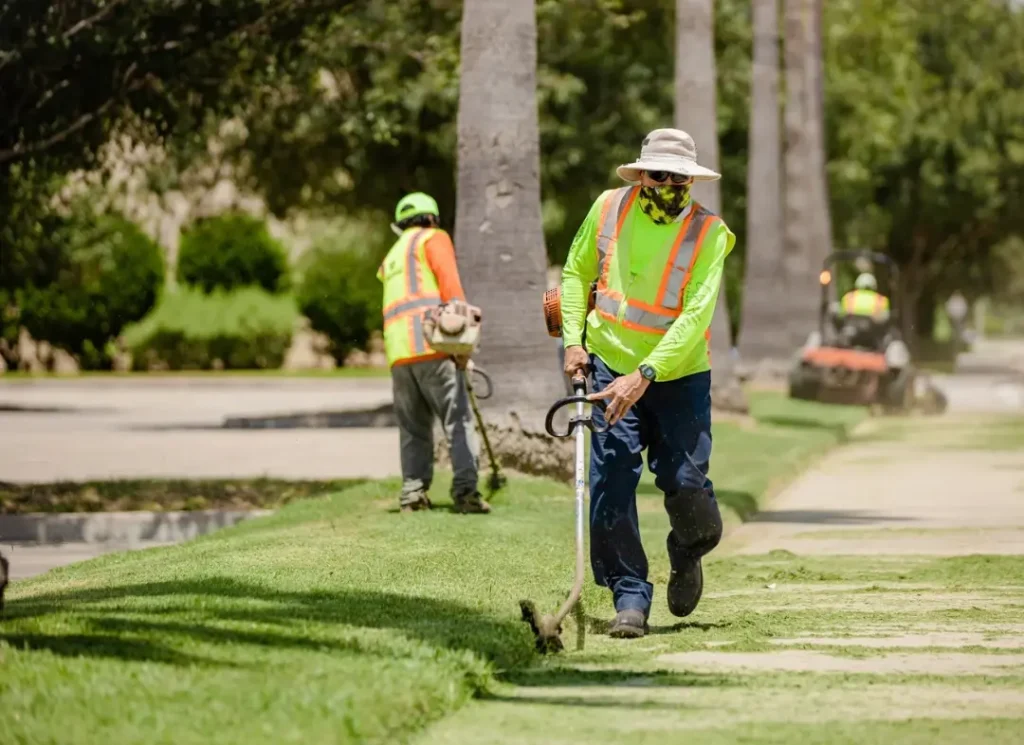
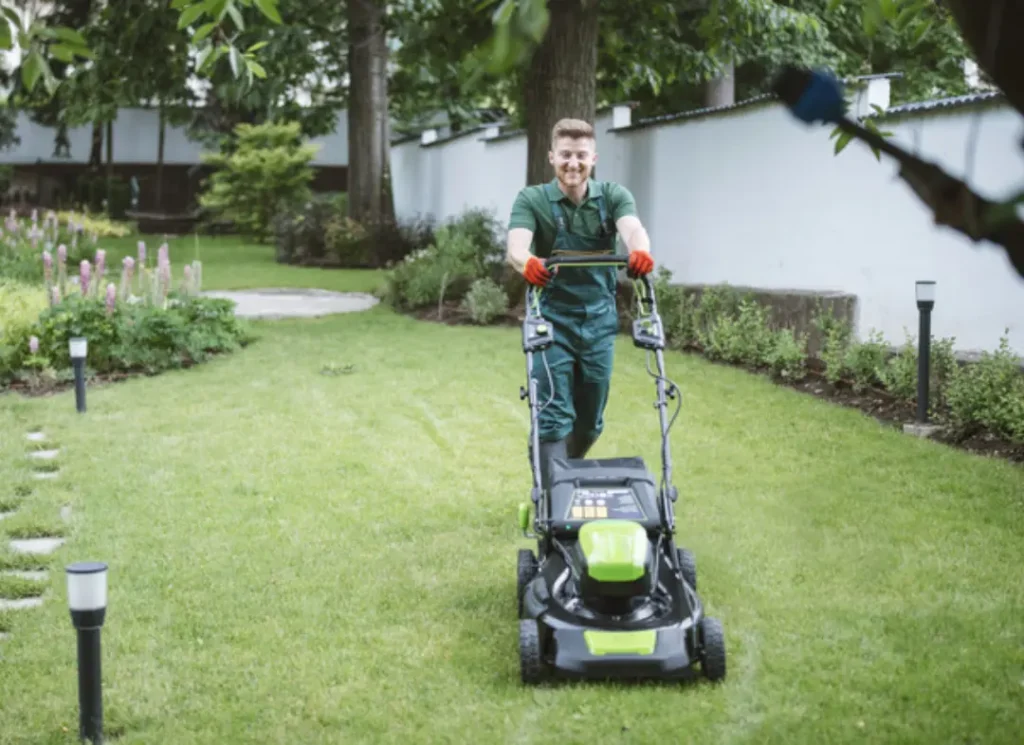
Take a look at some of our latest work. Scroll through the photos below to see our team in action and the results we deliver.
Late summer through mid-October is best. Soil is still warm, which speeds germination, and cooler fall temperatures ahead give young grass time to establish before winter.
We pull plugs 2 to 3 inches deep. That’s deep enough to break through the compacted clay layer and reach the true root zone.
Light foot traffic is fine after a few days. Hold off on heavy play or pets digging for 3 to 4 weeks while new seed roots in.
Yes. Compacted clay is often the cause. Aeration opens channels that let water soak in instead of pooling on the surface.
In most cases, yes. Fall overseeding into freshly aerated soil is the most reliable way to fill in heat-stressed dead spots before winter.