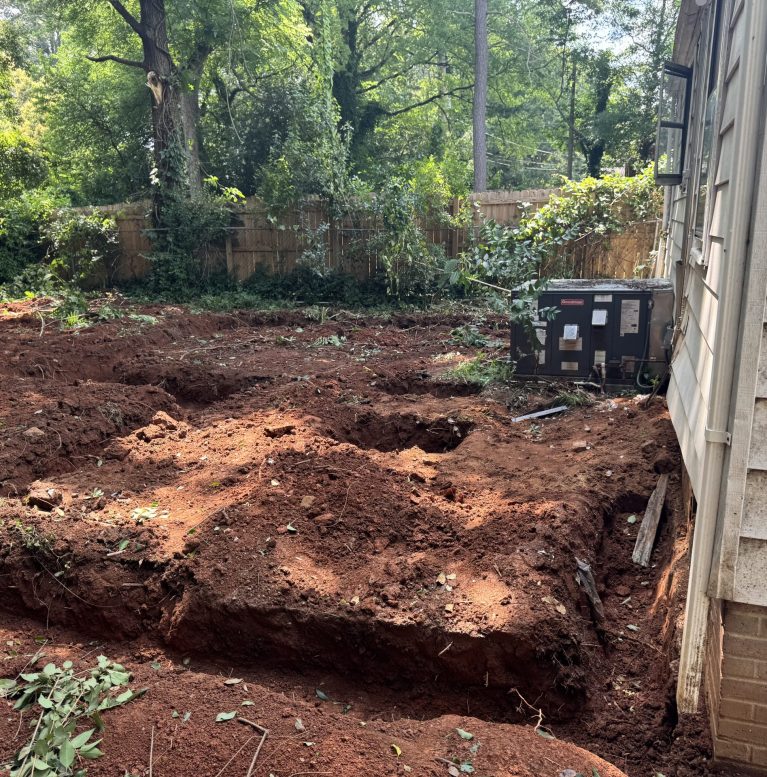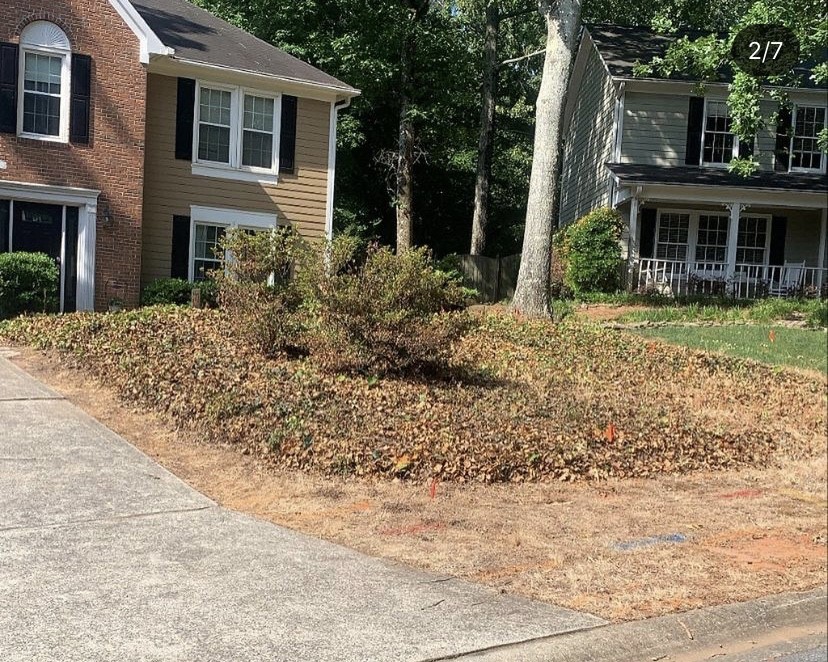
If you’ve dug a post hole in Matthews after a dry August, you know the problem. Cecil red clay bakes into hardpack that laughs off a shovel. Come spring, that same soil swells with every heavy rain, turning yards along Independence Blvd and the NC-51 corridor into standing water and soft, sinking ground.
This is the clay bowl effect. Water gets trapped instead of draining away, and it puts steady pressure on foundations, driveways, and patios. Most landscaping crews treat every yard the same. That doesn’t work here.
We grade for Piedmont subgrades, not generic dirt. That means reading how Mecklenburg County clay behaves wet and dry, then building in the slope, compaction, and drainage paths that keep water moving away from your home instead of pooling against it.
Whether you’re near Downtown Matthews or out toward the Providence High corridor, the ground under your yard has the same habits. We know how to work with it, not against it.
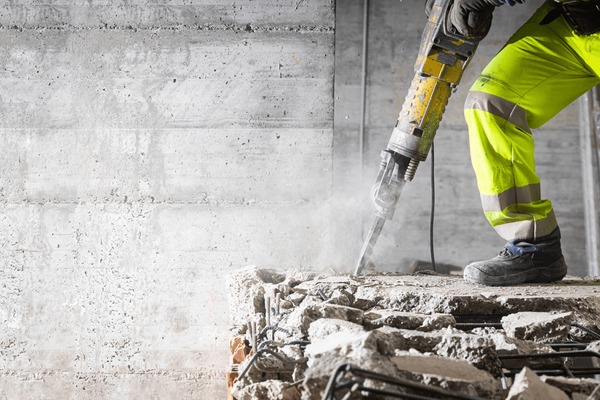
From residential projects to commercial developments, we provide end-to-end solutions for every stage of construction.
We start every job with utility line markouts. No exceptions. Hitting a gas or water line isn’t just a delay, it’s a liability, and we won’t put your property at risk to save an hour.
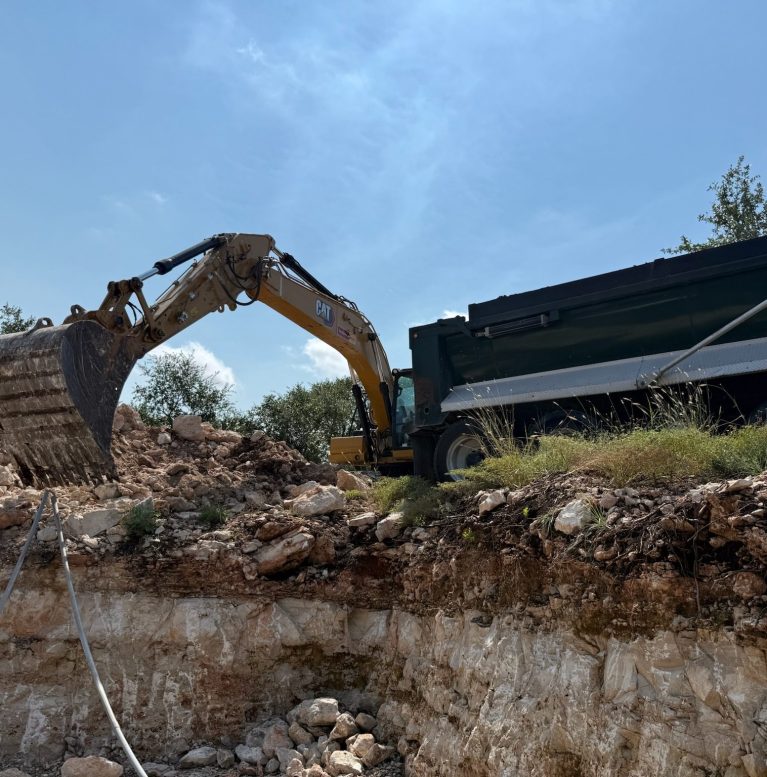
From there, our crews use laser-guided grading to establish accurate cut and fill lines. This is where expansive clay soil gets managed correctly. We over-excavate soft or unstable spots, remove unsuitable material, and bring in proper base material where the native clay won’t hold a stable subgrade on its own.
Compaction happens in stages, not one pass. Each lift gets compacted before the next goes down, which is what actually prevents future settling under a driveway or patio. Skipping this step is the number one reason dirt work fails a year or two later.
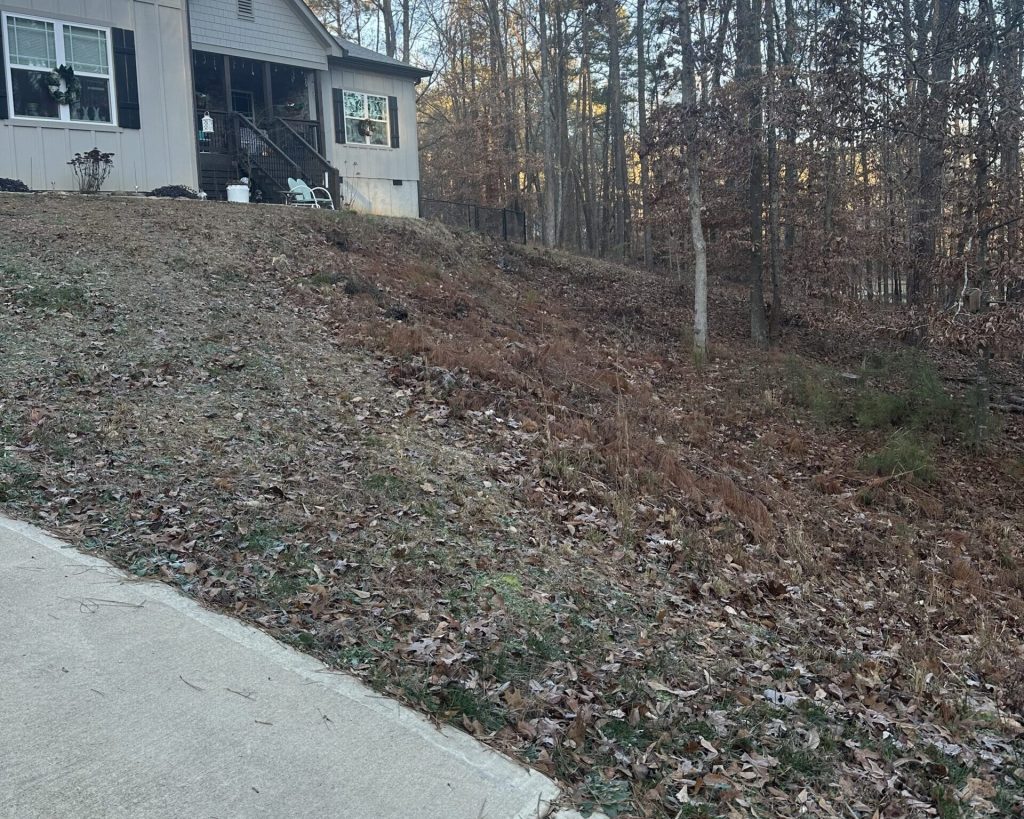
Positive drainage gets built in from day one. We shape the grade so water sheds away from your foundation, not toward it. For homes near Independence Blvd or the I-485 Outer Loop, where runoff volume is higher, we pay extra attention to slope and outlet points so heavy downpours have somewhere to go.
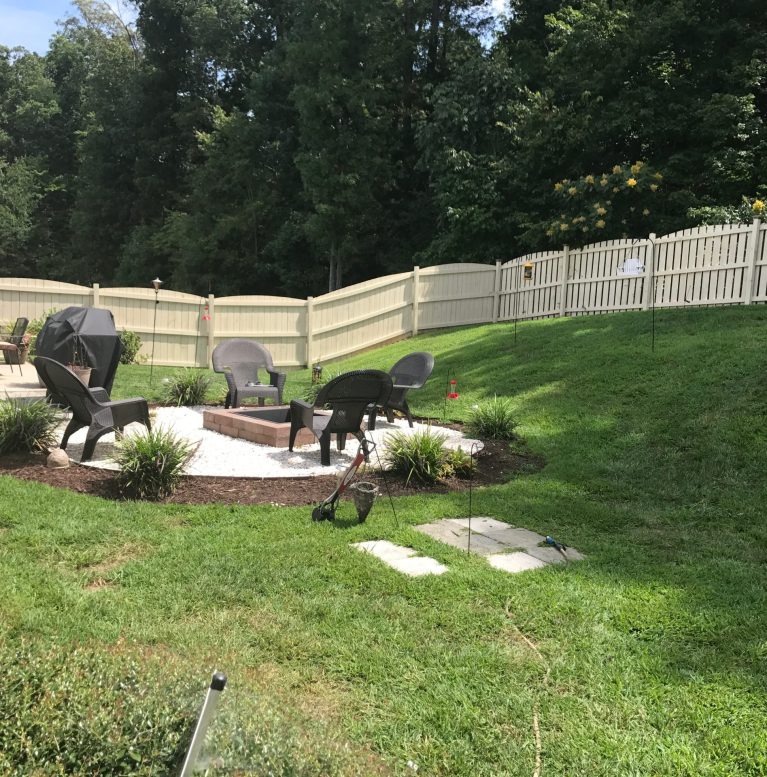
A homeowner near the Providence High corridor was dealing with standing water against their foundation after every storm. We regraded the rear yard, added positive slope, and installed a French drain tying into the natural grade toward Four Mile Creek. No more pooling, even in heavy rain.
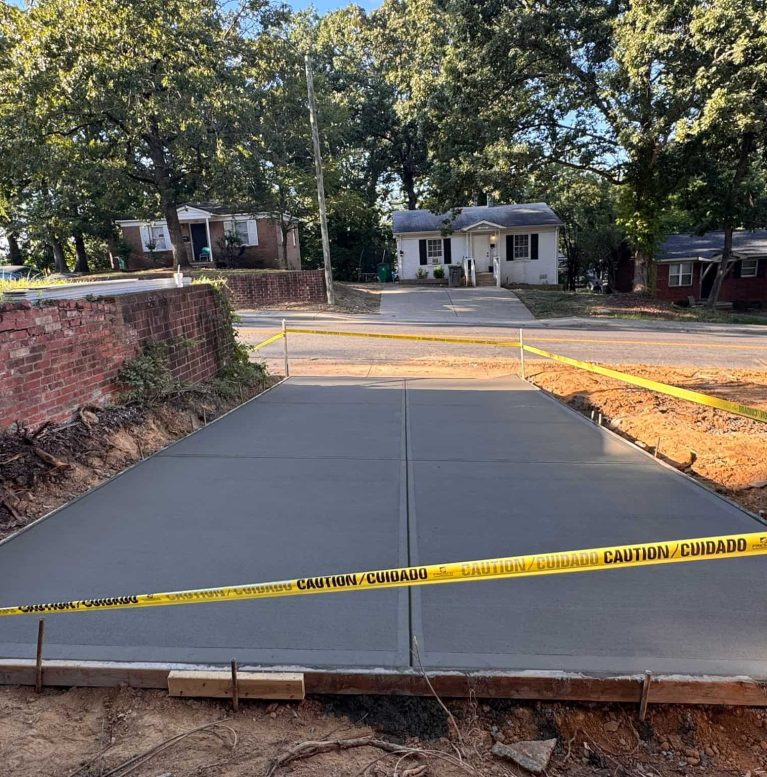
A property owner near Downtown Matthews needed a stable pad for a new detached garage. Our crew excavated through the hardpack clay layer, brought in compacted stone base, and verified subgrade density before pour day. The pad has held solid through two full wet-dry cycles.
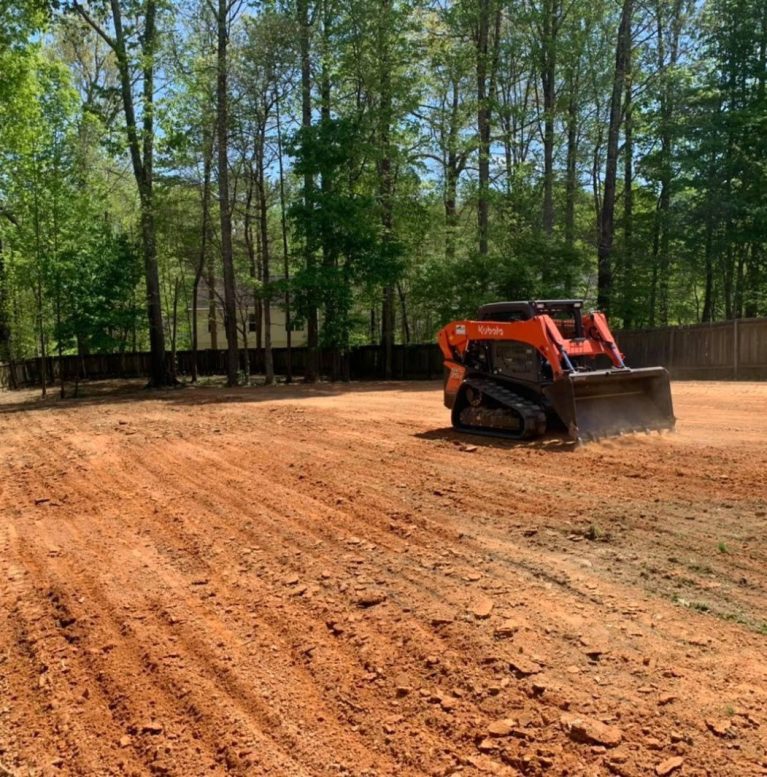
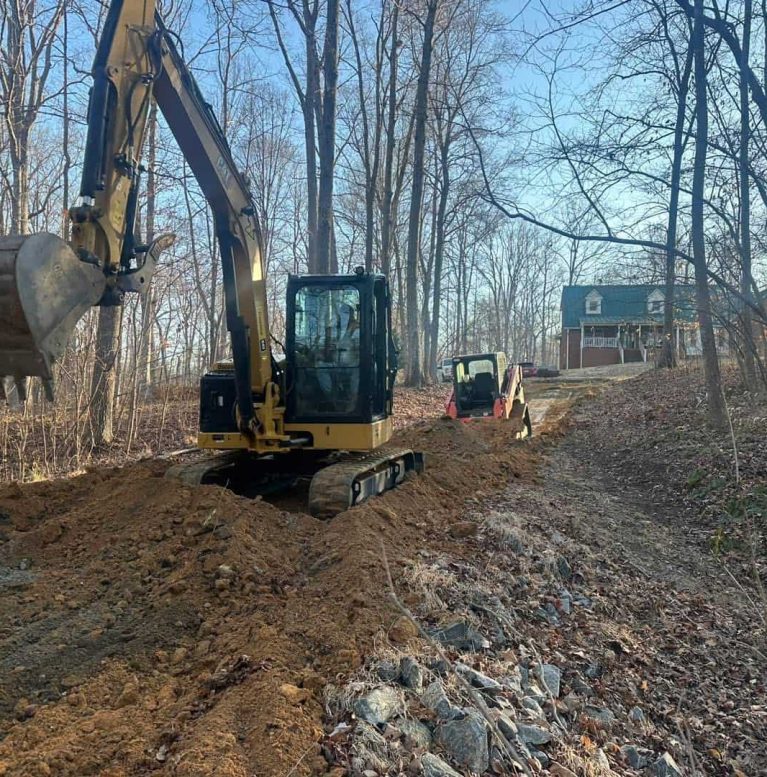
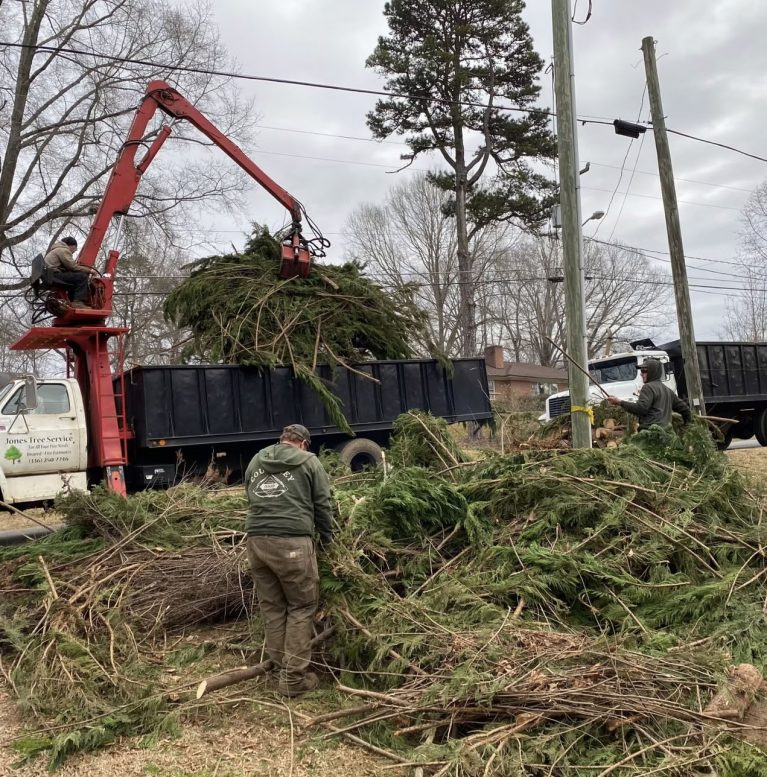
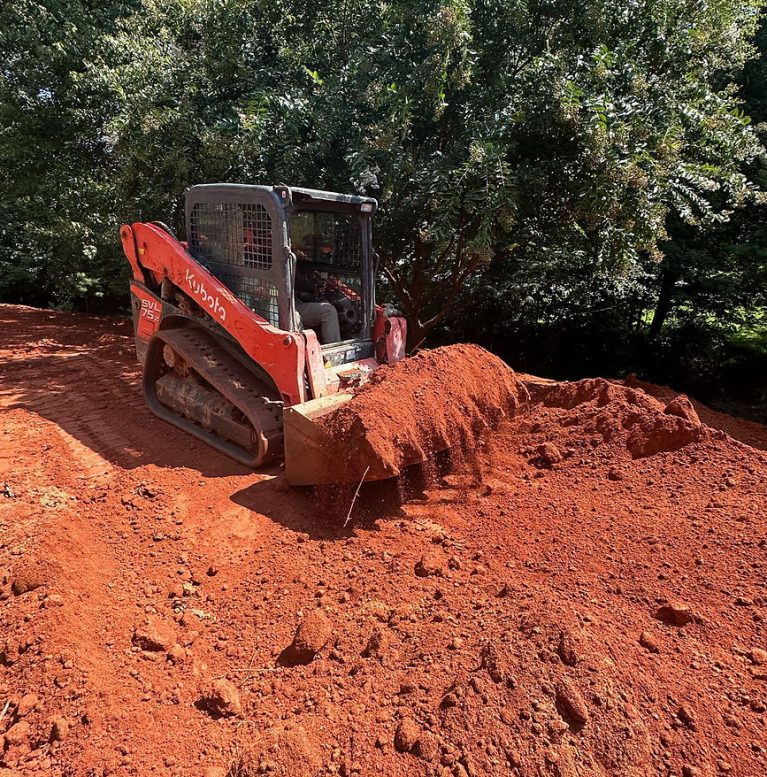
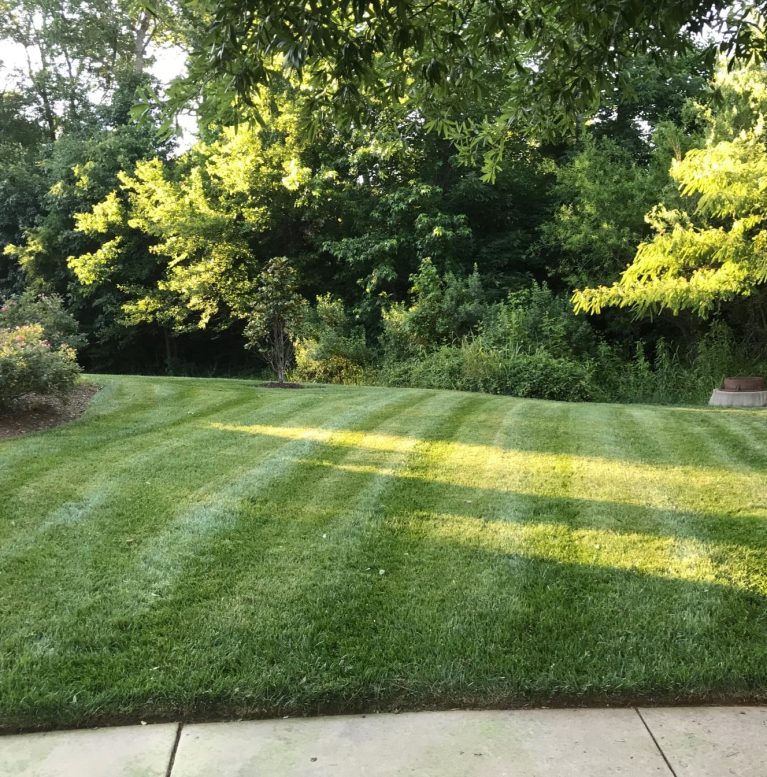
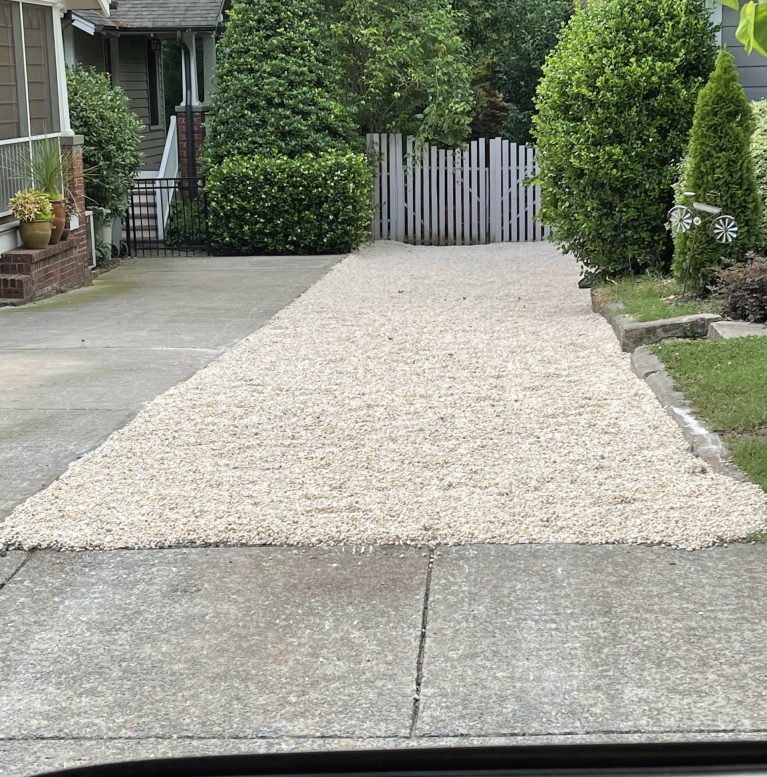
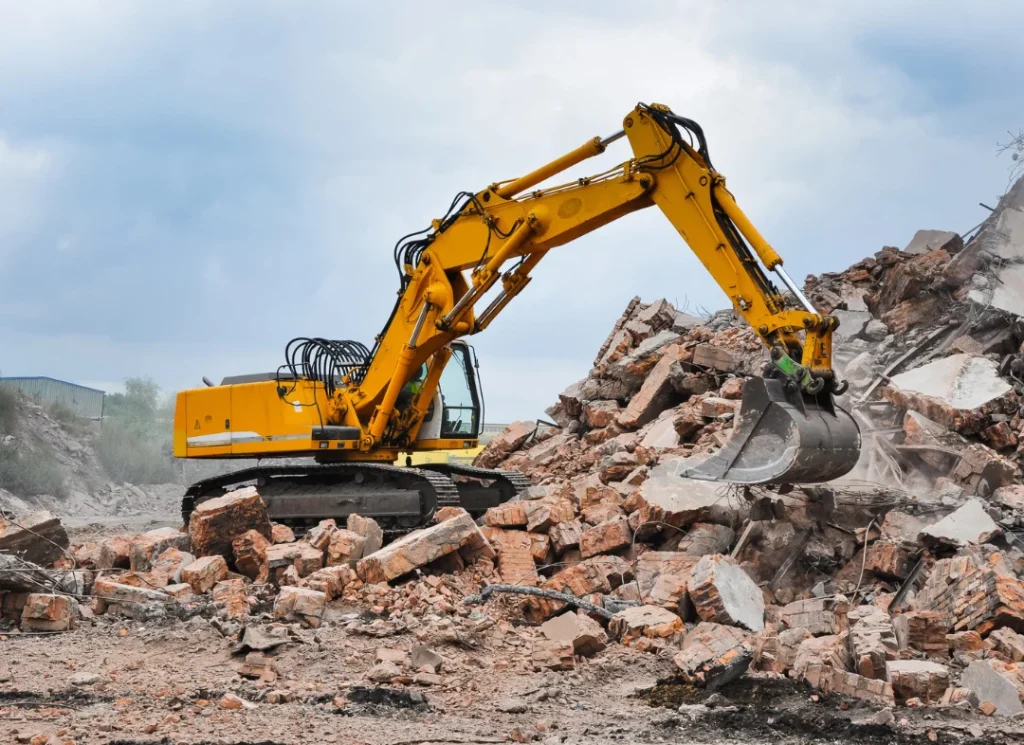
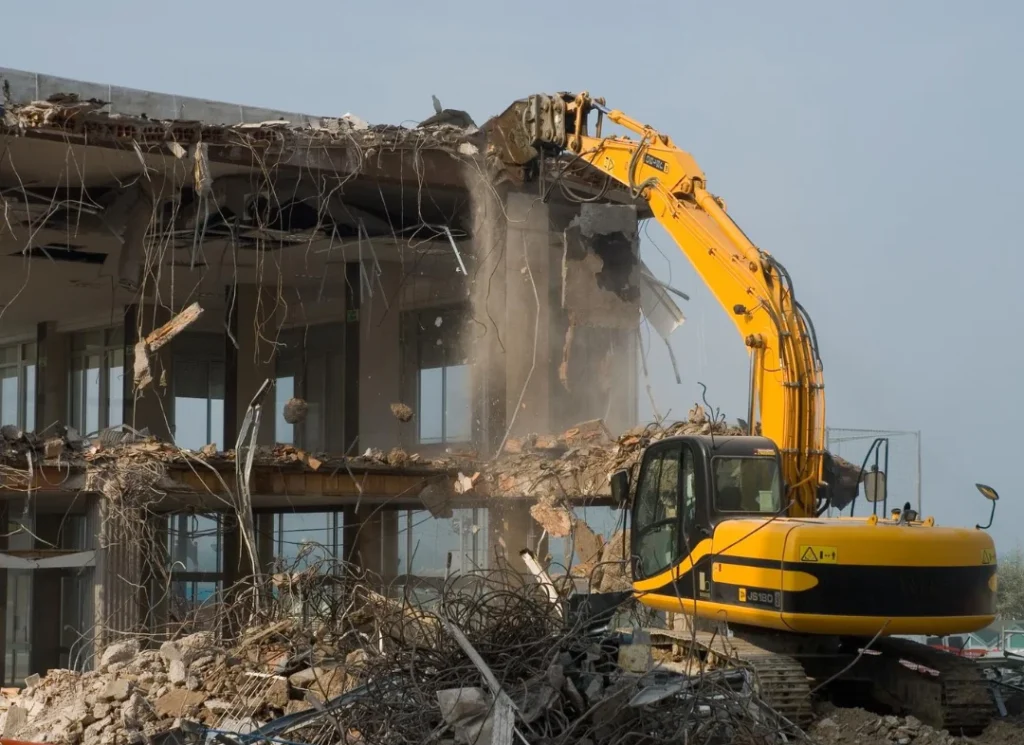
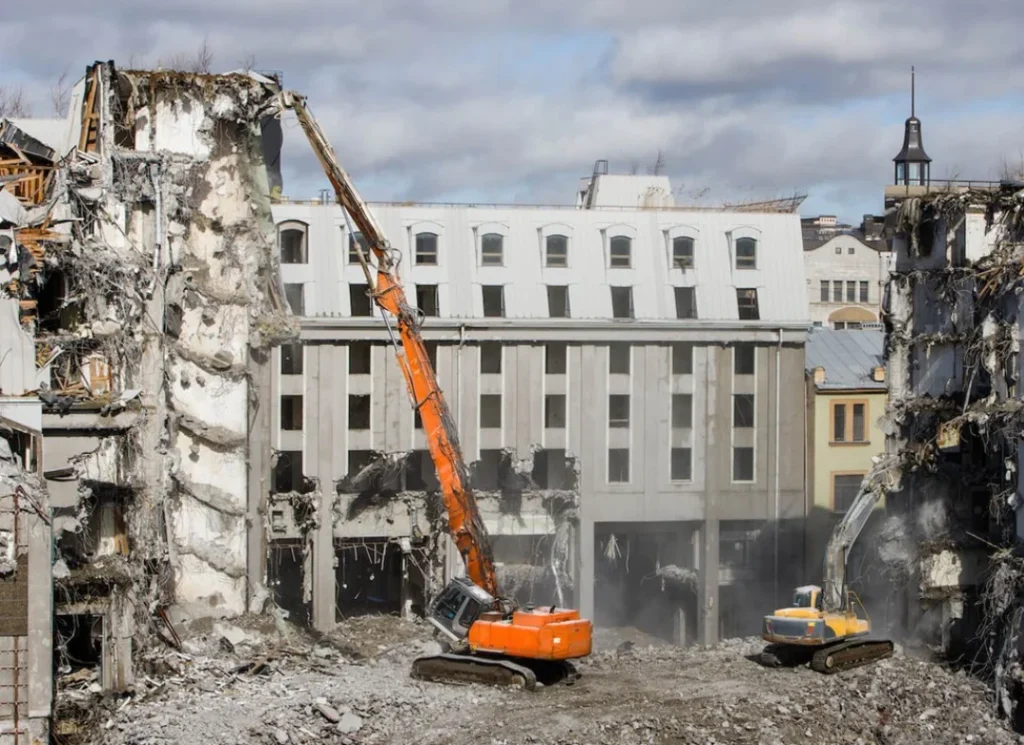
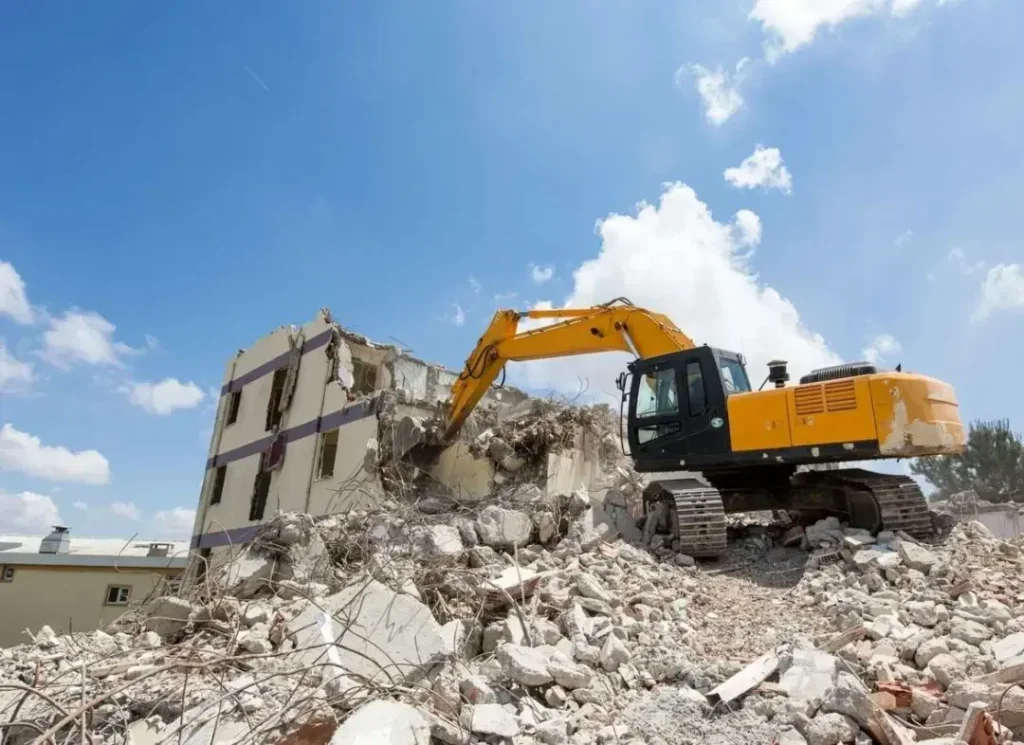
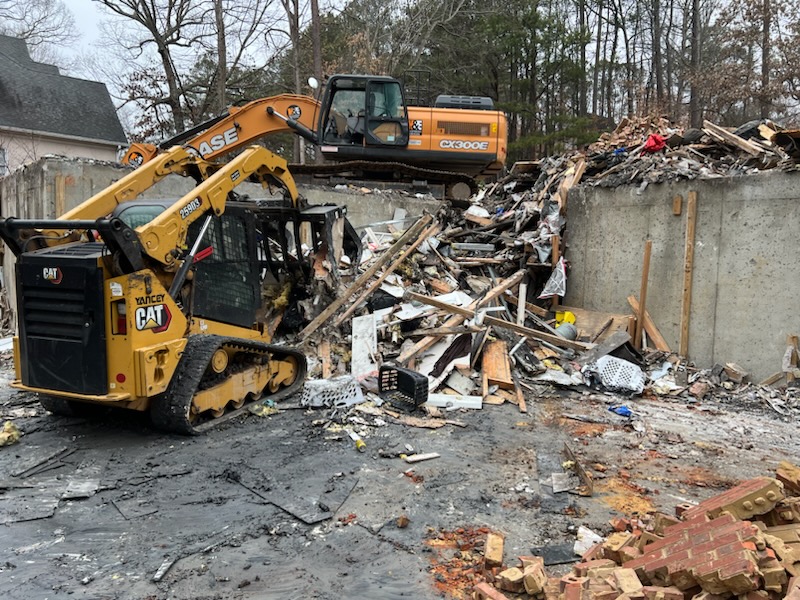
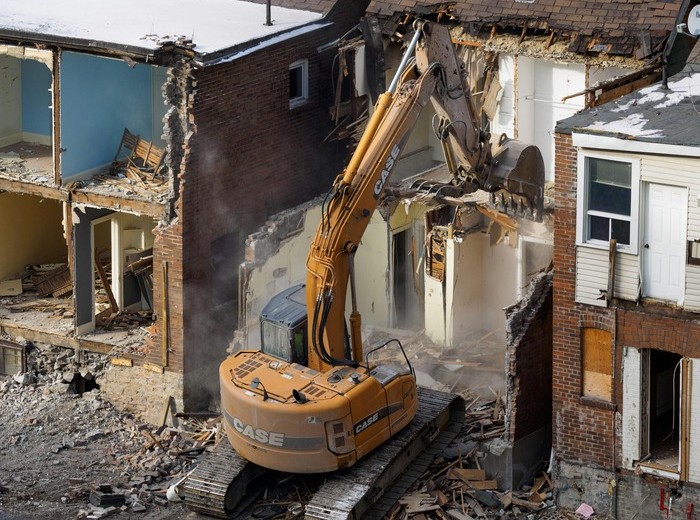
Take a look at some of our latest work. Scroll through the photos below to see our team in action and the results we deliver.
We over-excavate soft clay, bring in stable base material, and compact it in stages. This stops the settling that untreated red clay causes over time.
Yes. We coordinate utility markouts and any required land-disturbance permitting before equipment ever touches your property.
We grade the site with intentional slope away from your foundation and tie into natural drainage paths, so water has a clear route off your property.
Yes. We regularly work that border area and understand how the clay soil behaves on both sides of the county line.
Higher traffic corridors like US-74 often mean more runoff volume. We account for that with wider drainage paths and stronger compaction at the edges.