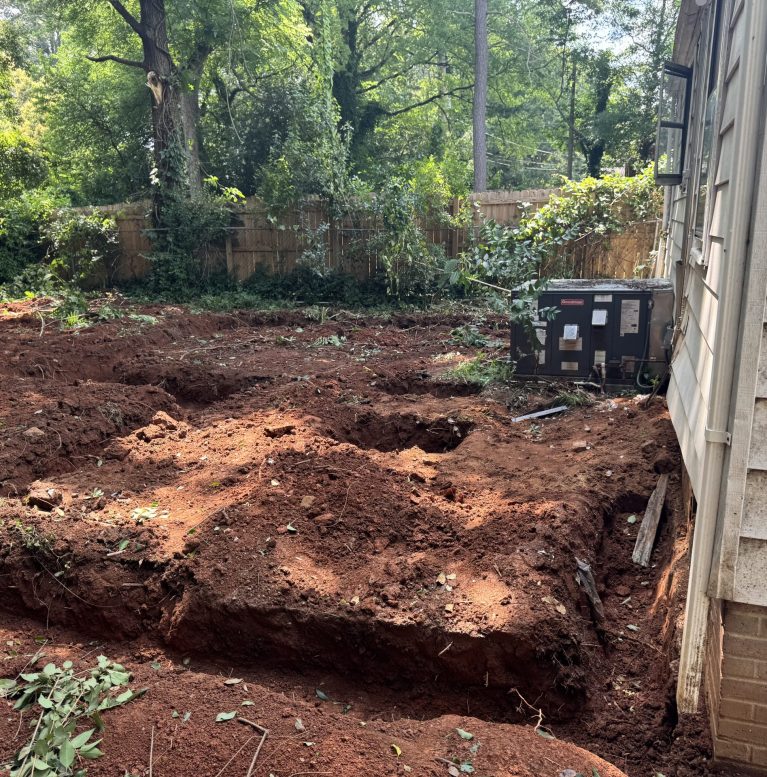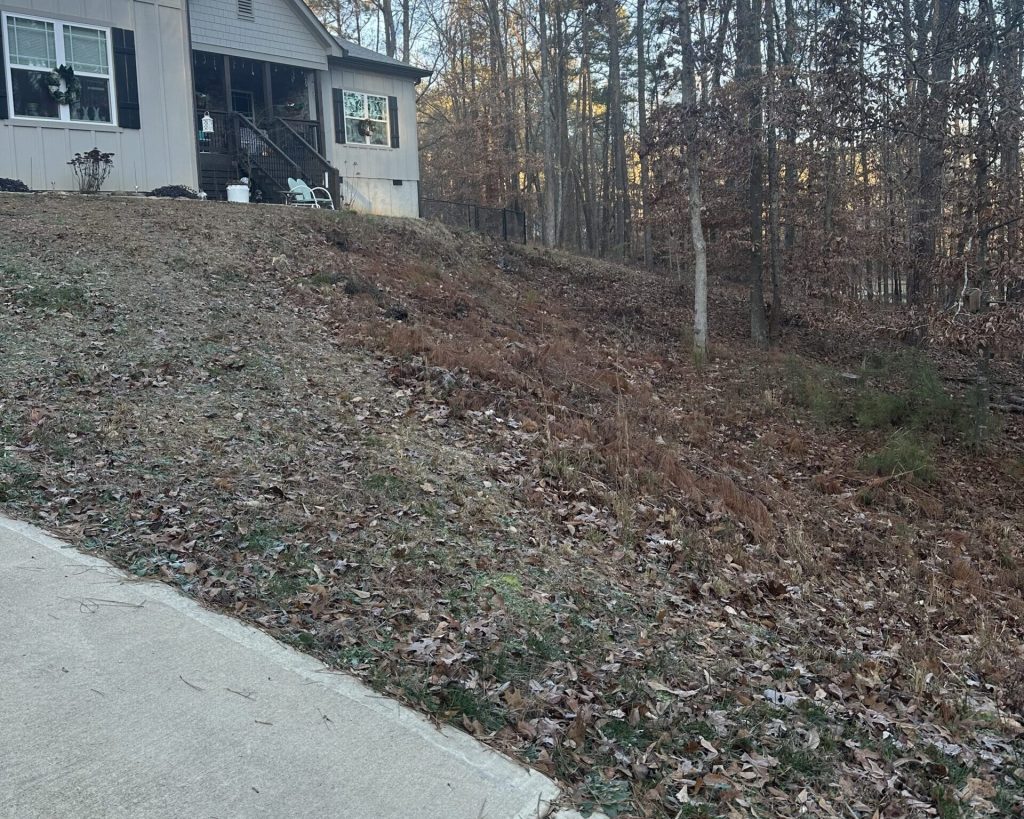
If your lawn in Shannamara looks tired and patchy by mid-July, the soil under it is the problem. Stallings sits in the Charlotte transition zone, and the dense red clay here bakes rock-hard once summer heat sets in. That compacted layer chokes root systems, blocks water and oxygen from reaching the turf, and sends runoff straight off your property along Old Monroe Road instead of soaking in where it’s needed.
Cool-season Fescue can’t handle that kind of stress. Roots stay shallow, grass thins out, and by August you’re left with yellow patches no amount of watering fixes. The clay is working against your lawn, not with it.
Core aeration solves this at the source. Pulling real plugs out of the ground opens direct channels for air, water, and nutrients to reach the root zone. It’s not a quick fix — it’s the mechanical reset your lawn needs to survive another Union County summer. Get the compaction handled now, and your Fescue has a real shot at staying thick and green.
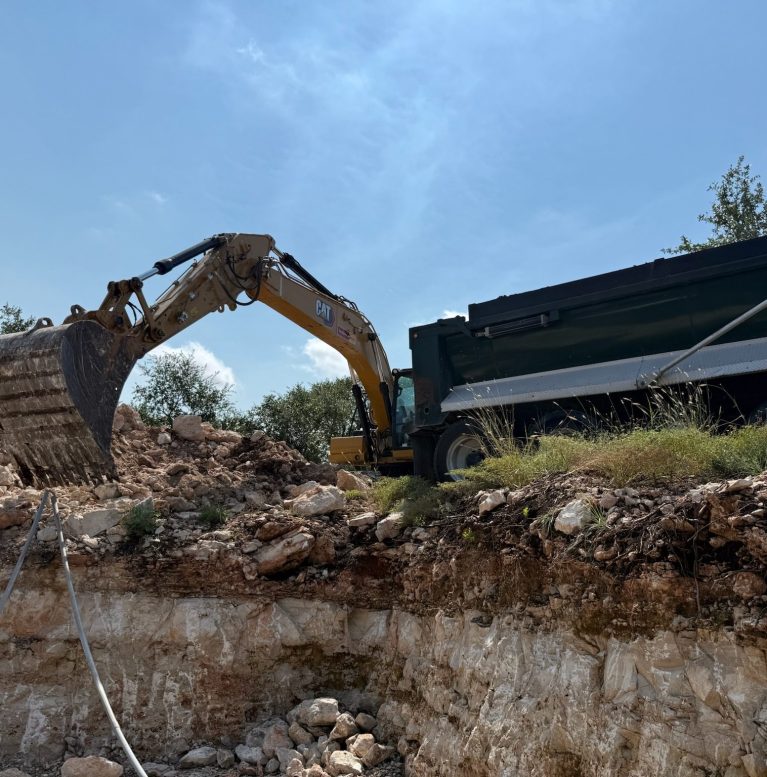
From residential projects to commercial developments, we provide end-to-end solutions for every stage of construction.
We don’t guess at your lawn — we map it first. Every job starts with a full property assessment, marking irrigation zones, invisible dog fences, and the high-traffic areas where compaction is worst. Nothing gets damaged because nothing gets missed.
Next, we run commercial-grade core aeration across the entire lawn, pulling 2- to 3-inch hollow cores to physically break up dense clay. This isn’t spike aeration — actual soil plugs come out, opening real pathways into the root zone.
While those holes are still open, we overseed immediately with turf-grade, heat-and-drought-resistant Tall Fescue. Timing matters here: seed dropped straight into open plug holes gets maximum seed-to-soil contact, which means faster, stronger germination instead of seed sitting exposed on hard clay.
We finish with a balanced starter fertilizer application and a custom watering schedule built around Stallings’ fall weather patterns — not a generic printout. Four steps, done in the right order, gets your lawn rebuilding root depth before winter sets in.
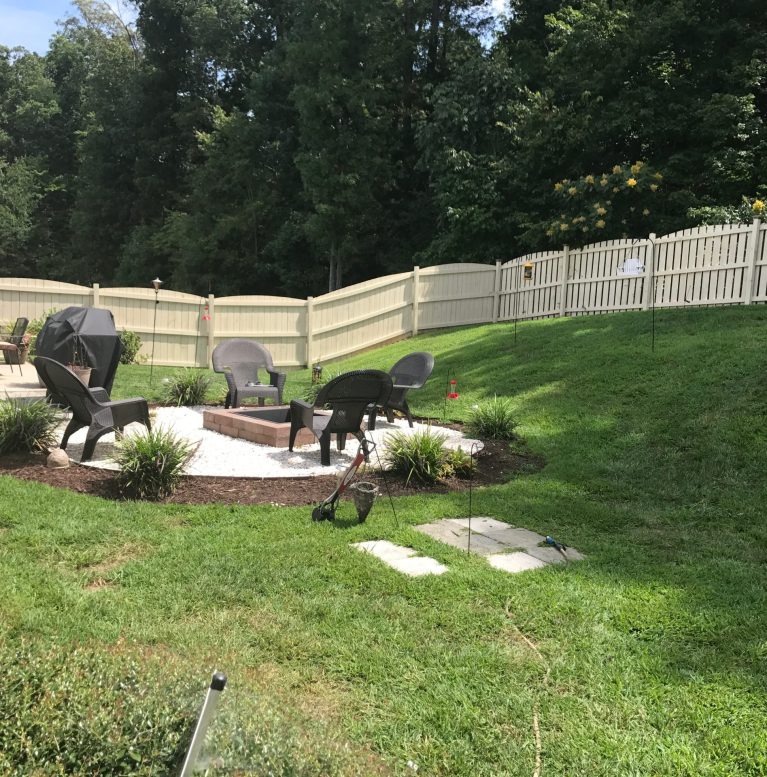
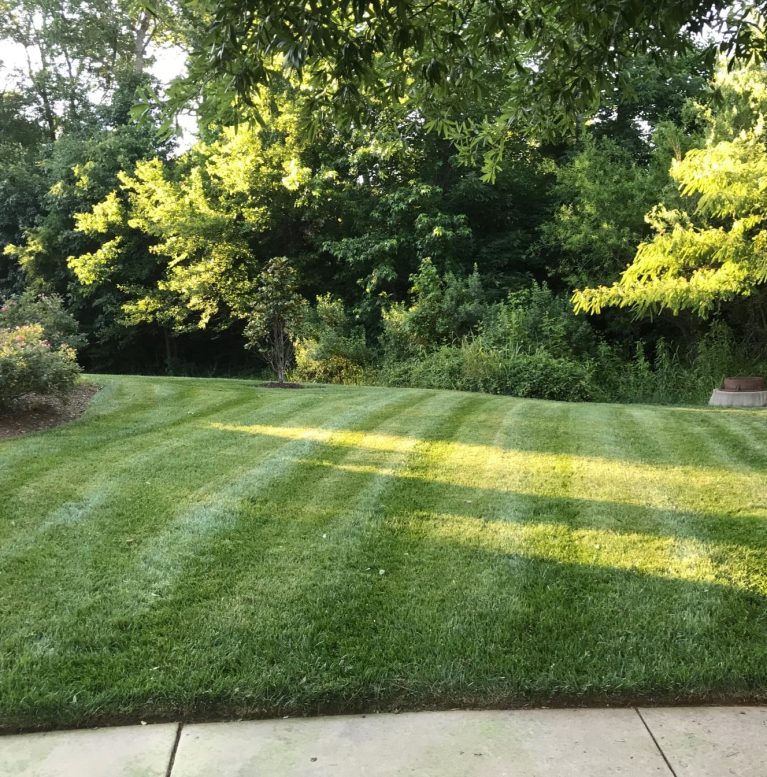
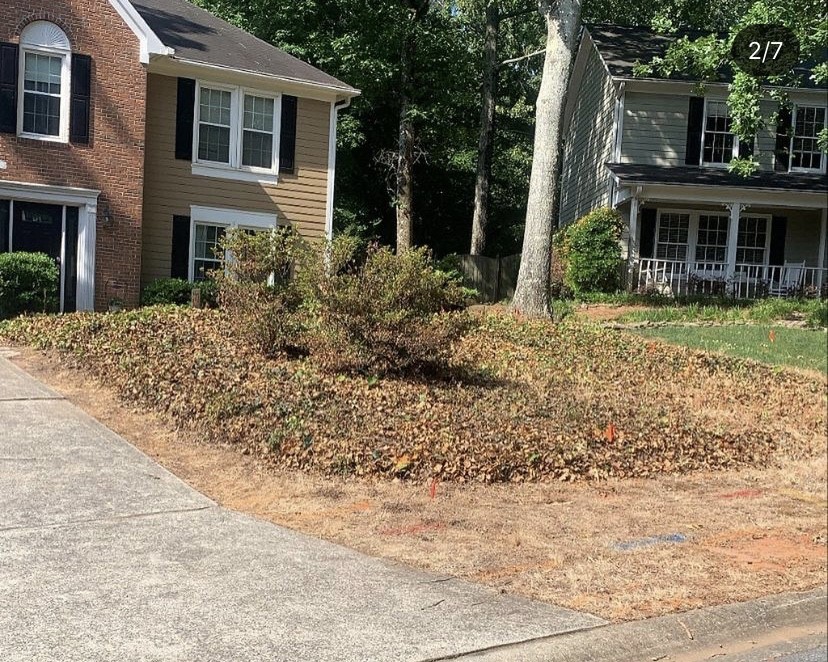
Shannamara Fescue Renovation: A Shannamara homeowner’s backyard had gone patchy from years of clay compaction and heavy foot traffic. We aerated the full lot, pulling deep cores through the red clay, then overseeded with a heat-tolerant Fescue blend. By late fall, root depth had visibly improved and bare spots filled back in.
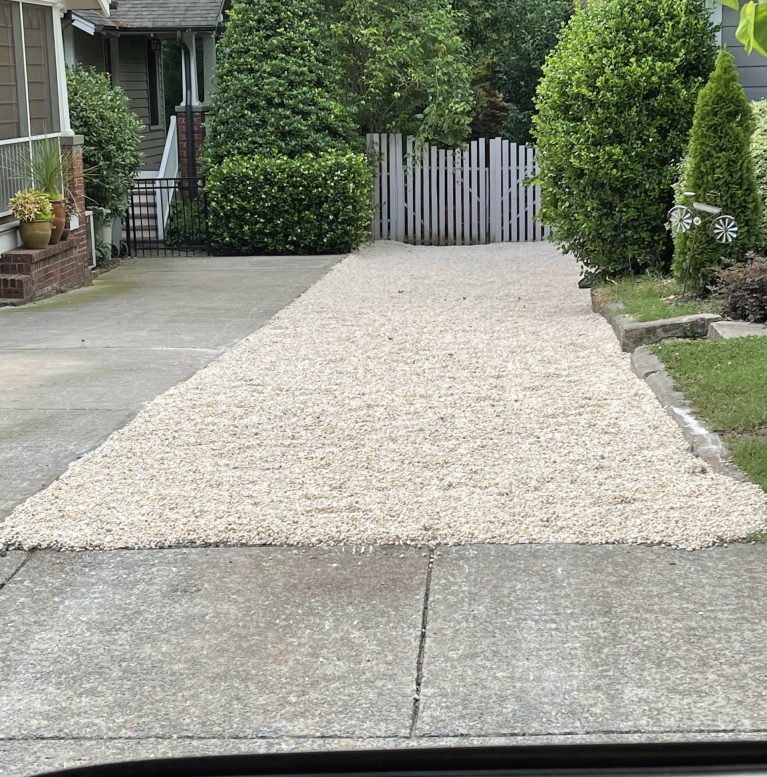
Fairhaven Drainage & Turf Repair: This Fairhaven property was losing water to runoff along the driveway instead of absorbing it. Core aeration opened the compacted clay, and overseeding paired with a tailored watering schedule rebuilt turf density before winter, cutting runoff and restoring a solid stand of Fescue.
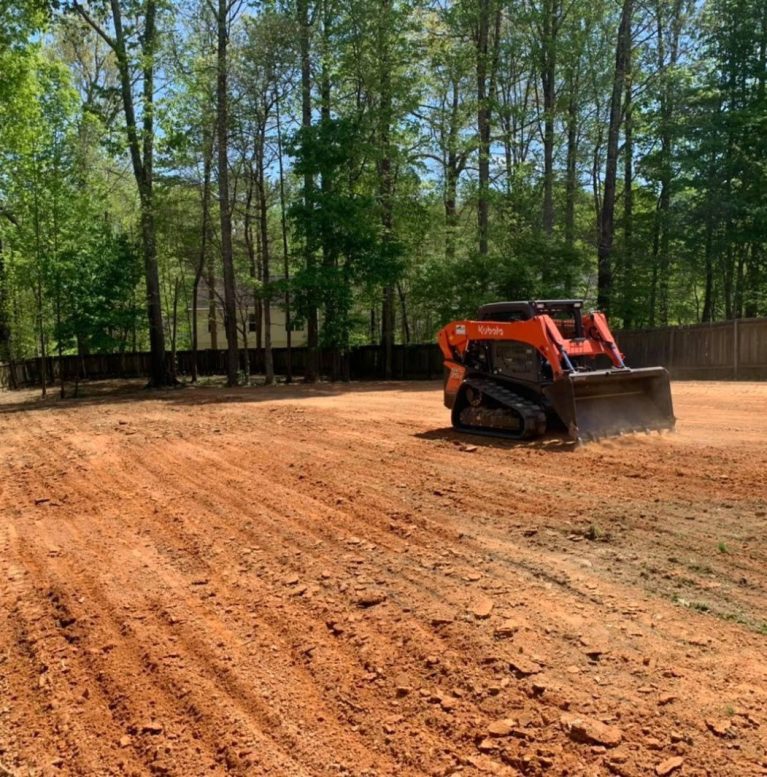
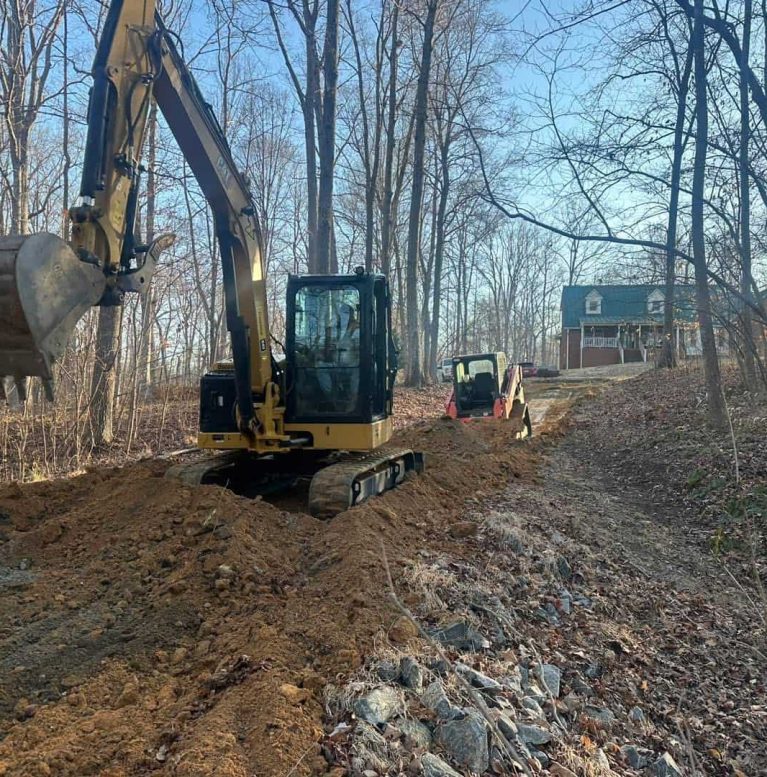
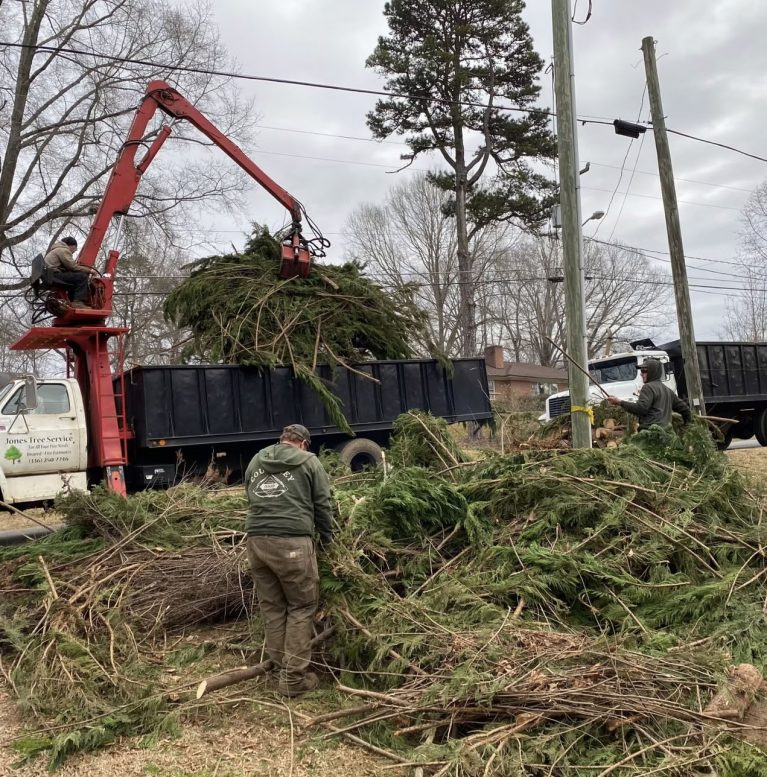
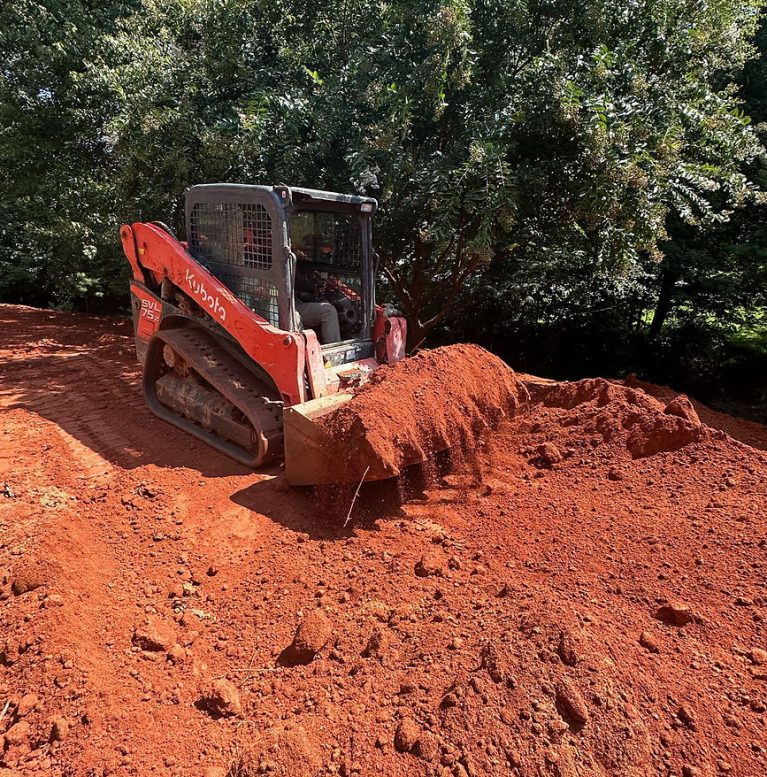
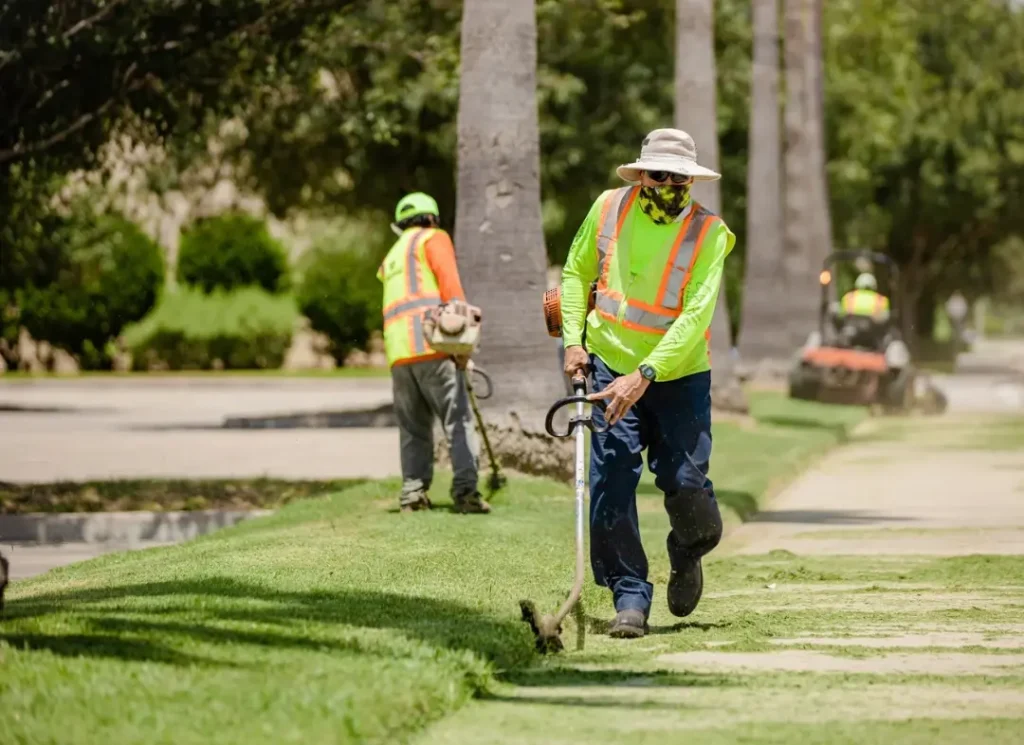
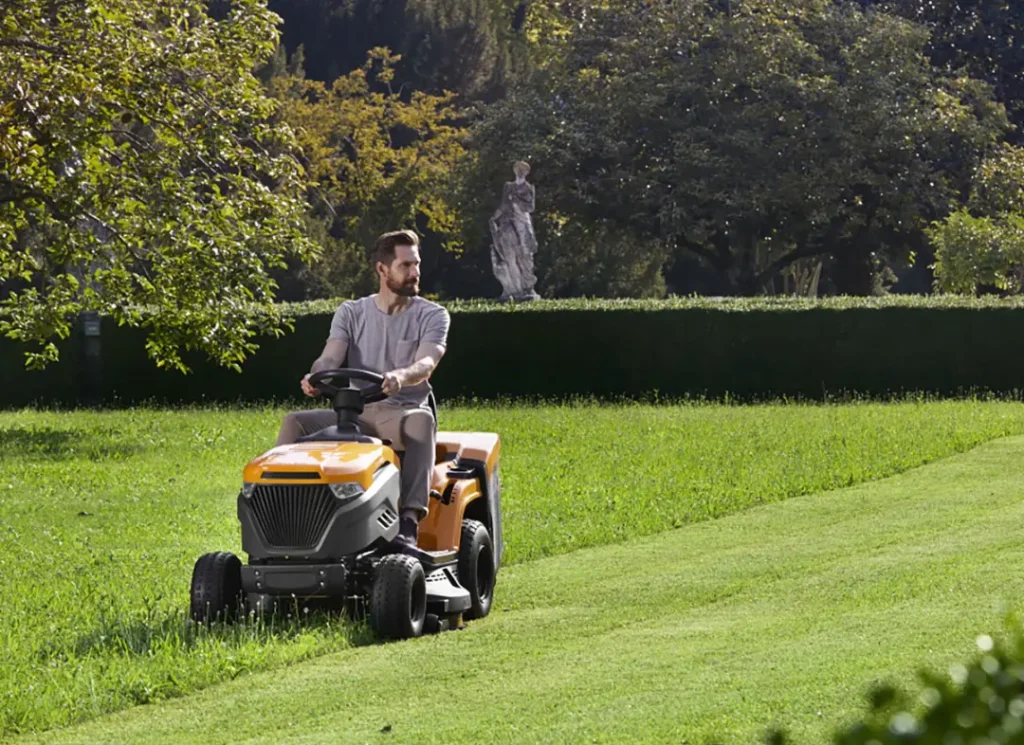
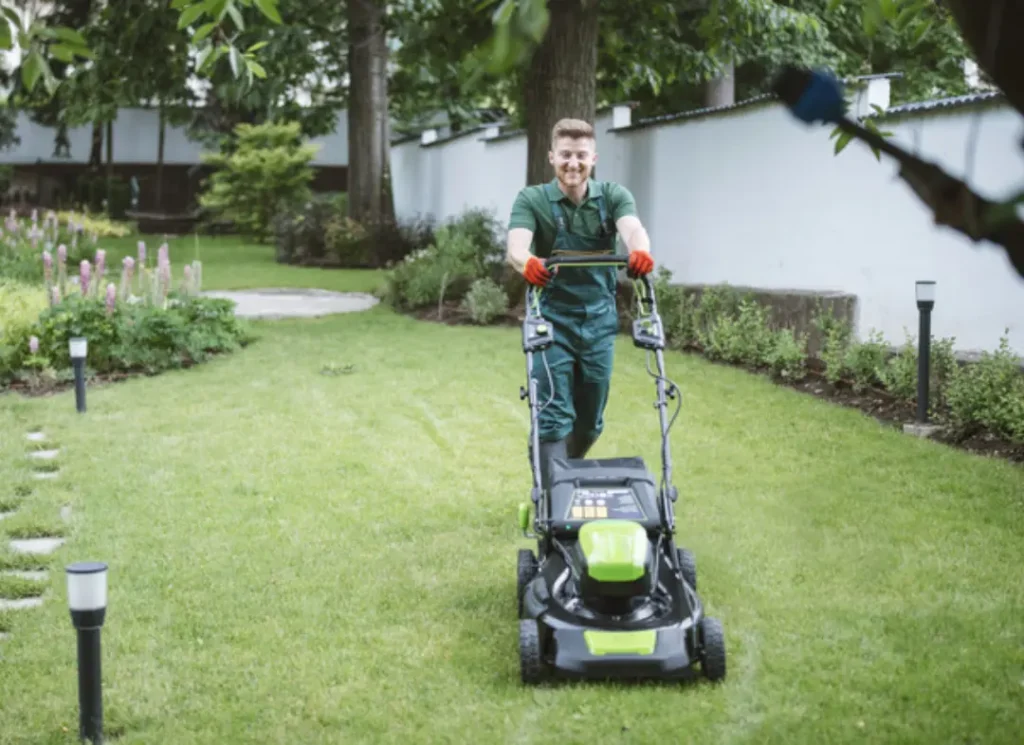
Take a look at some of our latest work. Scroll through the photos below to see our team in action and the results we deliver.
Late August through October. Warm soil and cooler air speed root establishment without competing against spring weeds like crabgrass.
Our commercial aerators pull 2- to 3-inch cores, deep enough to break through compacted clay and reach the active root zone.
No. We mark all irrigation zones, invisible fences, and shallow cables during our property assessment before any aeration begins.
Yes. Opening compacted clay lets water absorb into the root zone instead of running off, which reduces surface runoff significantly.
Stallings sits in the transition zone. Tall Fescue handles our winters better than warm-season grasses while tolerating Union County’s summer heat.