If you’re building in Stallings, you’re building on tough ground. This area sits on the Piedmont-to-Coastal Plain transition, and that means dense clay mixed with loamy sand under almost every lot. That clay swells when it’s wet and shrinks when it’s dry. Left unmanaged, it shifts foundations, cracks slabs, and turns your yard into standing water — especially near the Goose Creek basin, where natural drainage is already slow.
We’ve worked this soil for years. We know how it behaves in a wet Carolina spring and how it locks up in a dry August. Before we ever break ground, we evaluate soil plasticity and groundwater flow so your foundation sits on stable, properly compacted ground — not a shortcut that costs you later.
Whether you’re a homeowner near Stallings Municipal Park or a builder working the US-74 corridor, you need excavation crews who understand local ground conditions, not generic dirt work. That’s what we bring to every job site in Union County.
From residential projects to commercial developments, we provide end-to-end solutions for every stage of construction.
Good site prep isn’t guesswork. It’s a process, and skipping steps is how homeowners end up with slumping trench walls or a foundation that settles two years down the road. Here’s how we handle every Stallings project.
Step 1: Soil Evaluation:
We test for clay content and plasticity before any equipment moves. This tells us how the ground will behave once it’s disturbed and wet.
Step 2: Sediment & Erosion Control:
We install silt fencing and sediment barriers that meet NC DEQ requirements, protecting nearby waterways and keeping your project compliant from day one.
Step 3: Heavy Equipment Earthmoving:
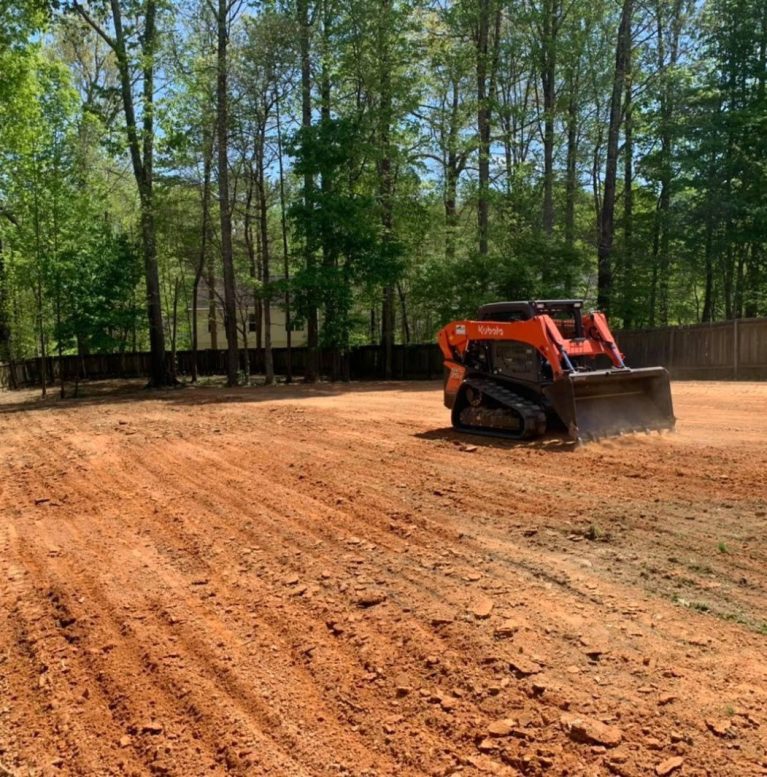
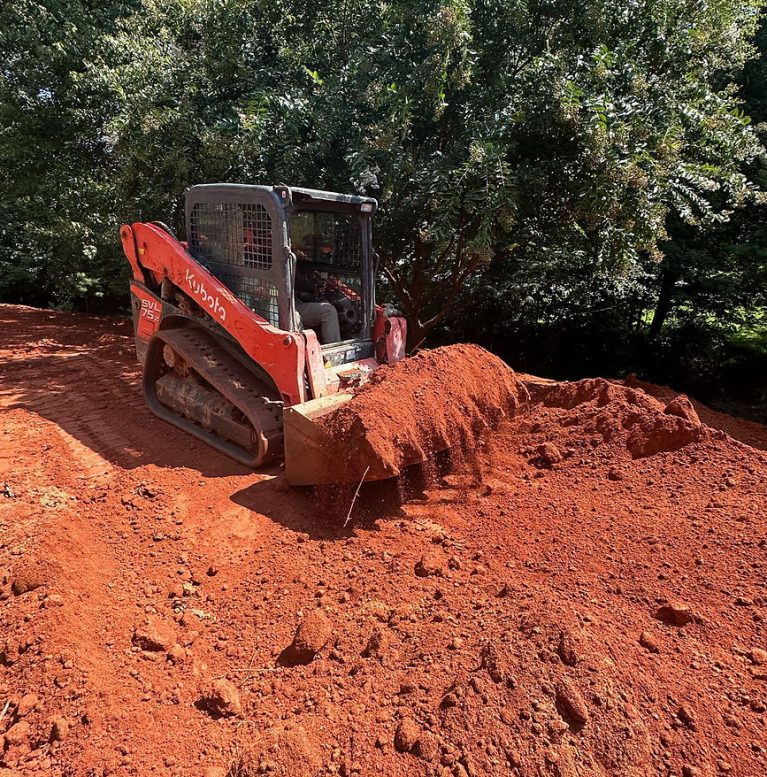
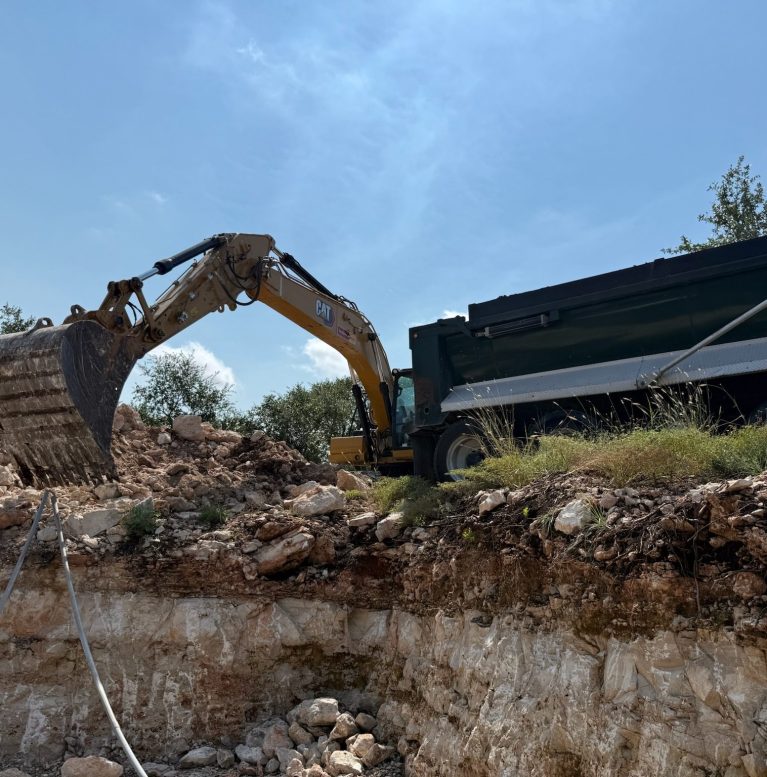
Our crews clear, cut, and grade with equipment sized for Union County’s mixed clay and loam — enough power to move ground efficiently without over-disturbing stable soil layers.
Step 4: Compaction Testing:
We don’t call a job finished until compaction meets spec. That’s the difference between a foundation that holds and one that settles.
Every step is built around how this specific ground behaves — not a one-size-fits-all approach.
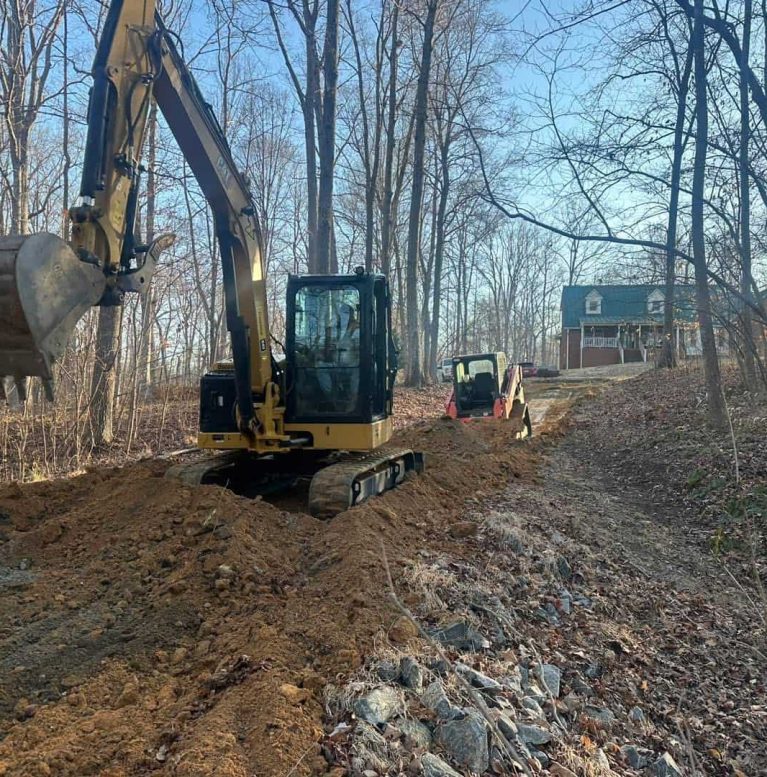
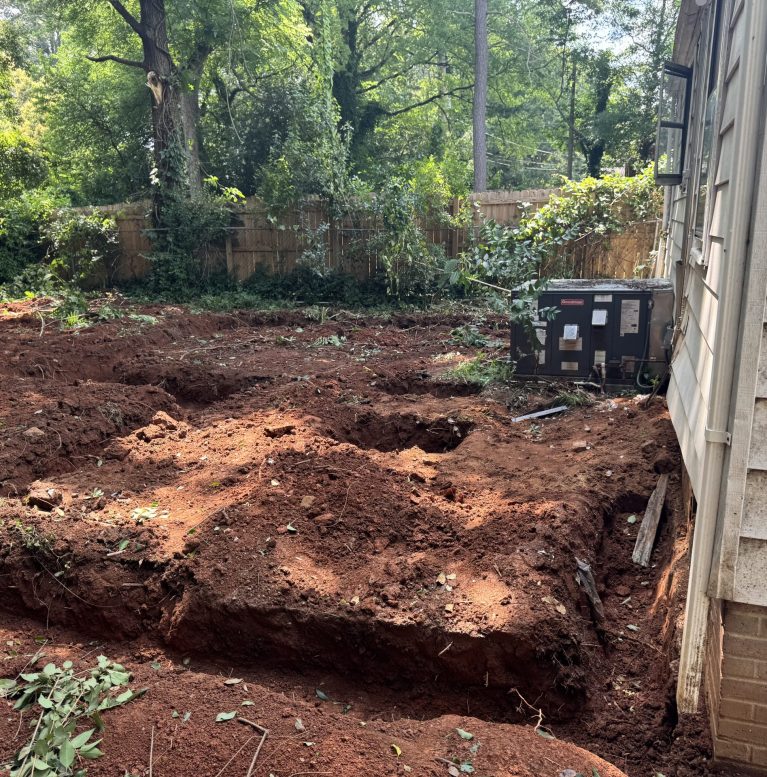
A homeowner off Stevens Mill Rd was dealing with standing water after every storm. We regraded the lot, cut new drainage trenches, and redirected runoff away from the foundation. The clay-heavy subsoil required careful trench wall support to prevent slumping, but the fix held through the next wet season with zero pooling.
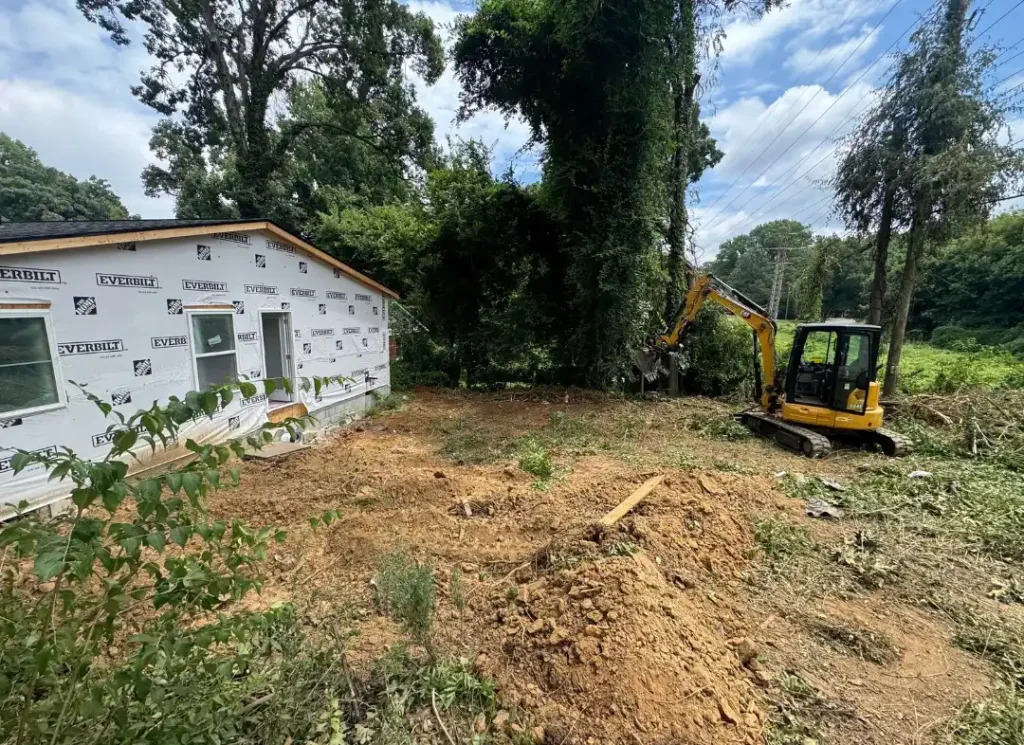
A commercial developer near the Independence Blvd corridor needed full site clearing and grading ahead of a build. We handled earthmoving, silt fencing for NC DEQ compliance, and compaction testing across the site. Final grade passed inspection on the first attempt, keeping the project on schedule.
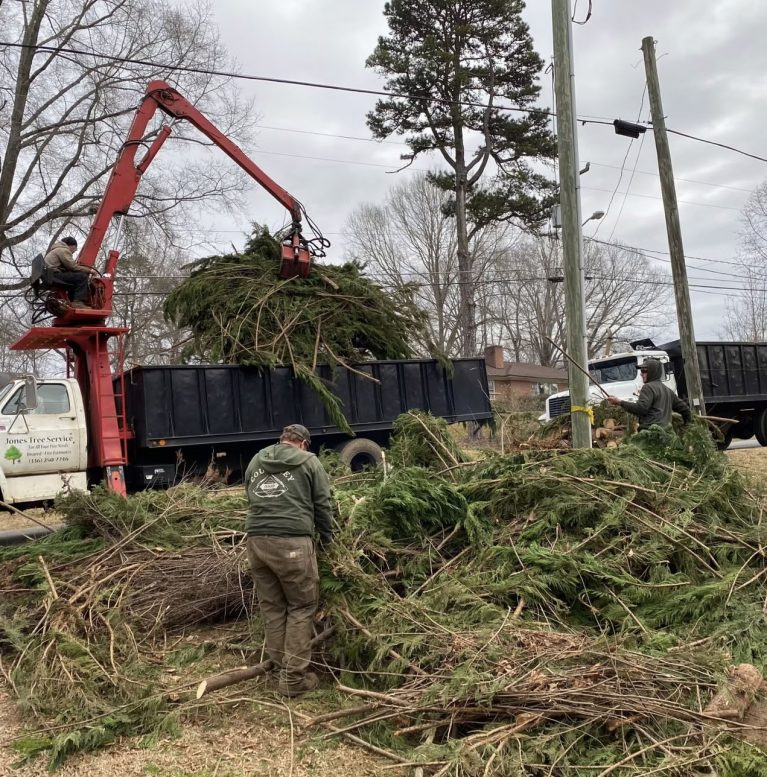
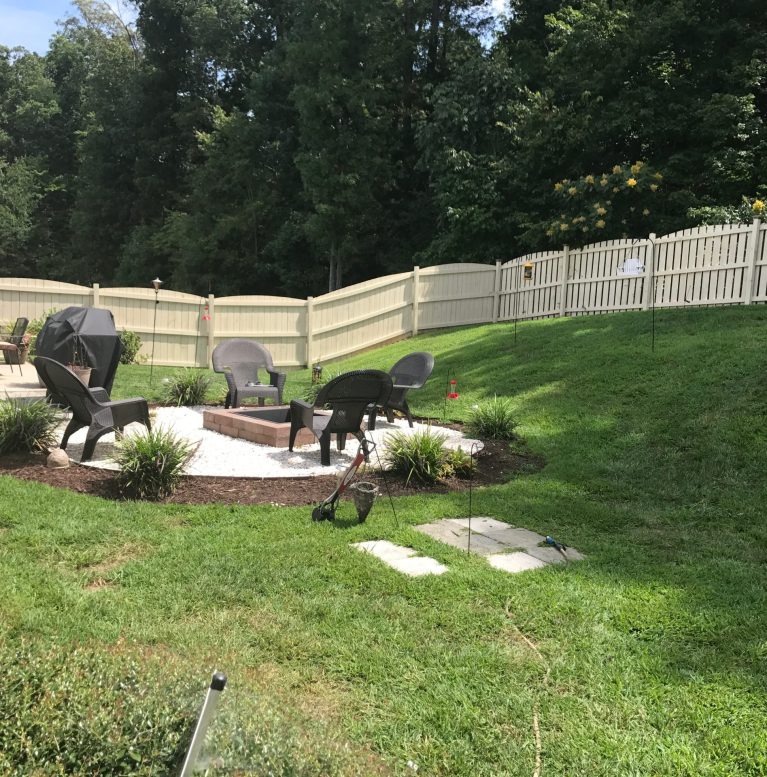
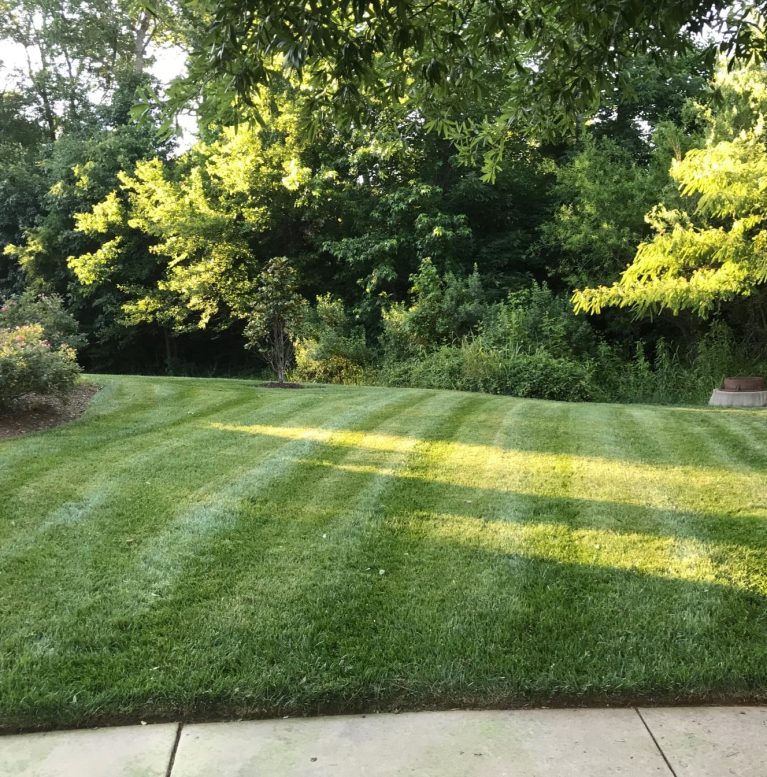
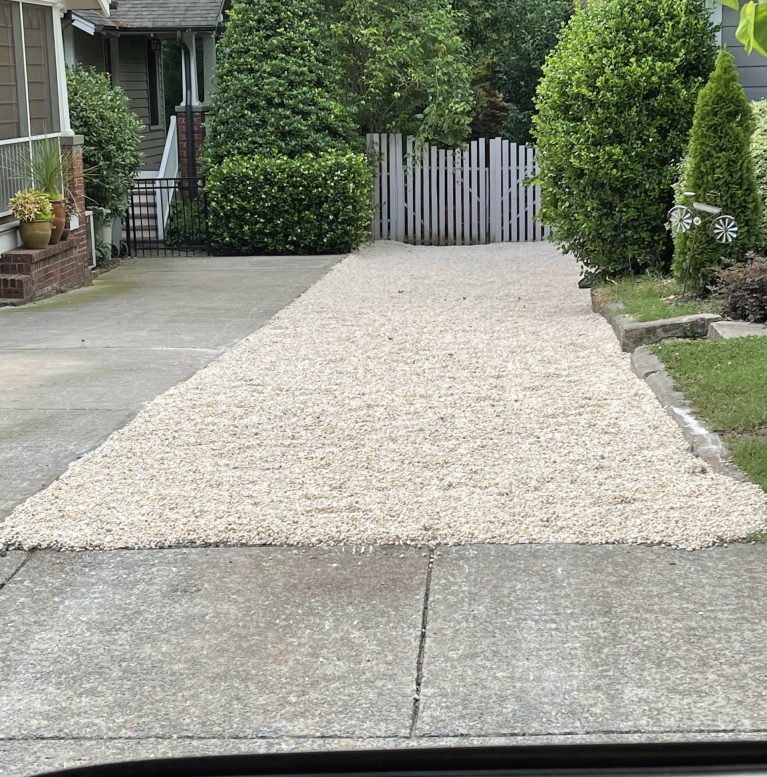
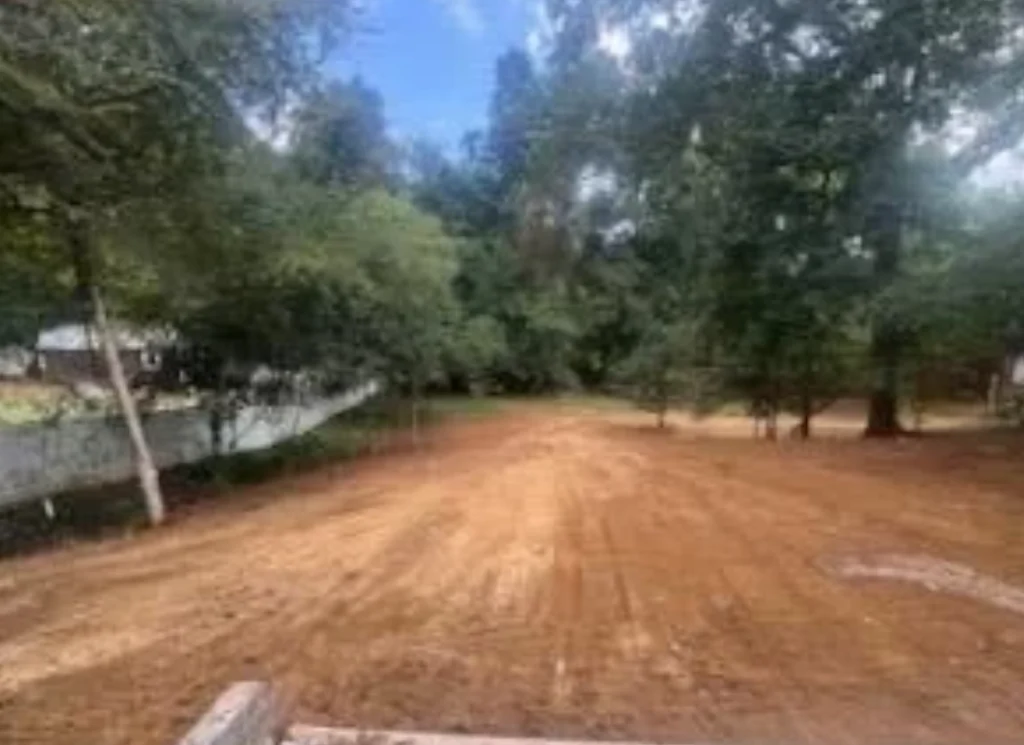
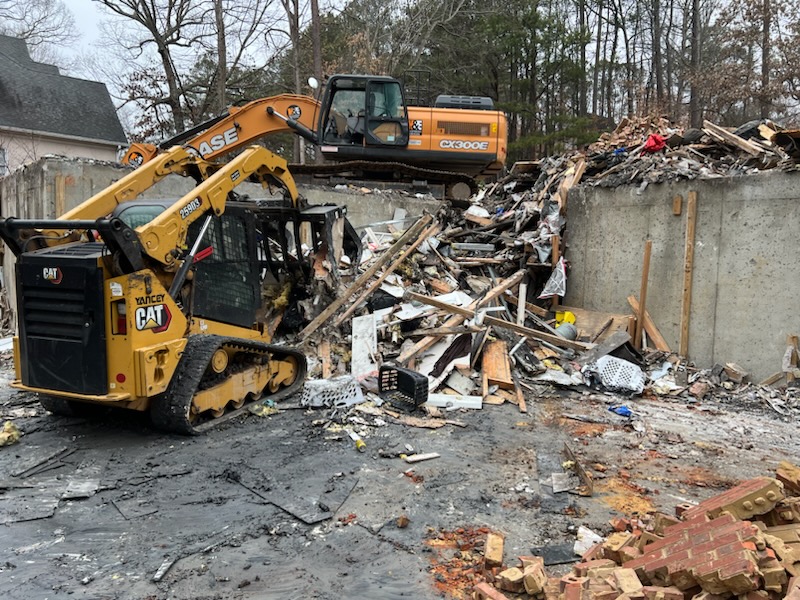
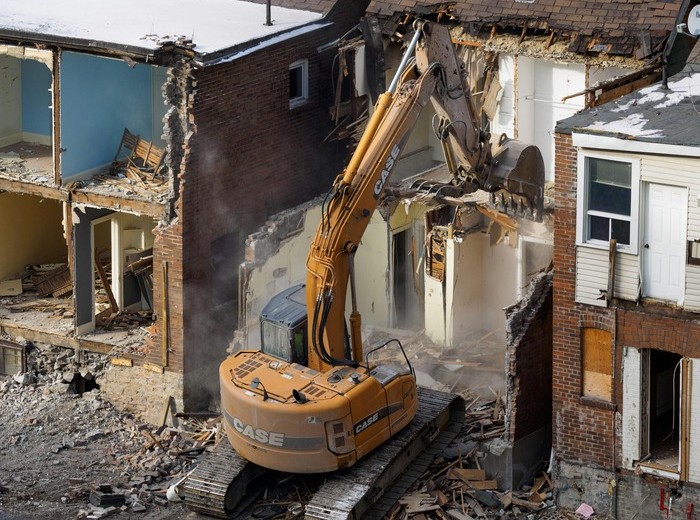
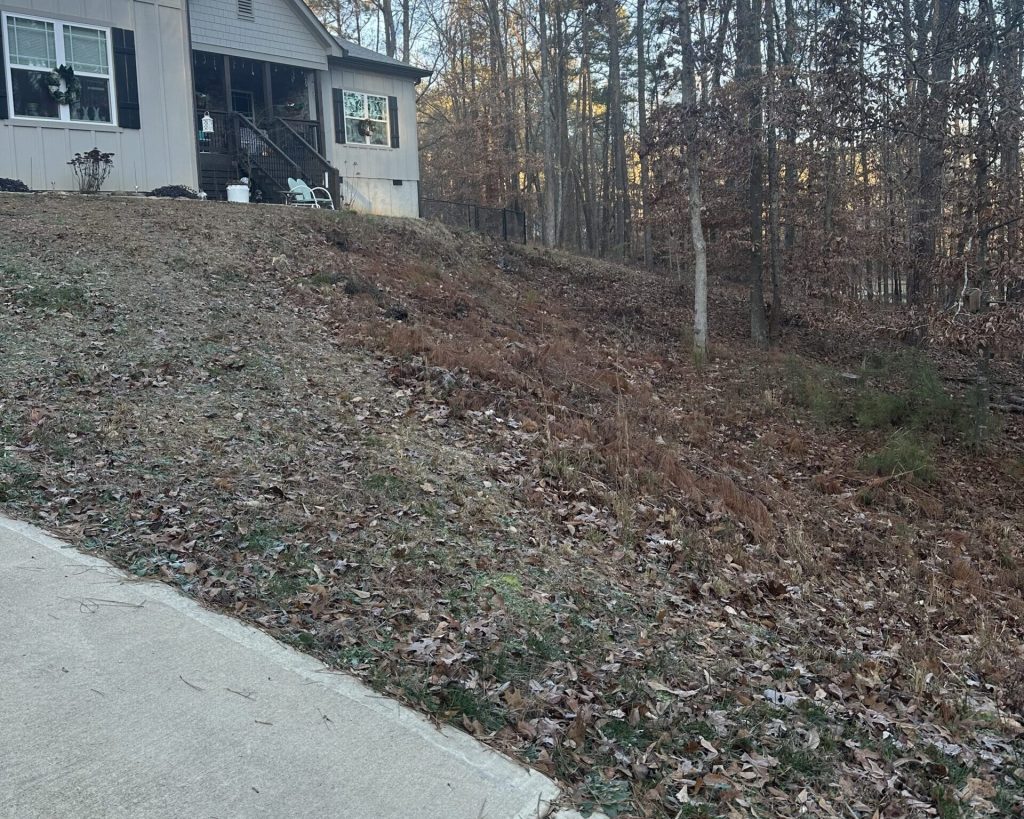
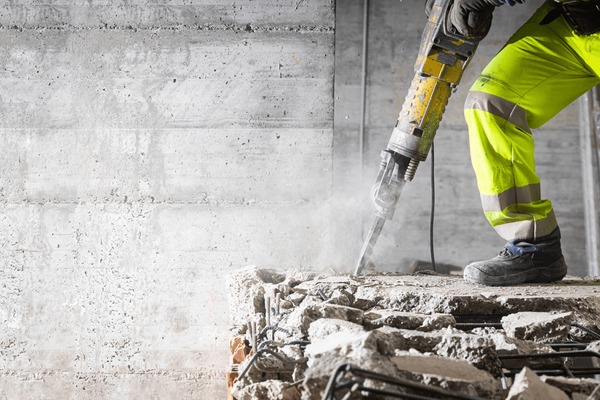
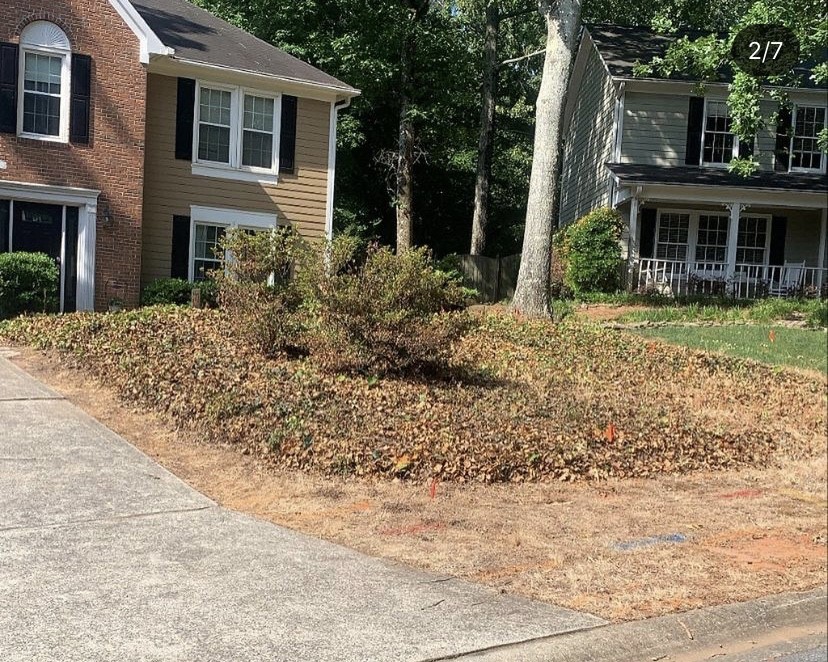
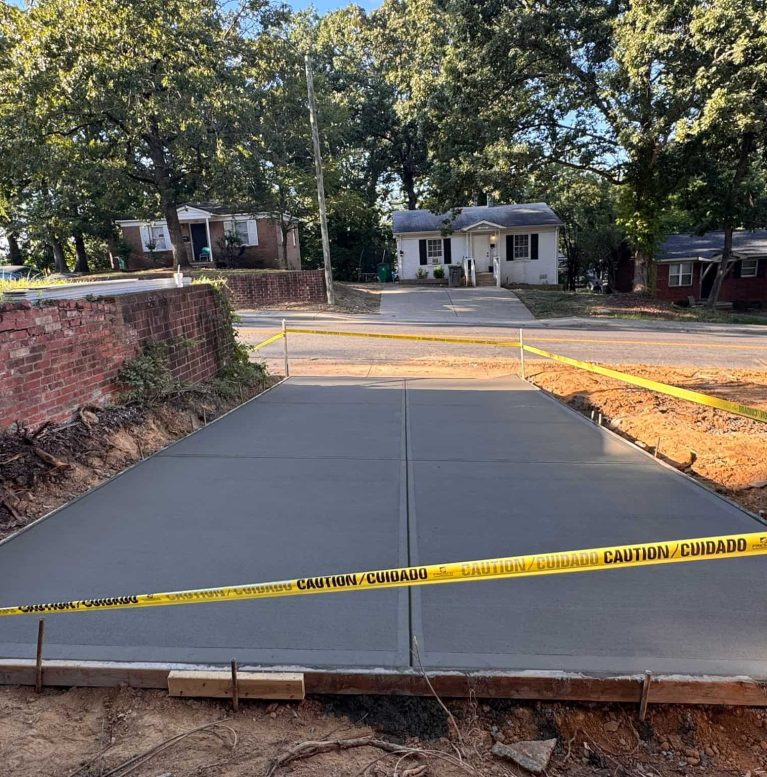
Take a look at some of our latest work. Scroll through the photos below to see our team in action and the results we deliver.
We test soil plasticity before digging, support trench walls to prevent slumping, and compact every layer to spec. That’s what keeps foundations stable in Union County’s clay.
Yes. We’re fully licensed and insured, and we handle permitting on both sides of the county line, including Stallings and the surrounding Mecklenburg border area.
Cost depends on lot size, clearing density, and soil conditions. We provide a firm per-acre quote after an on-site evaluation — no guessing, no hidden fees.
Always. Every excavation job starts with a utility locate request through NC 811, protecting underground lines and keeping your project legal and safe.
Yes. We install DEQ-compliant sediment barriers and manage runoff carefully on any job near greenways, creeks, or park-adjacent residential zones.