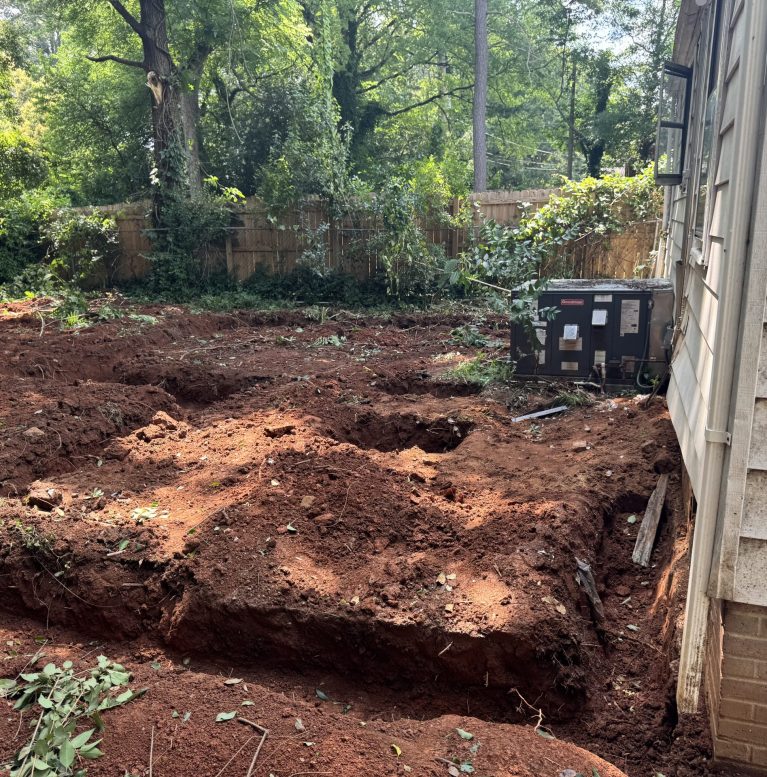
Mint Hill summers are hard on grass. The heat bakes Piedmont red clay into something closer to brick than soil. This is the Cecil clay soil series, and it does not give up water or nutrients easily. Roots hit a wall a few inches down and stop growing.
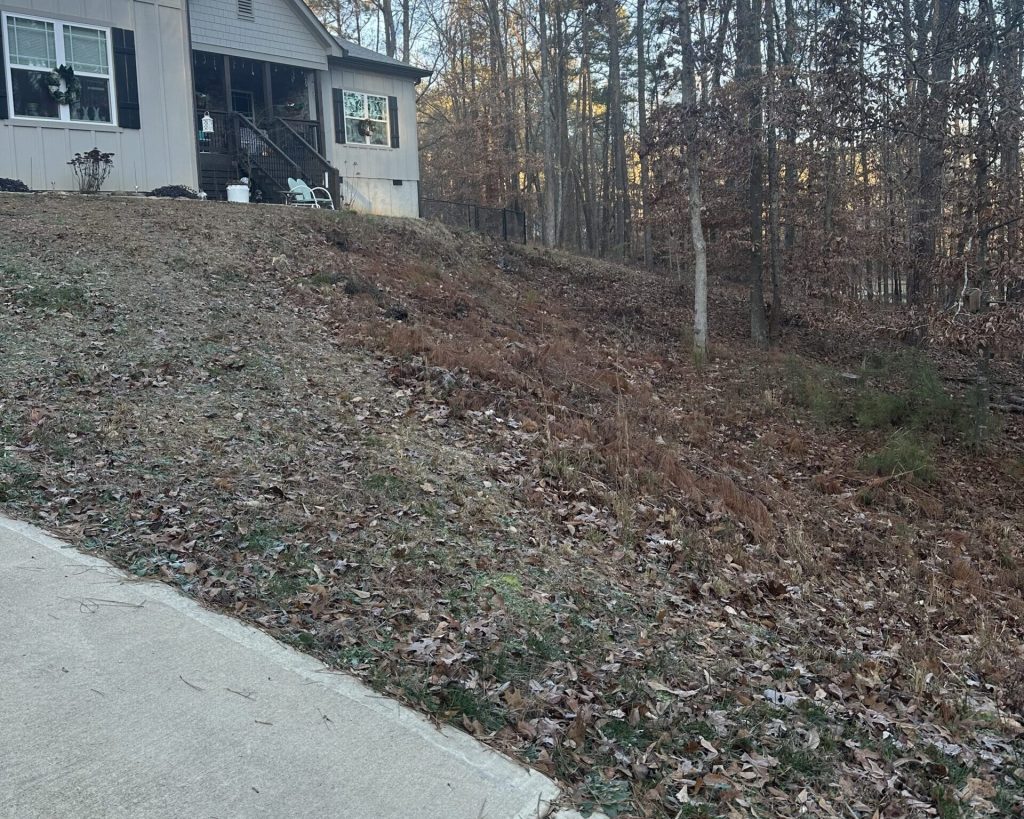
You see it every year. Yards along Lawyers Road thin out by August. Established lawns in Olde Sycamore start showing bare patches even with regular watering. The clay locks moisture out instead of letting it soak in, so water runs off the surface instead of reaching the root zone. That runoff carries topsoil and seed with it, which makes the problem worse over time.
Core aeration fixes this at the source. Our equipment pulls real soil plugs, two to three inches deep, out of your lawn. That opens physical channels through the compaction. Oxygen, water, and nutrients finally reach the roots instead of sitting on top of hardened clay. It is the difference between a lawn that survives Mecklenburg summers and one that gives up by July.
From residential projects to commercial developments, we provide end-to-end solutions for every stage of construction.
We do not run a one-step service. Fall lawn recovery in Mint Hill takes three coordinated steps, and skipping any one of them costs you results.
First, mechanical core extraction. We run commercial stand-on aerators across your yard, pulling thousands of soil plugs and opening growth channels through the clay. This is the step that actually breaks compaction instead of just poking holes in the surface.
Second, we broadcast premium turf-type tall fescue seed immediately after aerating. Timing matters here. Seed dropping straight into open core holes gets real seed-to-soil contact and some protection from runoff, instead of sitting exposed on packed clay where it washes away or never germinates.
Third, we address soil chemistry. Mecklenburg clay runs acidic more often than not, and acidic soil blocks nutrient absorption no matter how much fertilizer you put down. We apply soil-guided lime treatments to correct pH, so your new seedlings can actually use the nutrients available to them. Skip this step and you are fighting your own soil the whole season.
Olde Sycamore Renovation: A homeowner off Lawyers Road called us after three summers of thinning fescue and standing water near the foundation. We aerated the full half-acre lot, overseeded with tall fescue, and applied a soil-guided lime treatment. By November, the lawn had filled in with no bare patches heading into winter.
Summerwood Fall Refresh: A Summerwood property near NC-51 had compacted clay from years of foot traffic and mower wear. Core aeration opened the soil, and immediate overseeding gave the fescue a real shot at rooting before the first frost. The homeowner reported thicker turf and less runoff after the next heavy rain.
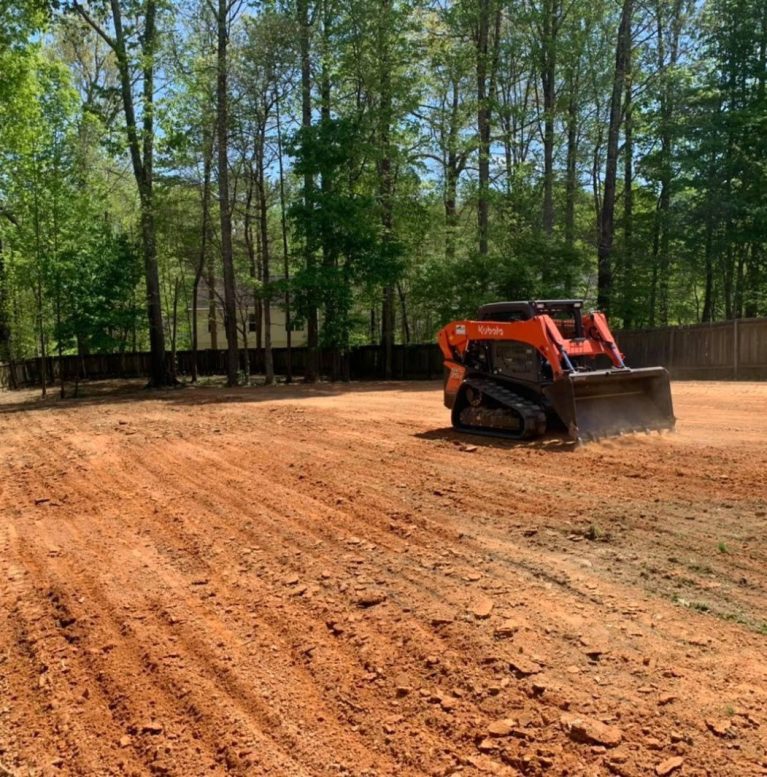
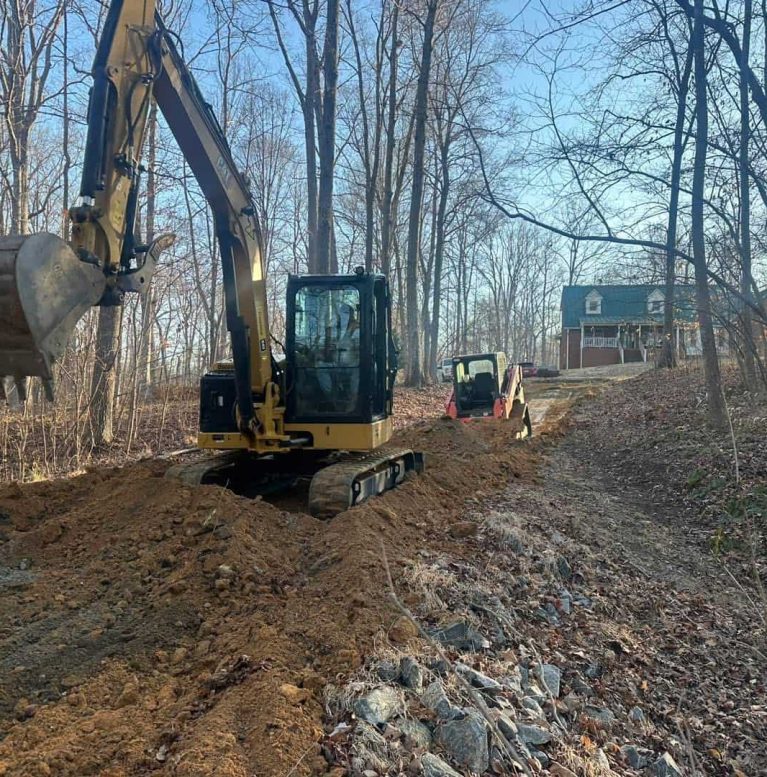
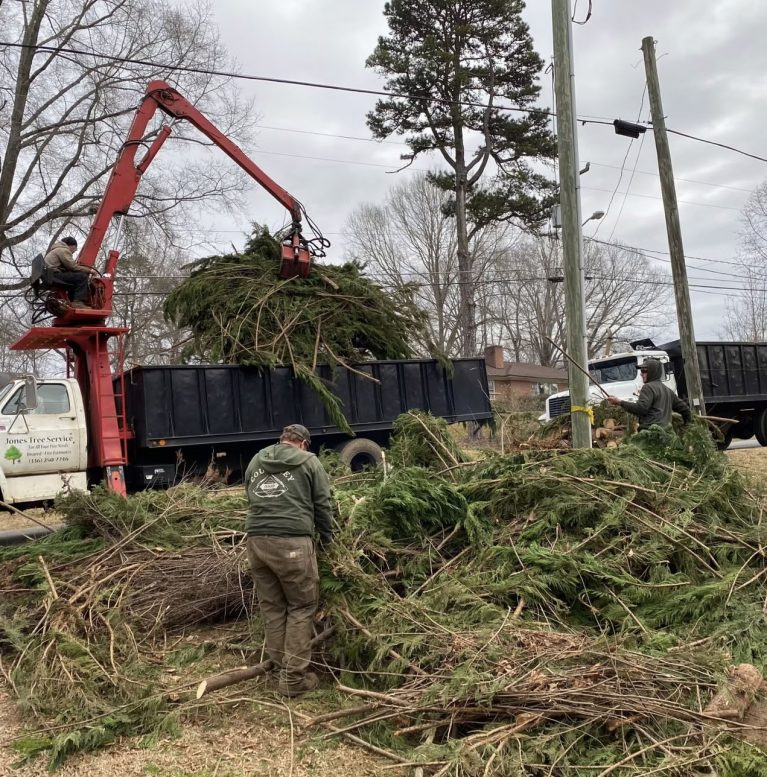
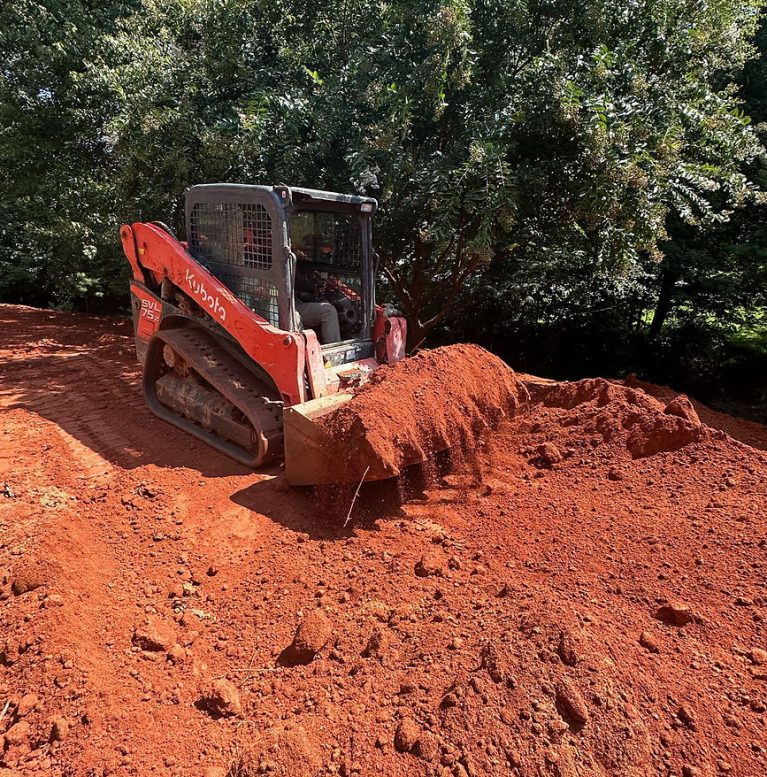
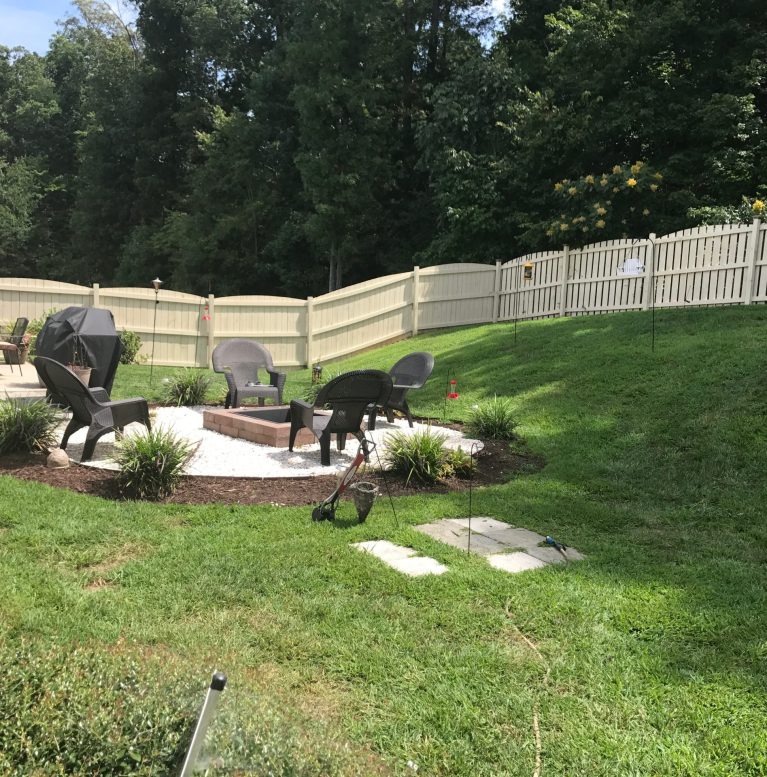
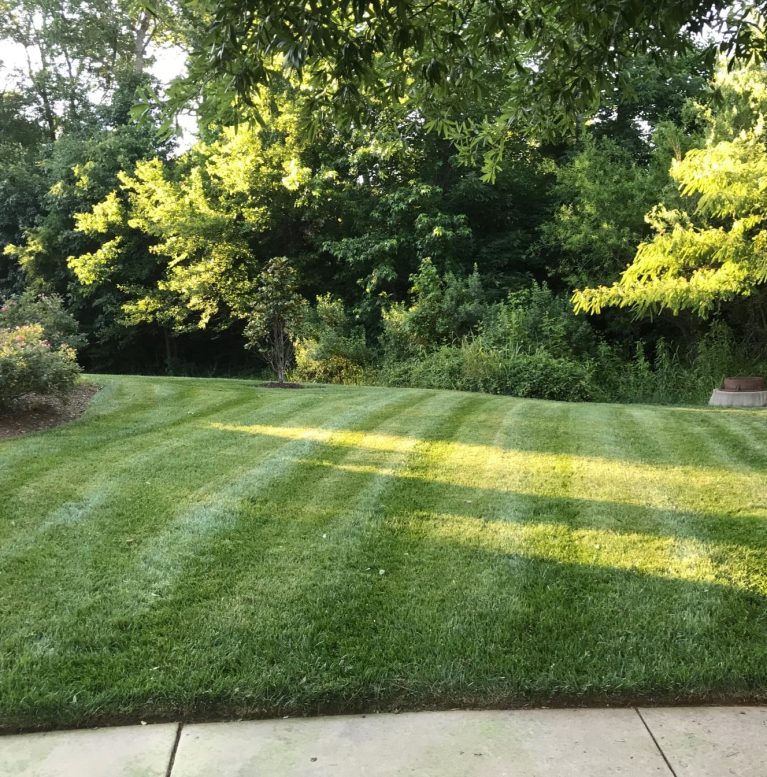
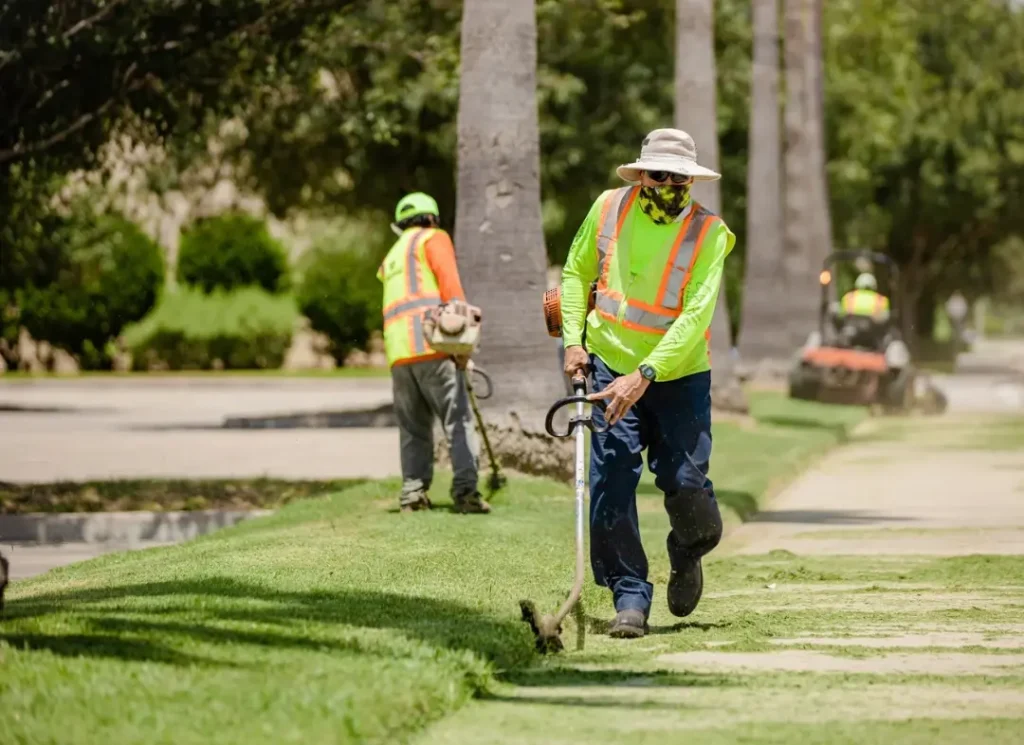
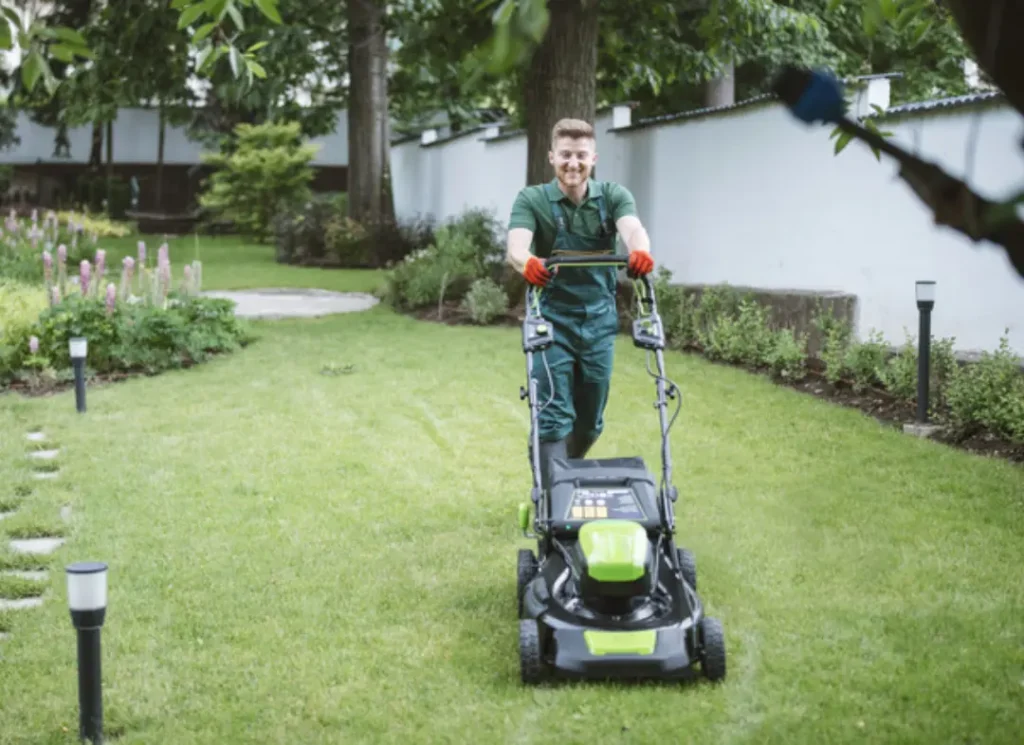
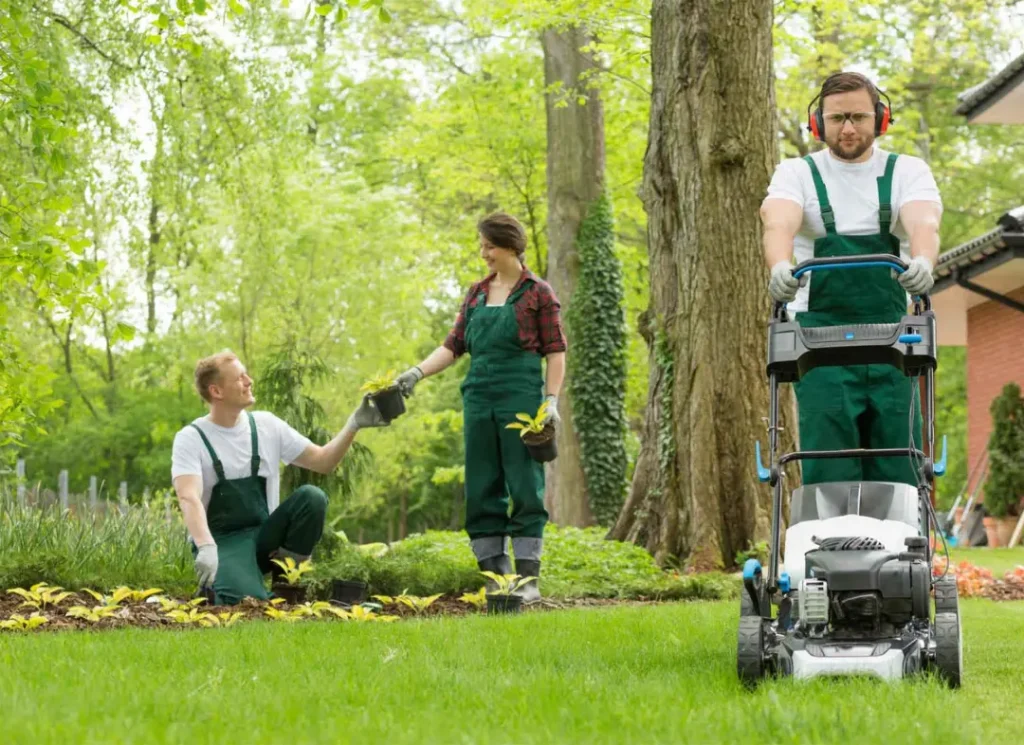
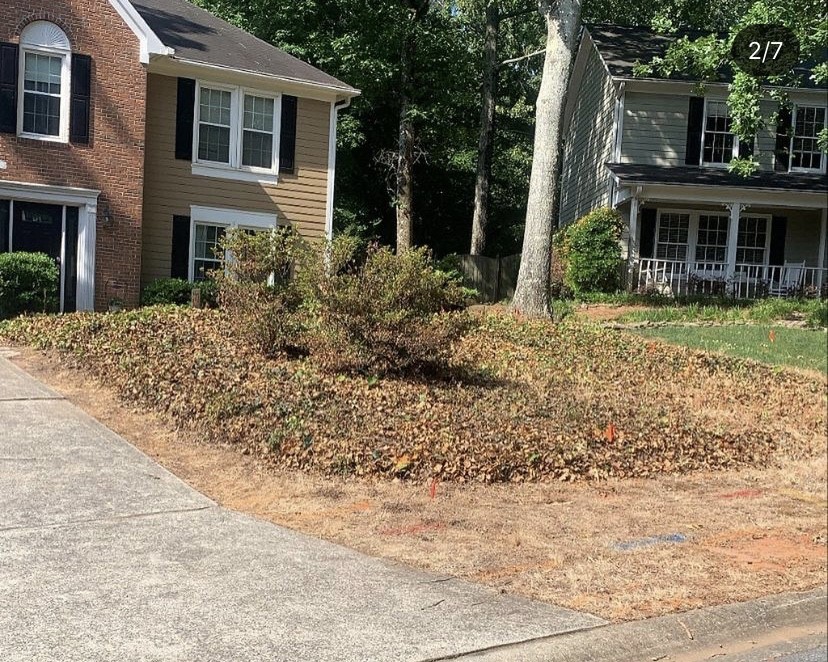
Take a look at some of our latest work. Scroll through the photos below to see our team in action and the results we deliver.
Late August through mid-October is the window for 28227. It lets cool-season fescue root in warm soil before winter, without competing against summer heat or crabgrass.
Seed needs direct soil contact to germinate. We broadcast immediately after aerating so seed falls into open core holes instead of sitting on packed clay.
Water within 24 hours to start germination, then keep soil consistently moist for two to three weeks. Hold off mowing until new grass reaches three inches.
Yes. Compacted clay causes water runoff instead of absorption. Aeration opens channels that let water soak into the root zone instead of pooling or running off.
Often yes. Piedmont clay runs acidic on both sides of the county line. A soil test confirms it, but most Union County lawns we service need the same pH correction.