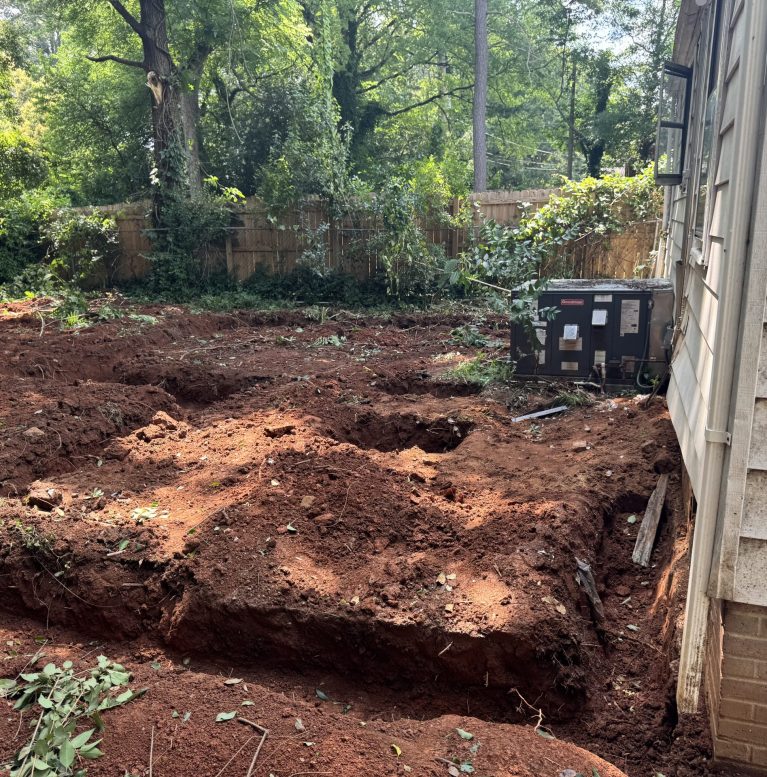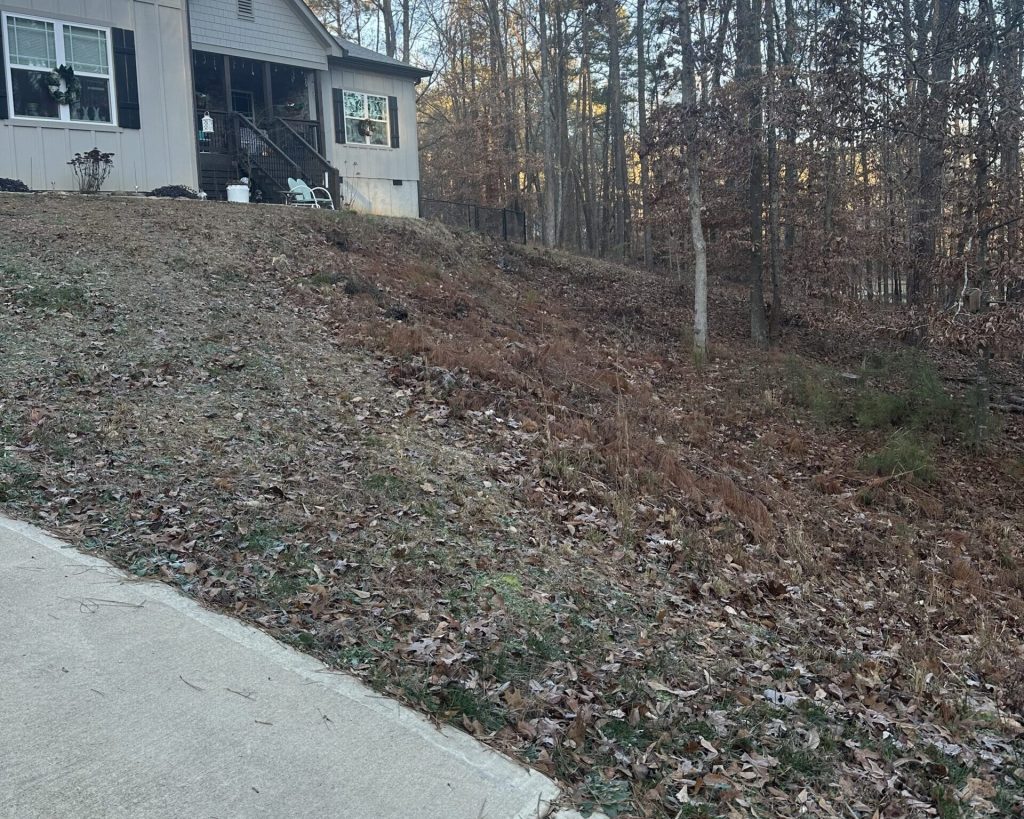
Mint Hill sits on dense Cecil red clay. When summer storms hit, that clay swells up to 10 percent. When the dry season rolls back through, it hardens like concrete. Neither condition is forgiving if your site wasn’t graded right the first time.
Unmanaged clay doesn’t just look bad. It causes real problems. Water pools where it shouldn’t. Foundations shift as the soil beneath them expands and contracts. Driveways crack. Slabs settle. What starts as a drainage issue turns into a structural repair bill.
We’ve worked this ground long enough to know what it takes. From the NC-27 corridor to the I-485 Exit 41 area, we’ve handled Mint Hill’s stubborn acreage on properties large and small. We understand how this soil behaves through every season, and we grade with that behavior in mind, not against it.
If you’re building, expanding, or just tired of standing water after every storm, we bring the local experience to get your site right, and keep it right.
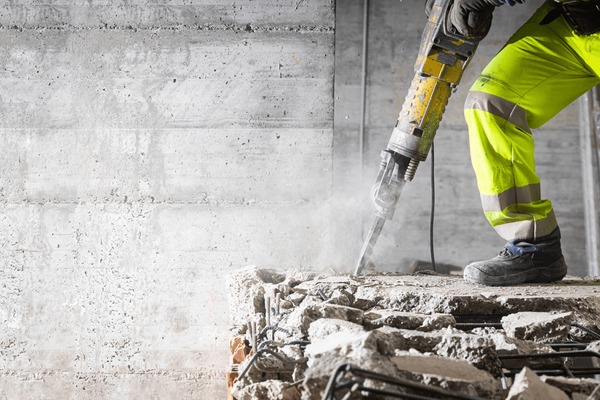
From residential projects to commercial developments, we provide end-to-end solutions for every stage of construction.
We don’t guess on dirt work. Every project follows the same disciplined sequence, so you know exactly what’s happening on your property and why.
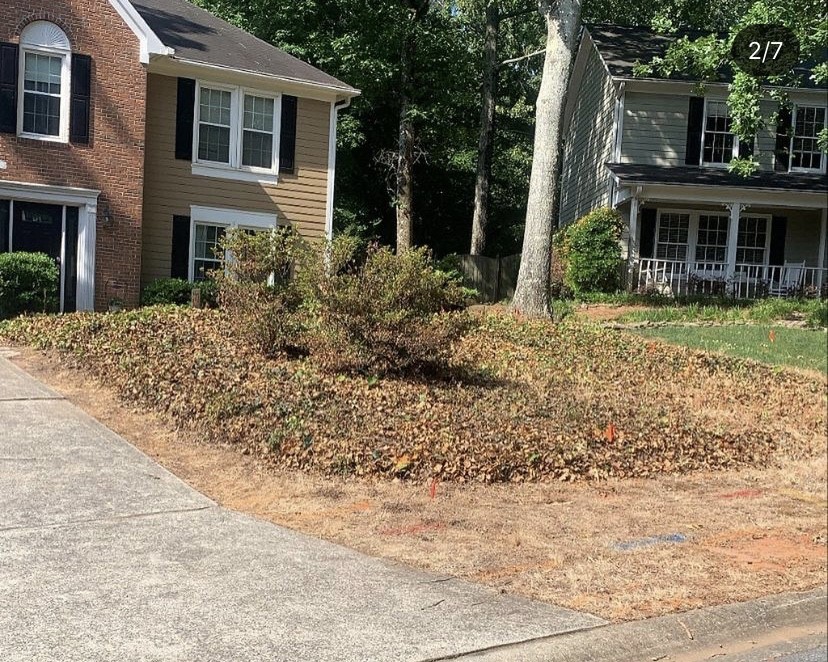
First, site clearing:We remove trees, brush, and stumps down to grubbed, workable ground. Next comes sub-grade excavation. We pull out unstable native clay and replace it with imported structural fill, compacted in lifts to the density your build actually needs.
From there, it’s laser-guided rough and final grading. This step matters most in Piedmont clay country. Elevation is set to shed water away from your foundation, not toward it, cutting off the pooling and shifting problems before they start.
Last, we stabilize. Hydroseeding locks down exposed soil fast, and temporary silt fencing keeps sediment where it belongs while the site settles in.
Every stage is built on the last. Skip one, and the clay finds the weak point. We don’t skip steps, and that’s what separates a site that holds up from one that doesn’t.
A wooded 2-acre parcel near the Stevens Mill area had standing water after every storm. We cleared brush, regraded to shed water off the future pad site, and installed a swale tying into a legal discharge point. No pooling since.
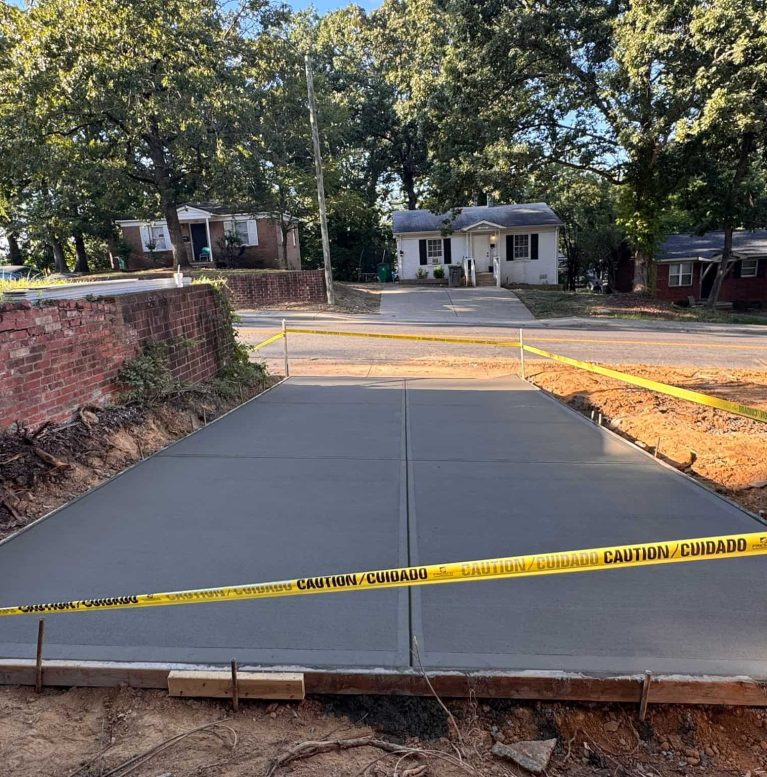
A homeowner near Albemarle Road needed a build-ready pad before their expansive red clay caused slab issues down the line. We excavated the unstable clay, brought in compacted structural fill, and laser-graded to final elevation. Pad passed inspection on the first try.
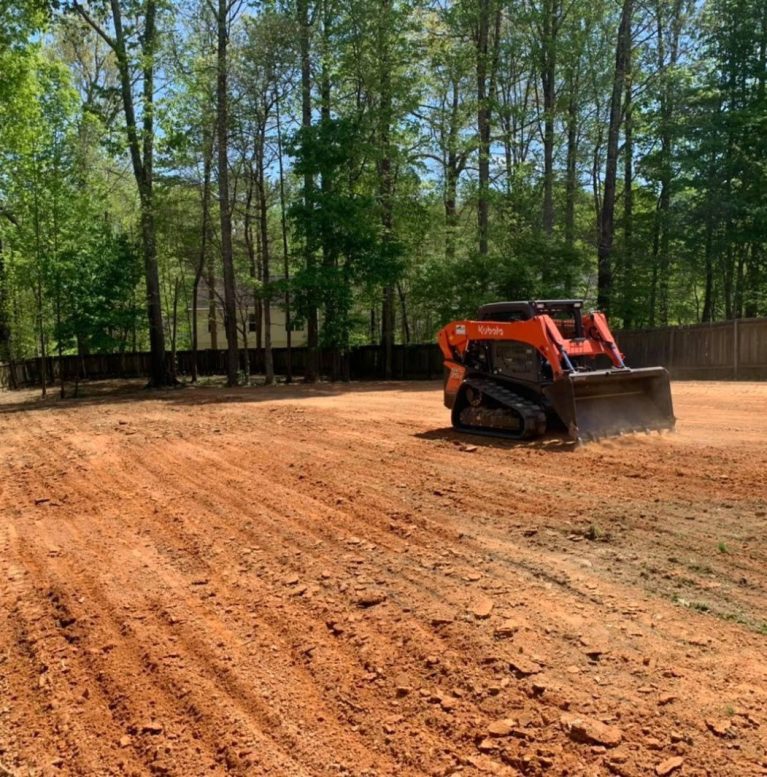
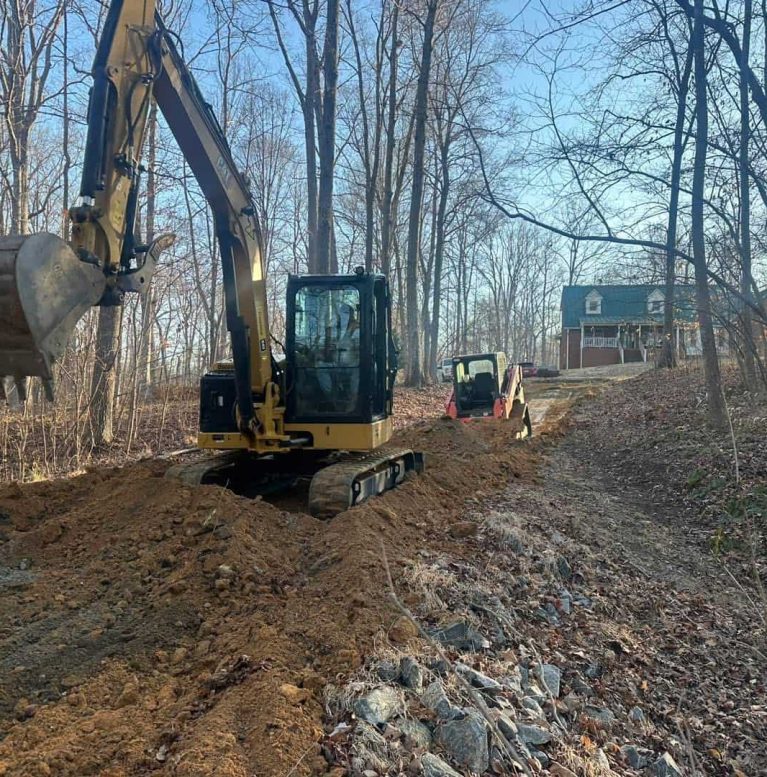
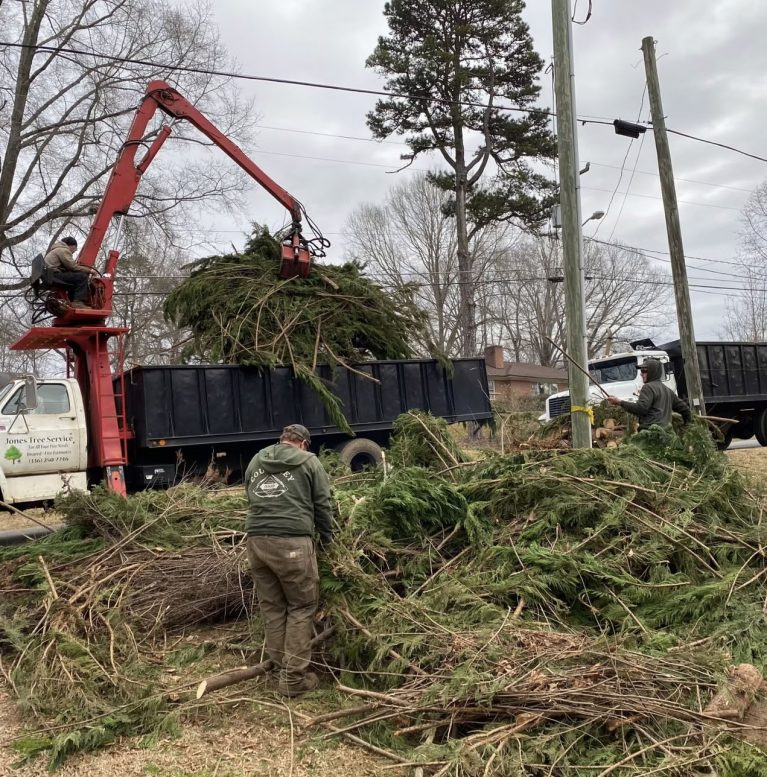
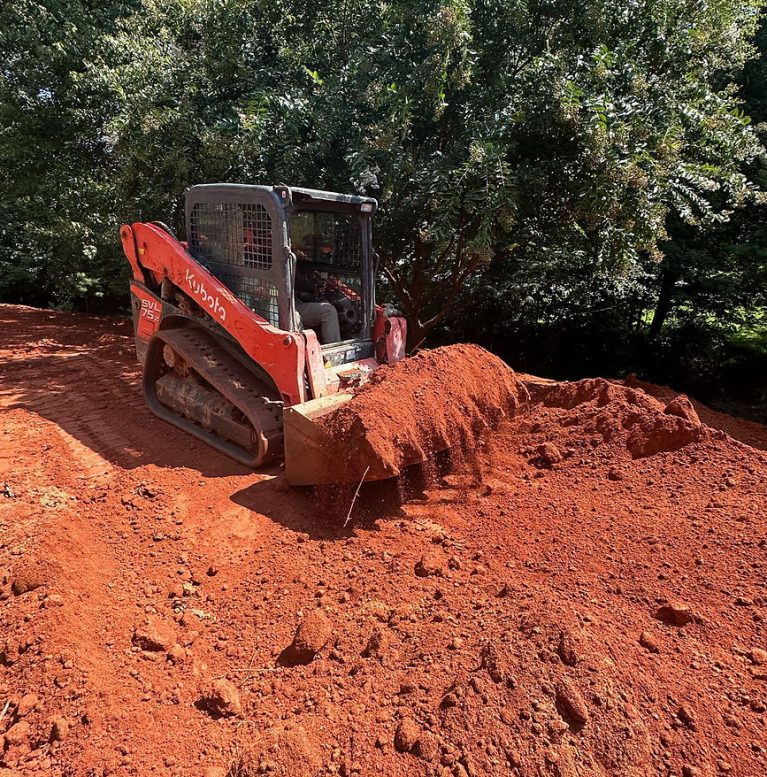
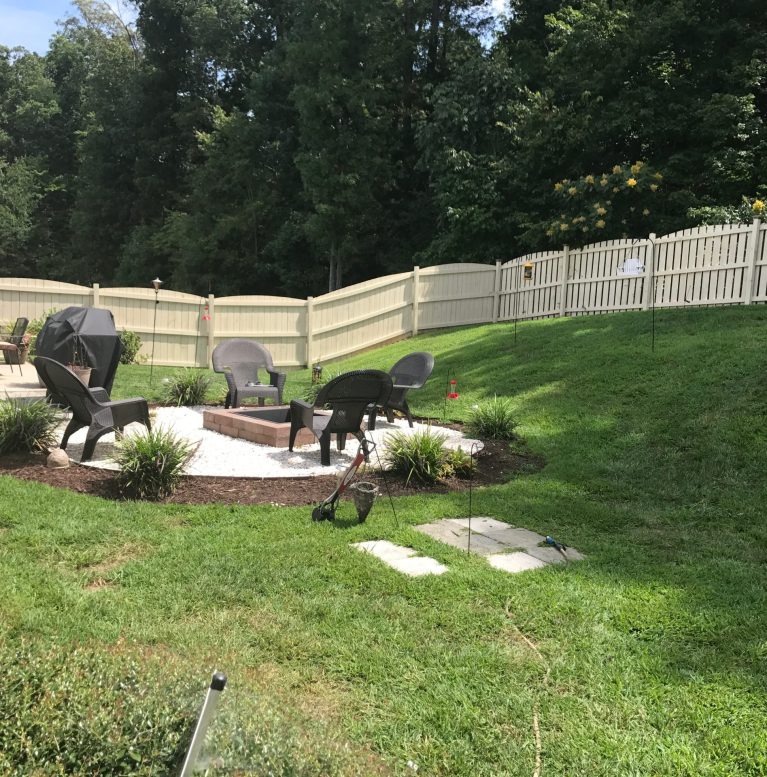
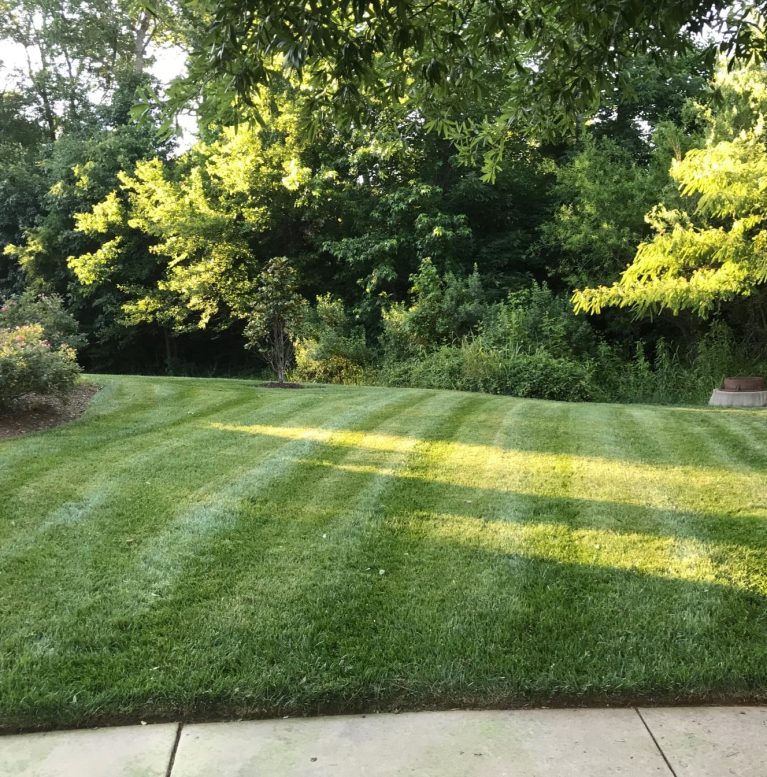
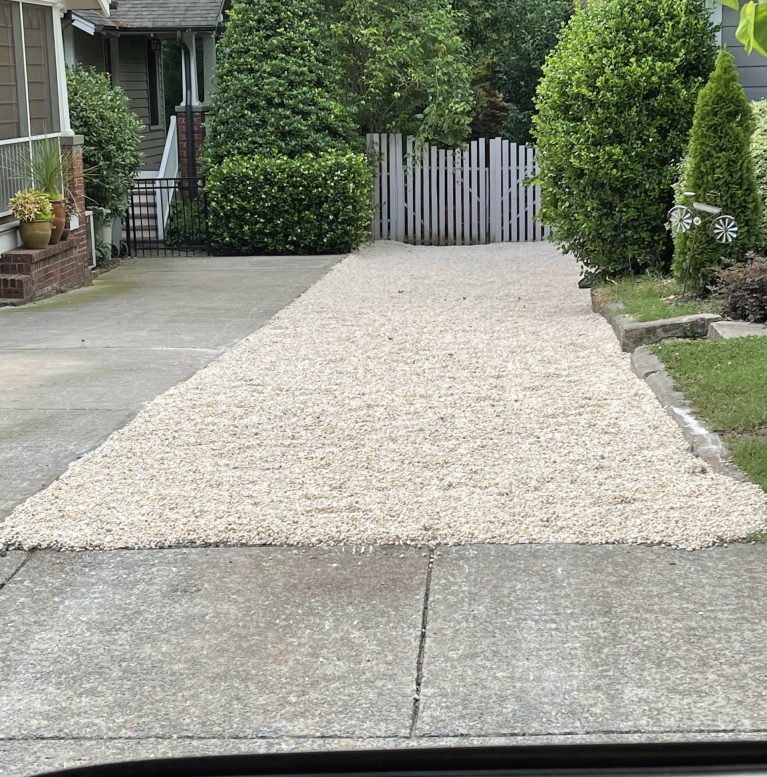
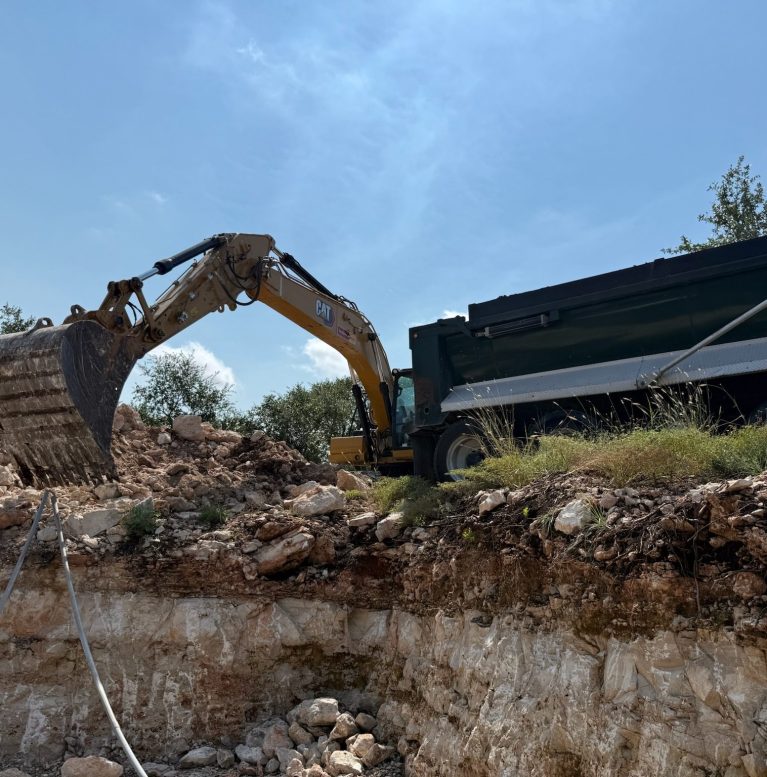
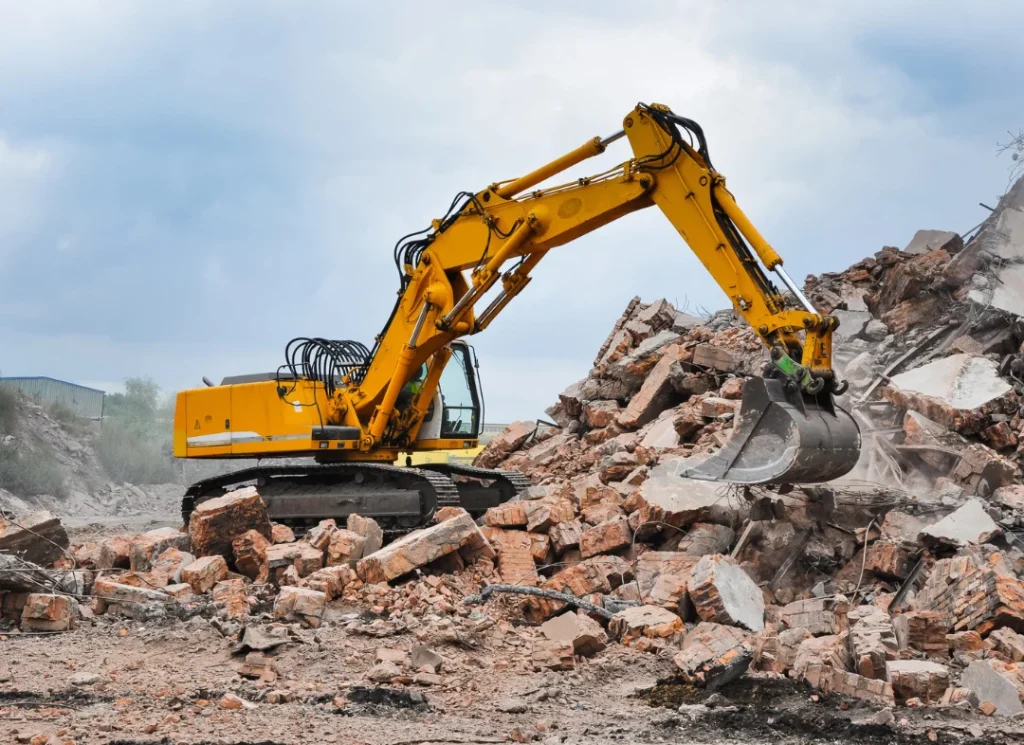
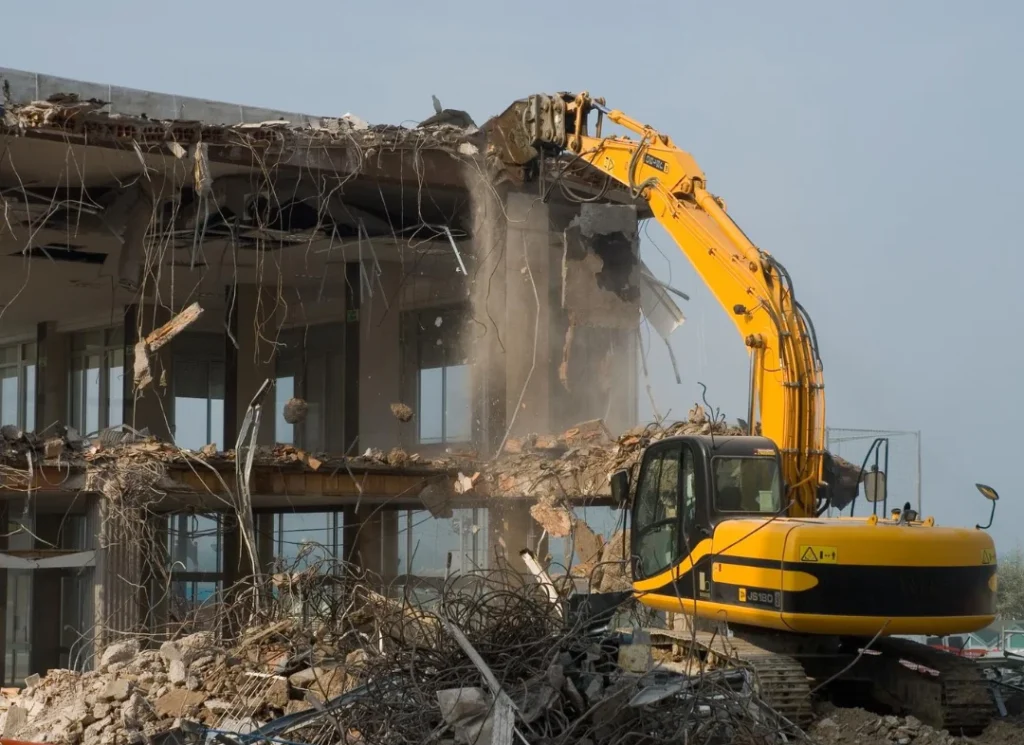
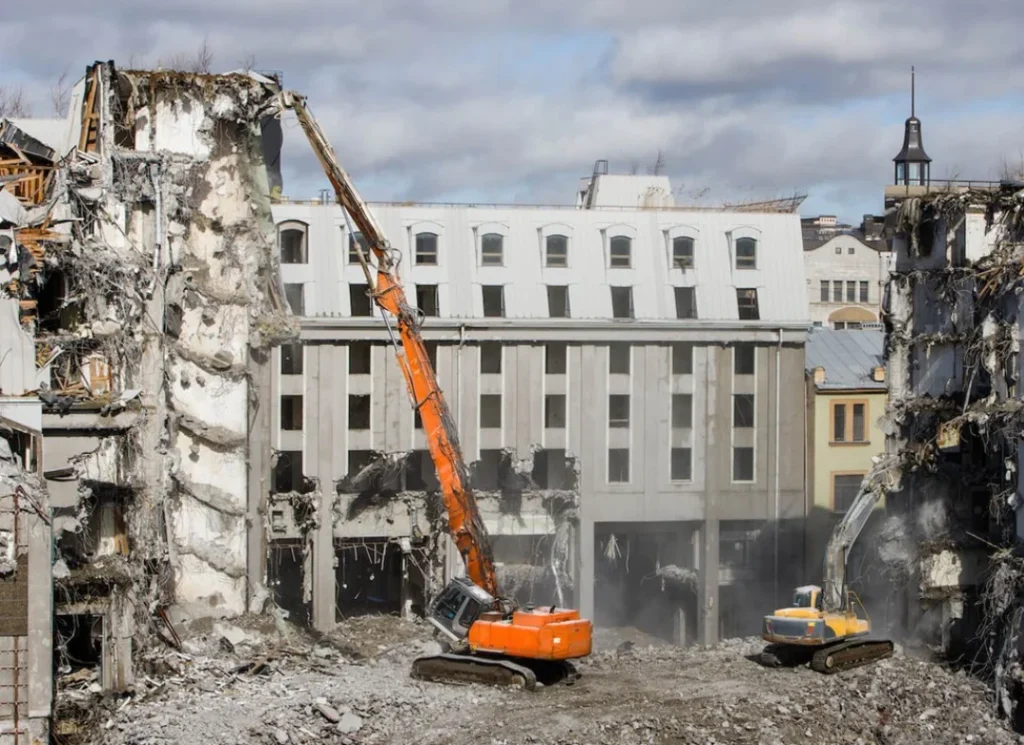
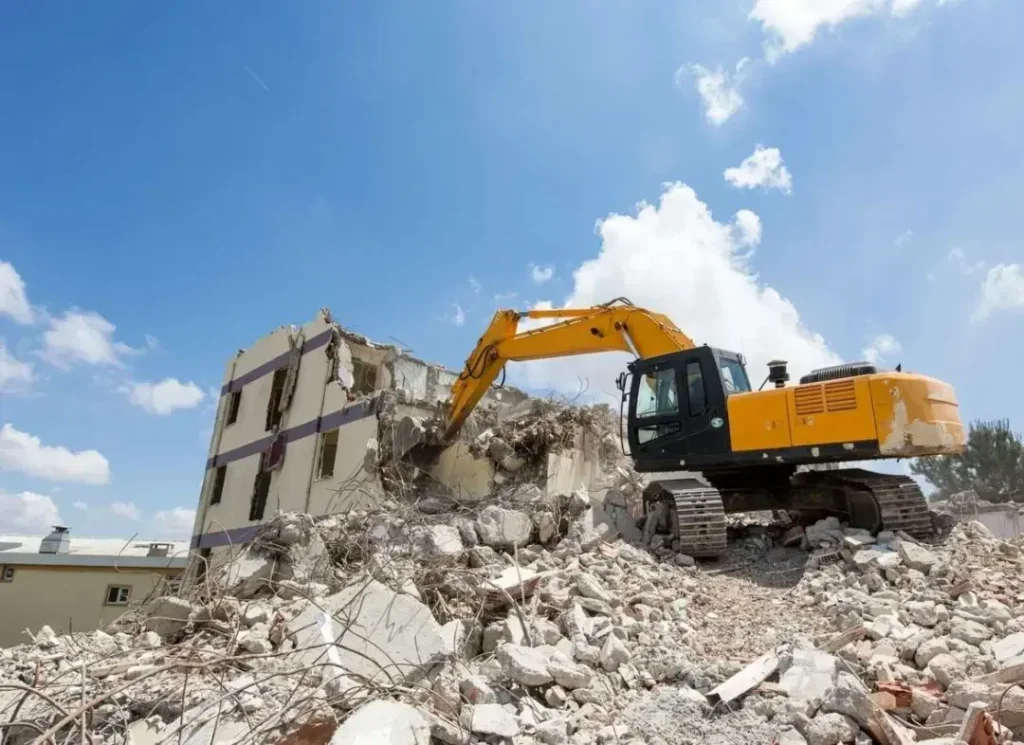
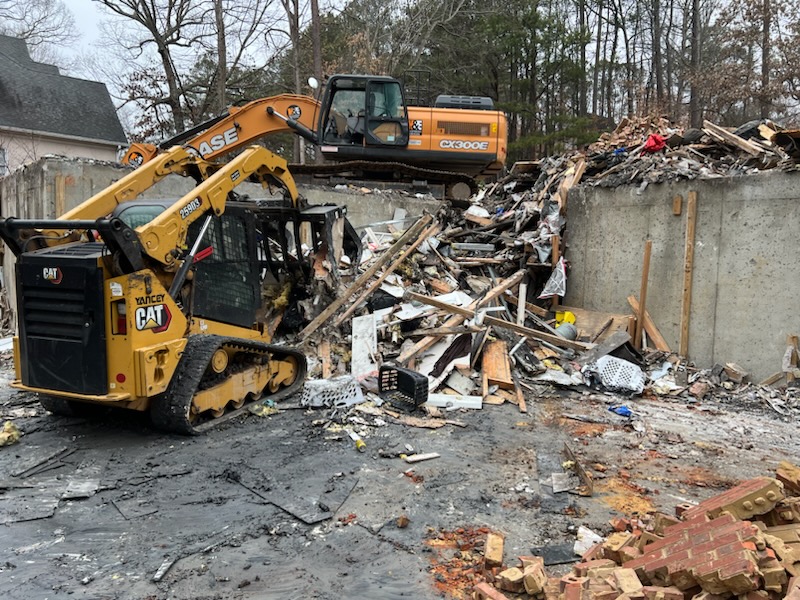
Take a look at some of our latest work. Scroll through the photos below to see our team in action and the results we deliver.
We grade to shed water away from your site, then lock it in with swales, French drains, and hydroseeding before the next storm can undo the work.
Yes. LUESA requires sedimentation and erosion control measures on most sites. We handle permitting and install compliant silt fencing before ground is disturbed.
We excavate the unstable clay and replace it with compacted structural fill, engineered to hold its shape through Mint Hill’s wet-dry swings.
Always. We call for utility locates before any excavation begins, protecting buried gas, water, and electric lines on or near your site.
Yes. We design swales and culverts to direct runoff to approved discharge points, keeping you compliant across Mecklenburg and Union County property lines.