Matthews properties come with two challenges most demolition crews aren’t ready for: sticky Cecil clay soil and tight town footprints. Our crews work both every week.
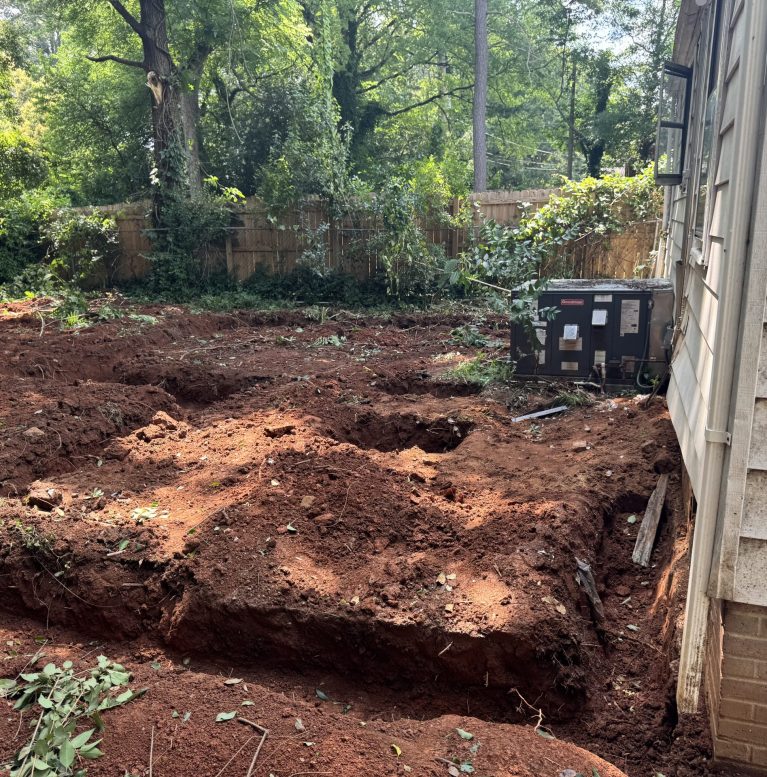
That red clay doesn’t drain like sandy soil. Left disturbed, it turns to slick mud fast and washes straight toward McAlpine Creek during a Carolina downpour. We stage silt fencing before the first swing of the excavator, not after, so your project stays compliant with Mecklenburg County/Charlotte-Mecklenburg Stormwater Services regulations from day one.
Historic Downtown Matthews and the Trade Street corridor add another layer. Narrow lots, mature tree canopies, and close-set neighbors mean we plan equipment access carefully, whether you’re near Independence Blvd, the Chestnut Lane corridor, or tucked into Matthews Commons. We protect what stays standing while we take down what doesn’t.
You get a demolition partner who understands local soil, local regulations, and local streets. That’s what it in it for you: fewer surprises, no stormwater violations, and a clean site ready for the next phase.
From residential projects to commercial developments, we provide end-to-end solutions for every stage of construction.
We run every teardown the same disciplined way, whether it’s a residential interior gut demolition or a full commercial structure teardown in Matthews, NC.
First, we locate and disconnect utilities. That means coordinating shutoffs with Duke Energy, Piedmont Natural Gas, and Charlotte Water before any equipment touches the site. Skipping this step is how people get hurt.
Next, we contain the site. Silt fencing goes up around the perimeter to hold back Cecil clay runoff, protecting nearby drainage and satisfying Mecklenburg County erosion control standards.
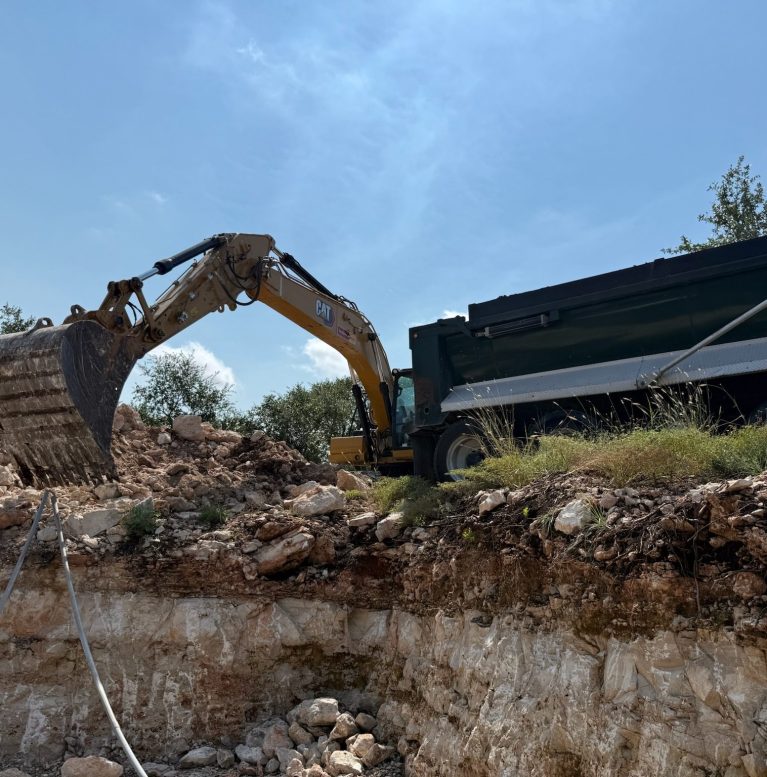
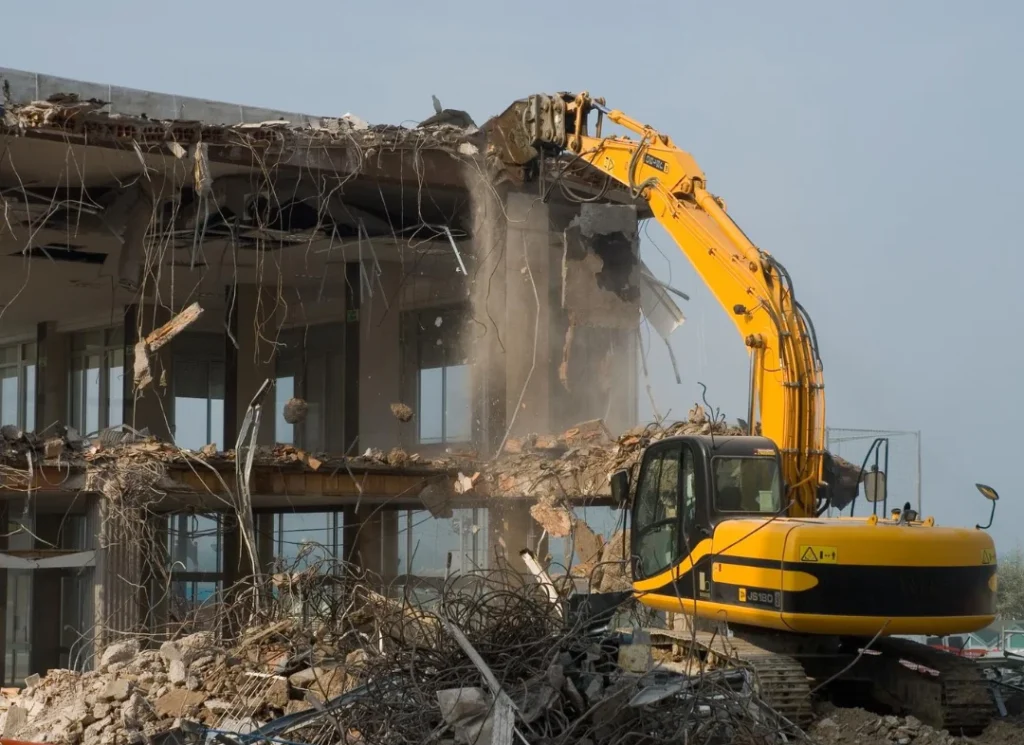
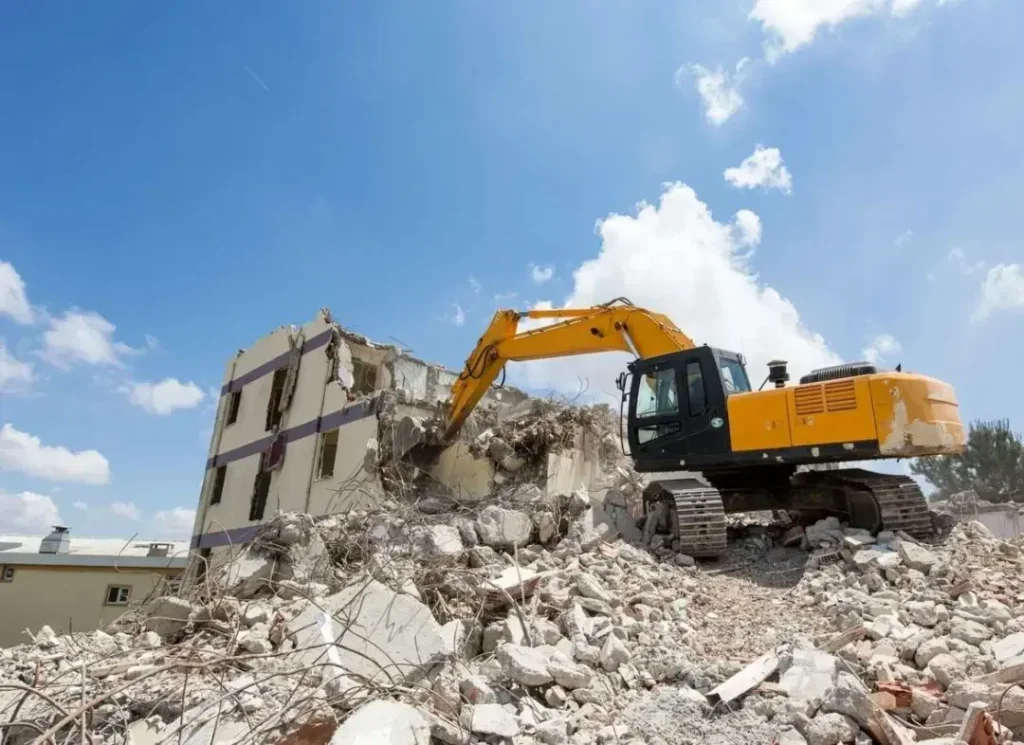
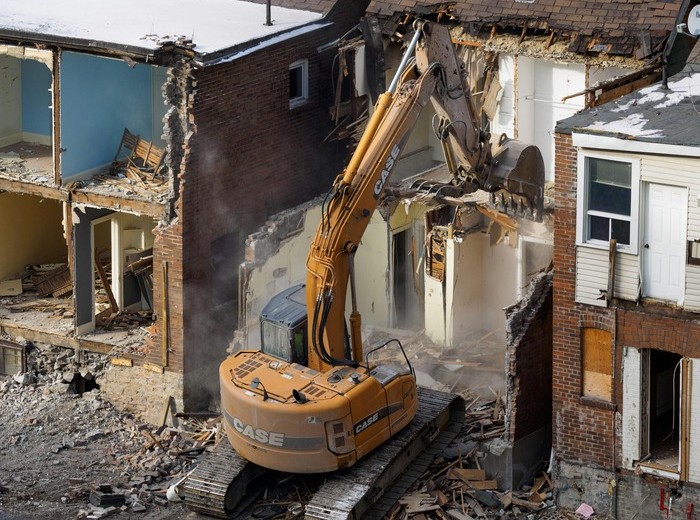
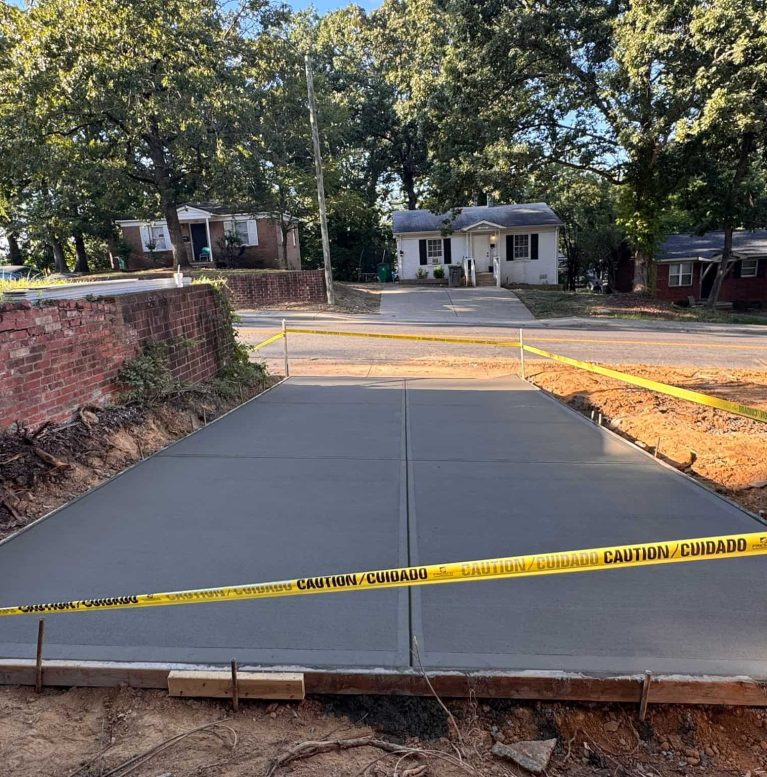
Heavy equipment mobilizes in next, routed efficiently via I-485 or US-74/Independence Blvd depending on where your property sits. Then we raze the structure, whether that’s concrete slab removal or a full building teardown.
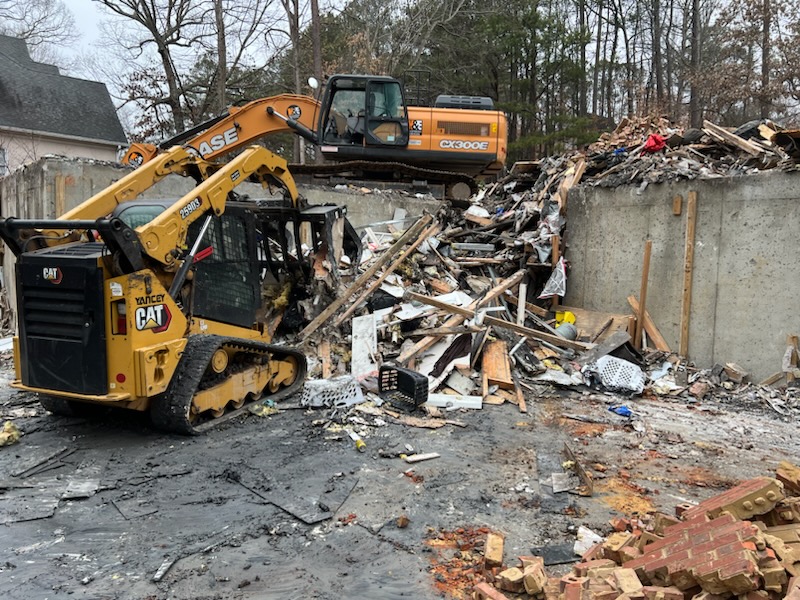
Debris haul-off follows immediately. We don’t let material sit and turn Matthews properties into an eyesore or a liability.
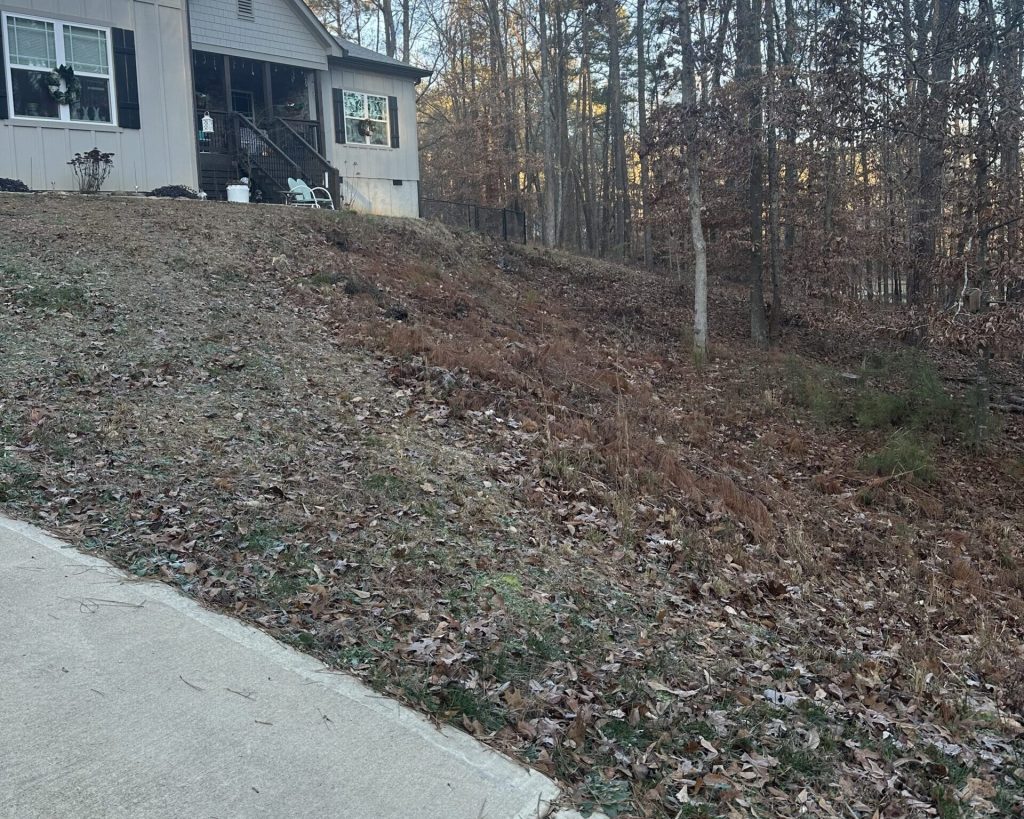
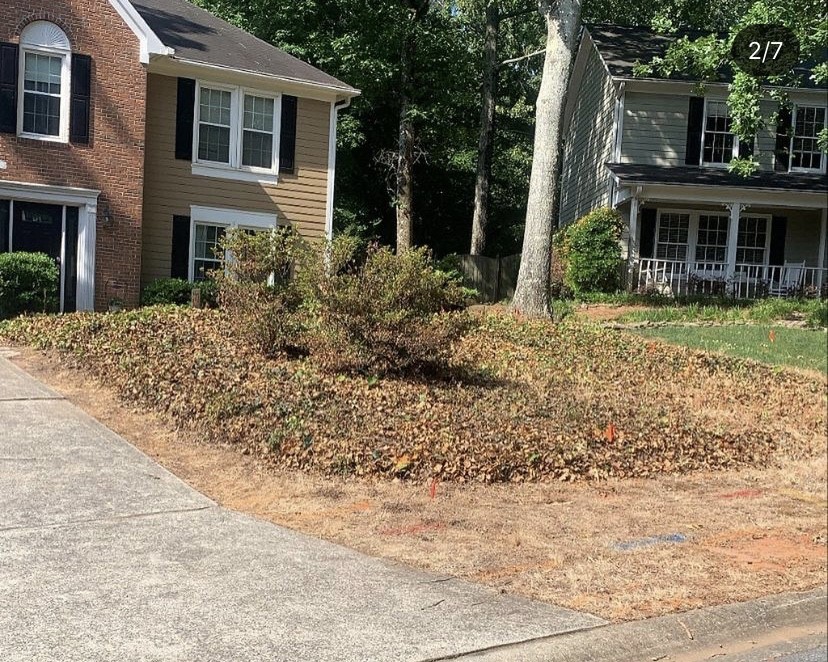
Finally, we grade the site. Proper grading stabilizes the exposed clay and sets you up for whatever’s built next. Every step is sequenced to keep your project on schedule and your site safe.
Historic Downtown Matthews Interior Gut Demolition: A property owner near the Trade Street area needed a residential interior gut demolition ahead of a renovation. Tight lot access meant careful equipment staging. We protected the mature trees on-site, completed the interior strip-out in three days, and hauled debris off without disrupting the historic block’s foot traffic.
Chestnut Lane Corridor Commercial Teardown: A commercial structure teardown near the Chestnut Lane corridor required full silt fencing before grading began, given proximity to a McAlpine Creek tributary. We coordinated Duke Energy and Charlotte Water disconnects, razed the structure in under a week, and left the site graded and stabilized.
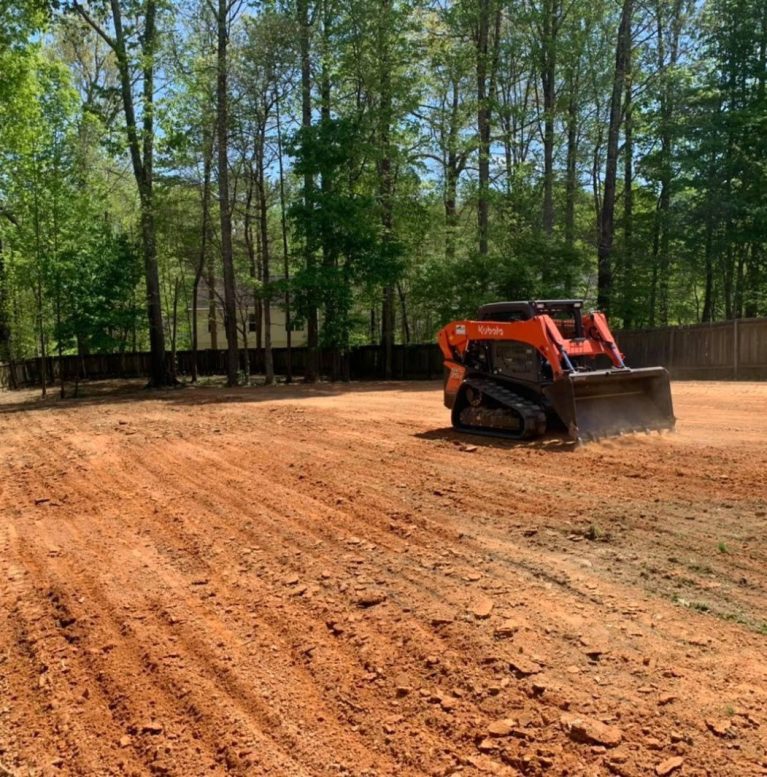
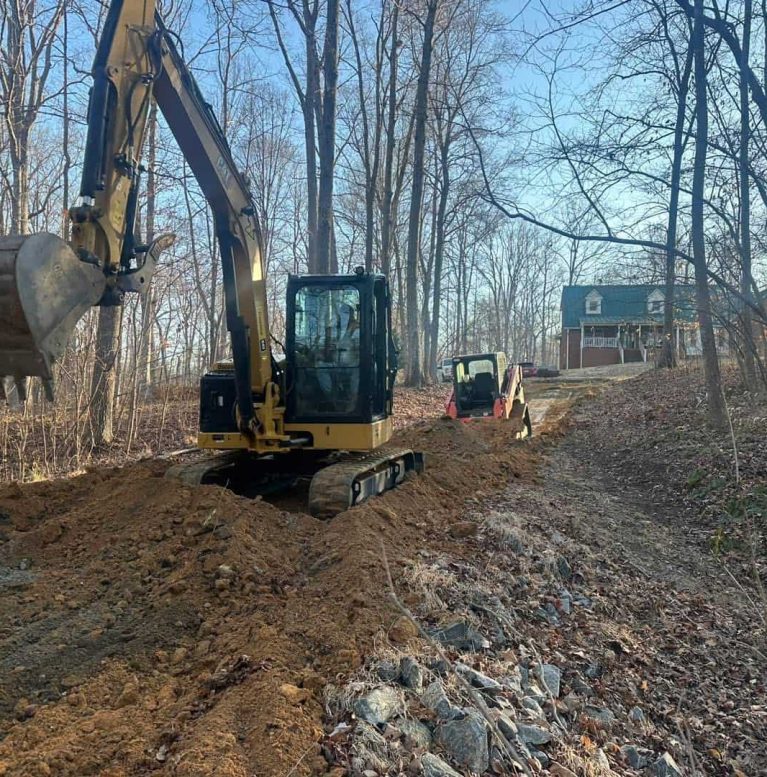
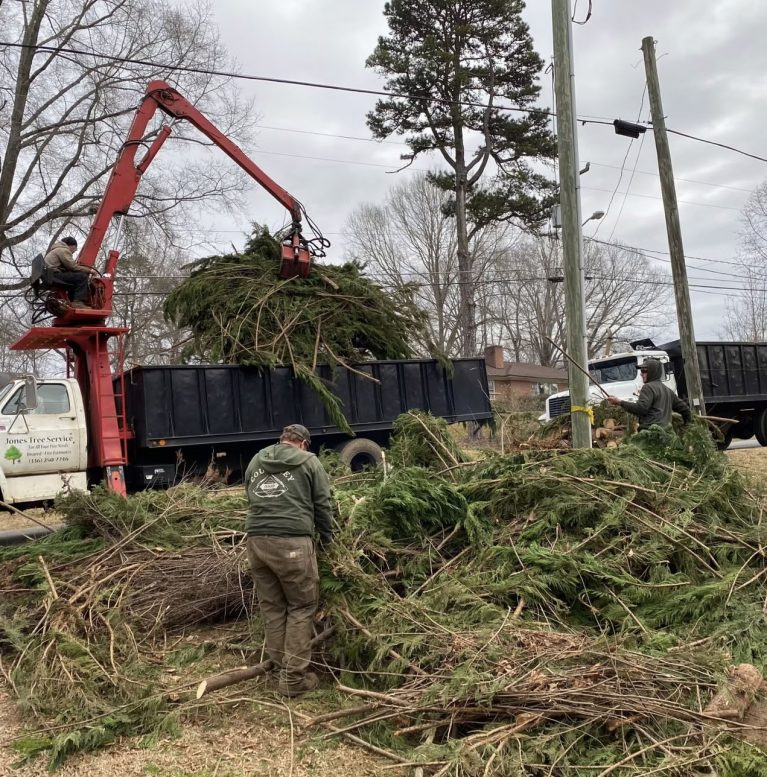
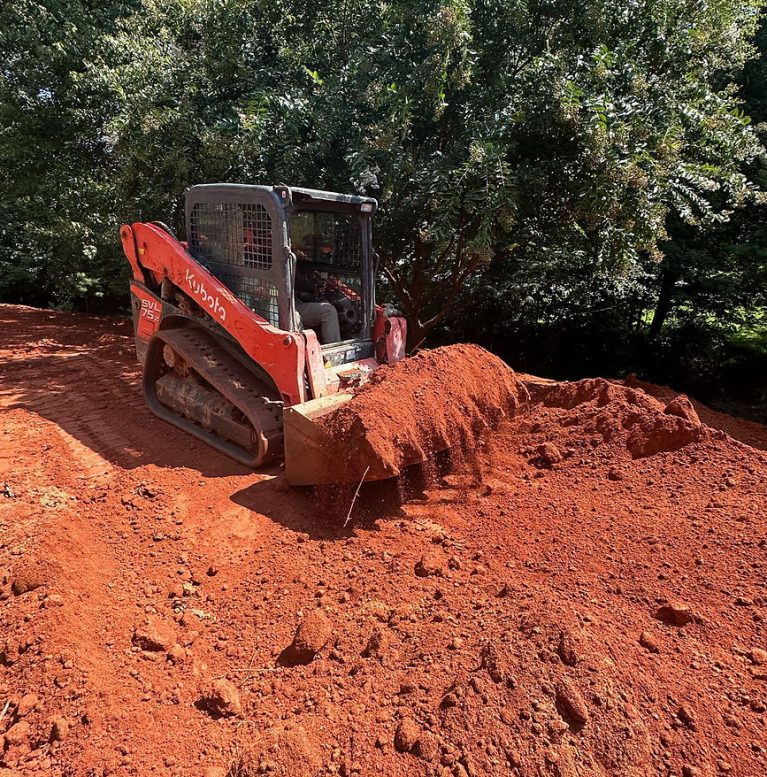
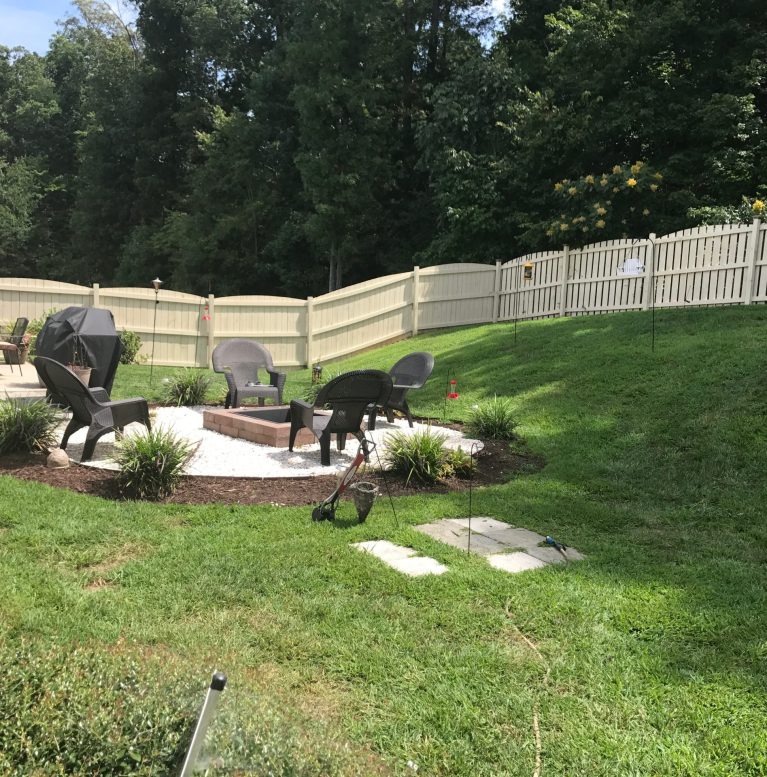
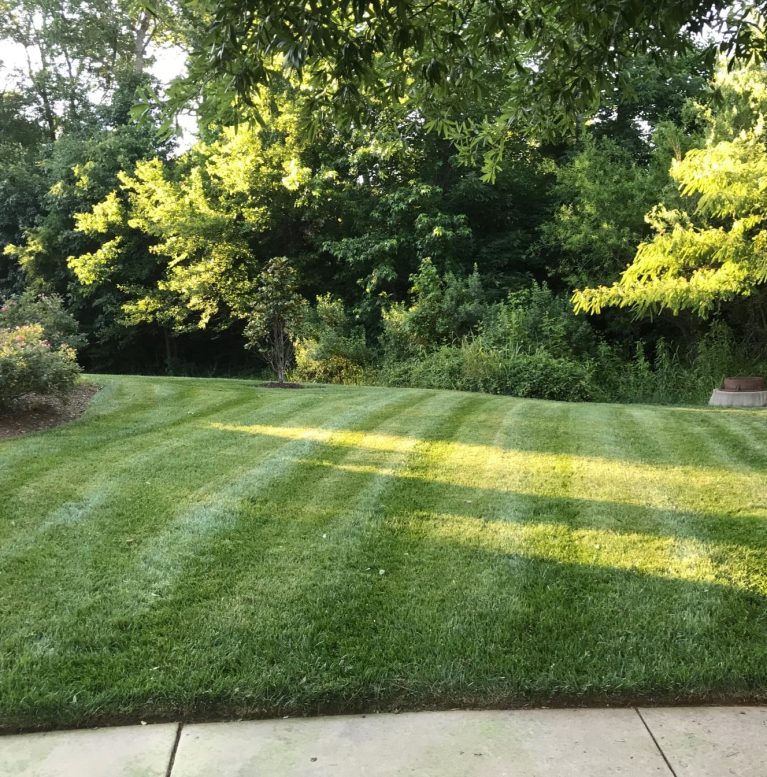
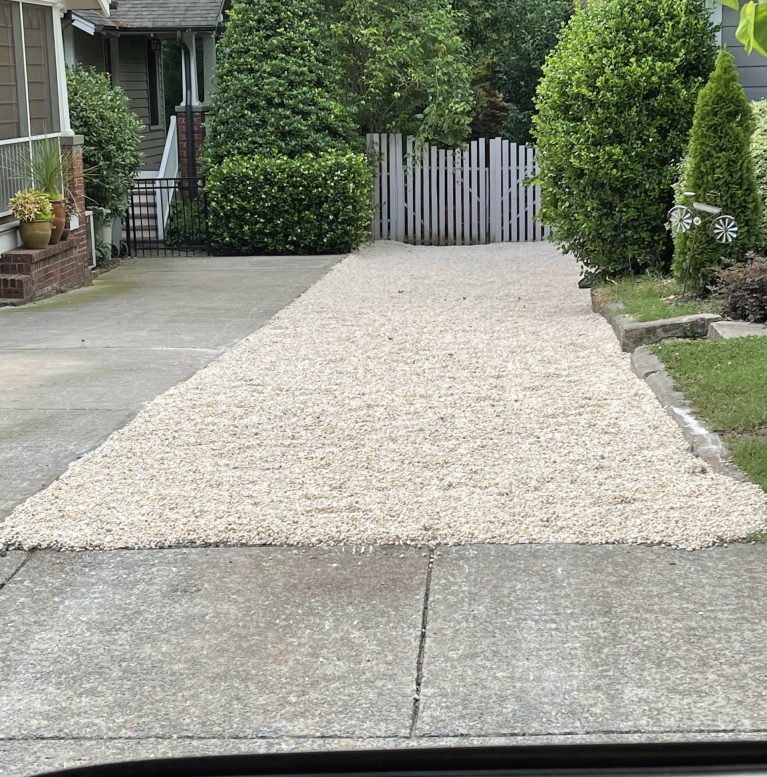
Take a look at some of our latest work. Scroll through the photos below to see our team in action and the results we deliver.
Yes. Mecklenburg County Code Enforcement issues separate demolition permits based on structure type. We handle the paperwork and Town of Matthews zoning compliance for you.
We install silt fencing to CMSWS standards before grading and coordinate all utility shutoffs with Duke Energy, Piedmont Natural Gas, and Charlotte Water first.
Cost and timeline depend on structure size, access, and site conditions. Most residential teardowns run one to two weeks. We provide a firm quote after a site walk.
Older Matthews structures often do. We manage NCDHHS asbestos notification filings and coordinate abatement so your permit isn’t delayed.
If you’re near McAlpine Creek or a tributary, yes. We add reinforced silt fencing and grading measures to meet CMSWS runoff requirements.