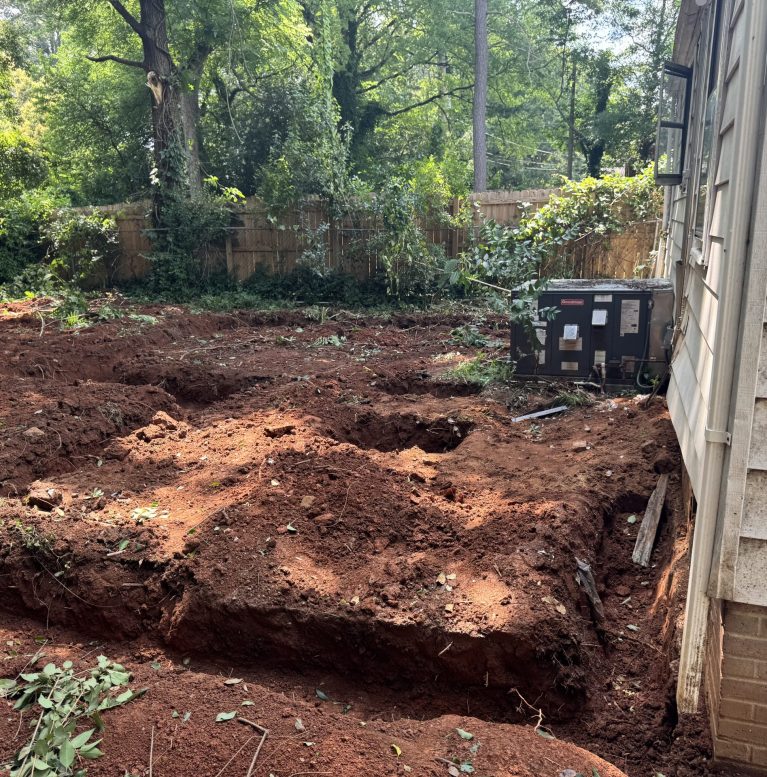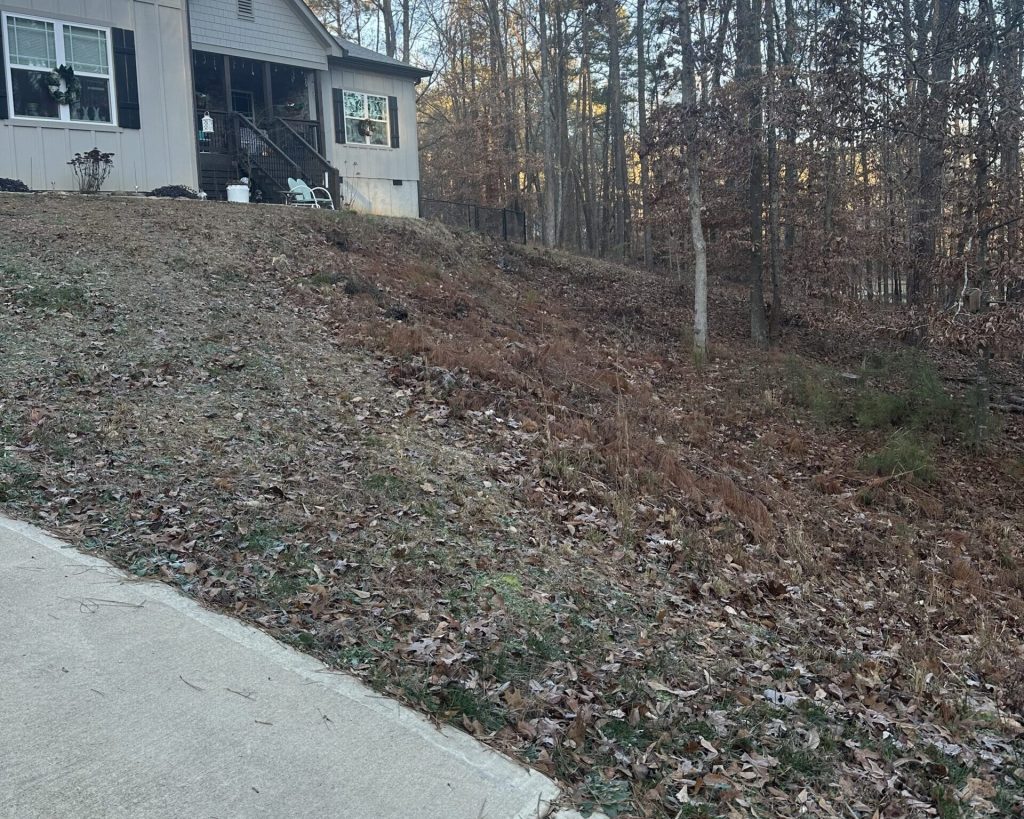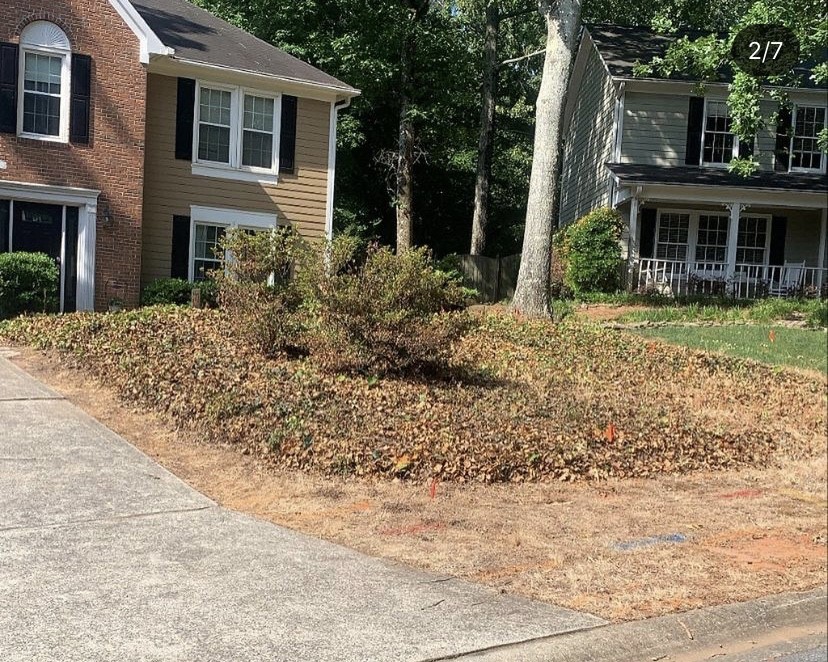
Huntersville sits on Piedmont red clay, and that clay causes more driveway failures than anything else in Mecklenburg County. This soil swells when it’s wet and bakes concrete-hard during summer droughts. Neither state is good for a driveway base. Standard gravel poured straight onto that clay has nothing to hold it in place. The result: potholes, standing water, and stone that sinks straight into the native soil within a season.
Around the I-77 corridor and Gilead Road, we see this constantly on driveways that were never built for local conditions. Lake Norman’s humidity and heavy, localized thunderstorms make it worse. Water hits fast and hard, and it has nowhere to go on a flat, unprepared surface.
This isn’t a material problem. It’s an engineering problem. A gravel driveway near Antiquity or Torrence Creek needs the same grading logic as a commercial lot off Exit 25 or Exit 28. Get the drainage and base right, and the clay underneath stops being your enemy. Skip it, and you’ll be regrading within a year.
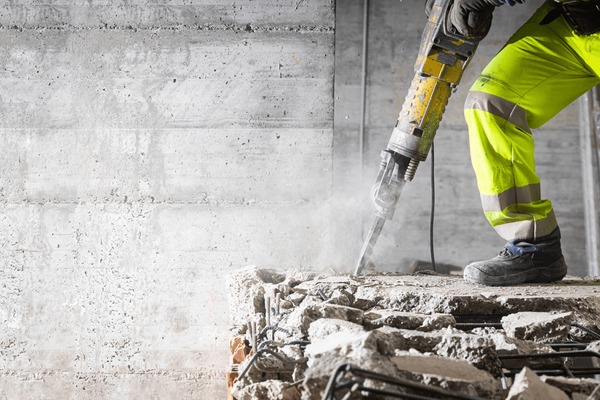
From residential projects to commercial developments, we provide end-to-end solutions for every stage of construction.
We don’t just dump stone and call it done. Every driveway we build follows the same four-step process, because skipping a step is how red clay wins.
Excavation and crown grading:
We dig out the organic topsoil first, then shape a 2% to 4% cross-slope. That crown sheds water off the surface instead of letting it pool in the middle.
Geotextile separation fabric:
A heavy-duty, non-woven membrane goes down next. This is the barrier that stops mud from working its way up into your stone, permanently.
Foundation base layer:
We spread 4 to 6 inches of dense-graded crusher-run stone with stone dust mixed in. This layer locks together and gives the driveway real structural strength.
Mechanical rolling and finishing:
A high-frequency vibratory roller compacts everything, forcing the angular stones to interlock tightly.
This process works the same whether it’s a waterfront property near Jetton Road or a driveway off Gilead Road. The clay doesn’t change. The engineering has to be right every time.
Antiquity Subdivision, Lake Norman: A homeowner near Antiquity had a gravel driveway that turned to soup every time it rained. We excavated the failed base, installed geotextile fabric, and rebuilt with crowned crusher-run compaction. No more pooling, no more rutting from delivery trucks.
Gilead Road Commercial Lot: A small business off the Gilead Road corridor needed a driveway that could handle daily pickup truck traffic without sinking. We laid a 6-inch crusher-run base with proper cross-slope grading. Two years in, zero washout, zero potholes.
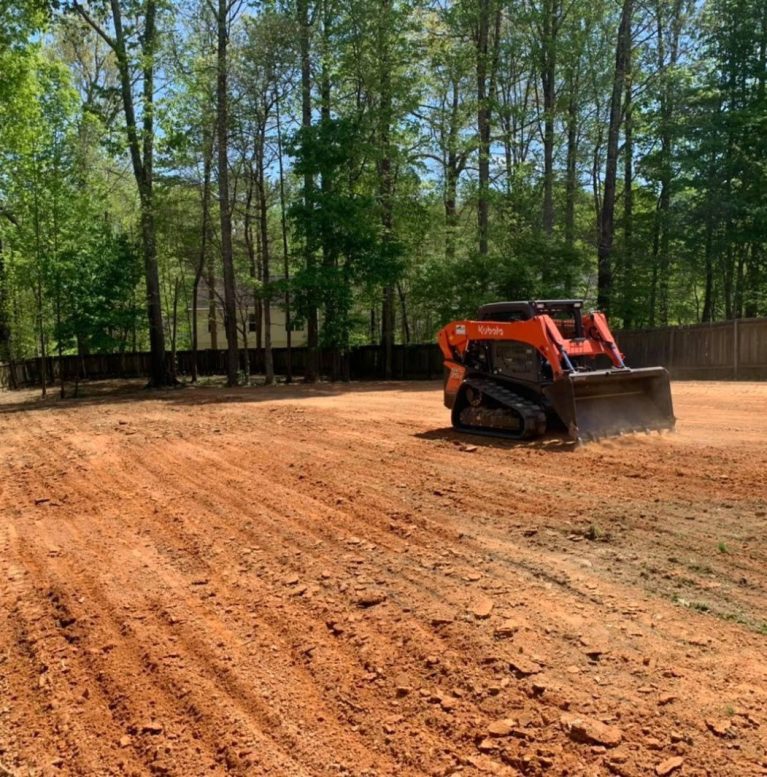
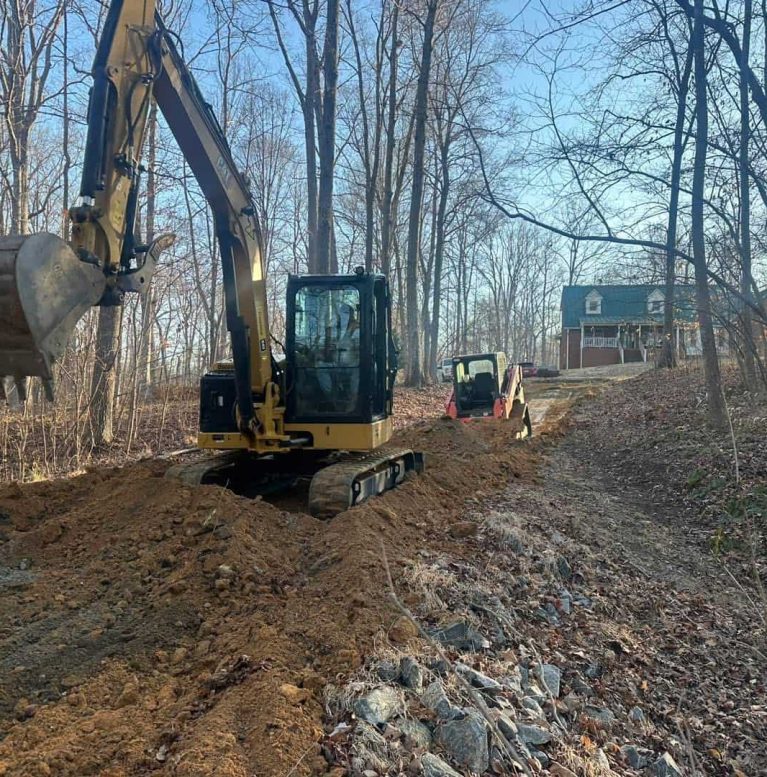
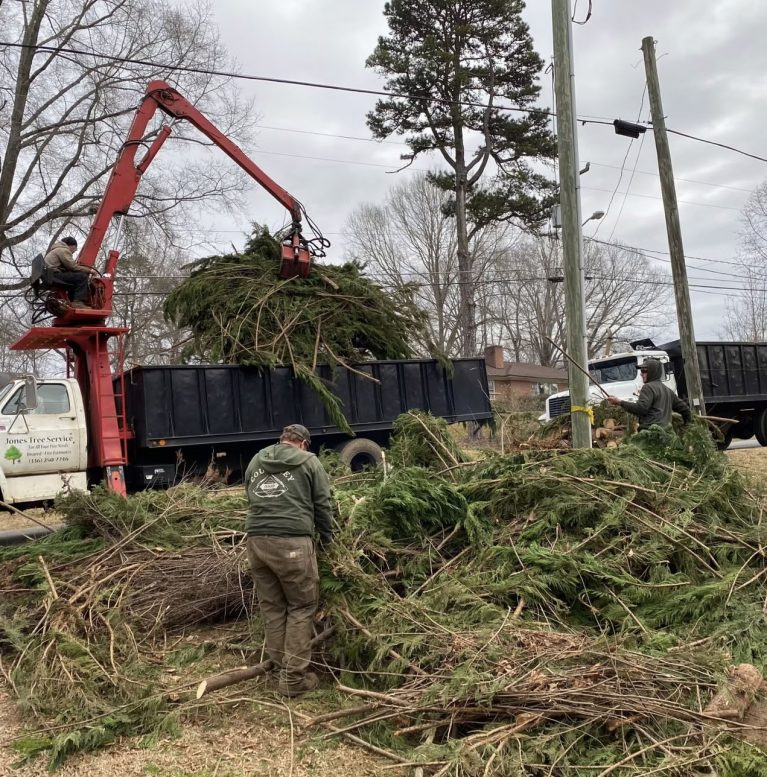
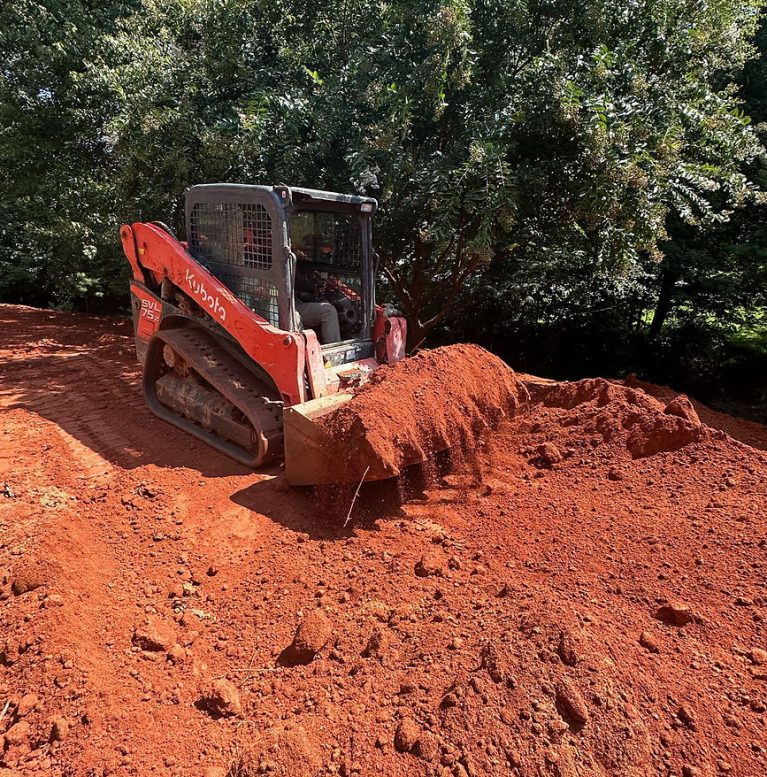
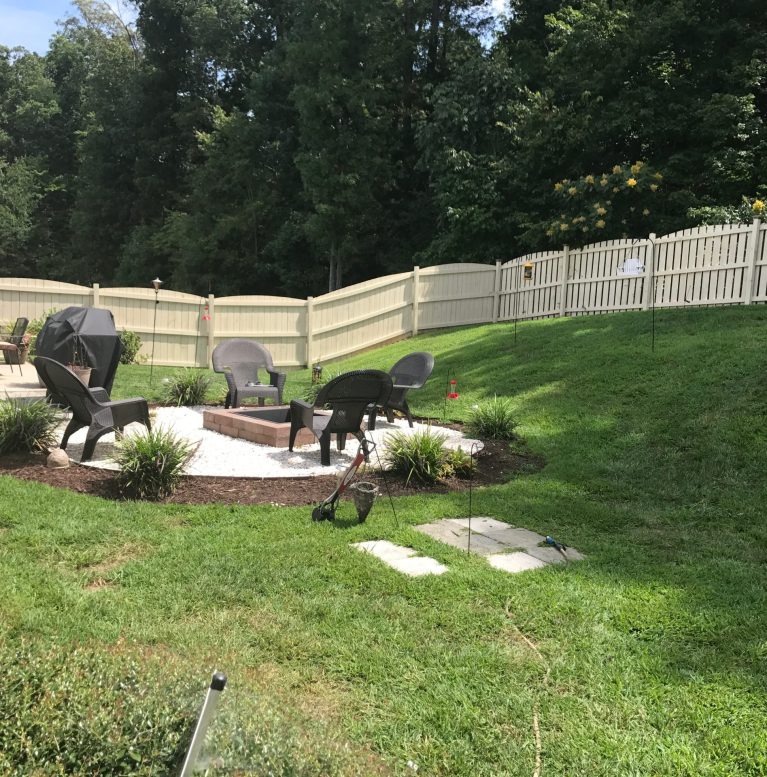
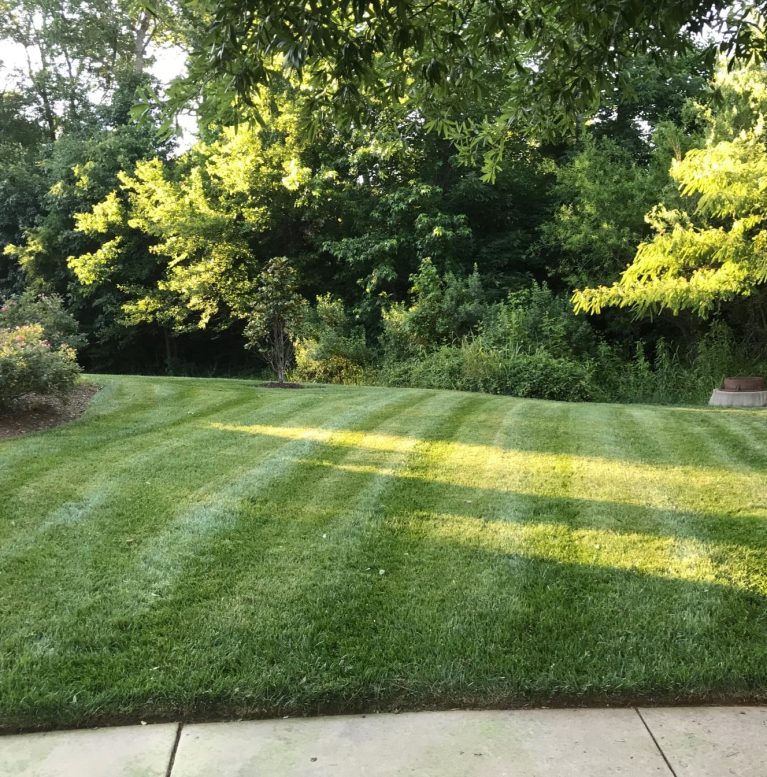
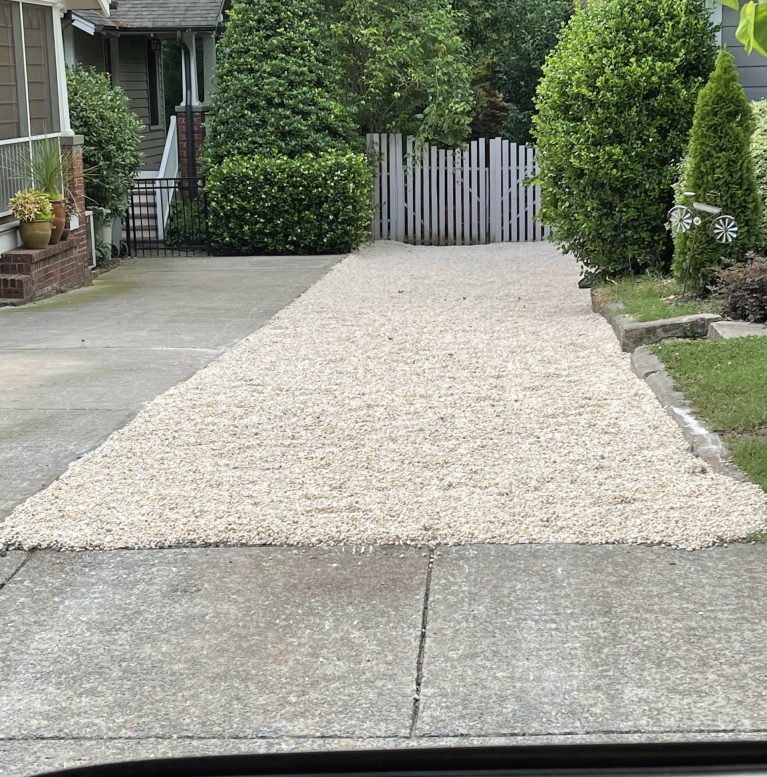
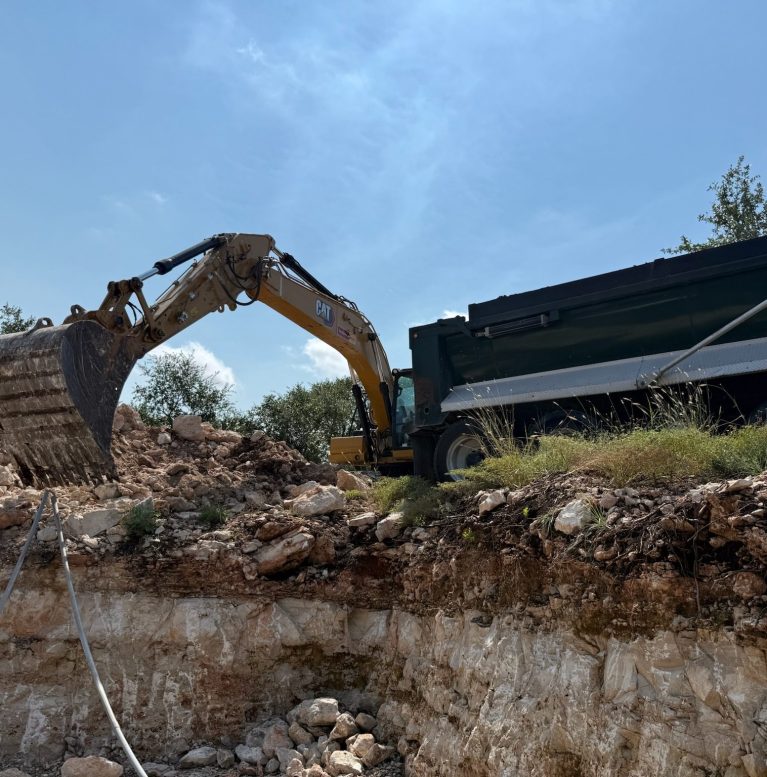
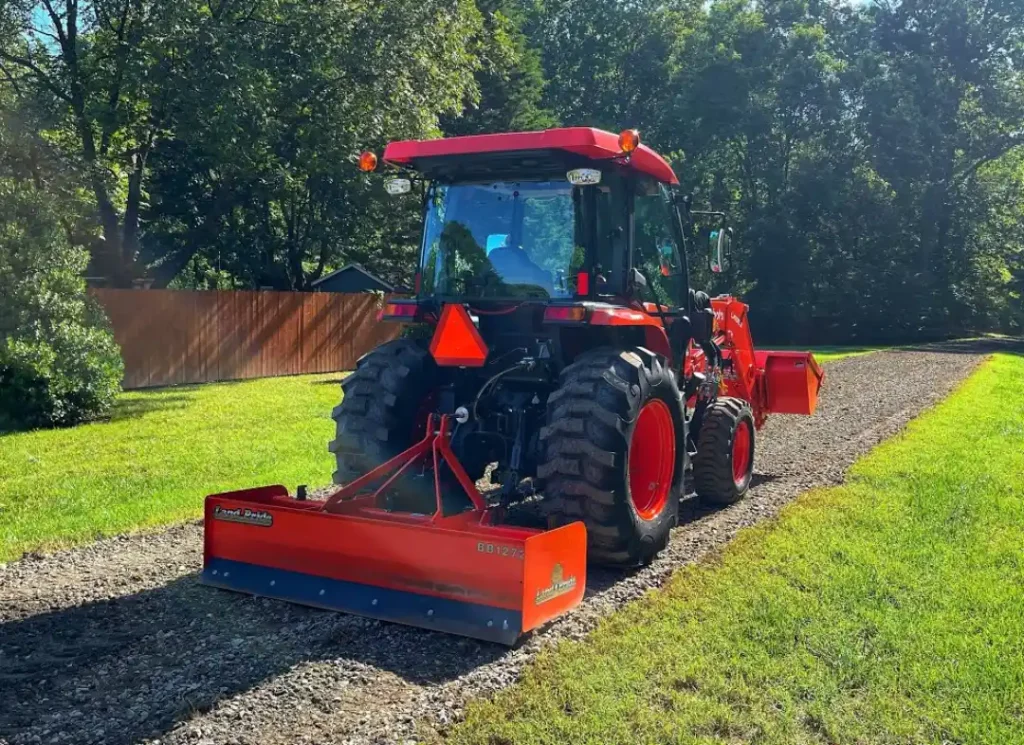
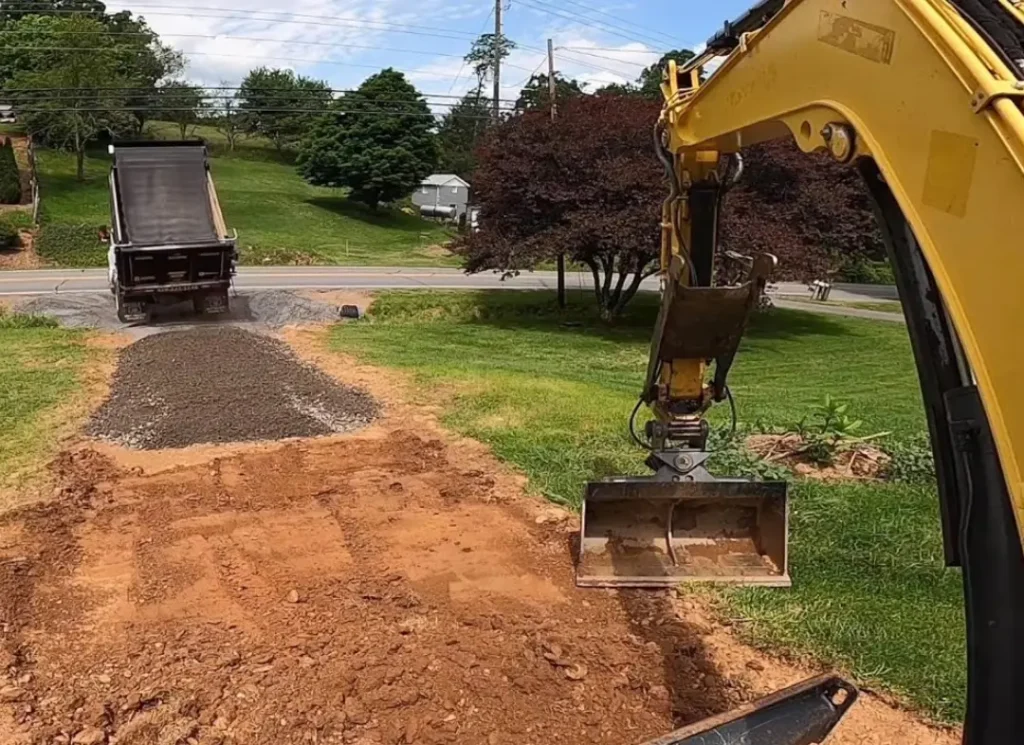
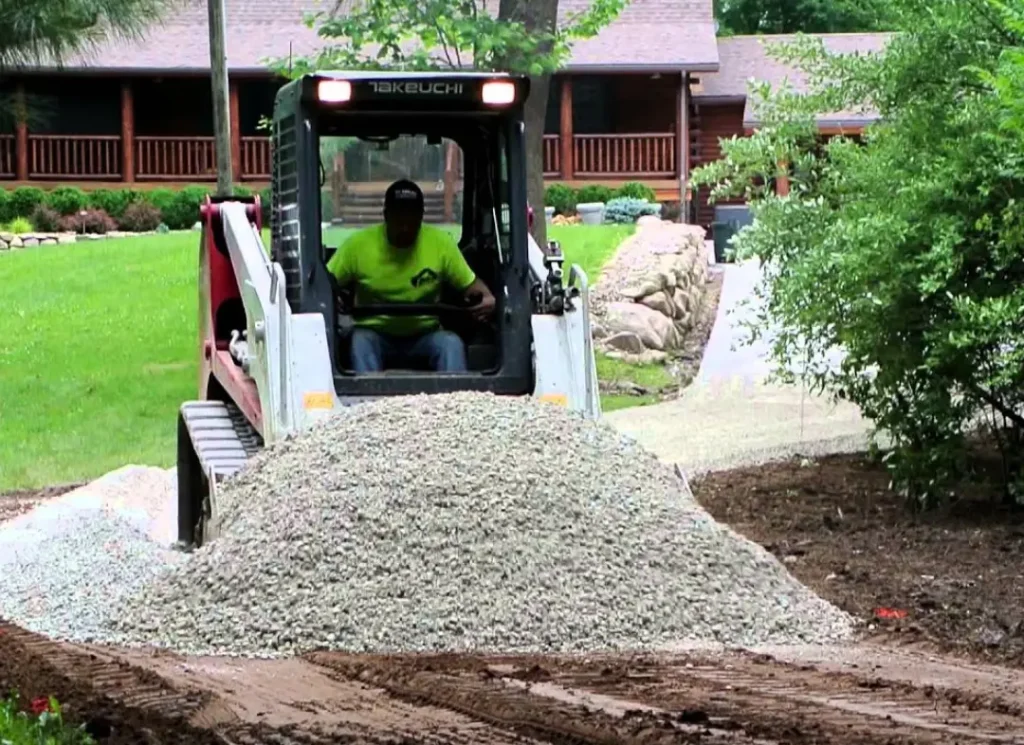
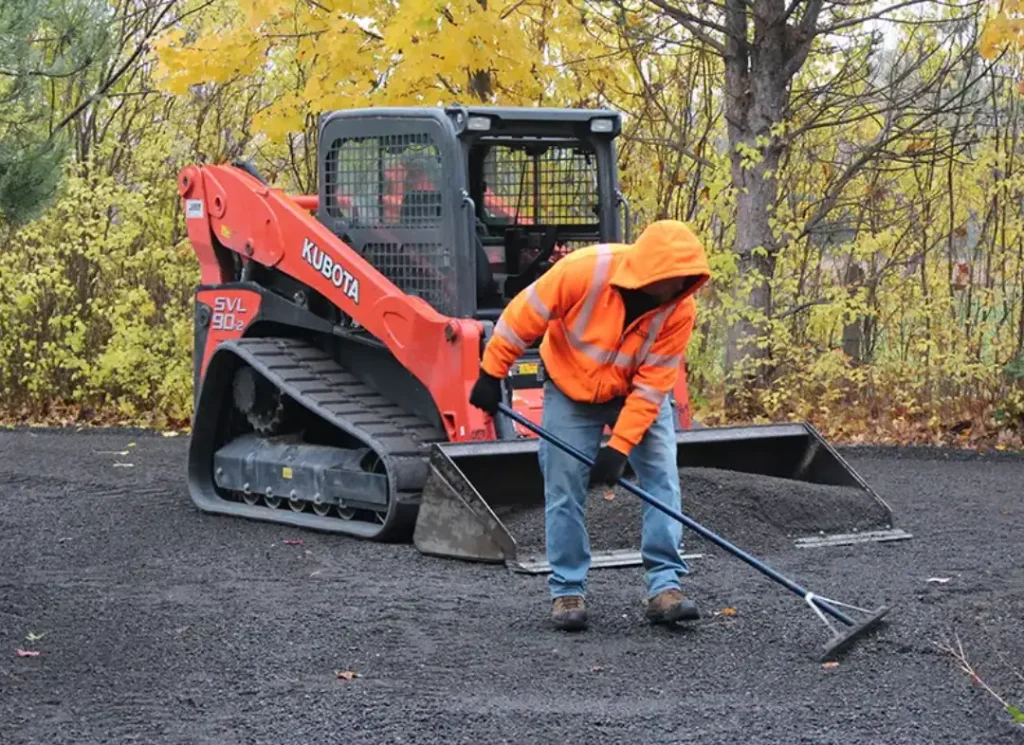
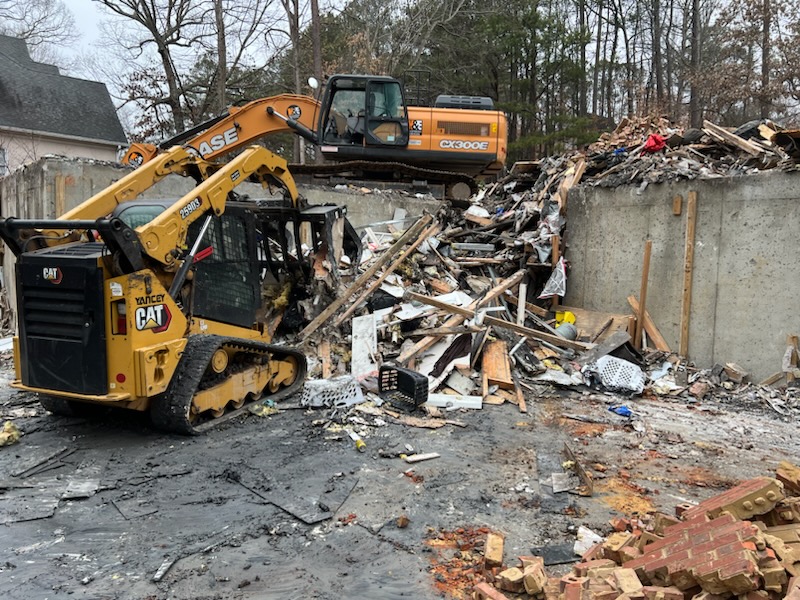
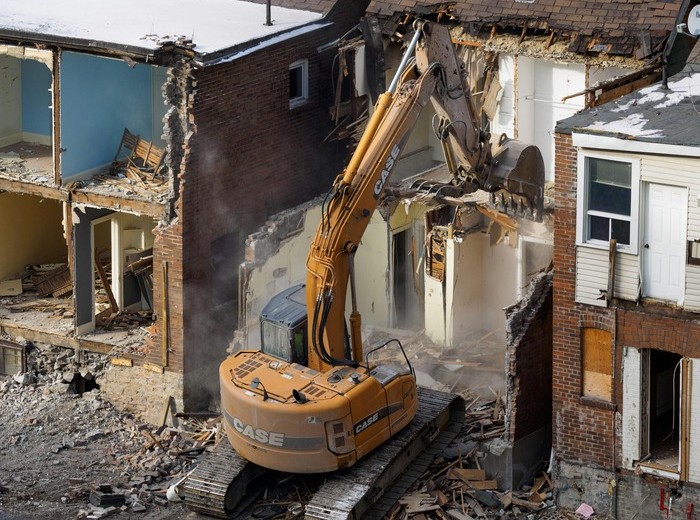
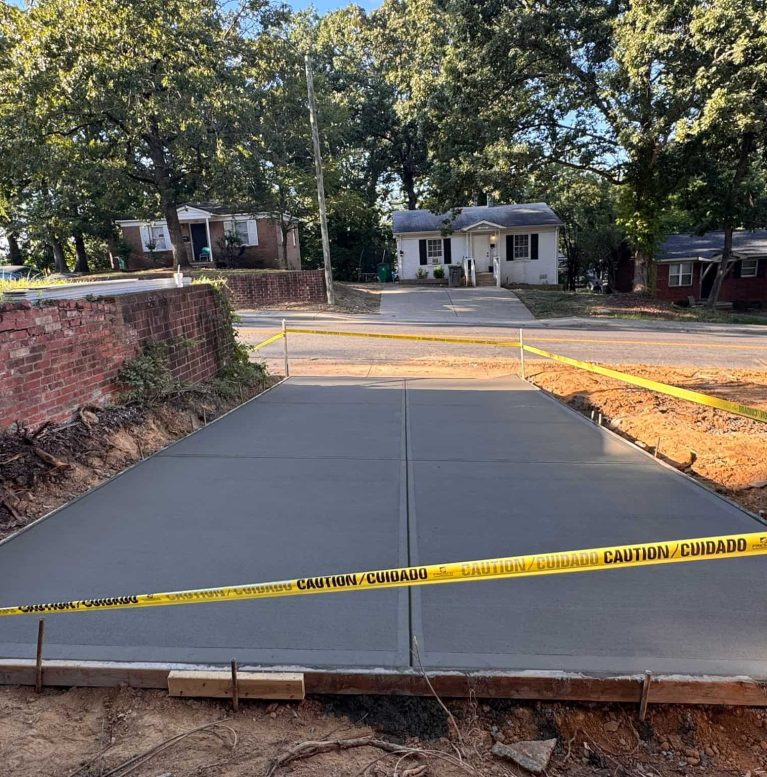
Take a look at some of our latest work. Scroll through the photos below to see our team in action and the results we deliver.
Install geotextile fabric to separate stone from clay, then build a crowned crusher-run base. Without that fabric, mud will always migrate upward.
Crusher run is better for the base and daily traffic. #57 washed stone works best as a top-dress or for French drain integration on steep grades.
A properly built driveway with crusher-run compaction can go years without regrading. Poorly built ones on bare clay often need it annually.
Yes. Constant moisture speeds up clay swelling and stone migration. Proper crowning and fabric separation are essential near the lake.
Waterfront lots near Jetton Road often have flatter grades and heavier storm runoff. Without crowning, water sits and softens the clay base fast.