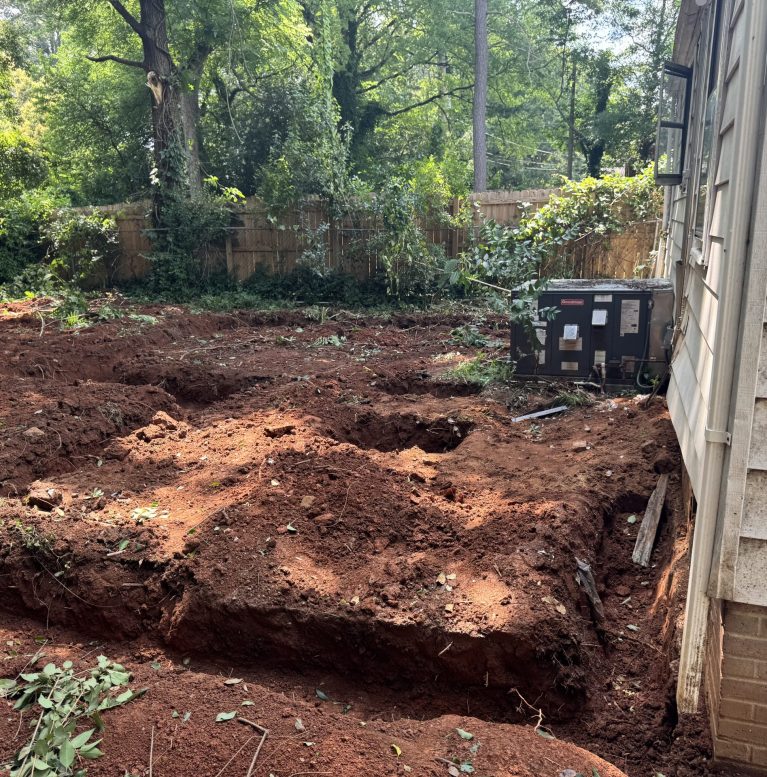
If you’ve ever watched water pool in your yard for three days after a storm, you’ve met Charlotte’s Piedmont red clay. This Cecil series soil is dense, heavy, and stubborn. It swells when wet, turning your yard into a slippery mess, then bakes rock-hard the moment the sun comes out. Standard grading methods built for sandy or loamy soil simply don’t work here.
That’s the problem with hiring a crew that hasn’t worked Mecklenburg or Cabarrus County dirt before. They compact the clay wrong, misjudge the slope, and six months later you’ve got water sitting against your foundation.
L & G Landscaping has spent years mastering Charlotte yard grading and drainage on this exact soil type. We know how red clay moves, how it holds water, and how to cut a slope that sheds runoff instead of trapping it. Whether you’re in a new Ballantyne build or an established Myers Park lot, we design every grade around what this soil actually does, not what a textbook says it should do.
From residential projects to commercial developments, we provide end-to-end solutions for every stage of construction.
Good grading isn’t guesswork. It’s a sequence, and skipping steps is how homeowners end up with drainage problems a year later.
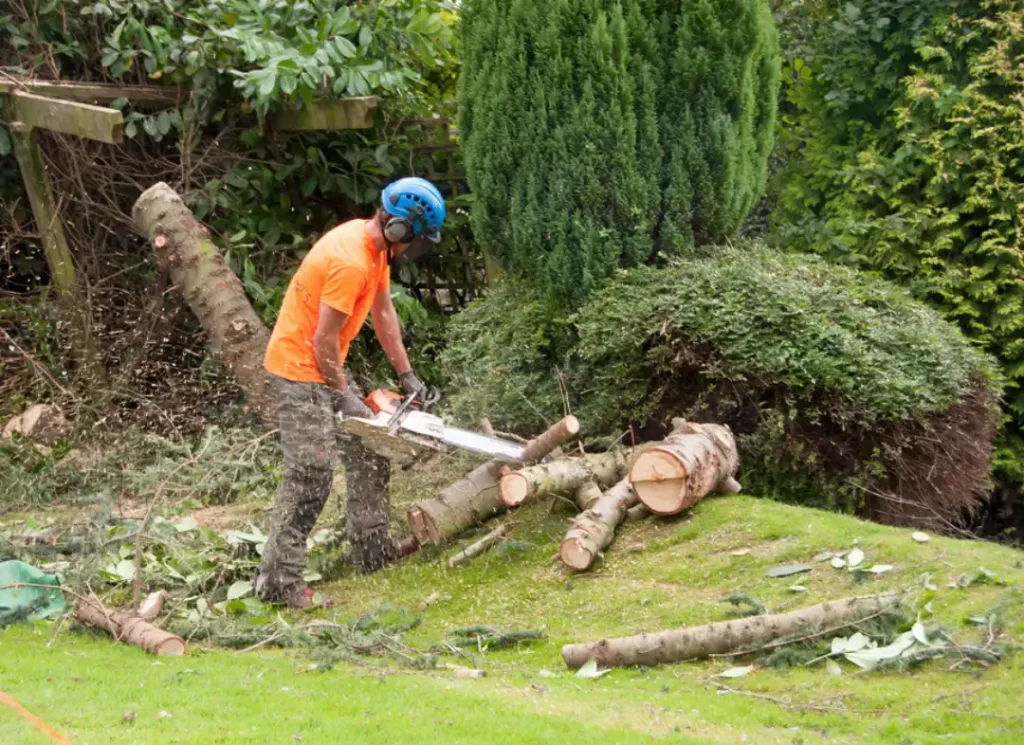
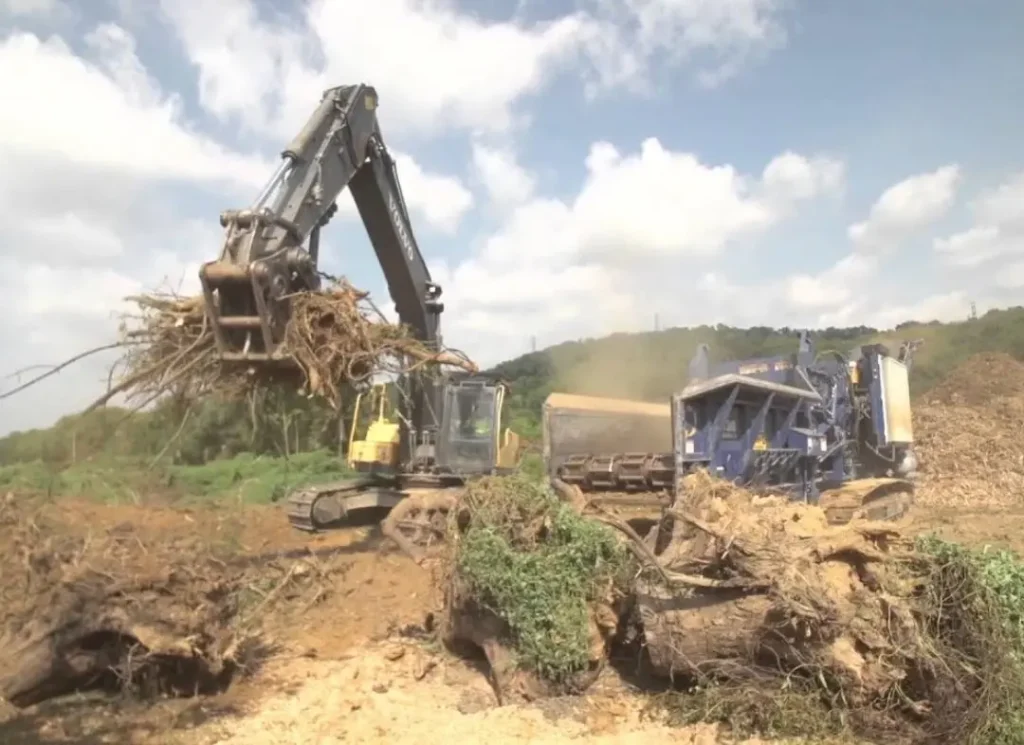
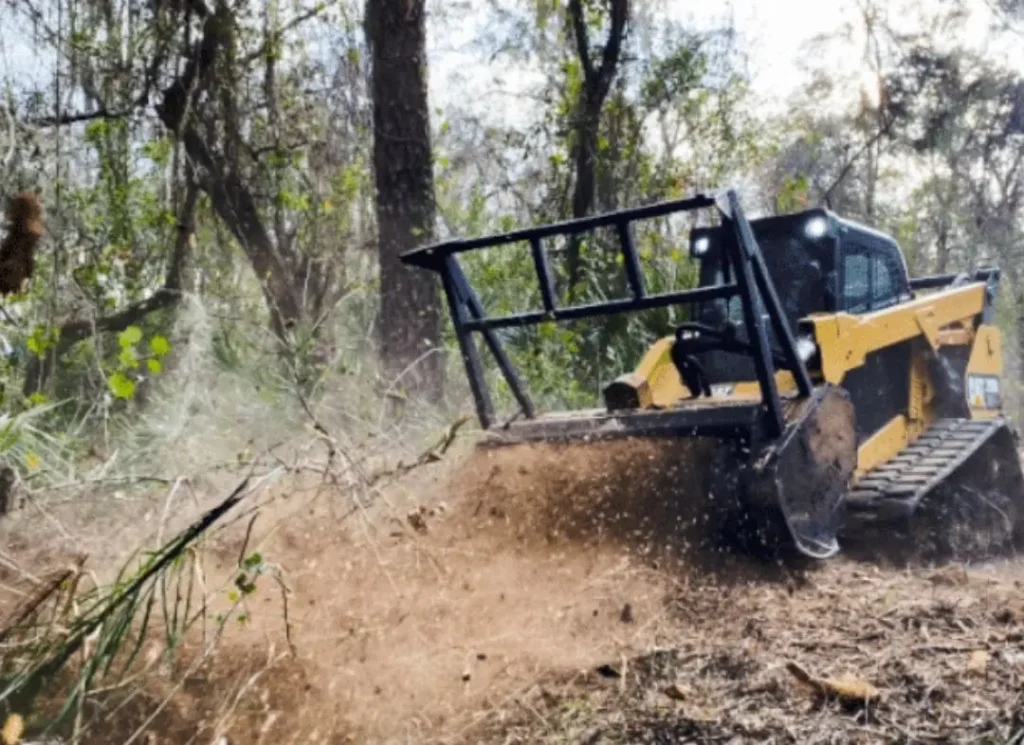
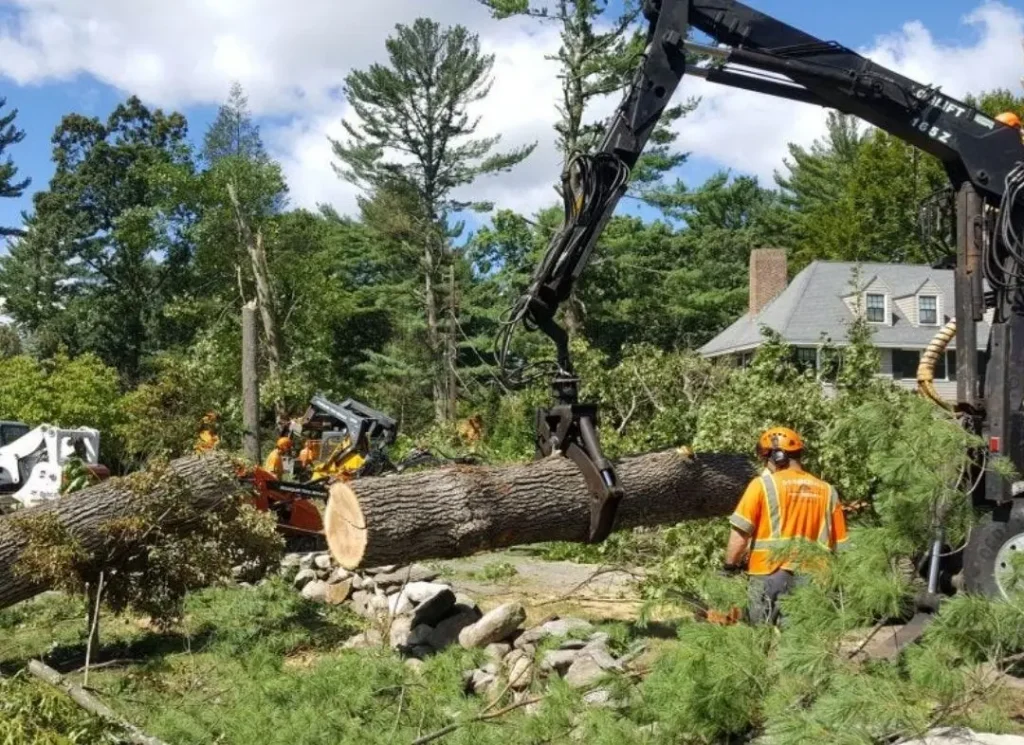
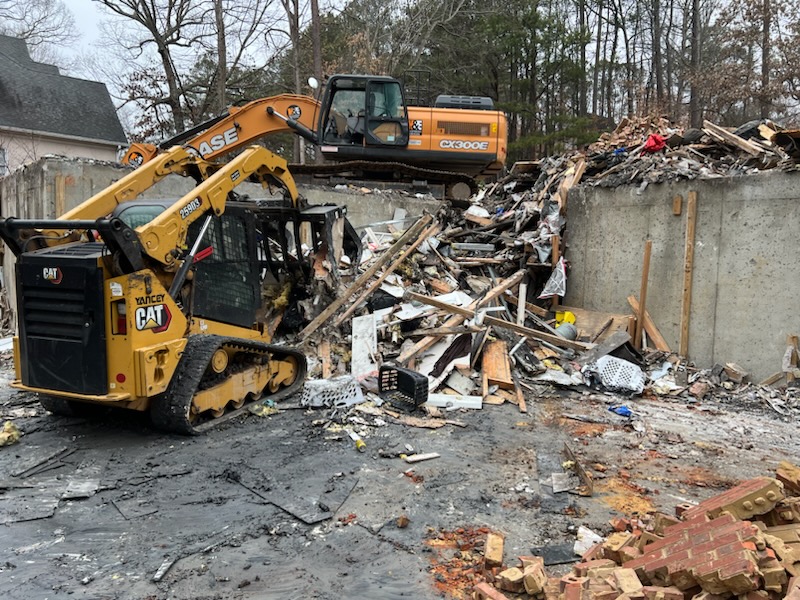
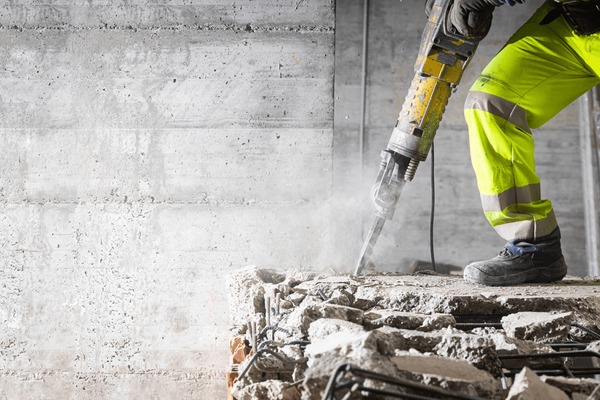
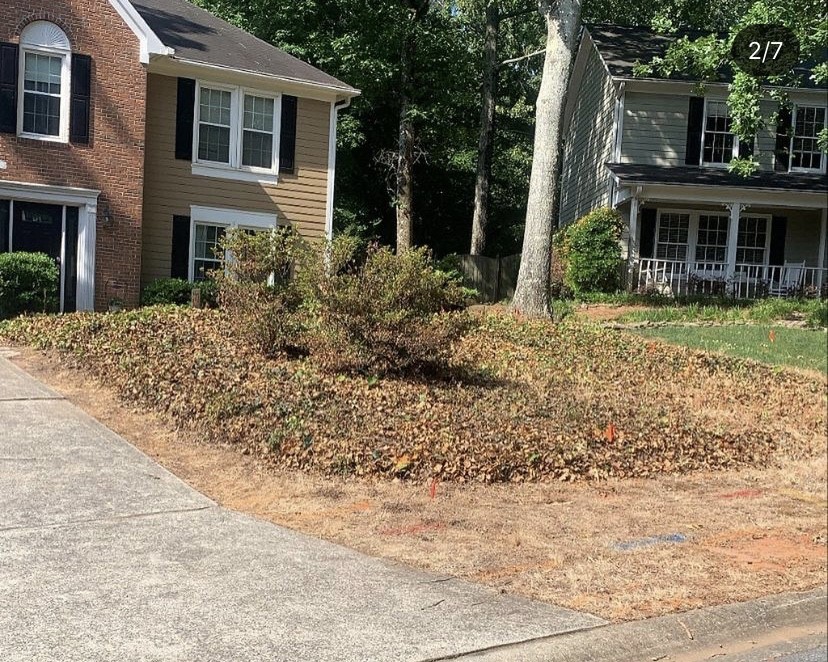
We start with land clearing, removing brush, roots, and debris so we have a clean base to work from. Next comes rough grading, where we cut and fill to establish the property’s basic shape and correct any low spots that could collect water.
From there, we move into precision slope correction. This is where Piedmont red clay excavation gets technical. We laser-level the site to make sure water moves away from structures at the right pitch, not too steep to erode, not too flat to pool. Because clay compacts unevenly if it’s rushed, we manage compaction in stages, running heavy equipment carefully to avoid track slippage, especially during Charlotte’s wetter months.
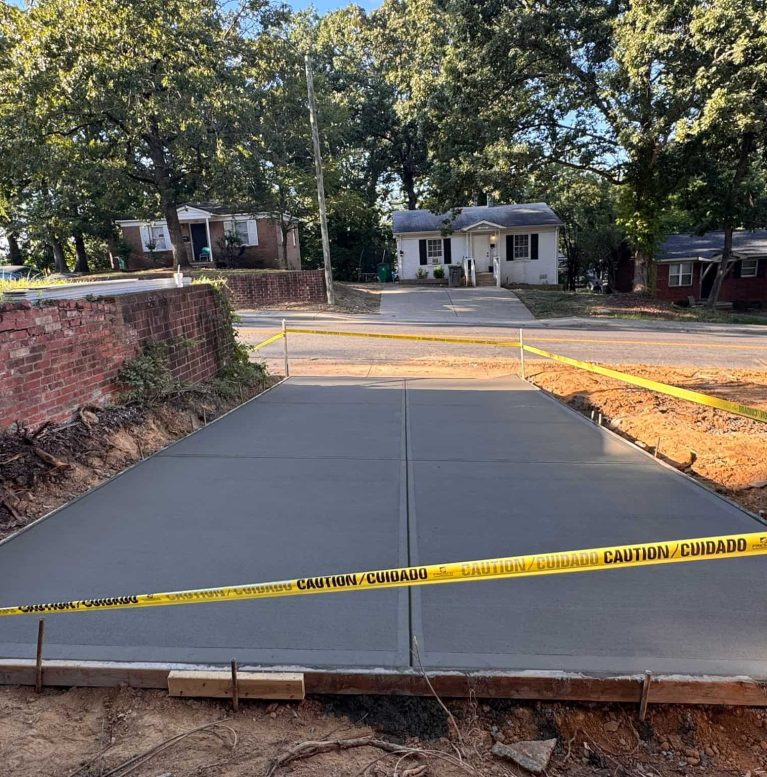
The final step is compaction and site preparation, locking the soil in place so it won’t settle, shift, or crack pavement and foundations down the road. Every phase is built around one goal: a stable site that handles Charlotte weather for decades.
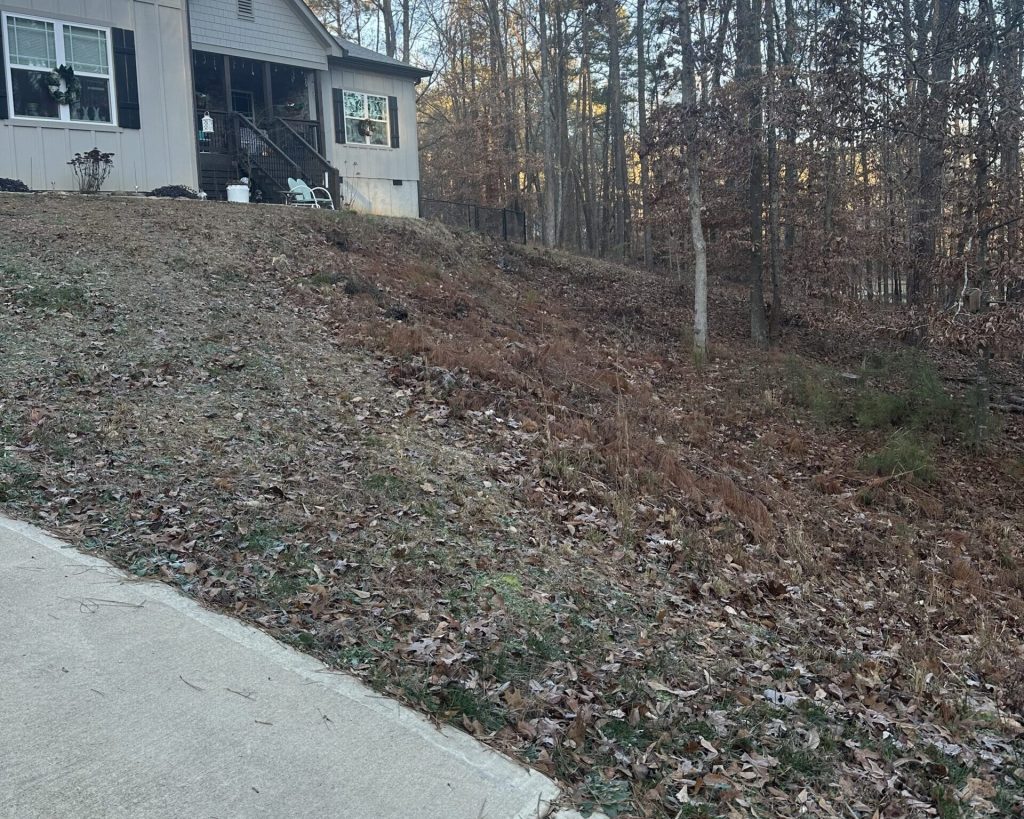
A homeowner near Myers Park was dealing with chronic runoff pooling against the foundation after every significant rain. We assessed the lot’s existing slope, excavated and re-graded the rear yard, installed a French drain system tied to a proper outlet, and restored final grade. Standing water hasn’t returned. The project was completed without disturbing two mature hardwoods on the property line.
A builder breaking ground on a new residential build inside the I-485 loop needed a certified building pad on a lot with heavy clay subsoil and an uneven natural grade. We completed full lot clearing and grubbing, brought in a compaction testing crew, and delivered a finished pad that passed the structural inspection on the first visit. Silt fencing and erosion controls were maintained throughout to satisfy Mecklenburg County requirements.
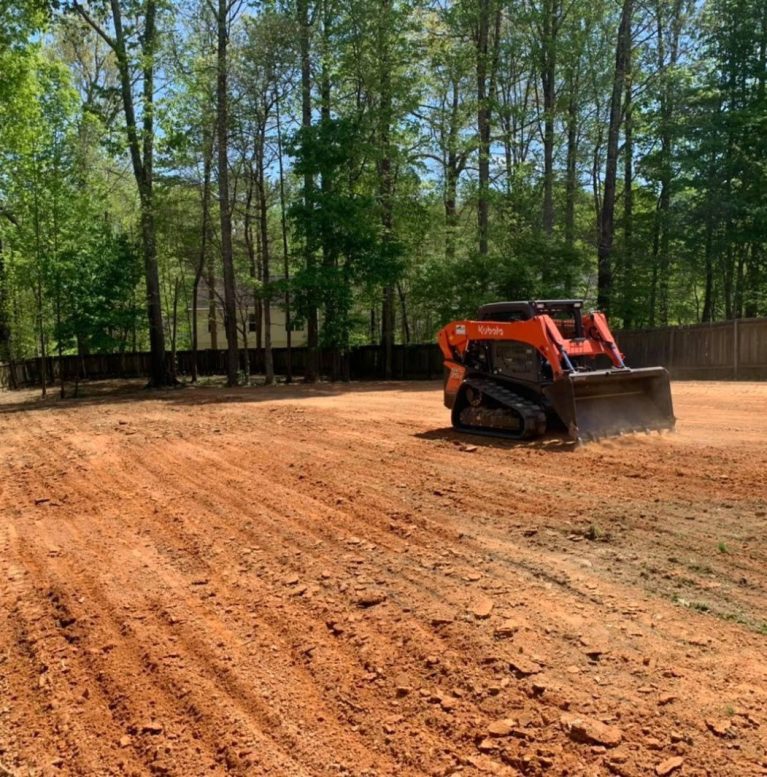
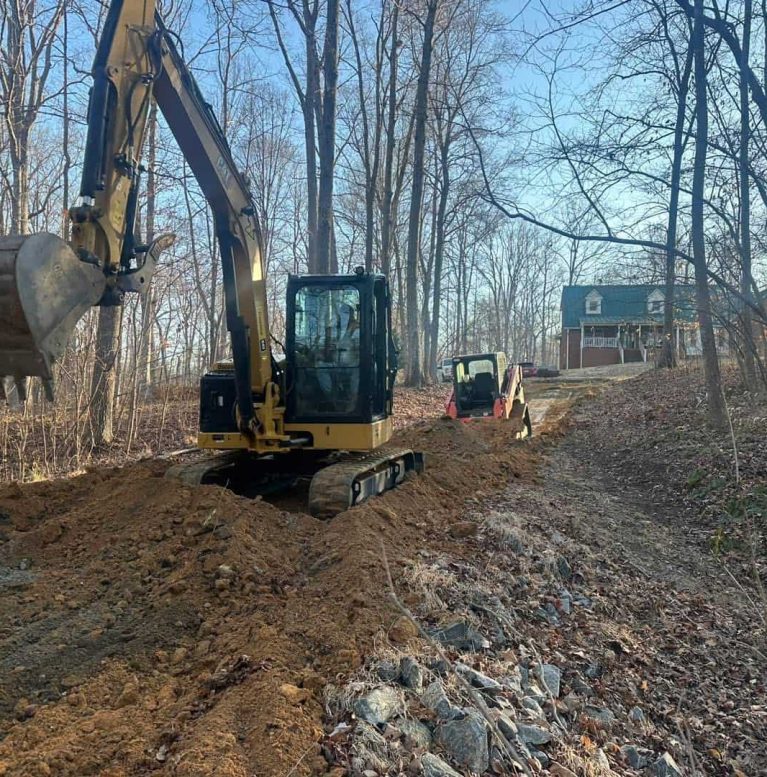
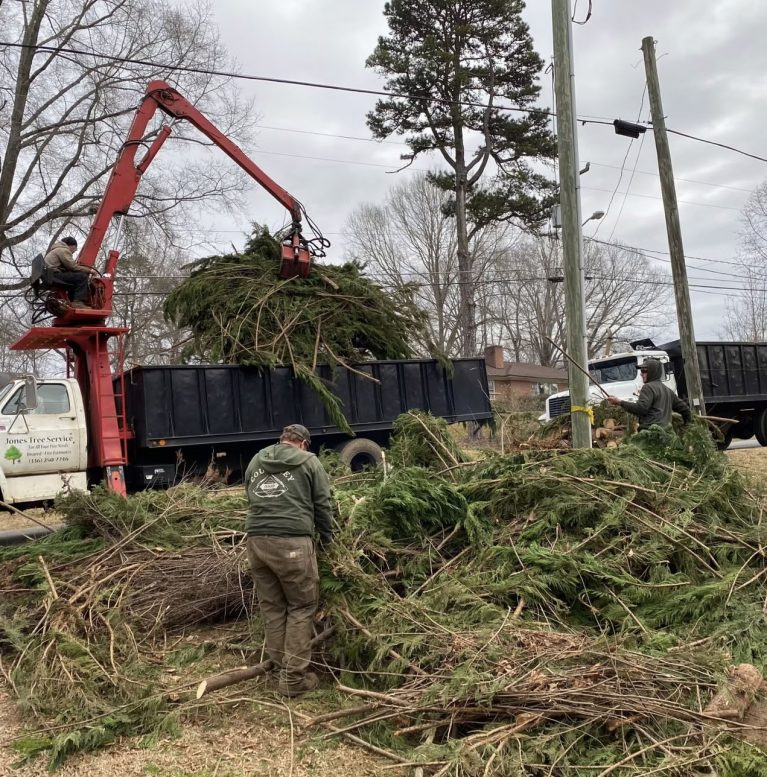
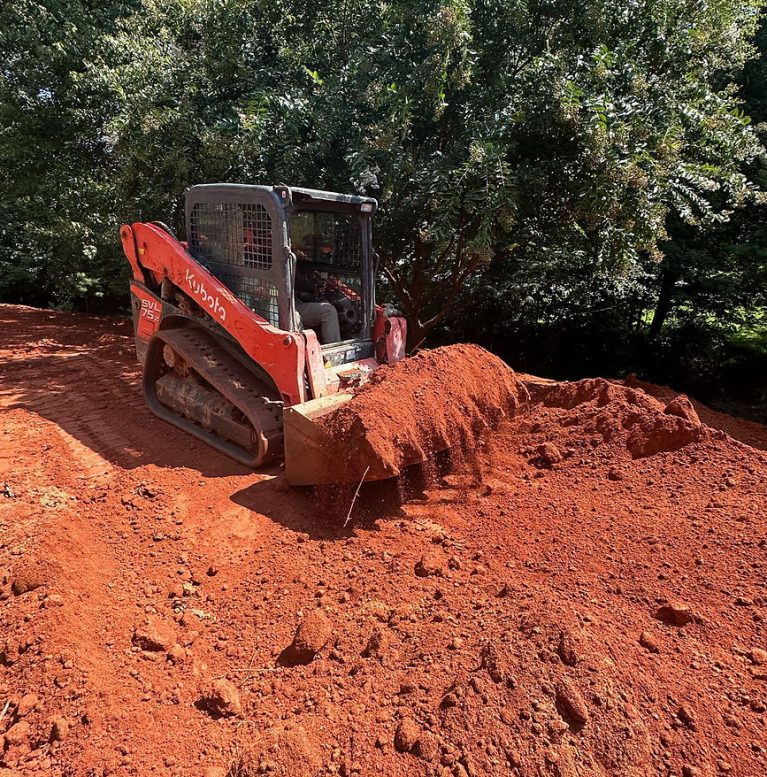
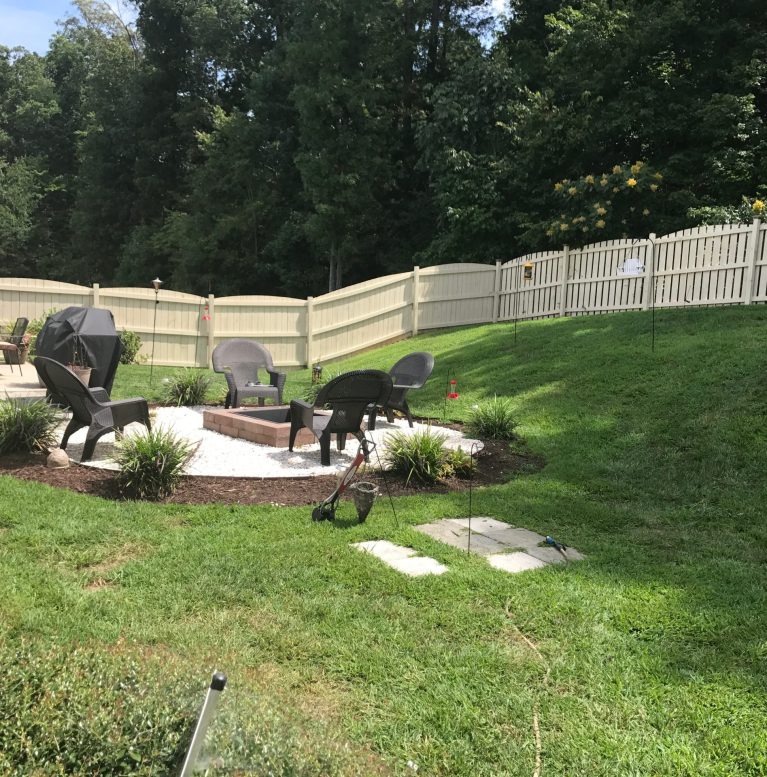
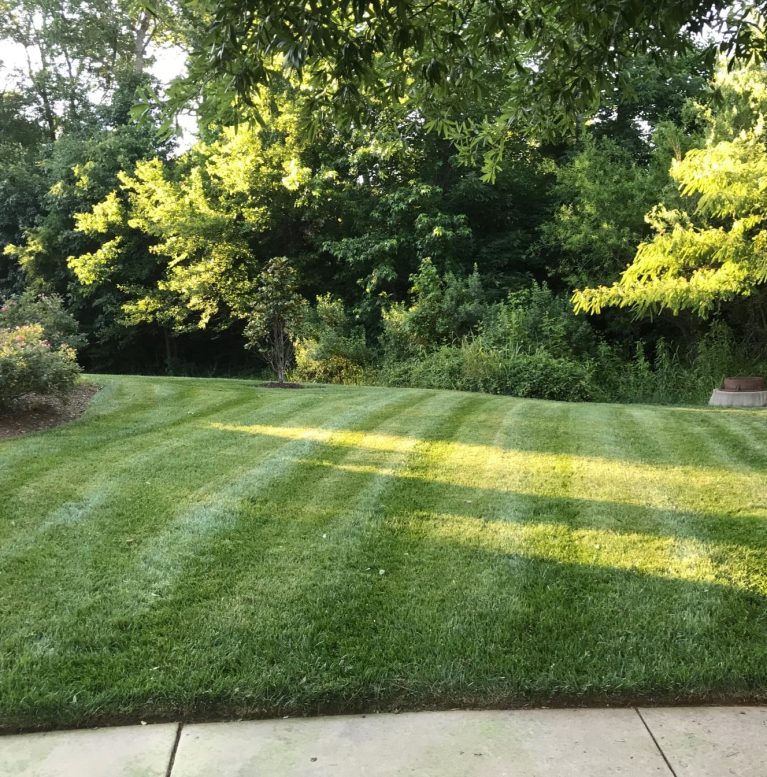
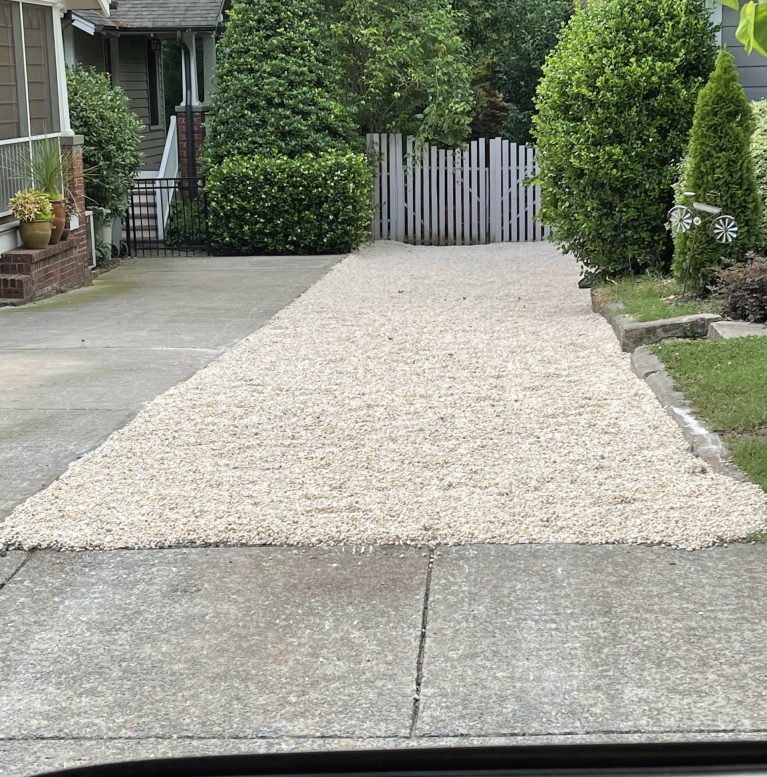
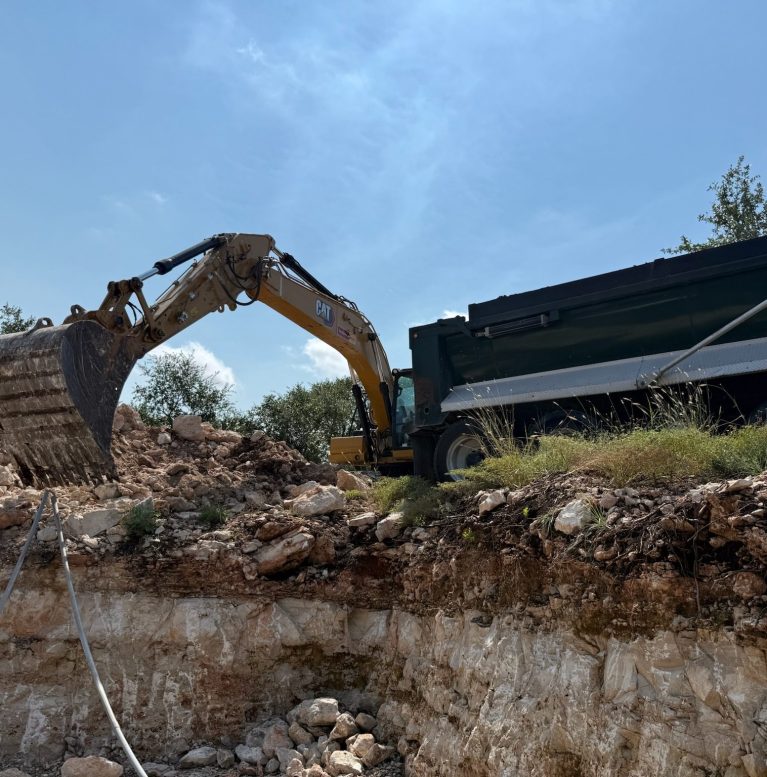
Take a look at some of our latest work. Scroll through the photos below to see our team in action and the results we deliver.
We use heavy equipment suited for dense clay, manage compaction in stages, and cut slopes that shed water instead of letting it pool. Standard topsoil techniques don’t hold up here, so we adjust for clay’s unique behavior.
It depends on the size of the disturbed area and your county’s land disturbance threshold. Mecklenburg County erosion control rules differ from Cabarrus County’s, so we check local requirements before work begins.
We correct the slope so water flows away from the structure, then add French drains or swales where needed. This combination handles both surface grading and underground drainage.
Yes. Clay drains slowly, so we often set French drains deeper and add gravel backfill to keep water moving instead of sitting against the pipe.
We work year-round, but wet season requires extra care. Saturated clay is prone to track slippage and rutting, so we adjust equipment and timing to protect the site.