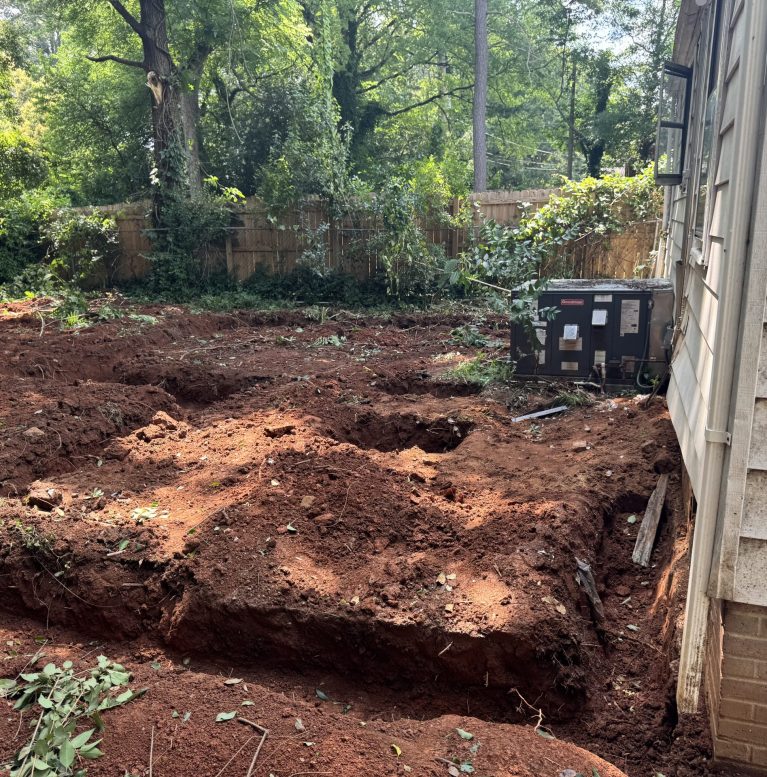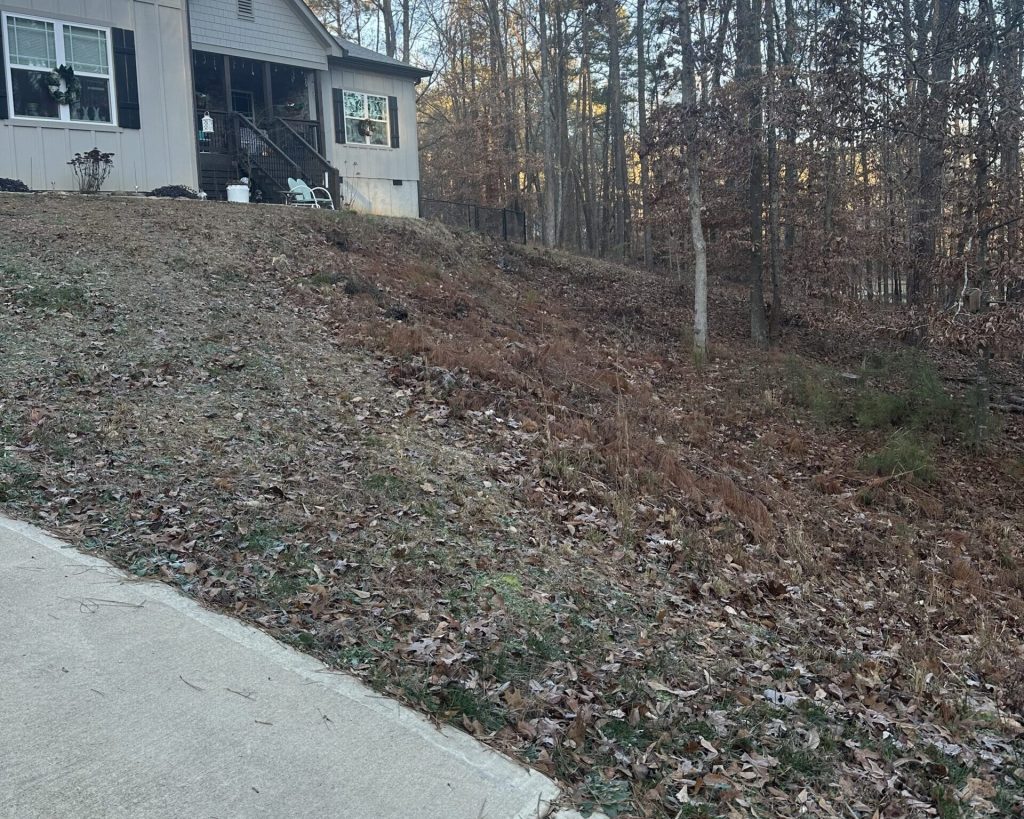
If you own a home in Charlotte, you already know the problem. Rain hits the ground and just sits there. That’s not bad luck — that’s Cecil red clay, known locally as “bull tallow,” doing exactly what it does. This soil is dense, sticky, and slow to absorb water. When Charlotte’s summer thunderstorms roll through, or a tropical storm remnant dumps inches of rain overnight, the ground can’t keep up. Water pools on your lawn, sheets across your driveway, and pushes hard against your foundation.
L & G Landscaping has seen this pattern across Charlotte, from the mature, tree-lined lots in Myers Park and Dilworth to the newer builds going up along the I-485 corridor in Huntersville, Matthews, and Mint Hill. Old clay-stressed drain lines cracked by tree roots. New developments with more pavement and less ground to absorb runoff. Different neighborhoods, same underlying issue: this clay doesn’t drain, it drowns.
We don’t guess. We diagnose the soil, the slope, and the water’s path — then fix it for good.
From residential projects to commercial developments, we provide end-to-end solutions for every stage of construction.
Fixing a Charlotte yard isn’t about digging a ditch and hoping for the best. It’s engineering.
We start with laser-guided site transit grading. This maps exactly how your property slopes, so we know where water is really going — not just where it looks like it’s going.
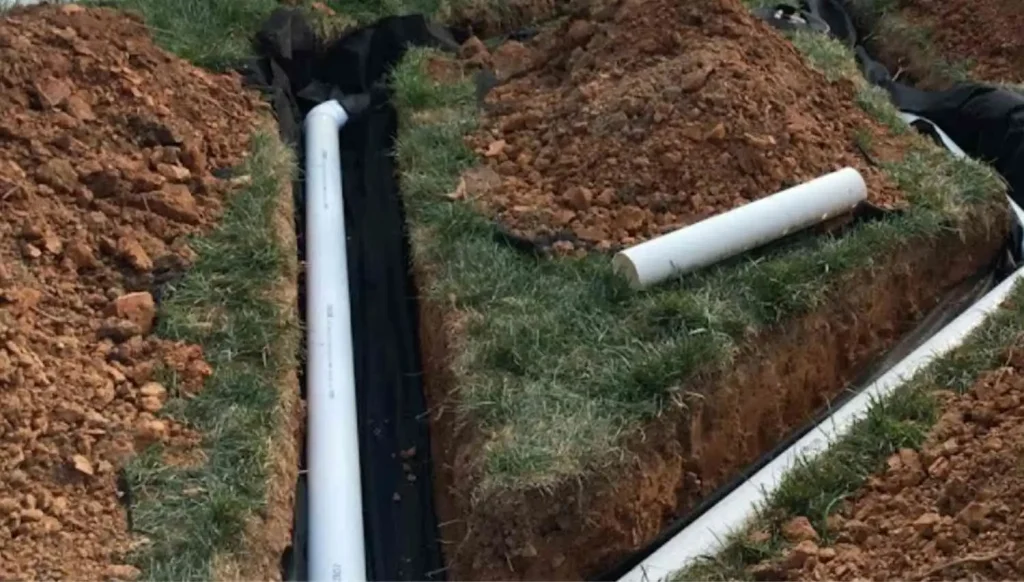
From there, we install heavy-duty French drains built for bull tallow clay: fabric-wrapped perforated pipe, backfilled with washed stone. This matters because Charlotte’s fine clay silt clogs cheap drains fast. Ours are built to keep moving water for years, not months.
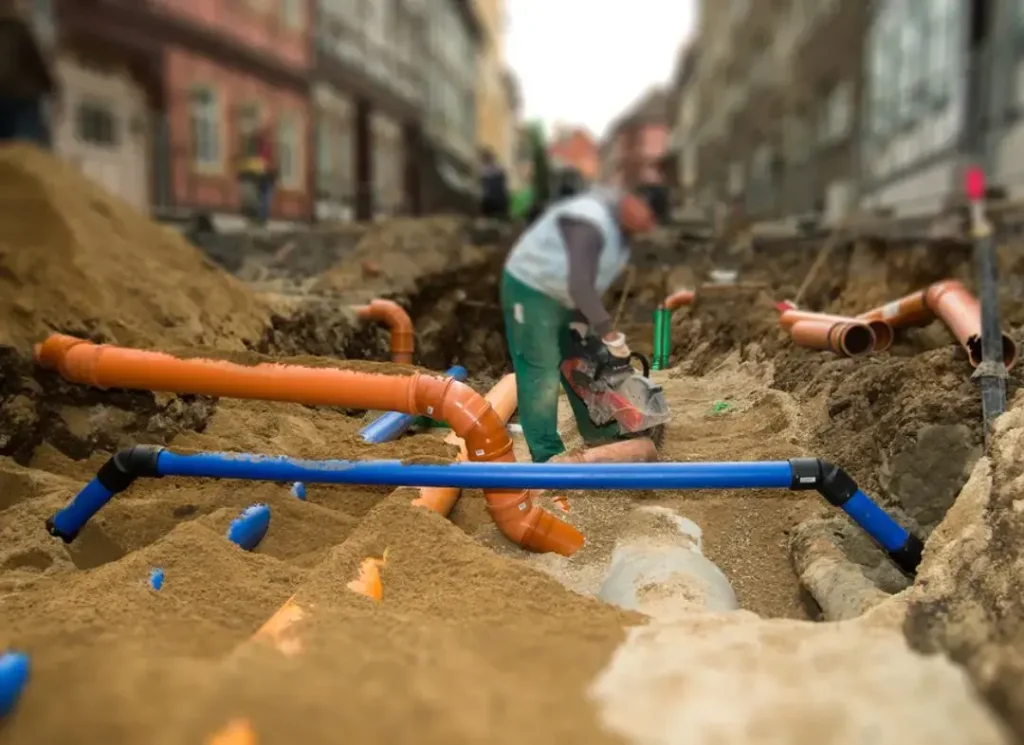
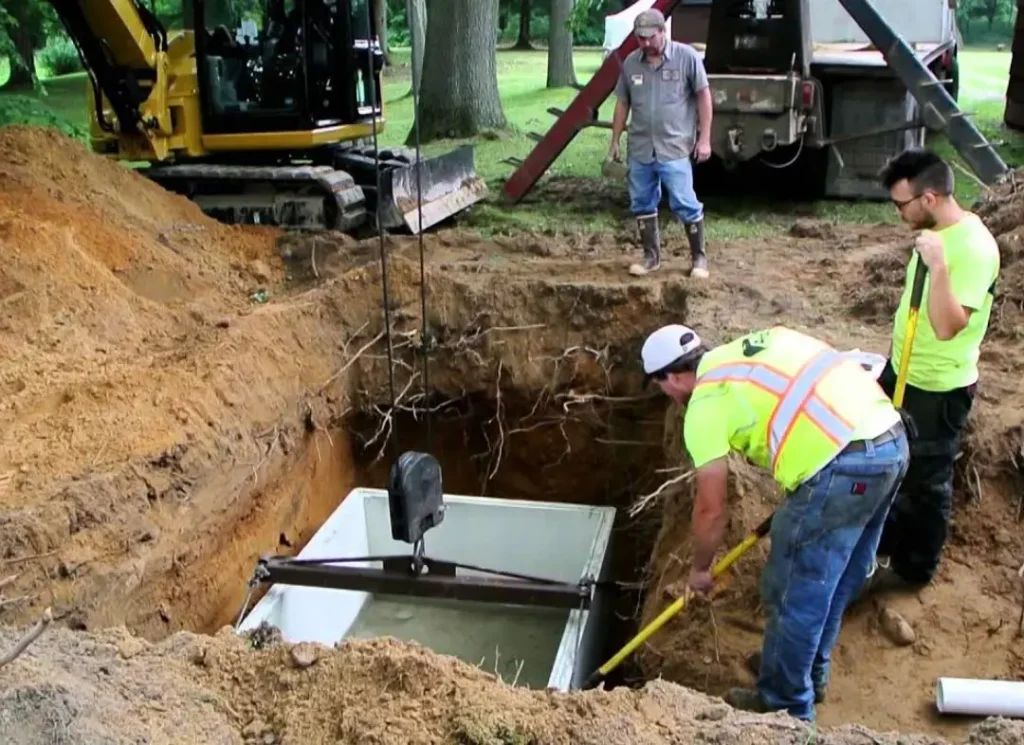
Finally, we integrate catch basins and route your downspouts directly into the system. Stormwater gets carried safely to municipal discharge points — not dumped onto your neighbor’s lot, and not left to erode your own.
Every step is built for this region’s soil, this region’s storms, and this region’s rules. That’s the difference between a quick fix and a real one.
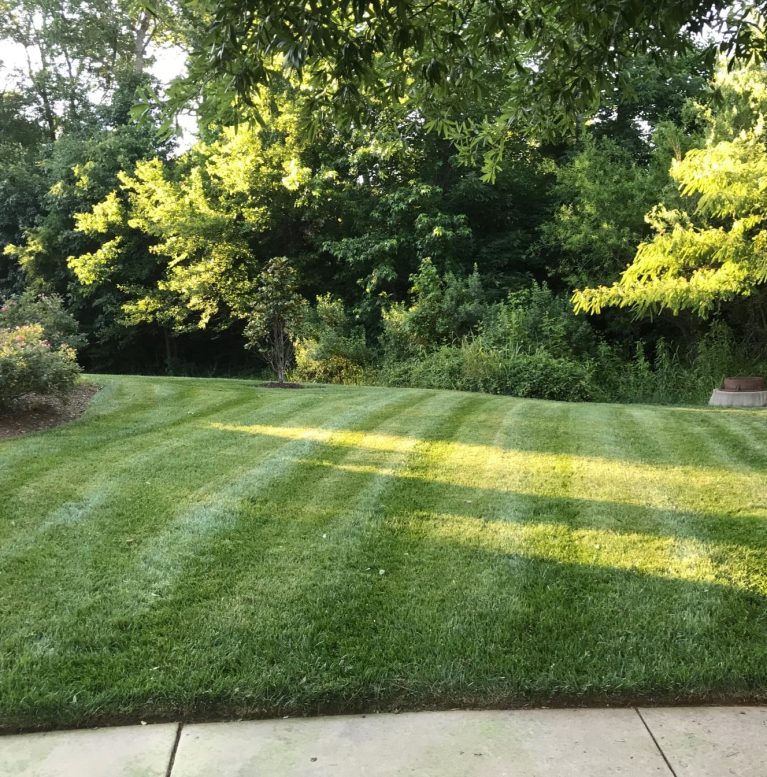
A homeowner on a tree-lined street in Myers Park had 40% bare coverage after two consecutive dry summers. We performed deep core aeration to break through compacted red clay, overseeded with drought-tolerant Turf Type Tall Fescue, and applied starter fertilizer. By November, the lawn had uniform germination across the full yard.
A Ballantyne homeowner was dealing with severely compacted subsoil left behind after new construction grading. Standard equipment was not cutting it. We brought in a commercial hydraulic aerator, pulled 3-inch plugs, amended the clay profile with starter fertilizer, and seeded with blue-tag Fescue. Full coverage was established before the first frost.
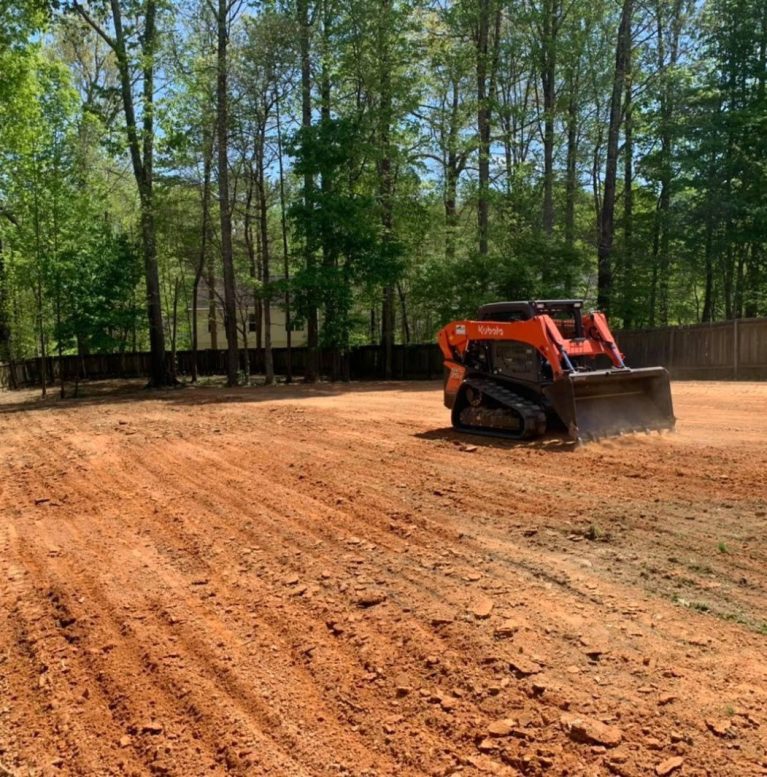
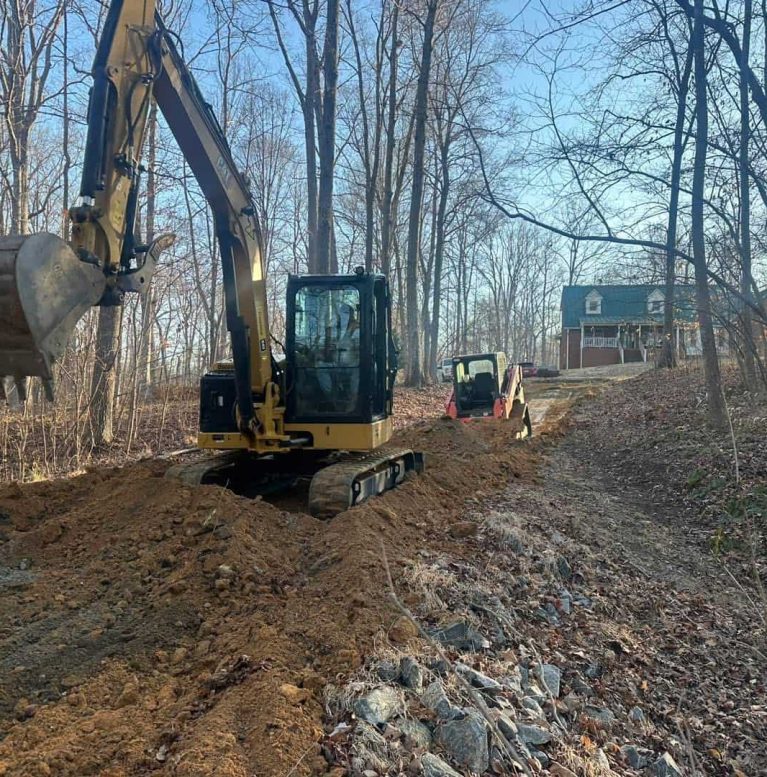
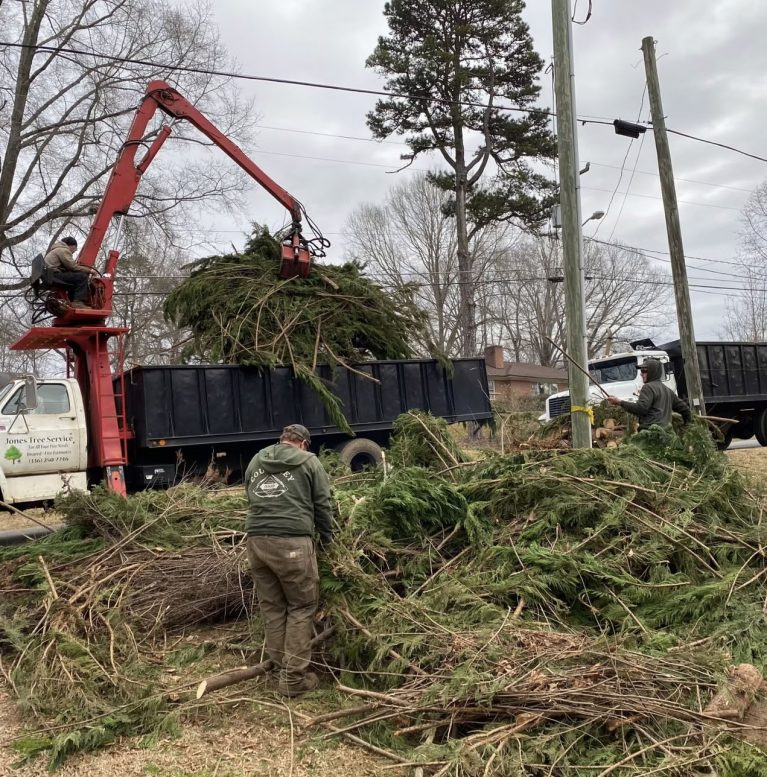
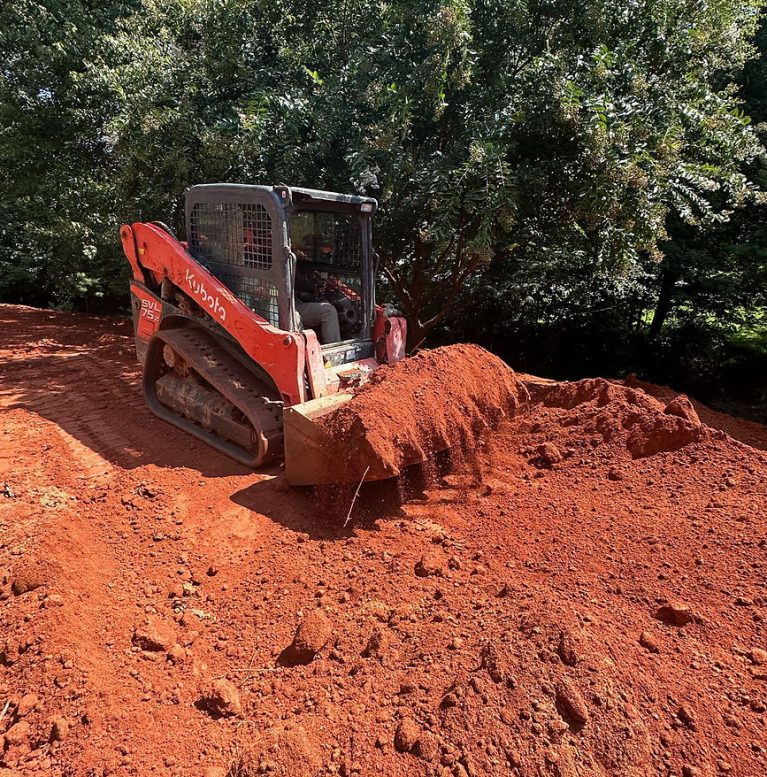
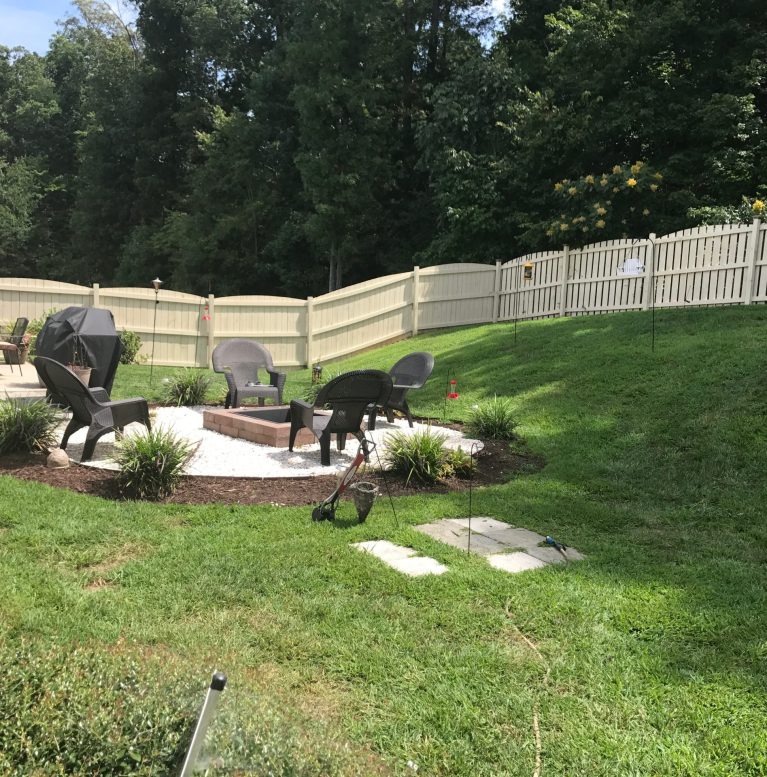
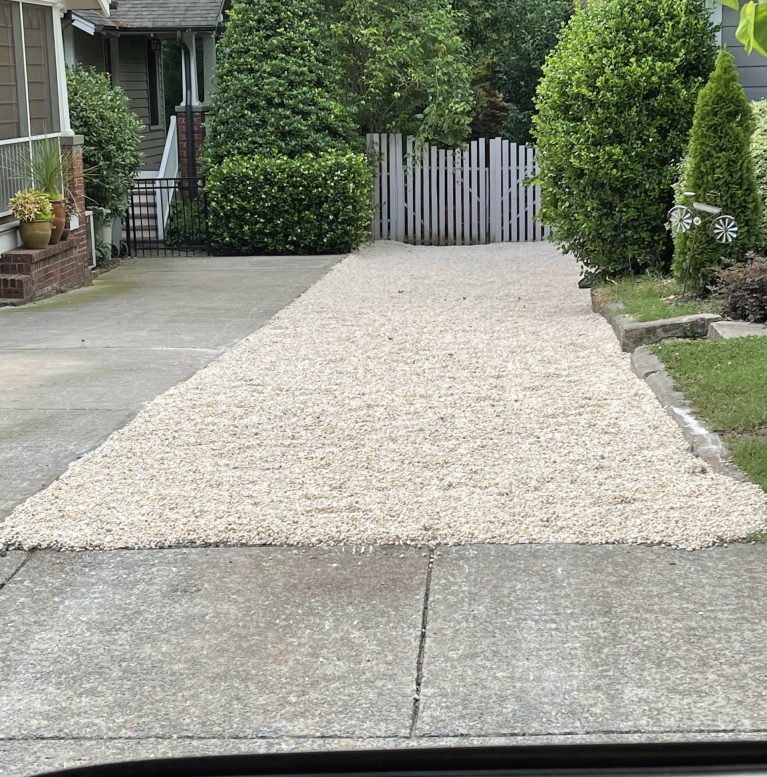
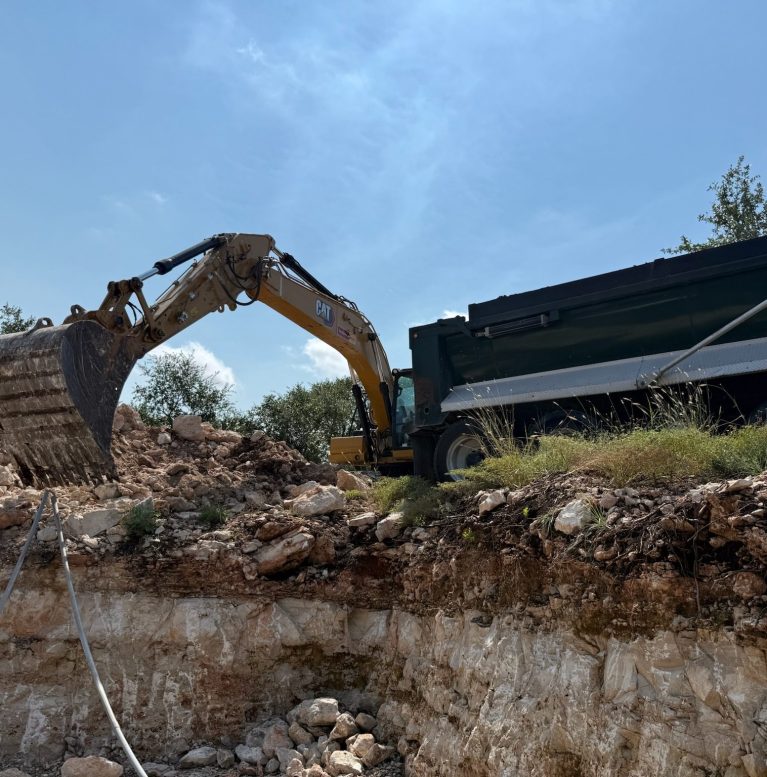
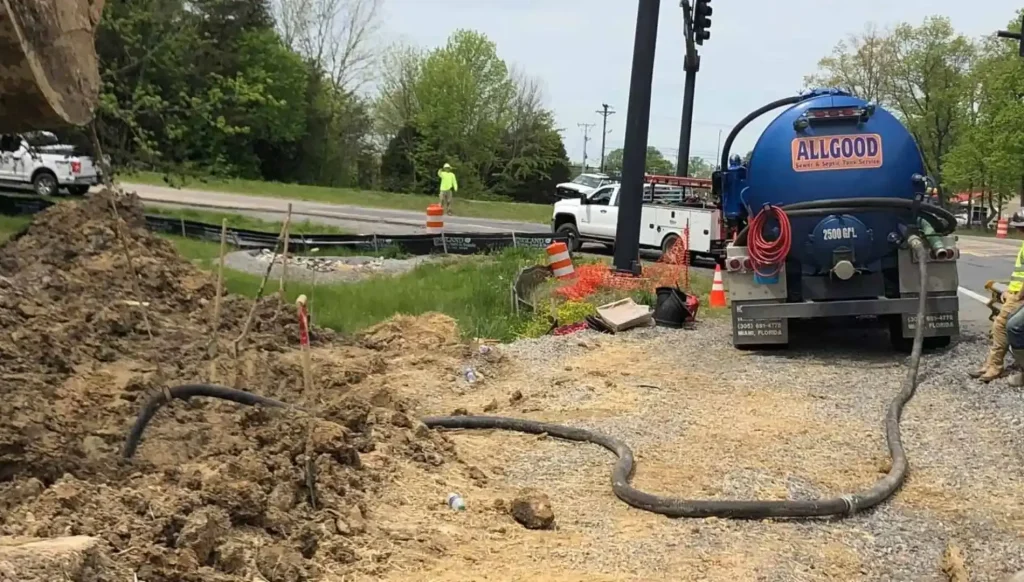
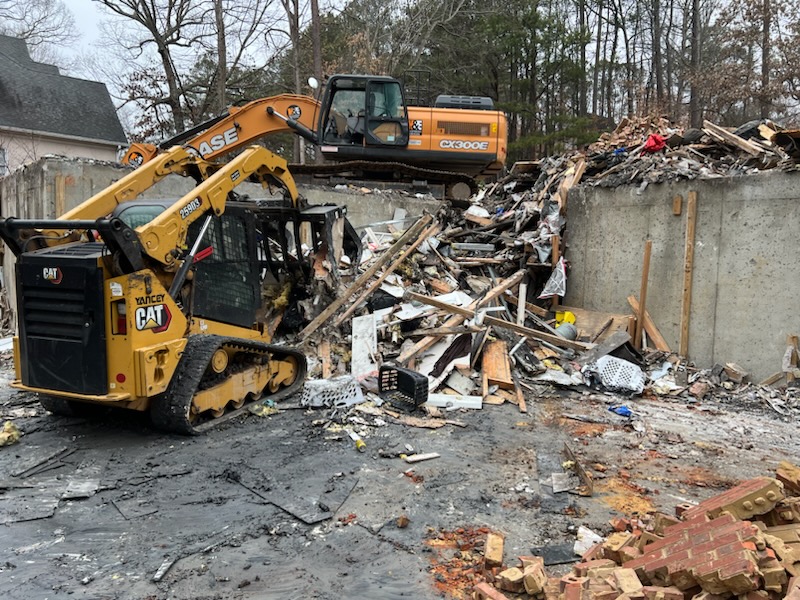
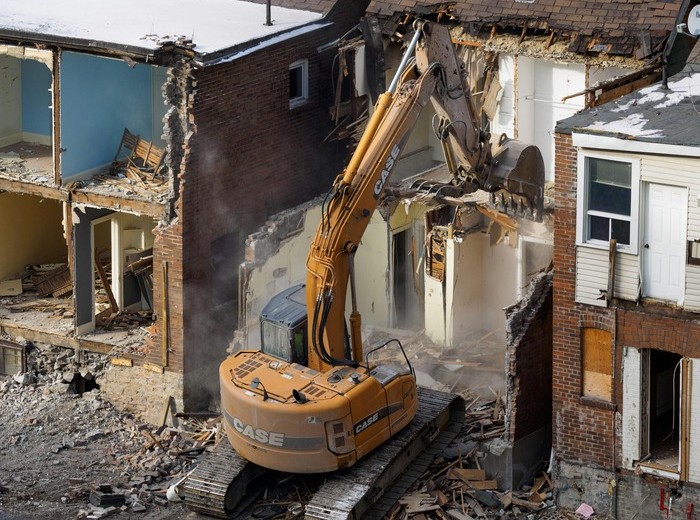
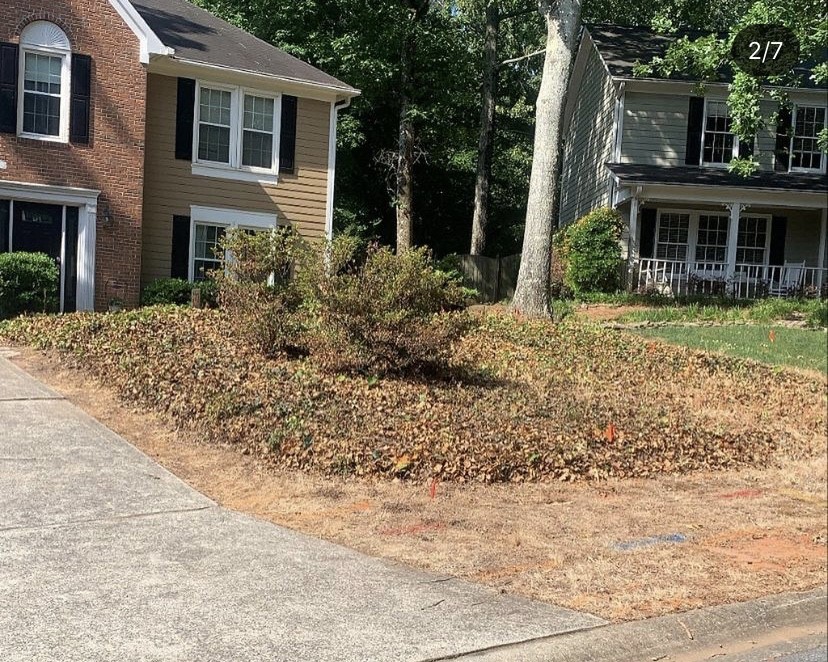
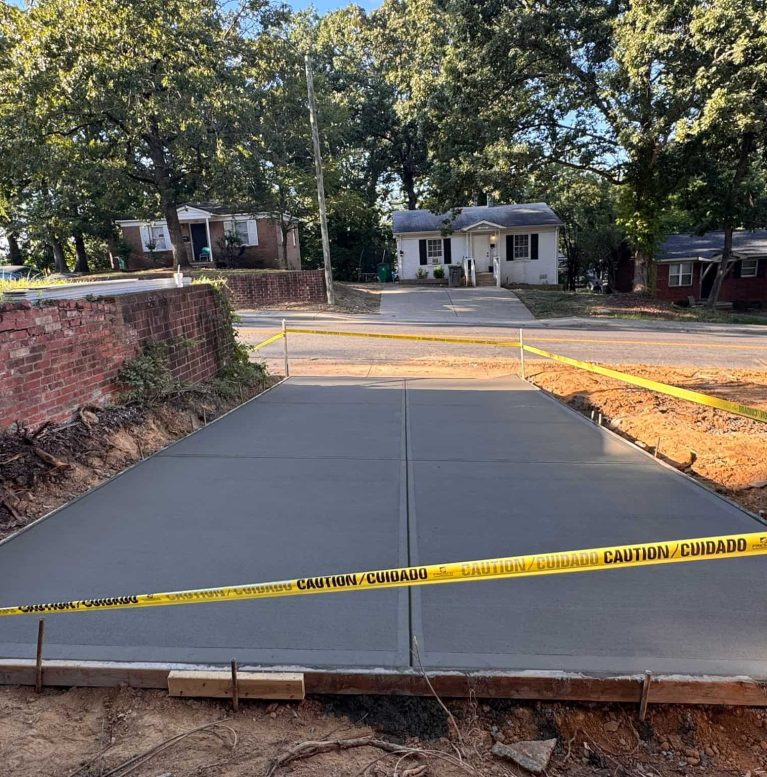
Take a look at some of our latest work. Scroll through the photos below to see our team in action and the results we deliver.
We use fabric-wrapped perforated pipe backfilled with washed stone, not thin filter socks. This keeps fine clay silt from choking the system, unlike DIY setups from big-box stores.
It depends on the scope of work and your property’s drainage impact on neighbors. We evaluate this during your site assessment and handle any required permitting for you.
Yes. Standing water creates hydrostatic pressure against foundation walls and can seep into crawl spaces, leading to cracking, settling, and mold over time.
Bull tallow clay expands and shrinks with moisture changes. Without proper drainage, this cycle shifts the ground under your driveway, cracking even well-poured concrete.
Yes. Our catch basin and downspout routing systems are engineered to direct water to municipal discharge points, not onto adjacent properties.