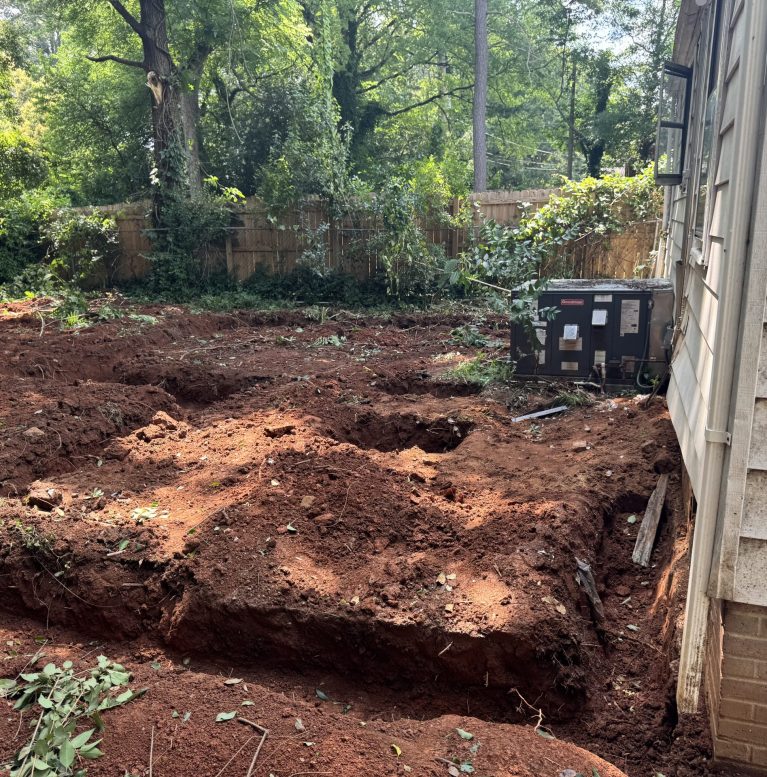
Building or clearing land in Huntersville means fighting the ground itself. Piedmont red clay is dense, sticky when wet, and hard as brick when dry. It shifts under foundations, pools water where it shouldn’t, and stops standard equipment cold.
Generic digging doesn’t work here. Without proper soil stabilization, grading, and water management, Cecil clay soils lead to sinkholes, erosion, and foundation delays that cost you time and money.
LG Landscaping LLC has spent years working this exact ground — from residential lots near Birkdale Village to commercial sites along the I-77 corridor. We know how Mecklenburg County’s Sedimentation and Erosion Control regulations apply to your property, and we plan every job around them from day one. Whether you’re clearing near Gilead Road, prepping a build site off Statesville Road, or managing stormwater runoff near Lake Norman, we bring the right equipment and the right permits to get it done right the first time.
Call us before you break ground. It’s cheaper than fixing it after.
From residential projects to commercial developments, we provide end-to-end solutions for every stage of construction.
We don’t guess with red clay. Every site follows the same engineered process, built specifically for Piedmont conditions.
Site Assessment & Utility Mapping:
We locate underground lines first and run a soil density and clay profile check before any equipment moves.
Erosion Control Setup:
Silt fences, sediment basins, and construction entrances go in to meet Huntersville municipal standards — before clearing starts, not after.
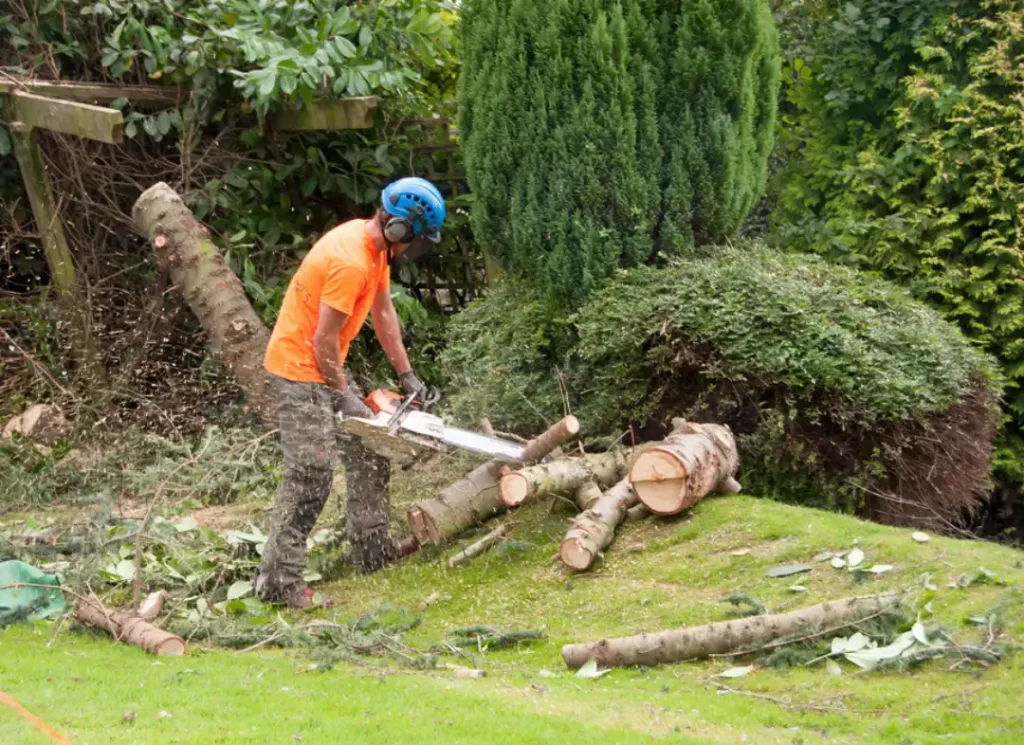
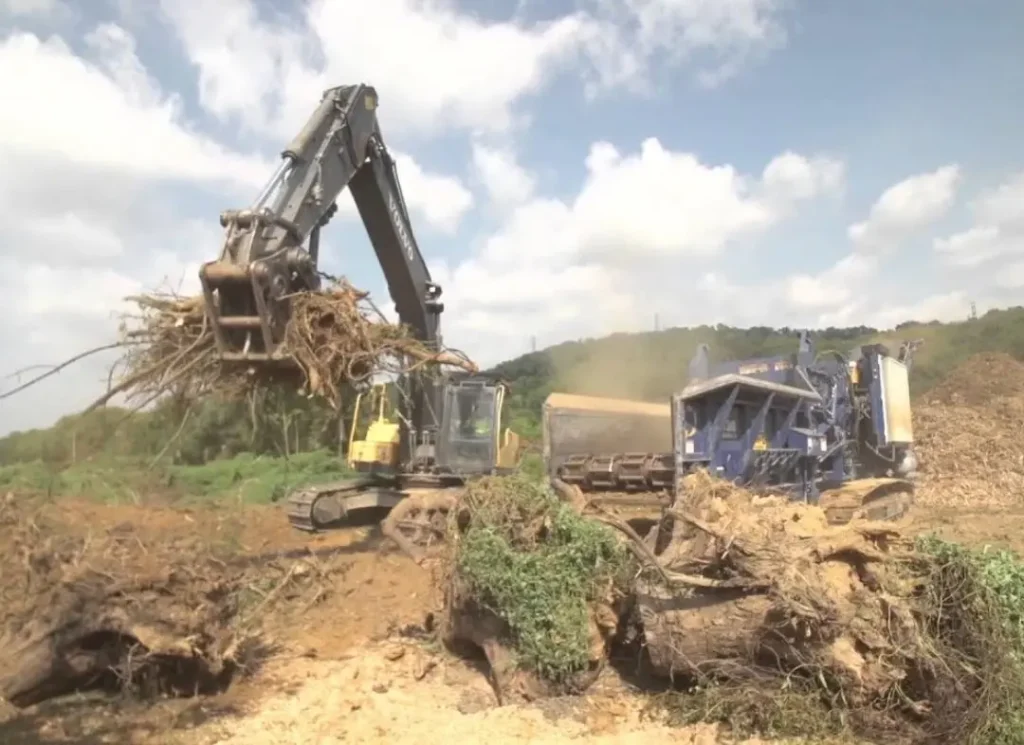
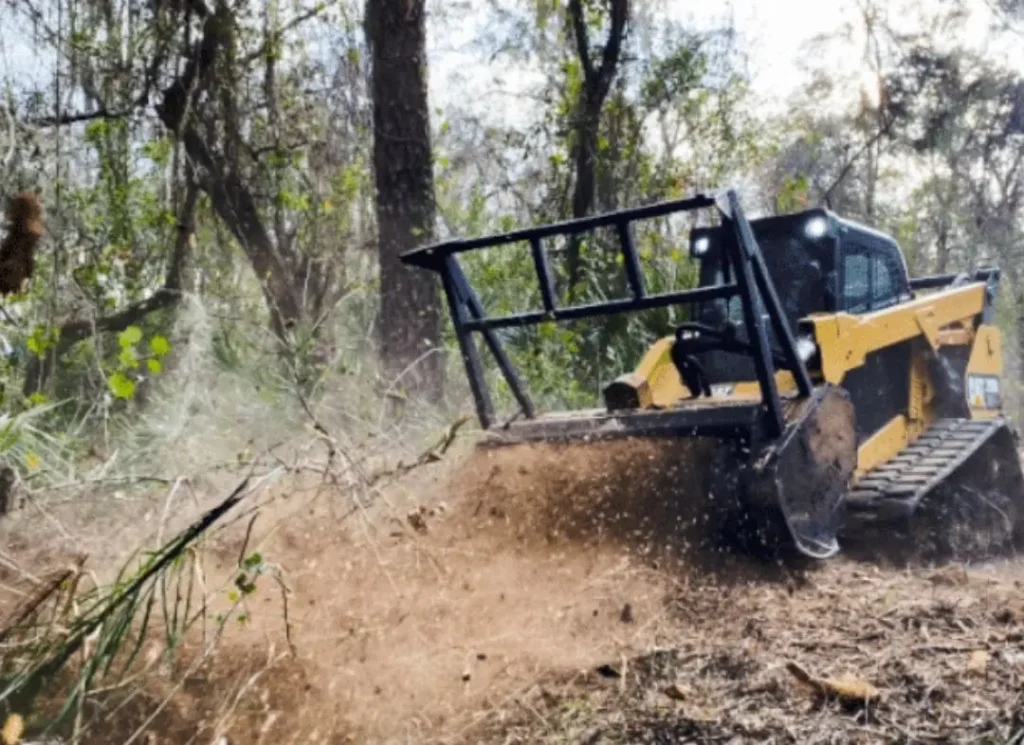
Land Clearing & Root Grubbing:
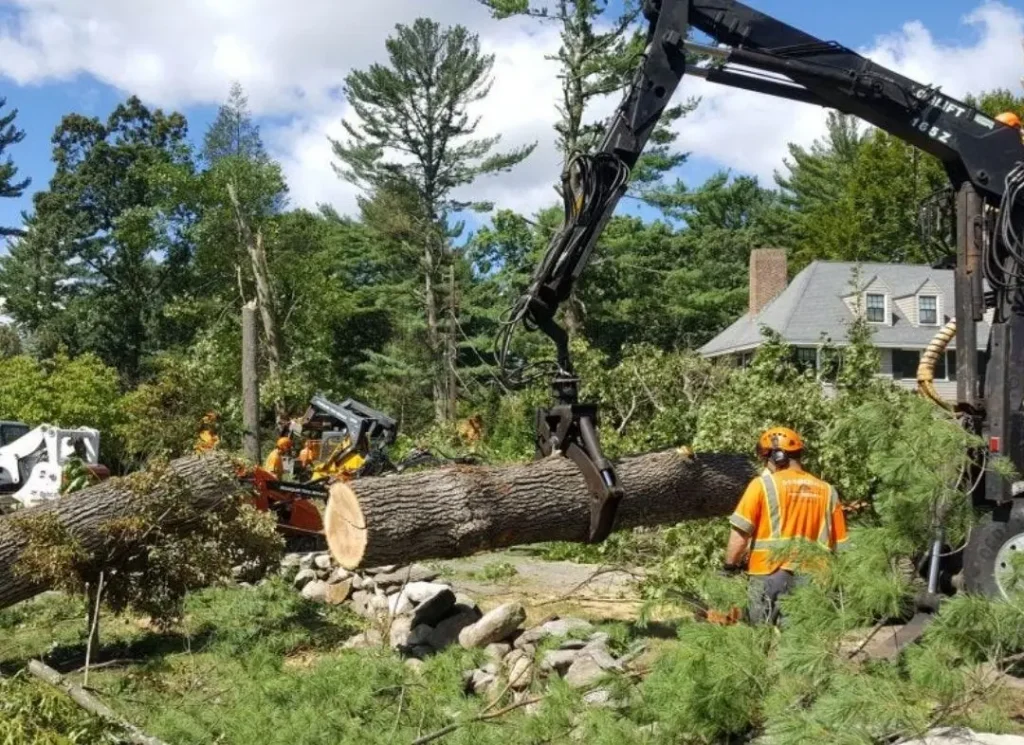
We strip trees, deep roots, and unstable organic topsoil so nothing settles or shifts later.
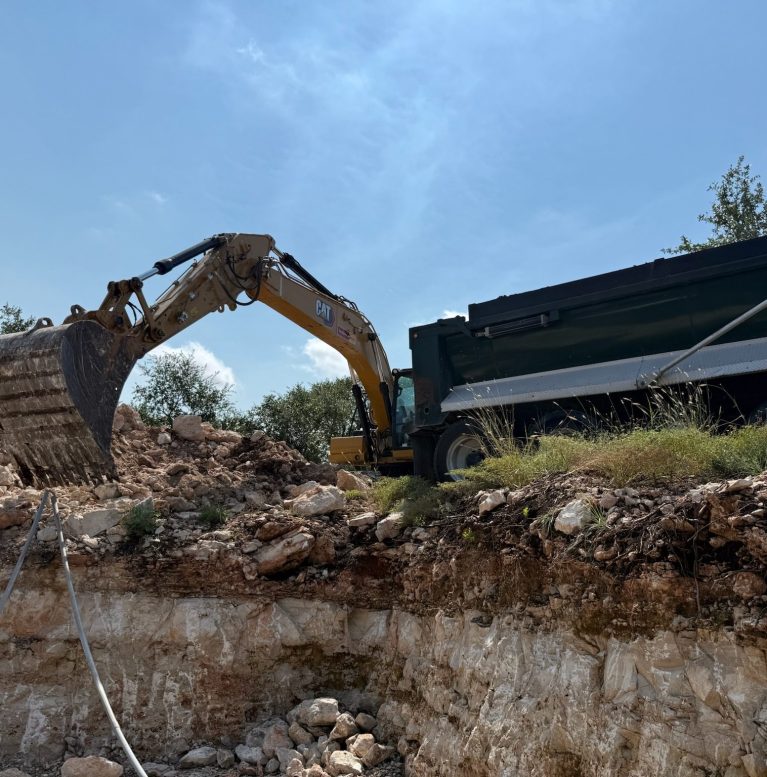
Heavy Excavation & Red Clay Cut/Fill:
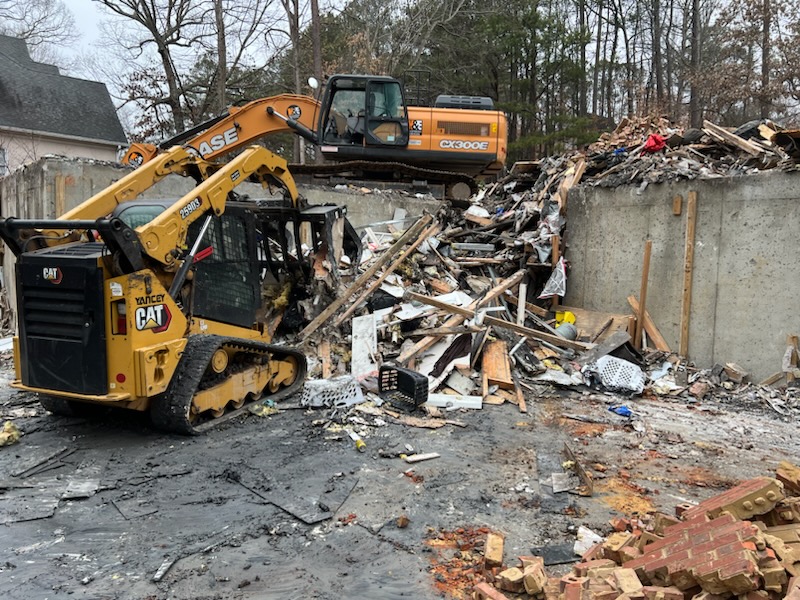
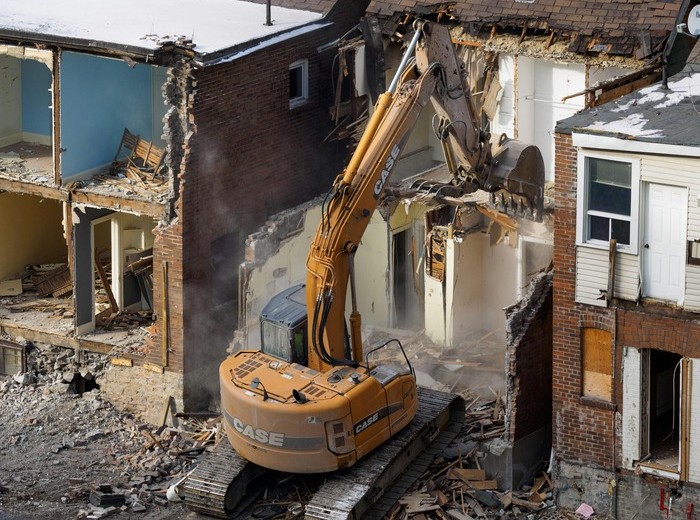
High-tonnage excavators and dozers cut high ground and fill low ground, with compaction tested at every stage.
Final Grading & Trenching:
Laser-guided grading sets the pitch for foundations, driveways, and utility trenches, so water moves away from your structure instead of into it.
Five steps. No shortcuts. That’s how you build on clay without paying for it twice.
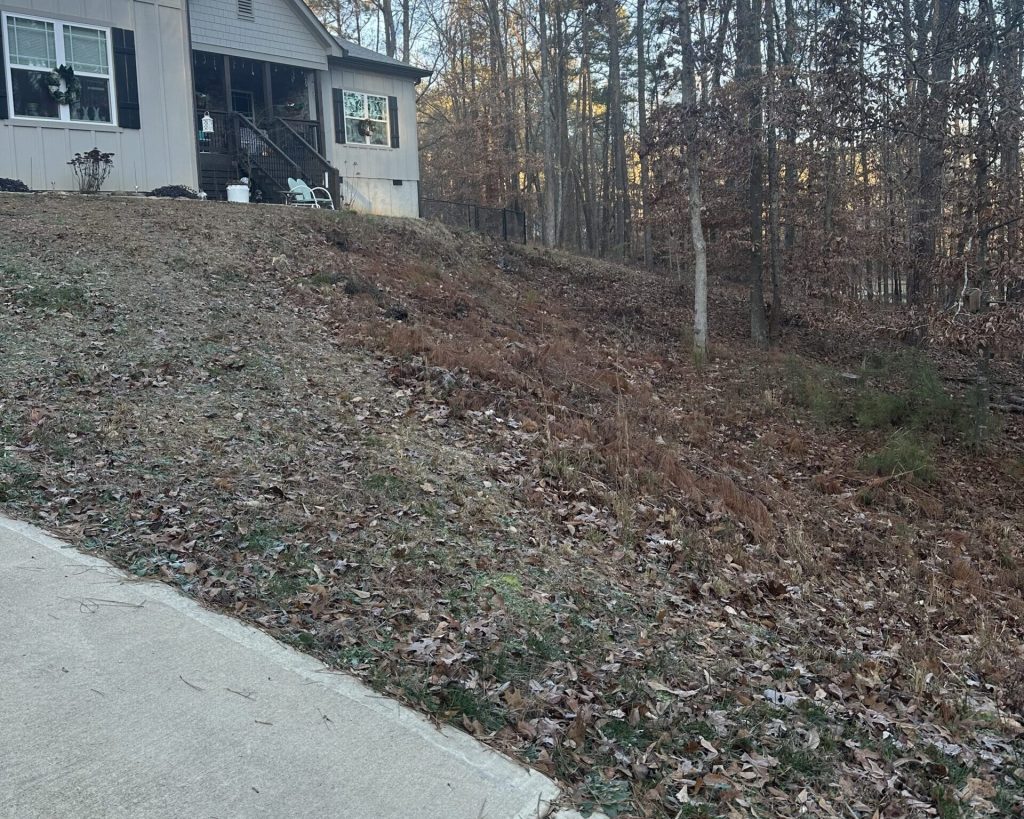
A homeowner near Birkdale Village needed foundation excavation on a lot with poor natural drainage and heavy Cecil clay. We cut and filled the site, installed a gravel sub-base, and graded for positive drainage before the framing crew arrived. No standing water, no delays, foundation poured on schedule.
A commercial client off Gilead Road near Exit 23 needed land clearing and erosion control before construction. We cleared and grubbed the site, installed silt fencing per Mecklenburg County requirements, and stabilized the subgrade with aggregate mixing ahead of paving.
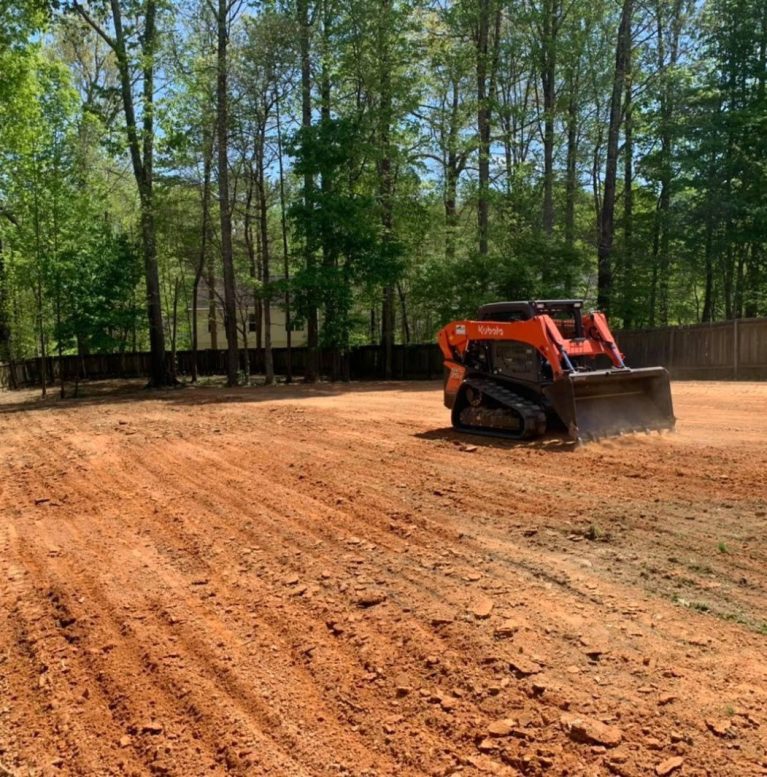
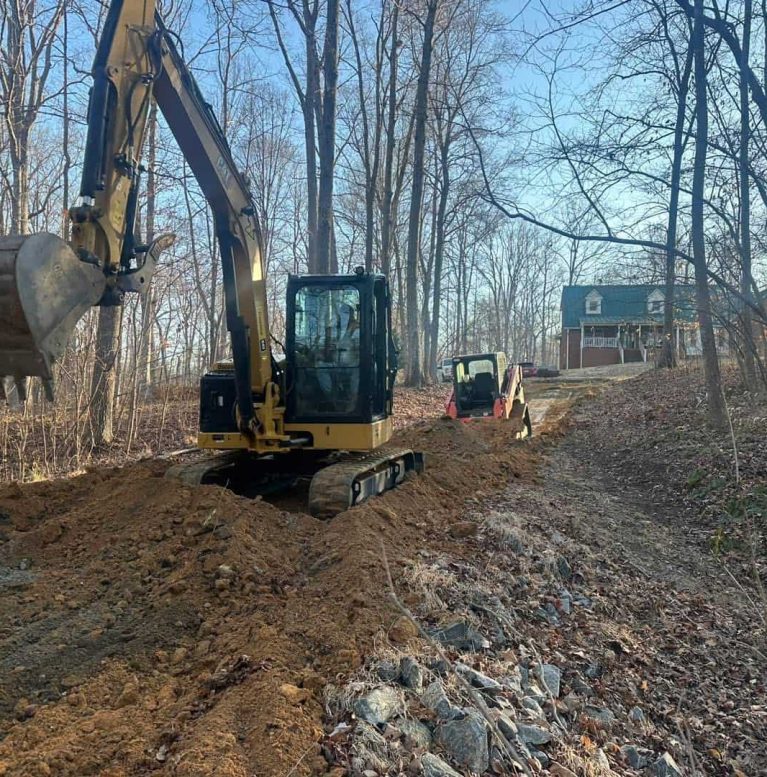
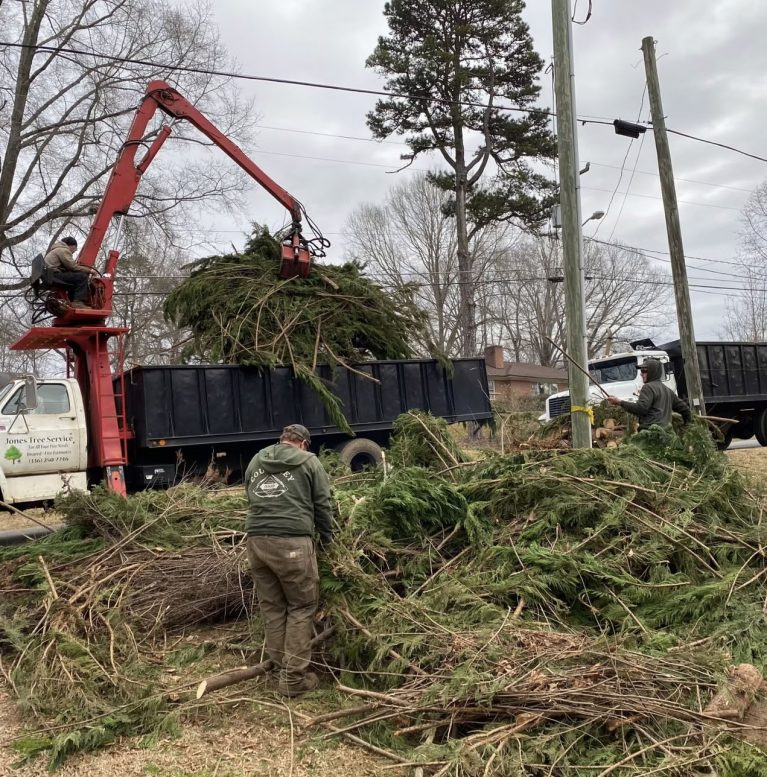
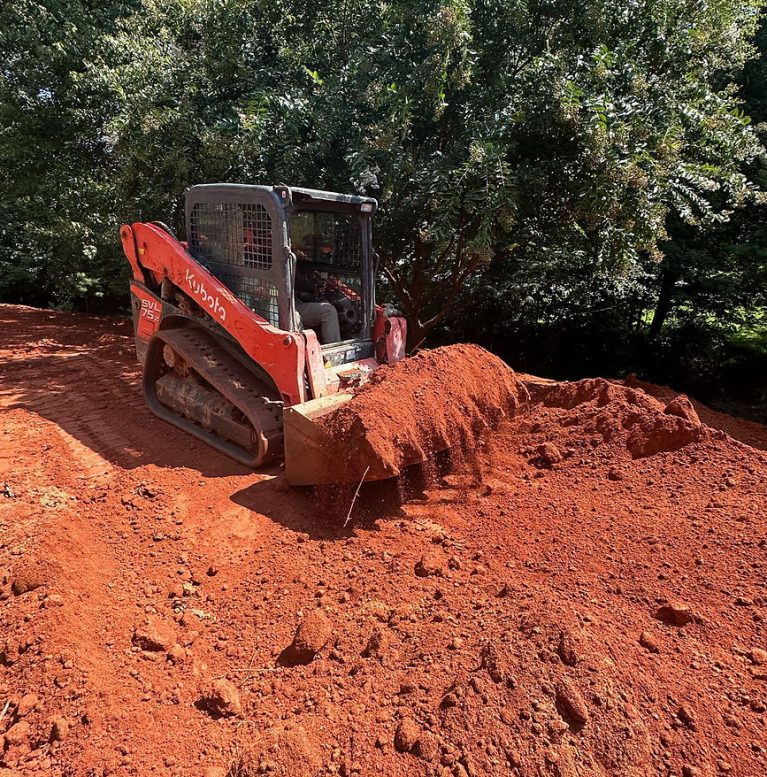
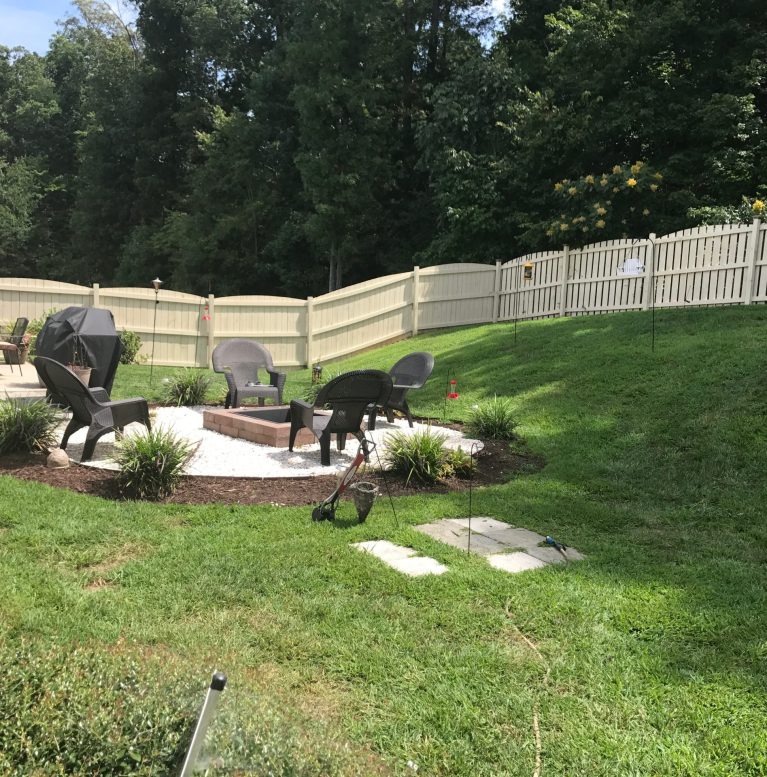
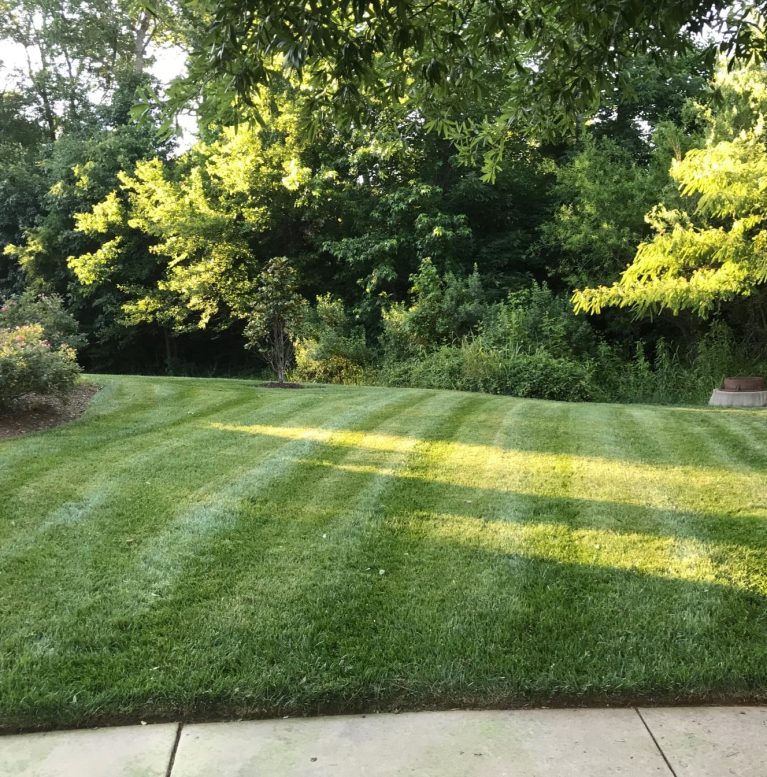
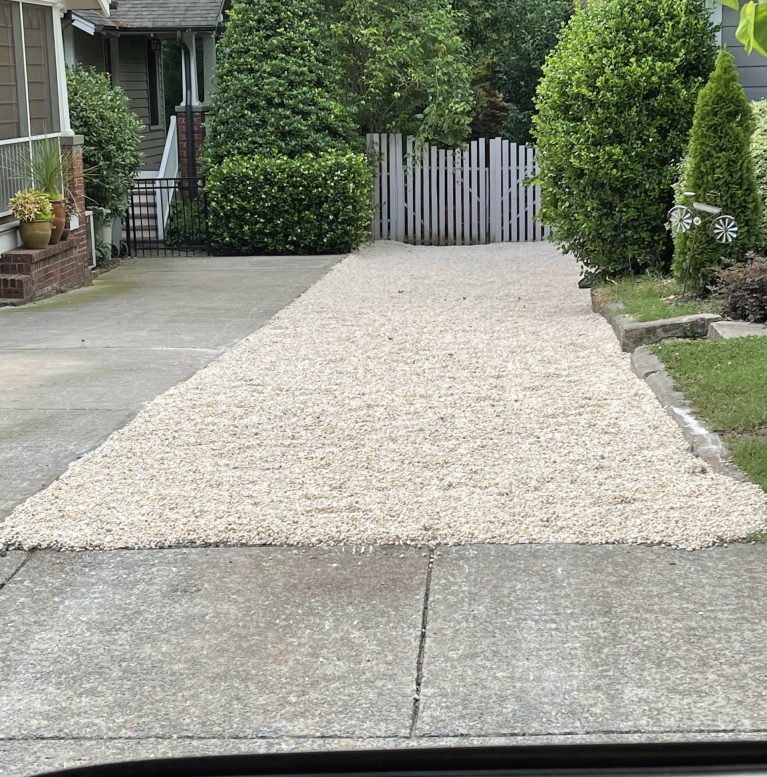
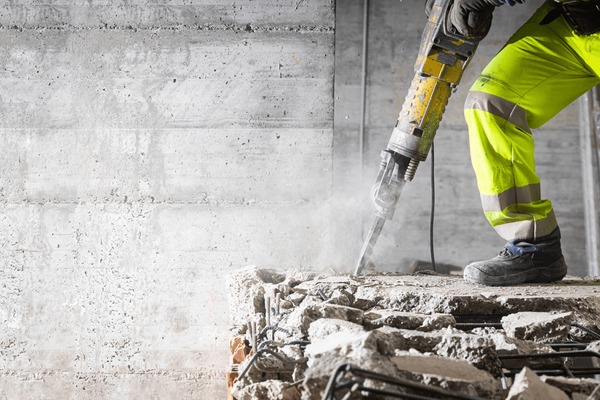
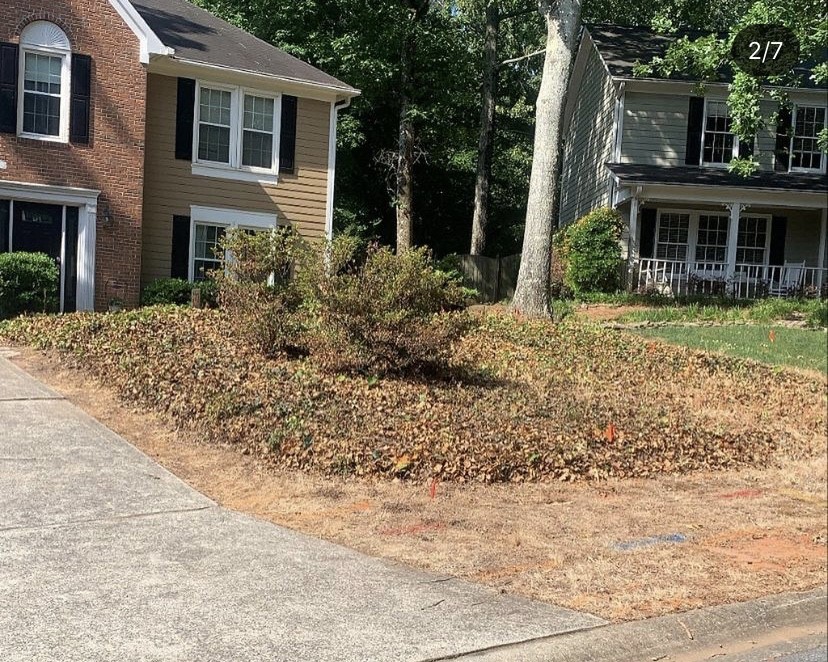
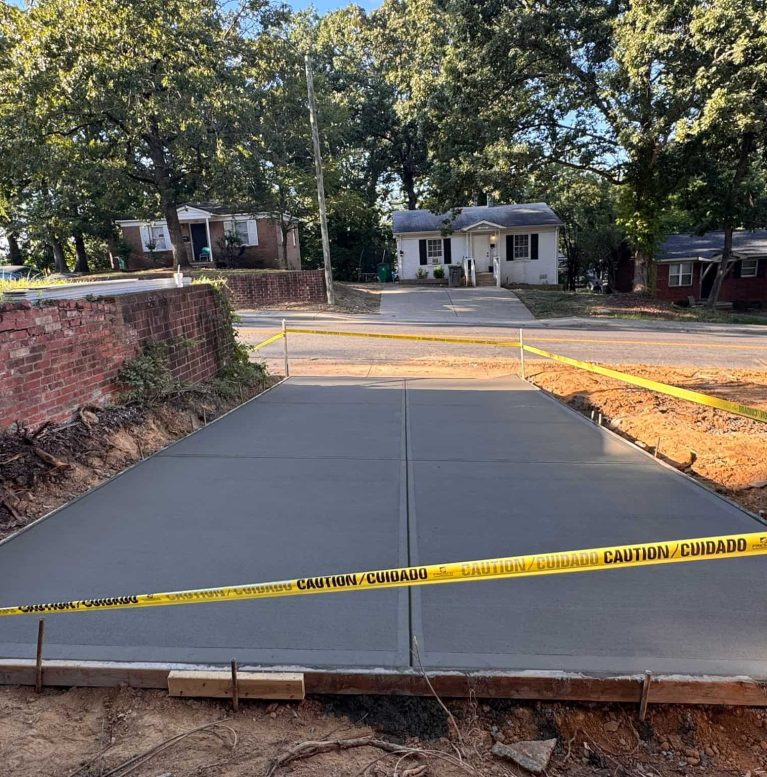
Take a look at some of our latest work. Scroll through the photos below to see our team in action and the results we deliver.
Cost depends on clay depth, drainage needs, and site access. Heavy clay usually adds cost for stabilization and compaction. Request a site walk for an exact per-square-foot quote.
In most cases, yes, especially over a certain disturbed acreage. We handle the permit process and erosion control plan so you stay compliant from the start.
We grade with built-in drainage pitch, install French drains or swales where needed, and stabilize the subgrade with gravel or lime before any concrete pours.
Yes. We use shoreline stabilization, silt fencing, and staged clearing to control runoff and meet Mecklenburg County sediment control rules near water.
Yes. Untreated clay shifts and traps water under pavement and walls. We install gravel sub-bases and geotextile fabric first to prevent cracking and settling.