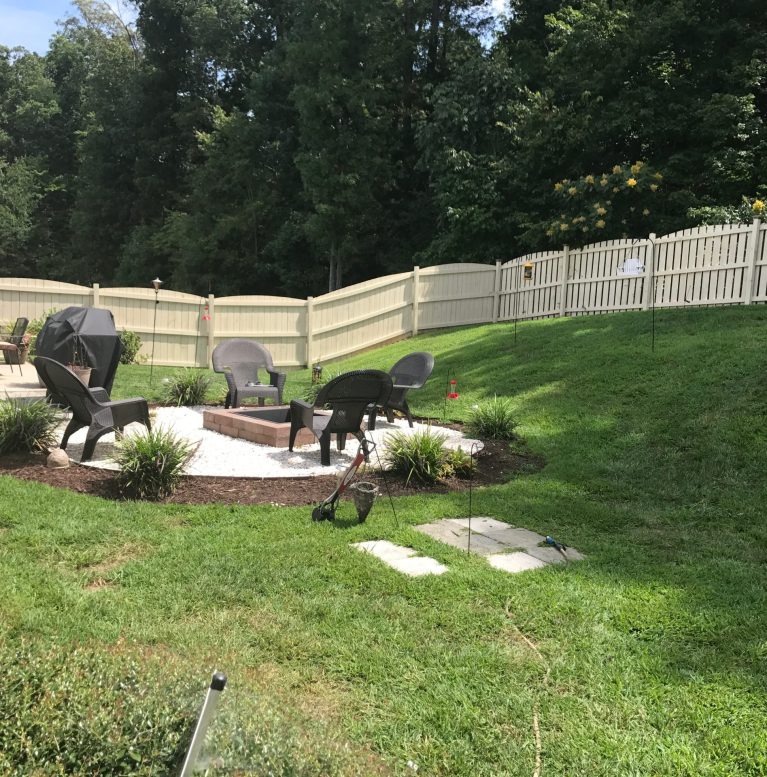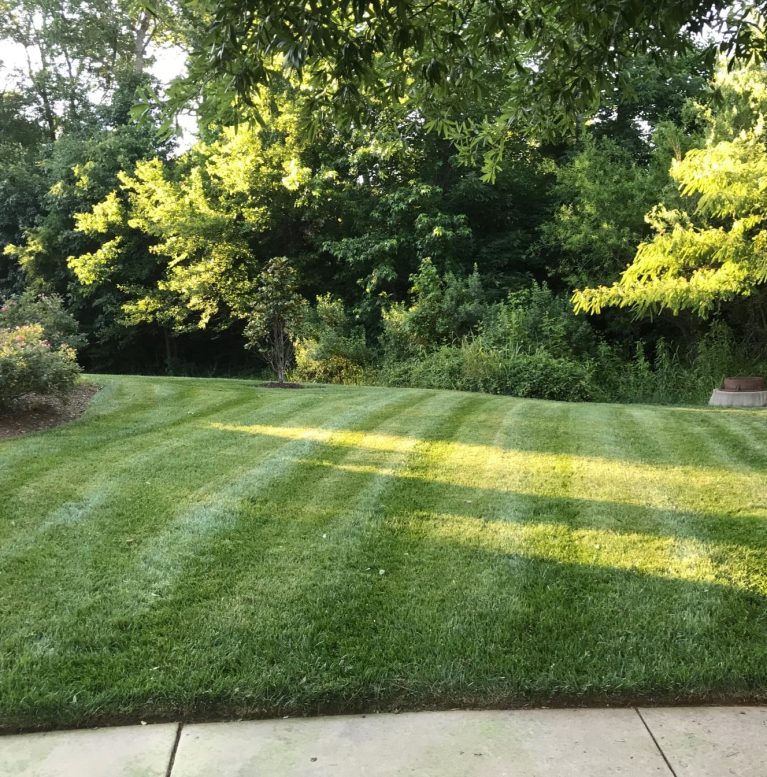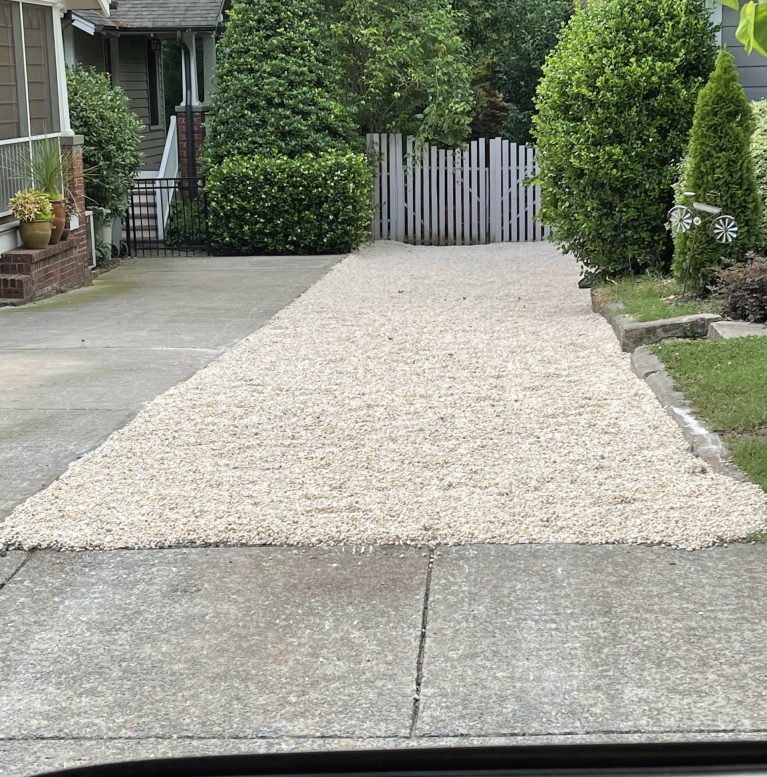
Landscape Installation in Charlotte, North Carolina

Why Trust Our LANDSCAPE Services in Charlotte, NC?

Most landscape installations in Charlotte don’t fail because of bad workmanship. They fail because nobody fixed the soil first.

Charlotte’s Piedmont red clay is dense, compacted, and drains poorly. Plant roots sitting in waterlogged clay during a heavy rain suffocate. The same roots sitting in dry, cracked clay during a 95°F August heat wave can’t access moisture even when it’s technically there. Non-adapted plants — the ones that look great at the nursery but weren’t selected for these conditions — show stress within weeks and are gone by fall.

Established neighborhoods like Myers Park and Eastover add a second layer of complexity. Mature tree canopies compete for root space and moisture. Strict tree protection ordinances mean installation has to be planned around what’s already there, not just what looks good on paper. Newer subdivisions in Ballantyne and Cotswold bring clay drainage problems from builder grading that hasn’t been properly amended.

LG Landscaping installs landscapes that are built for Charlotte’s soil and climate — not for ideal conditions. We fix the ground before we touch a plant. That’s the difference between a yard that thrives and one you replace every two years.

Get a Quote for Our LANDSCAPE Experts in Charlotte!

Please Fill Out Our Form Below
1 +
Years Combined Experience
1 +
Projects Completed
1 +
Satisfied Clients

Client Experiences with Our
Charlotte North Carolina Services

Comprehensive Construction Services

From residential projects to commercial developments, we provide end-to-end solutions for every stage of construction.

What Makes Our LANDSCAPE Installation Service in Charlotte Efficient & Reliable?

Every landscape installation starts with the ground — not the plants.

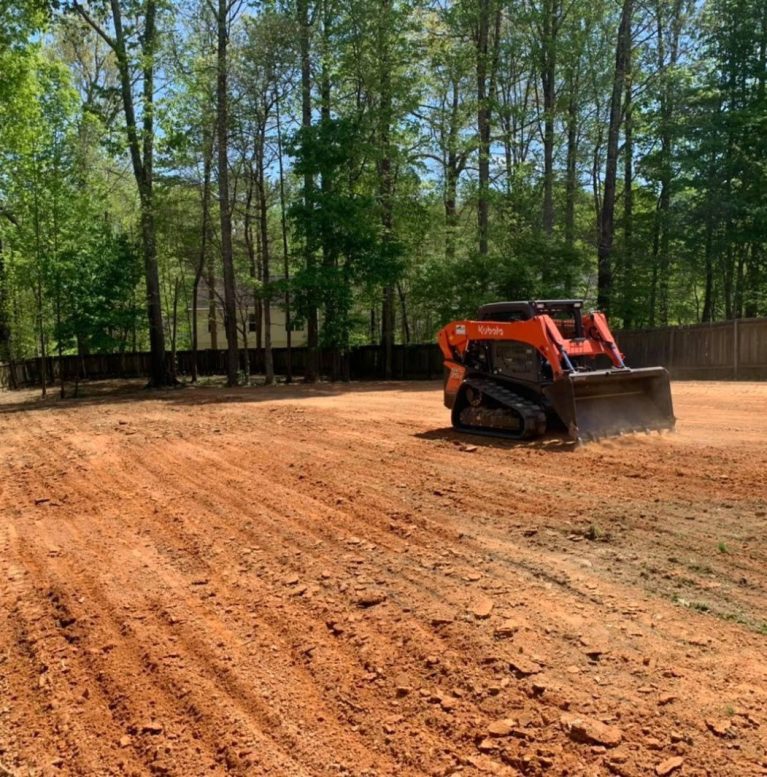
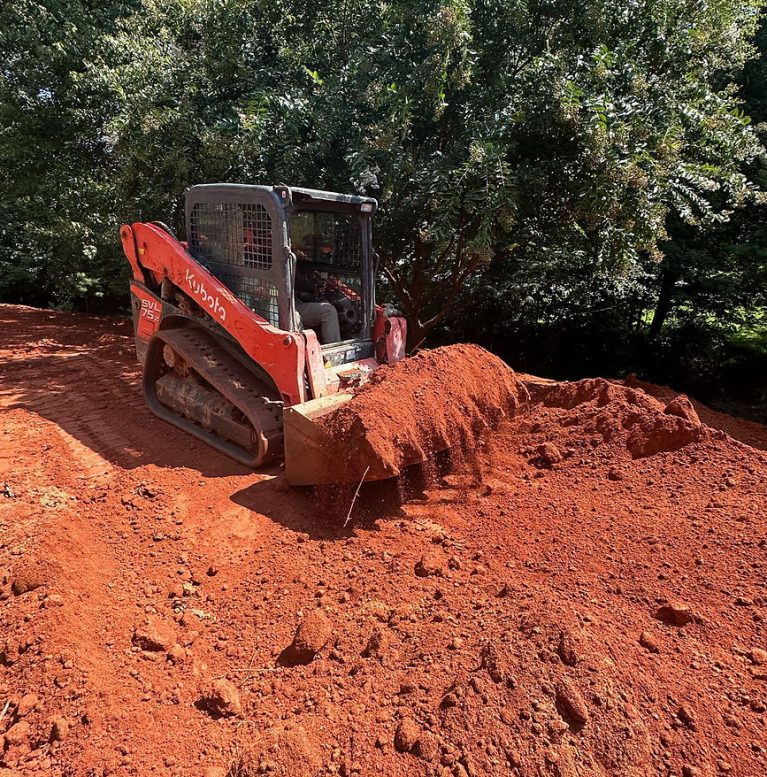
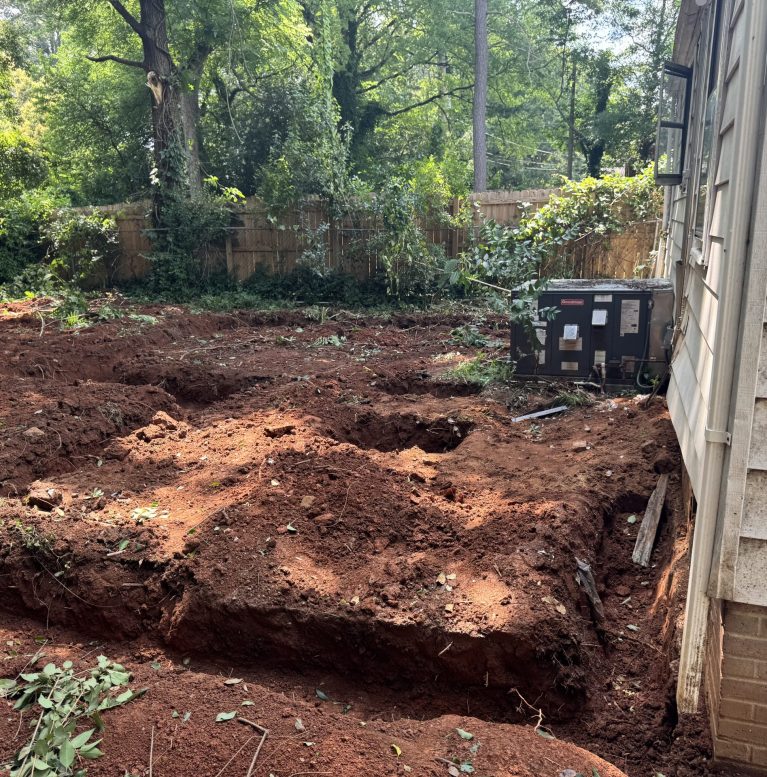
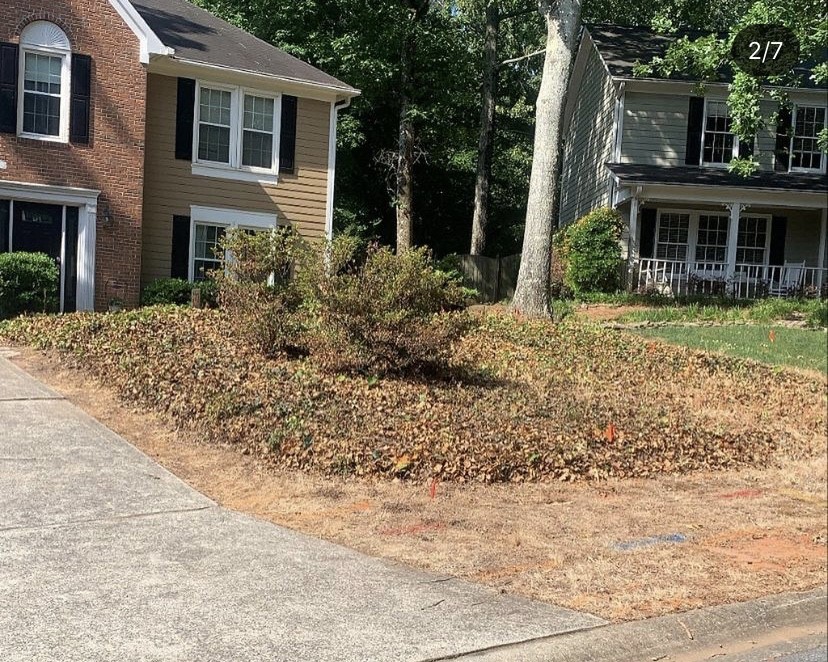
We assess the site before anything gets ordered. Drainage behavior, sun exposure, existing canopy competition, and soil condition all determine what goes in and where. On Charlotte clay, that assessment almost always leads to the same first step: soil amendment. We break up the compacted layer and work in compost and pine bark to improve drainage and give roots room to establish. Skipping this step on Charlotte’s dense Piedmont clay is the single most common reason installations fail in year one.

Species selection follows the site assessment — not the other way around. We match plants to your soil condition, sun exposure, and Charlotte’s USDA zone 7b to 8a heat and humidity profile. Eastern Redbud, Crape Myrtle, Liriope, and native Coneflower are examples of species that perform reliably here. Non-adapted ornamentals that can’t handle clay or 90-degree summers don’t make the list regardless of how they look in a catalog.

After planting, beds are mulched to 3 to 4 inches to retain moisture, regulate soil temperature, and suppress weeds through Charlotte’s long growing season.

Installation built to last. Not to be redone.

Building torn down
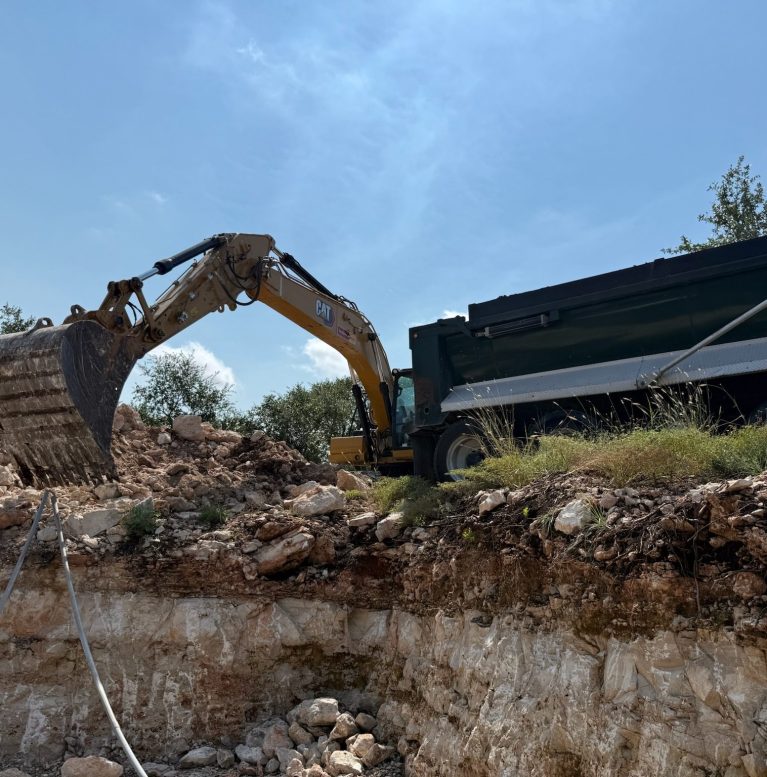
Construction equipment removing debris

Ready to Start Your Project? Let’s Talk.

Let’s get your project moving. Our skilled team is ready to handle every phase of your site work safely, efficiently, and on schedule. Call today or request a free quote to get started.

Case Studies

Heavy machinery at work

A Myers Park homeowner had lost three rounds of ornamental plantings in two years — all non-adapted species that couldn’t handle the clay and root competition from a mature oak canopy. We assessed the site, amended the soil with compost and pine bark, and installed a shade-tolerant native planting plan built for the conditions. Two growing seasons later, everything planted is still in place.

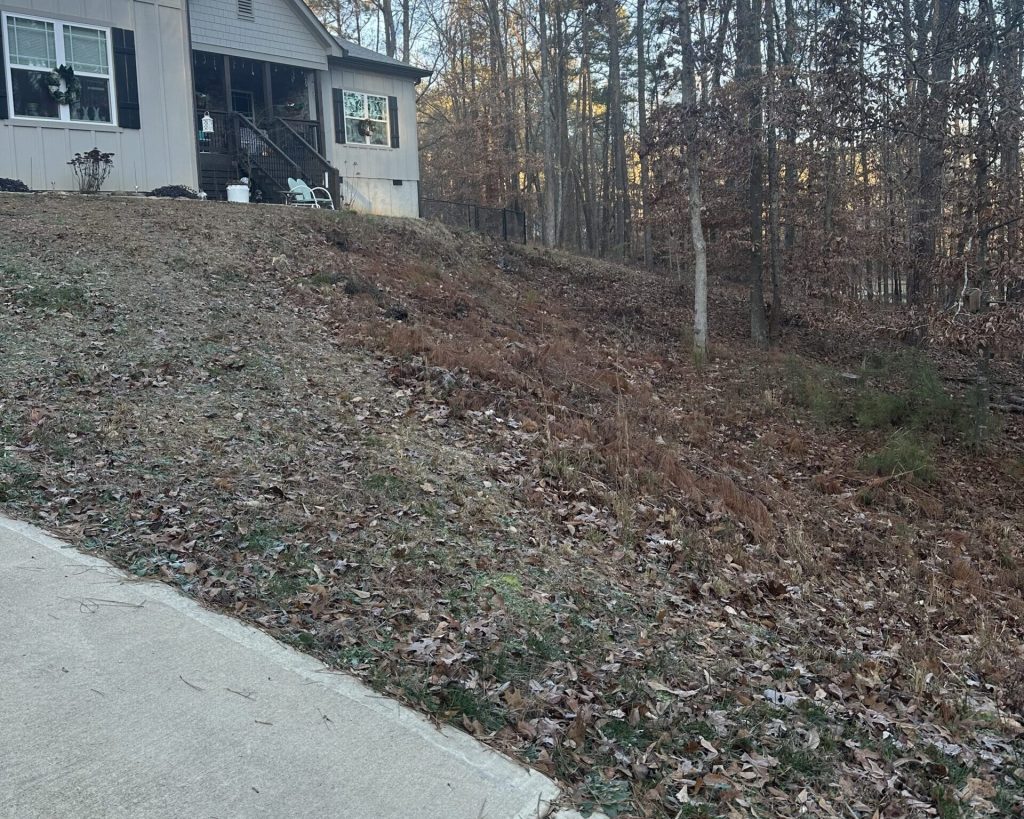
Excavators crushing concrete

A Ballantyne homeowner in a four-year-old subdivision wanted full front and rear landscape beds installed on a lot with compacted builder clay and poor drainage. We graded the bed areas for correct slope, amended the soil throughout, and installed a heat-tolerant mix of Crape Myrtle, Liriope borders, and mulched beds. No plant loss through the first Charlotte summer.

RECENT PROJECTS

Take a look at some of our latest work. Scroll through the photos below to see our team in action and the results we deliver.

Let’s Discuss Your Project Goals

FAQs About Landscaping Work in Charlotte

Heat-tolerant, clay-adapted species perform best — Crape Myrtle, Eastern Redbud, Liriope, Southern Magnolia, and native perennials like Coneflower and Black-Eyed Susan. We select based on your specific site conditions — sun exposure, drainage, and canopy competition — not a generic plant list.

Amendment is required for reliable results in Charlotte clay. Dense Piedmont clay compacts around roots and holds water poorly. We work in compost and pine bark before planting on every install — it’s the step that determines whether the landscape lasts or fails in year one.

Yes. We handle site grading and landscape installation together — it’s actually the most efficient sequence. Correct slope and drainage need to be in place before beds go in. Combining both services in one project avoids having to redo grading after planting or work around established plants.

Yes. We’re familiar with HOA landscape requirements common in Charlotte subdivisions. We can work within approved plant lists, setback rules, and material restrictions. If HOA approval is needed before installation begins, we factor that into the project timeline upfront.

Carefully. Mature tree canopies compete for root space and moisture — species selection and planting depth both have to account for that. We also work within Charlotte’s tree protection ordinances in established neighborhoods, which restrict certain activities within the drip line of protected trees.