Grading Services in Charlotte, North Carolina

Why Trust Our Grading Services in Charlotte, NC?

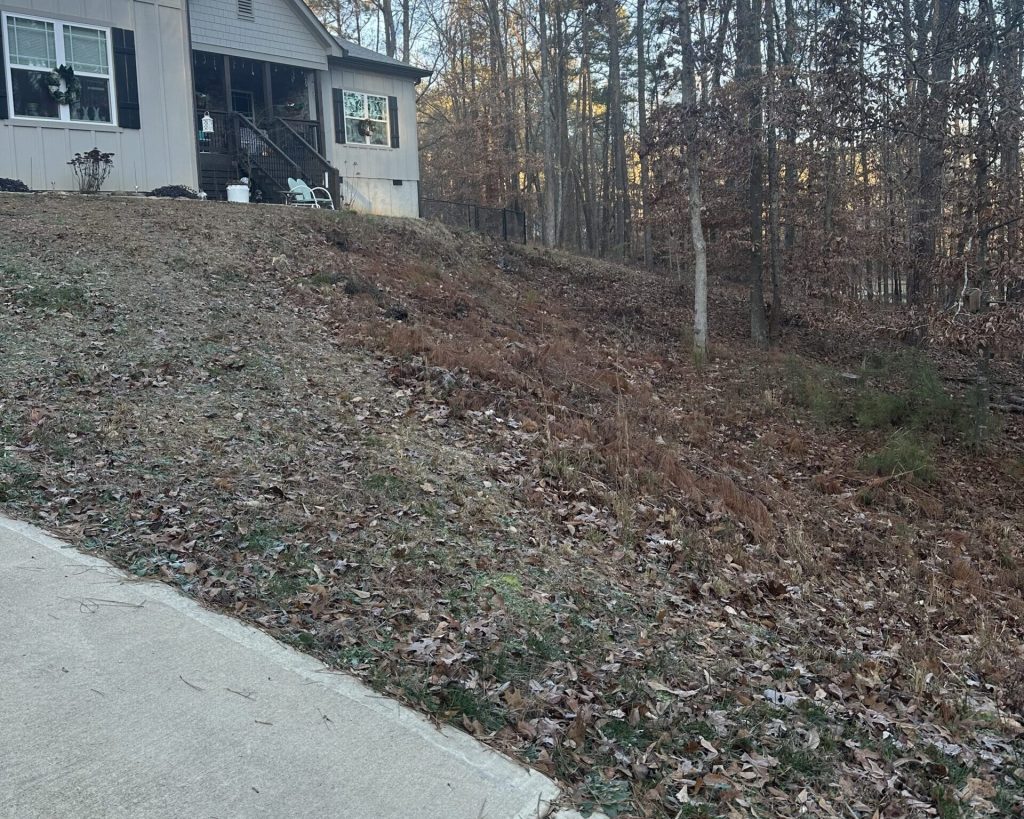
Most Charlotte homeowners don’t think about their yard’s slope until the water shows up somewhere it shouldn’t.

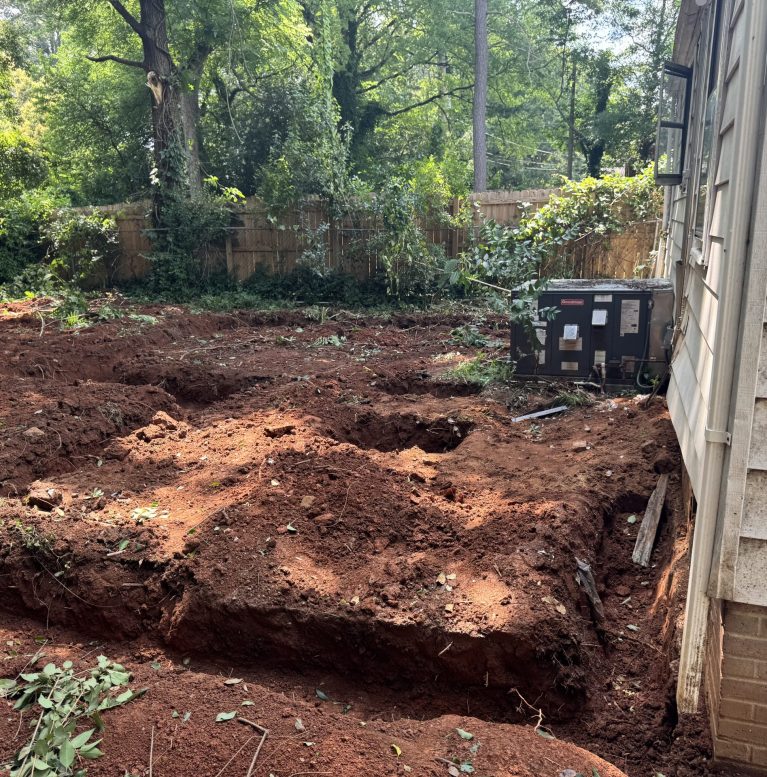
The problem is the soil. Charlotte sits in the Piedmont region, and the dominant clay here — including the bull tallow clay common throughout Mecklenburg County — absorbs almost nothing. When rain hits it, the water doesn’t soak in. It runs. And wherever the grade is wrong, it runs straight toward your foundation, your crawl space, or your neighbor’s yard.

Ballantyne properties deal with this constantly. Developer-installed drainage paths age, settle, and stop functioning the way they were designed. Steele Creek’s rapid growth means new construction grading gets done fast — and fast grading on Charlotte clay often means the slope shifts within a season or two as the soil compresses and settles unevenly.

The result is the same either way: standing water after every significant rain, erosion cutting into your yard, and moisture working against your foundation year after year.


LG Landscaping grades Charlotte properties to move water away from structures — correctly, the first time, with the slope verified before we leave the job.

Get a Quote for Our Grading Experts in Charlotte !

Please Fill Out Our Form Below
1 +
Years Combined Experience
1 +
Projects Completed
1 +
Satisfied Clients

Client Experiences with Our
Charlotte North Carolina Services

Comprehensive Construction Services

From residential projects to commercial developments, we provide end-to-end solutions for every stage of construction.

What Makes Our Grading Contractors in in Charlotte Efficient & Reliable?

Flat doesn’t mean graded. A yard can look level and still drain directly toward your house.

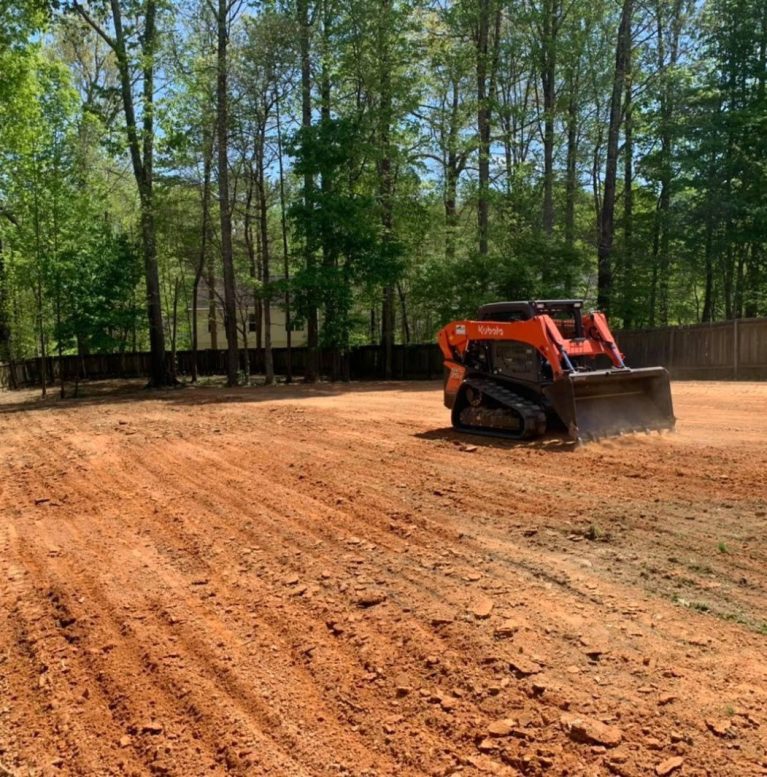
Every grading job starts with a site assessment — we walk the property during or after rain if possible, or read the evidence of where water has been tracking. Low spots, erosion channels, soil staining near the foundation, and dead grass patches all tell us what the water is doing before we touch anything.

From there, we map the elevation across the affected area and plan the correct slope — typically a minimum 1 to 2 percent grade away from the structure, adjusted for Charlotte’s clay behavior and your yard’s specific layout.

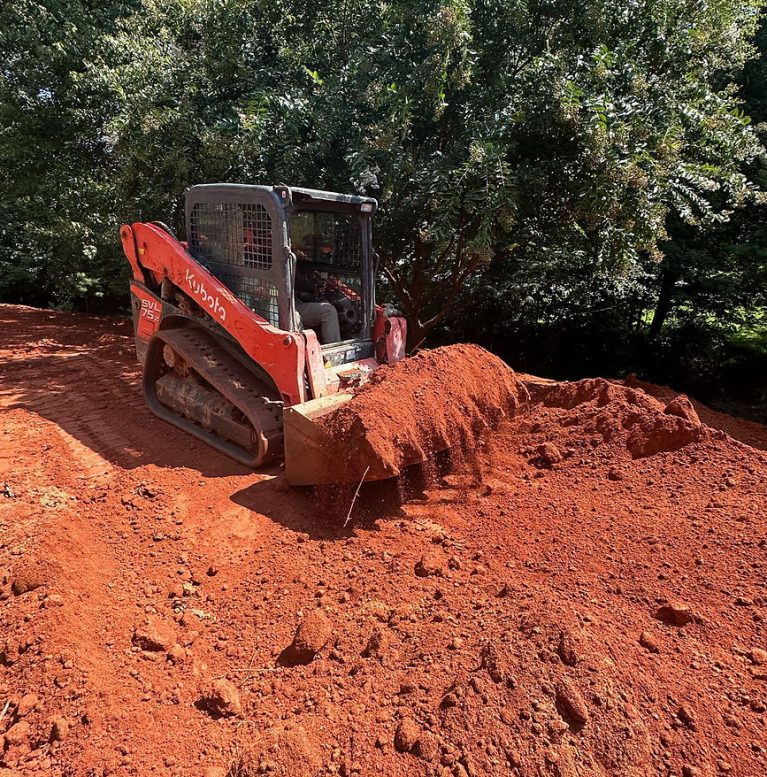
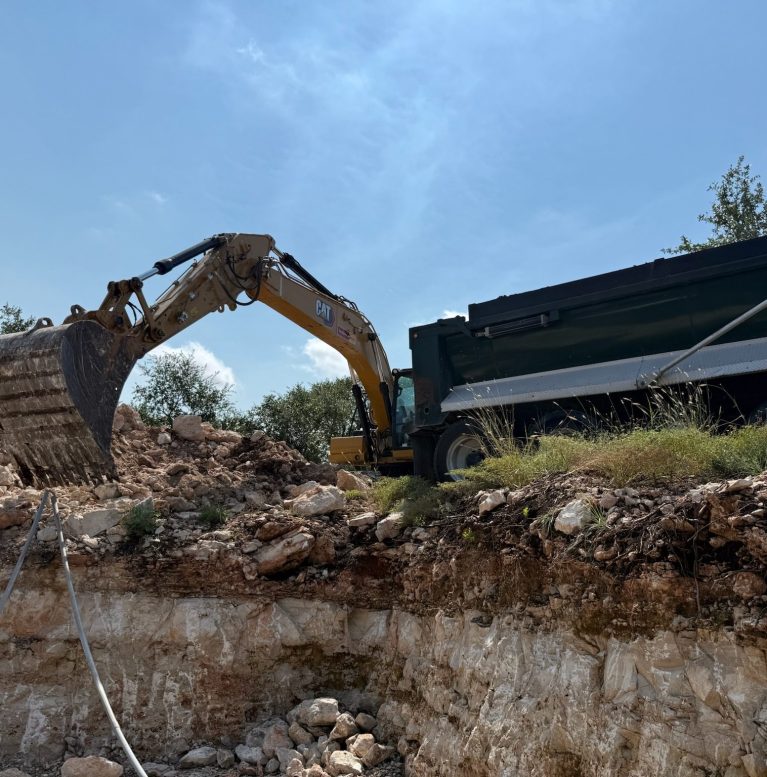
Excavation and soil redistribution follow. On Charlotte clay, compaction at each stage isn’t optional. Loose clay settles unevenly. If it’s not compacted correctly between lifts, the grade shifts within one season and the water problem comes back.

Finish grading brings the surface to the correct final elevation. We verify drainage direction before the job is complete — not by eye, but by checking that water actually moves where it’s supposed to.

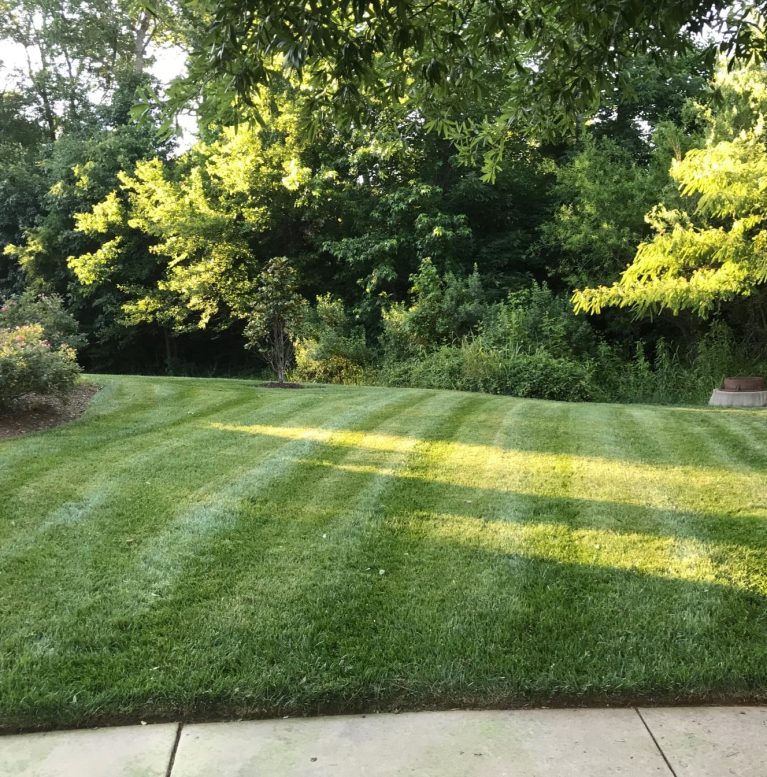
You get a yard that handles Charlotte rain. Not one that just looks like it should.

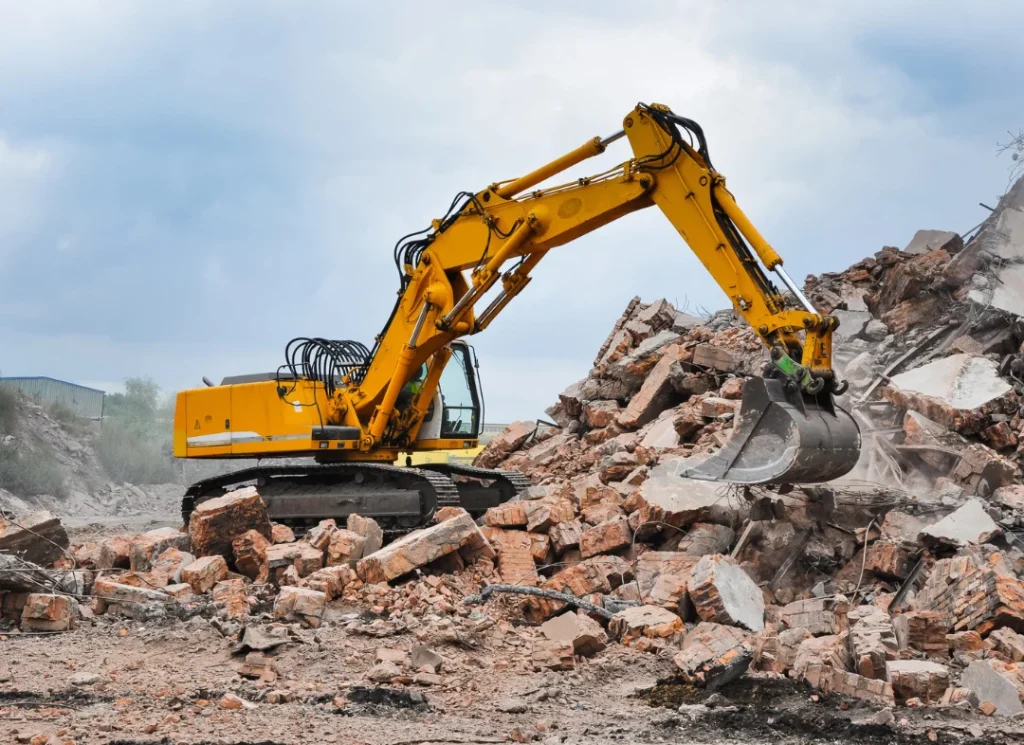
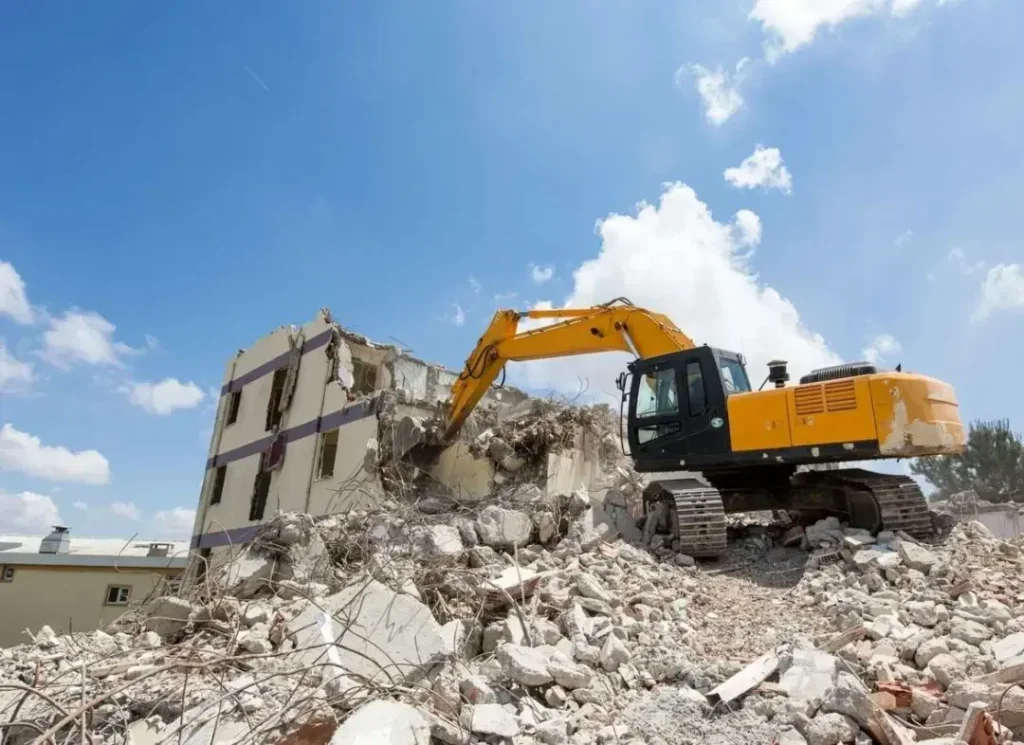
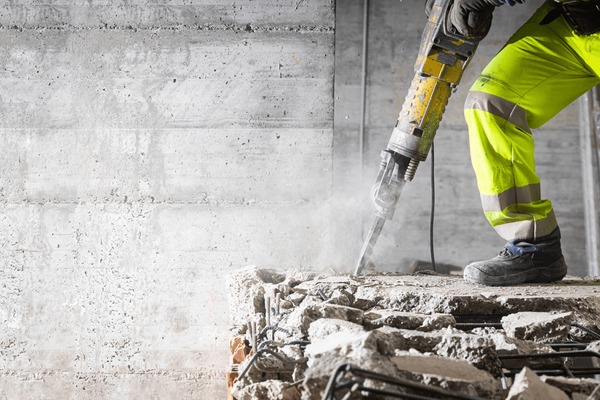
Building torn down
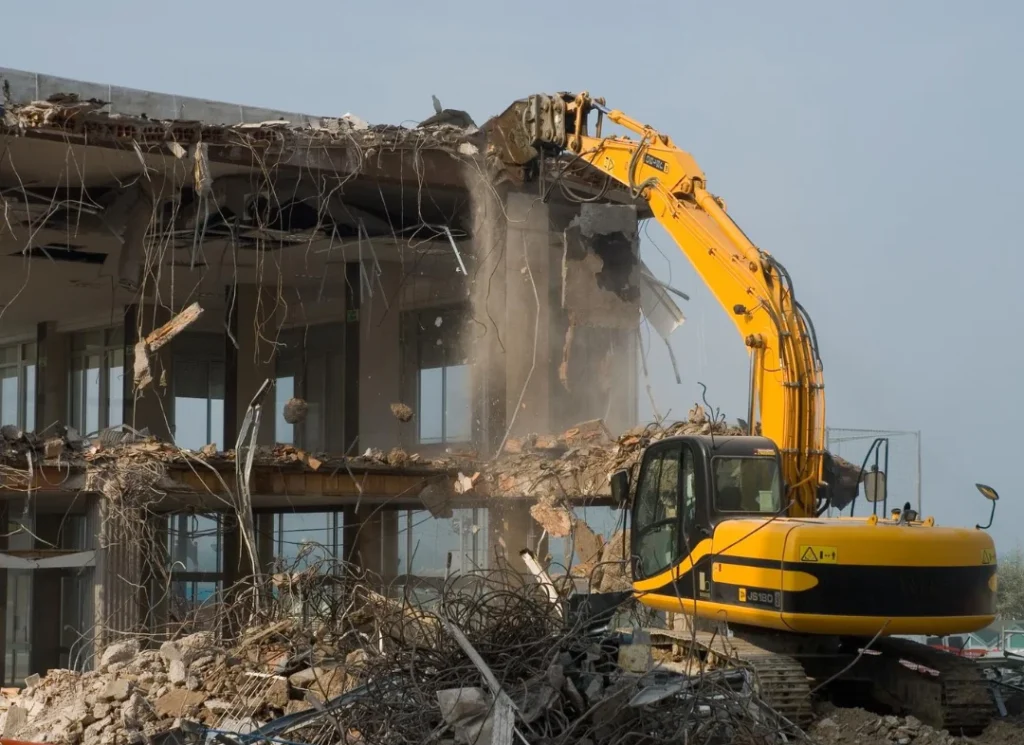
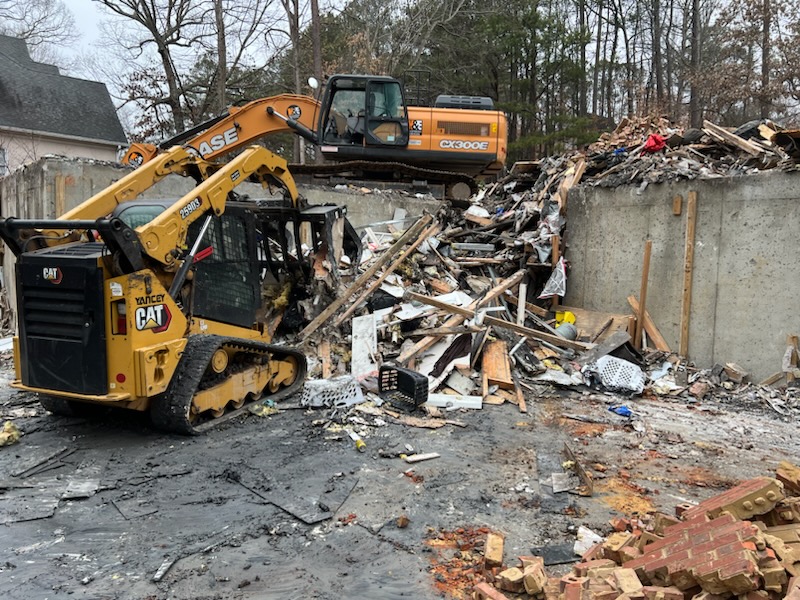
Construction equipment removing debris

Ready to Start Your Project? Let’s Talk.

Let’s get your project moving. Our skilled team is ready to handle every phase of your site work safely, efficiently, and on schedule. Call today or request a free quote to get started.

Case Studies

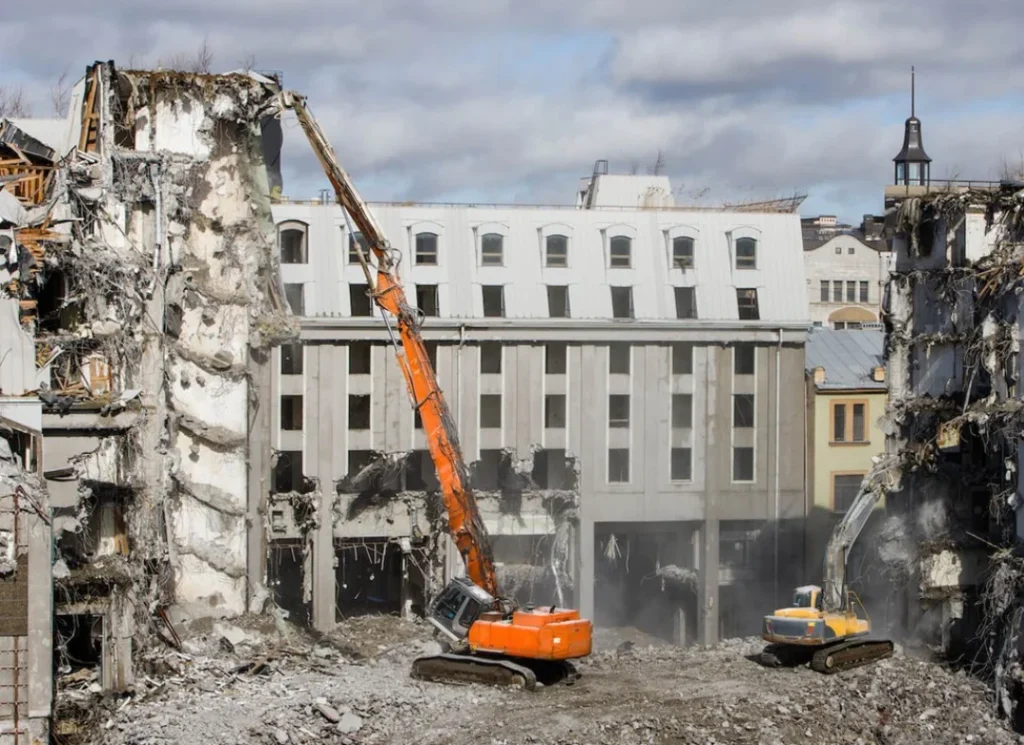
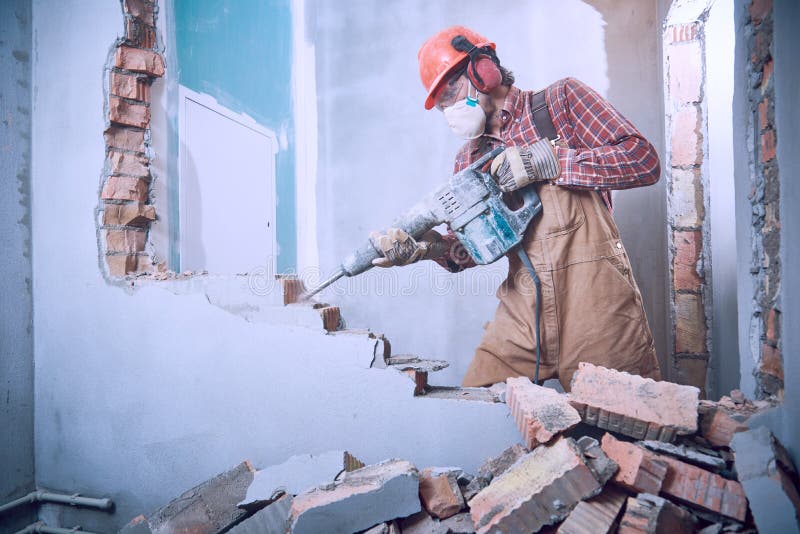
Heavy machinery at work

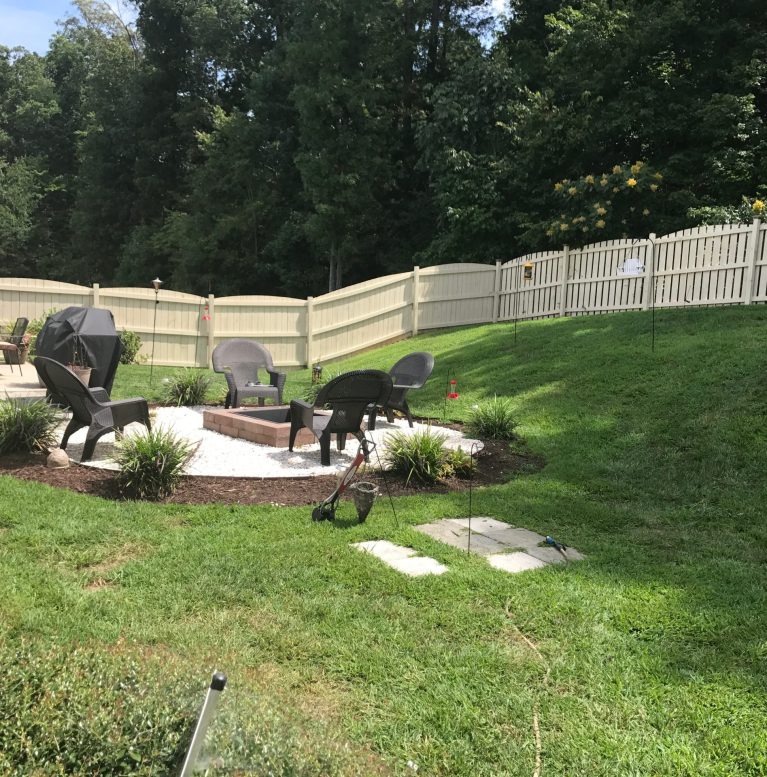
A Ballantyne homeowner called after water was consistently pooling against the rear foundation wall following heavy rain. The original developer-installed grade had settled and reversed slope over twelve years. We regraded the rear yard, restored correct slope away from the structure, and compacted in two lifts to prevent resettlement. No foundation pooling through the following three storm events, including one significant rainfall over two inches.

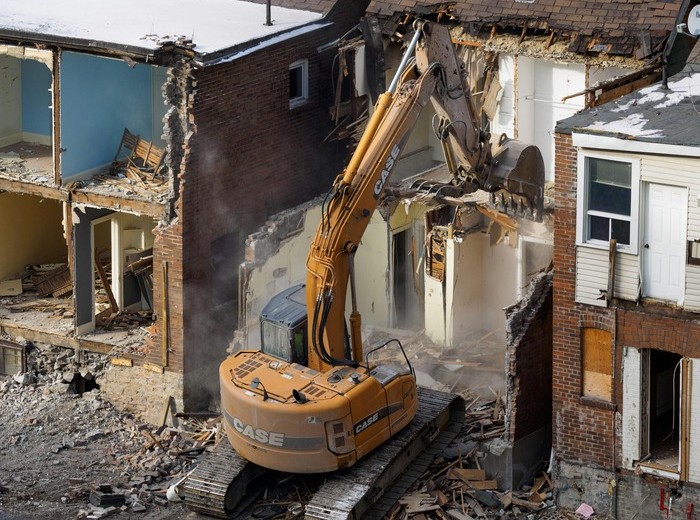
Excavators crushing concrete

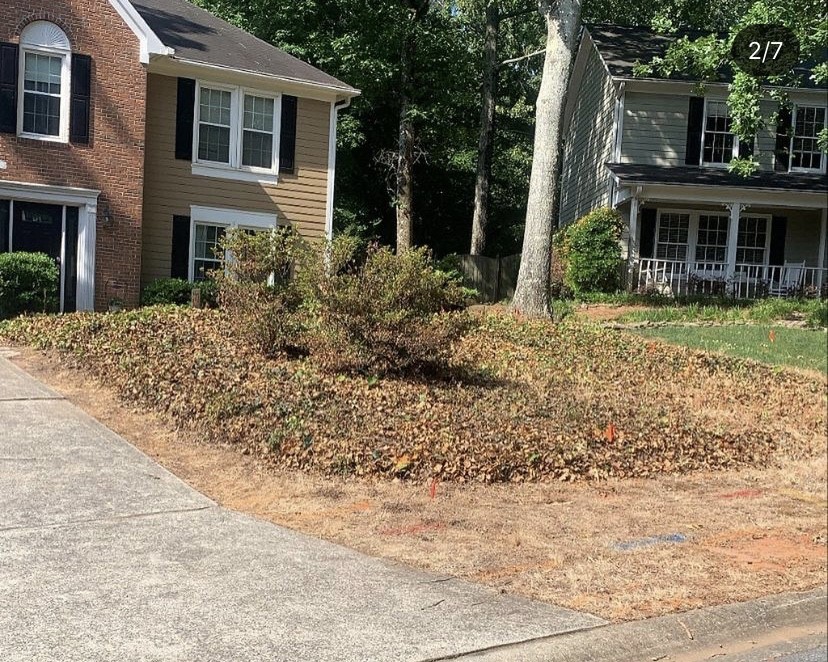
A Steele Creek resident in a four-year-old home noticed standing water collecting in the side yard after every rain — a low spot had developed as the builder’s grading settled into Charlotte’s clay. We assessed the elevation, redistributed soil to eliminate the depression, compacted properly, and regraded to direct runoff toward the street. Standing water issue resolved in one visit.

RECENT PROJECTS

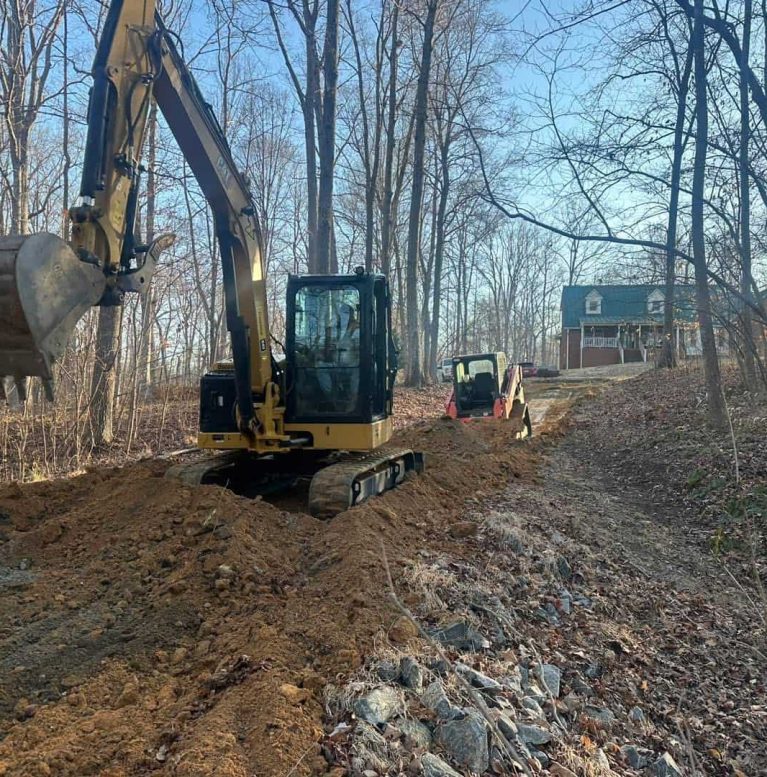
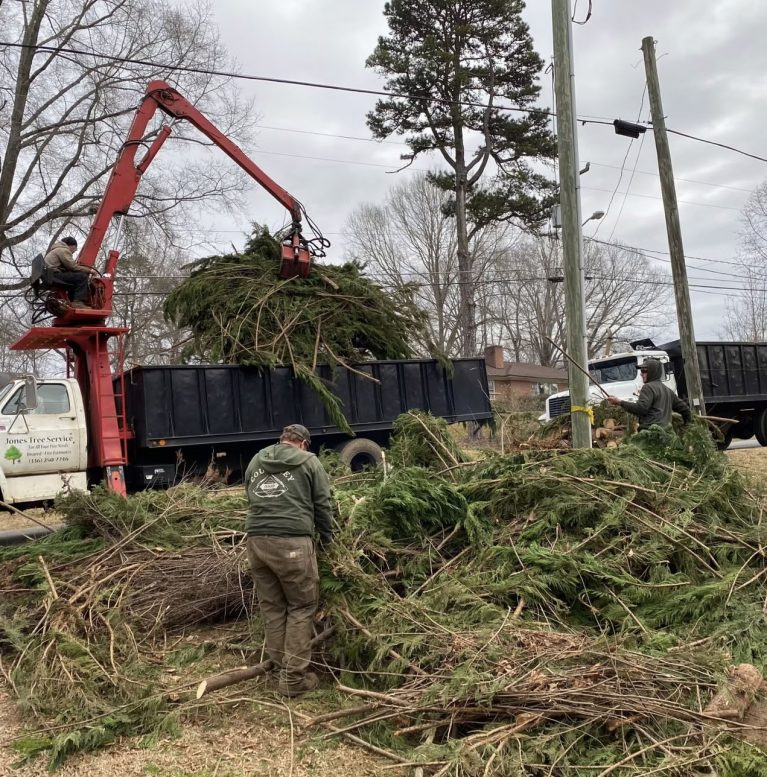
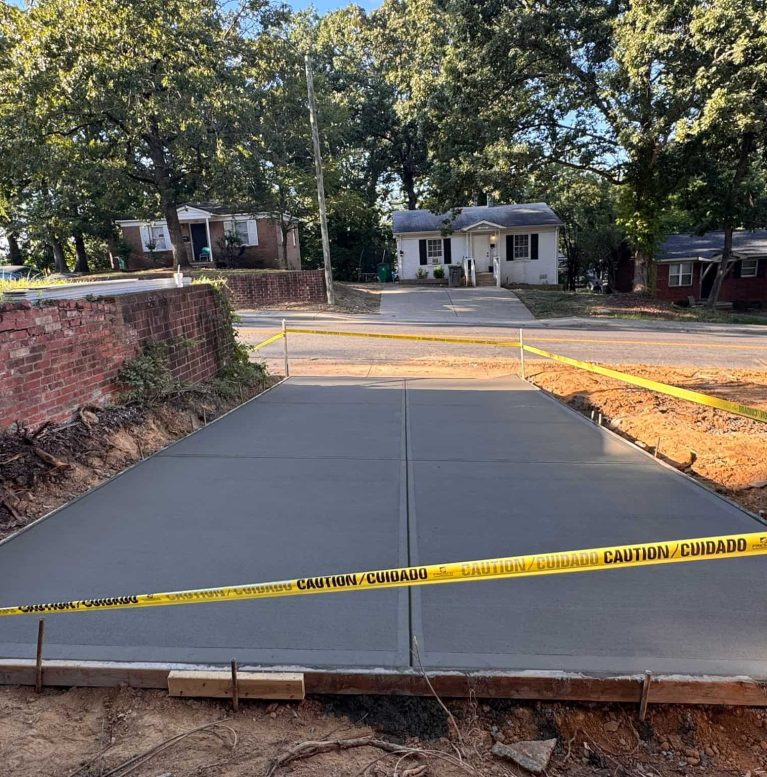
Take a look at some of our latest work. Scroll through the photos below to see our team in action and the results we deliver.

Let’s Discuss Your Project Goals

FAQs About Grading Work in Charlotte

Start with grading assessment. Most standing water issues in Charlotte trace back to incorrect slope — water has nowhere to go. If grading correction alone doesn’t fully resolve it, drainage infrastructure can be added. We assess both on the same visit and tell you exactly what’s needed.

Grading costs vary by scope and site condition — we quote after a site assessment. On permits: Charlotte reviews grading projects that affect drainage or increase impervious surface. Minor yard regrading often doesn’t require a permit, but larger projects may. We confirm permit requirements before any work begins.

In most cases, yes. Foundation pooling in Charlotte is typically a grading problem — clay soil sheds water and incorrect slope directs it toward the structure. We assess whether the issue is grade, drainage, or both before recommending any work. No guesswork, no unnecessary scope.

It can if compaction is skipped. Loose Piedmont clay settles unevenly and can reverse slope within a season. We compact in lifts during every grading job specifically to prevent this — it takes longer but the result holds up through Charlotte’s rain cycles without needing correction again.

Yes. We handle site grading for new construction, additions, outbuildings, and major hardscape installs across Charlotte including Steele Creek and Ballantyne. Site prep grading requires correct base elevation and slope before any structure goes in — we assess and grade to spec before work begins.